

Reviewed · HISTORICAL TOURS
Lisbon: 3-Hour The Slave Trade – An Historical Walking Tour
Lisbon has a way of looking innocent. This 3-hour historical walking tour connects the city’s major sights to the Atlantic slave trade, and does it in a way most mass tourism skips. You’ll follow a narrative across back streets and city-center landmarks, with time to ask questions and get context you can actually use while you’re in Portugal.
I love that the tour is led by an African guide named Rui Fernandes, trained with history, political science, and economics. That mix matters here, because you’re not just hearing facts, you’re seeing how slavery and commerce fit together.
One consideration: this is not a light sightseeing walk. You’ll cover a centuries-long crime against humanity, so it can feel heavy. If you prefer cheerful history only, you might want to pick a different tour.
In This Review
- Key highlights worth your attention
- Lisbon Slave Trade in 3 Hours, on Foot
- Meet Rui Fernandes, the Guide Who Turns Streets Into Evidence
- Largo do Chafariz de Dentro to Alfama: Reading Lisbon’s Oldest District
- Portugal, Prince Henry, and the Birth of the Atlantic Slave Trade
- Brazil, Daily Life, and the Economics Behind the Cruelty
- From Abolition to Resistance: Portugal, Africa, and Liberation Struggles
- What the Coffee and Bathroom Breaks Do for the Pace
- Is $35 a Good Deal? Small Group Value for a Hard Topic
- Who This Walk Fits Best (and When to Skip It)
- Should You Book This 3-Hour Lisbon Slave Trade Walk?
- FAQ
- How long is the Lisbon 3-Hour The Slave Trade walking tour?
- Where do I meet the guide?
- What is the price per person?
- What language is the tour offered in?
- How big is the group?
- Does the tour include breaks?
- Is hotel pickup or drop-off included?
- What should I bring?
- Are pets allowed on this walking tour?
- Can I cancel if my plans change?
Key highlights worth your attention
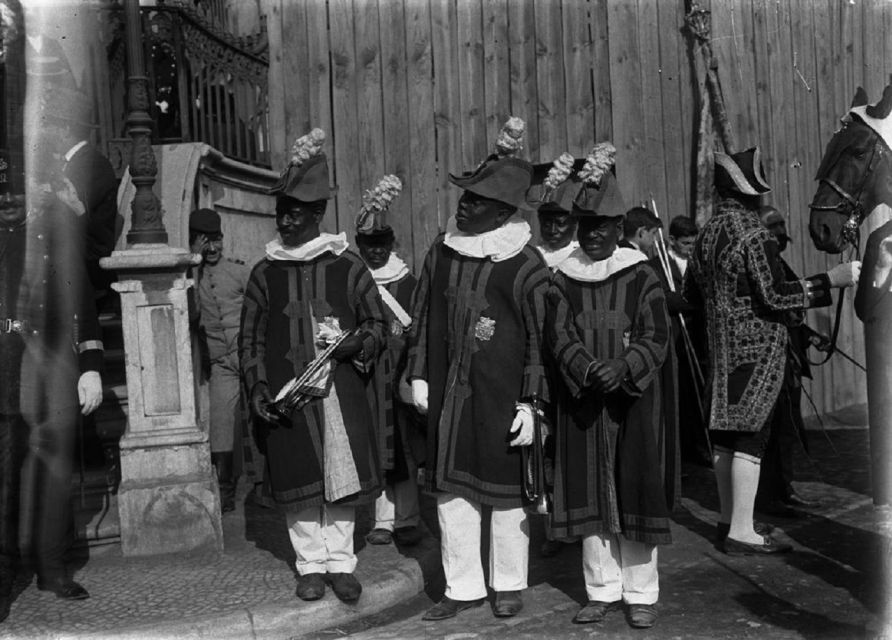
- Small-group format (max 6): more questions, less waiting around.
- Rui Fernandes as your guide: clear English, steady pace, and room for dialogue.
- Alfama beginnings: Lisbon’s oldest streets become part of the lesson.
- Portugal’s connection explained: from Prince Henry’s early Atlantic project to later impacts.
- Hard-to-find topic: this angle on Lisbon and the slave trade is rarely handled this directly.
- Comfort breaks included: one coffee break plus a bathroom stop, planned for the walking rhythm.
More Lisbon miradouros linked on foot:
- Lisbon: History, Stories and Lifestyle Walking Tour★ 4.8 · 10,902 reviews
- Best of Lisbon Small-Group Guided Walking Tour★ 5.0 · 4,869 reviews
- Lisbon: Food and Wine Small Group Walking Tour★ 4.9 · 4,082 reviews
- Best of Lisbon Walking Tour: Rossio, Chiado & Alfama★ 4.9 · 2,700 reviews
Lisbon Slave Trade in 3 Hours, on Foot
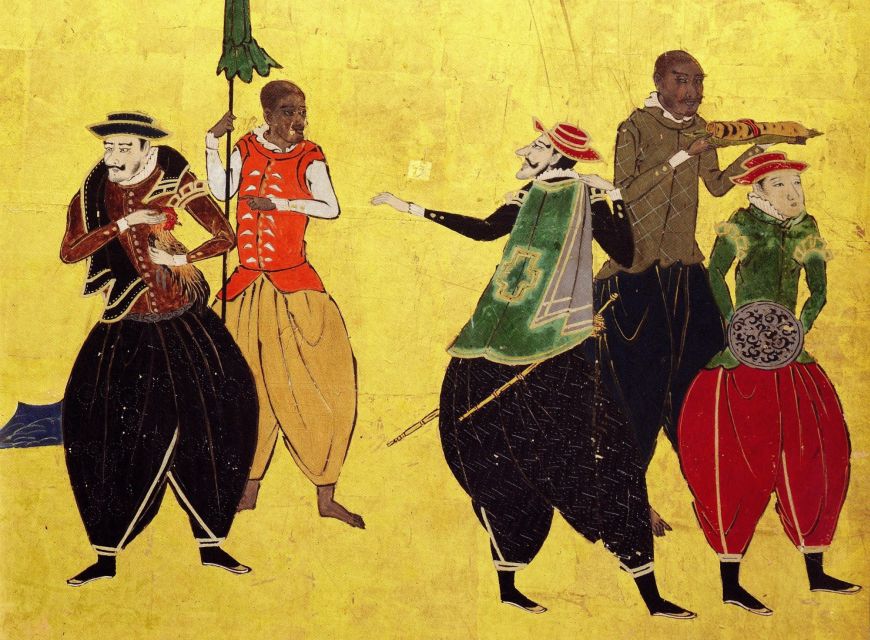
This is the kind of tour that makes Lisbon feel real, not just pretty. The route is designed so you can look at the same streets and squares you’d normally photograph, then understand what power, trade, and profit built the city’s story. The big idea is simple: Portugal’s development in the Age of Discovery is inseparable from slavery and the Atlantic slave trade.
You’ll focus on how Lisbon changed as that trade grew, and you’ll trace it through multiple angles. The tour doesn’t treat slavery as a distant chapter. It connects it to institutions, everyday life, and the global system that moved people from Africa to the Americas. Expect conversations that cover why it started in the Iberian peninsula, how the Atlantic slave trade was born, and how the consequences kept echoing for four centuries.
If you’re the type who likes to understand what you’re walking past, this tour pays off fast. You’ll leave with more than names and dates. You’ll have a framework for reading Lisbon.
Meet Rui Fernandes, the Guide Who Turns Streets Into Evidence
Rui Fernandes is the heart of this experience, and that’s not hype. His background and delivery come through in the way the tour is paced and explained. He’s known for speaking in clear English, answering questions during the walk, and keeping the group moving without rushing.
Several details make a difference for you on the ground. He tends to remember names, which helps a small group feel more like a conversation than a lecture. He also creates space for questions, so if you’re trying to connect Lisbon to global history, you can get straight answers instead of guessing later at a museum.
The other practical point is comfort. People highlight how he manages the pace and helps keep the walk reasonable. You’ll still walk for three hours, but it’s not set up as a grind. It’s designed for clarity, with built-in moments for the group to reset.
Largo do Chafariz de Dentro to Alfama: Reading Lisbon’s Oldest District

Your meeting point is Largo do Chafariz de Dentro. From there, the tour heads into the older heart of the city, including Alfama, Lisbon’s oldest district. This matters because Alfama’s street pattern, buildings, and history make it easier to understand how long-lived places hold onto memory.
As you walk, you’re guided through back streets and main avenues with an eye for connections to the slave trade. You’ll hear how street names, building features, earlier uses of current grand structures, and the locations of monuments and churches can all point back to Portugal’s role in the system. The goal is not to turn Lisbon into a crime scene. It’s to help you see the layers that are easy to miss when you only focus on architecture.
One reason this approach works is that you can test your understanding as you go. You hear a concept, then you look at something in front of you that supports it. That connection between story and setting helps the history stick.
A small drawback to note: because the topic is so serious, you may want to mentally prepare for how the tour frames the city. Even if the streets are beautiful, the meaning isn’t neutral.
Portugal, Prince Henry, and the Birth of the Atlantic Slave Trade
The tour’s historical backbone starts in the early 15th century. You’ll learn how Portugal, under Prince Henry the Navigator, began what’s now referred to as the Atlantic slave trade. The numbers in the tour narrative are sobering: between 12 to 14 million Africans were sold into slavery and taken across the ocean to the Americas. And the whole system lasted for about four centuries.
This section is valuable because it explains the logic behind the timeline. Instead of treating slave trading as an isolated atrocity, you’ll see it as an evolving project tied to European maritime power, political decisions, and economic incentives. The tour also covers the genesis of slavery in the Iberian peninsula, showing how earlier conditions helped set the stage.
Here’s what I like about how this is handled for you as a visitor. It doesn’t ask you to memorize everything. It builds a chain of cause and effect that you can carry into your other Lisbon stops. When you visit monuments or read plaques later, you’re more likely to ask the right question: who benefited from this, and how?
The tone is serious, but the way it’s taught aims to be clear. You should be able to follow the storyline even if your prior knowledge is limited.
More of pre-earthquake Lisbon, where it survives:




Brazil, Daily Life, and the Economics Behind the Cruelty
After the early origins, the tour shifts toward how this trade shaped day-to-day realities, including what life could look like for enslaved people in historical Lisbon. This is where the tour becomes more than political history. You’ll connect the trade to human experience and the practical workings of the system.
An important theme is Brazil. You’ll hear why Brazil mattered so much to the Atlantic system and how it tied back to Portuguese interests. This part helps you understand why Lisbon’s role grew, because the profits and demand were not abstract. They were connected to labor, goods, and Atlantic routes.
The tour also addresses the economics behind the cruelty. That’s a key point for your “value per hour” as a traveler. A lot of history tours present morality, then stop. This one keeps going, asking how institutions and incentives made slavery durable over time.
From there, the route continues through Lisbon’s visible landmarks, including monuments, churches, and public squares tied to the story. You’re taught to recognize how public space and religious sites could exist alongside systems of human exploitation.
One more plus: you’re encouraged to ask questions. If you want clarification on terms, on timelines, or on how Portugal’s role differs from other European powers, this is the moment to get it in plain language rather than leaving you with a half-formed understanding.
From Abolition to Resistance: Portugal, Africa, and Liberation Struggles
You’ll also cover abolition and what changed in Portugal. That’s a big deal because abolition is often told like a clean ending. Here, you get the messier reality: trade ending doesn’t erase the structures built around it.
The tour discusses the importance of Portuguese colonies in Africa, then moves into the struggle for liberation by African nationalists. This is another reason the tour feels rare. Many sightseeing tours treat slavery as past-tense tragedy only. This one connects the history to resistance and ongoing political struggle, which helps you understand the long aftermath.
If you’re trying to be a responsible traveler, this section helps. It encourages you to look at Portugal’s cultural heritage with clearer eyes, without getting trapped in denial. You’ll come away with a better sense of why the topic is still sensitive and why it matters now.
The practical side stays in place too. The walking route helps you absorb the story at a manageable pace, and the guide keeps the flow understandable even when the subject gets difficult.
What the Coffee and Bathroom Breaks Do for the Pace
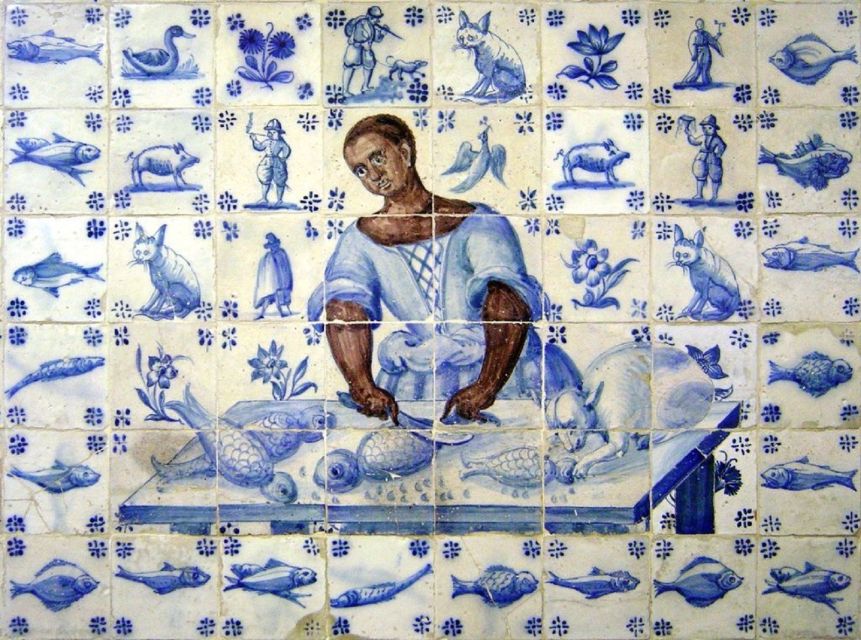
This tour lasts 3 hours, and it includes one coffee and one WC break. That small detail is bigger than it sounds. It keeps the group fresh, especially in Lisbon where the weather can get warm, and where walking on cobbles can tire you even if the route is not steep.
People also mention the shade and comfort management during hotter days. That tells you how the guide thinks about the experience, not just the content. If you’re traveling with someone who gets restless or tired, a planned break is a real gift.
You should wear comfortable shoes. Even when a route is mostly flat or has minimal inclines, Lisbon’s streets are often uneven. The tour is designed to be walkable, but it’s still Lisbon underfoot.
Bottom line: this is not a marathon. The breaks help the history land, because you’re not negotiating fatigue while you’re trying to absorb hard facts.
Is $35 a Good Deal? Small Group Value for a Hard Topic
At $35 per person, this is priced like a standard guided walking tour in Lisbon. The reason it can still feel like good value is what you get for that time.
First, it’s a specialized topic. Portugal’s connection to the Atlantic slave trade is not something most city-center tours spend real time on. Second, the guide’s background, the small group size, and the question-friendly format all multiply the learning per minute.
A third value factor is the “on foot” format. You’re not just sitting in one spot. You’re walking through parts of the city center and older districts and learning how the built environment relates to the story. That combination is efficient. It gives you both context and a mental map for what to notice later.
Would it be overpriced for someone who only wants a quick overview and then moves on? It could be. But for you if you like history that changes how you see a place, it’s a strong deal.
Who This Walk Fits Best (and When to Skip It)
This is a great match if you fall into any of these categories:
- You want to understand Lisbon beyond postcard stories.
- You enjoy history connected to economics and political decisions, not just dates.
- You like tours where you can ask direct questions.
- You care about how global events connect back to local streets and institutions.
It’s also a good option for people who want a slower, more thoughtful walking pace. The small group helps here, and the route is described as mostly flat with minimal inclines, which makes it friendlier than many old-city walks.
When might you skip it? If you’re looking for a purely scenic afternoon, this won’t be what you came for. Also, if heavy historical topics are hard for you right now, you may prefer to start with a lighter orientation tour and add this later in your trip when you feel emotionally ready.
Should You Book This 3-Hour Lisbon Slave Trade Walk?
I’d book it if you want Lisbon to make sense as a city shaped by power and trade, not just art and viewpoints. The small group size, the guide’s focus on history, political science, and economics, and the way the tour uses Lisbon’s actual streets and landmarks all point to a strong learning experience.
You should also book it if you want the kind of history that helps you travel with more honesty. This walk gives you context you can carry into museums, conversations, and even your own reading of Portugal’s heritage.
One final nudge: go in with comfortable shoes, mental openness, and room for questions. If you do that, this 3-hour walk can change how you understand Lisbon in a way a standard tour rarely does.
FAQ
How long is the Lisbon 3-Hour The Slave Trade walking tour?
It runs for 3 hours.
Where do I meet the guide?
Meet at Largo do Chafariz de Dentro.
What is the price per person?
The price is $35 per person.
What language is the tour offered in?
The tour is English.
How big is the group?
It is a small group with a maximum of 6 participants.
Does the tour include breaks?
Yes. It includes one coffee break and one WC (bathroom) break.
Is hotel pickup or drop-off included?
No. Hotel pickup and hotel drop-off are not included.
What should I bring?
Bring comfortable shoes.
Are pets allowed on this walking tour?
No, pets are not allowed.
Can I cancel if my plans change?
Yes. There is free cancellation up to 24 hours in advance for a full refund.
Fresh across the seven hills
- Full-day Private Tour: Fátima Sanctuary, Batalha, Nazaré, Óbidos
★ 5.0 · 6 reviews - Porto Private Tour from Lisbon
★ 4.5 · 6 reviews - VIP transfer from the airport to Lisbon hotels
★ 5.0 · 6 reviews - Lisbon: Romantic Sunset Cruise With Wine & Portuguese Tapas
★ 5.0 · 6 reviews - Arrábida Wine Tour – 3 Wineries, Traditions & Views from Lisbon
★ 4.5 · 6 reviews - Lisbon Photoshoot: Capture Your Adventure
★ 5.0 · 6 reviews - Lisbon: Sintra, Pena Palace, Belém Tour + sunset Boat Cruise
★ 5.0 · 6 reviews
Historical Tours, compared.

Daytime or Sunset Boat Cruise with History and Wine
Read our review →
Explore Lisbon by Tuk Tuk: History and Viewpoints
Read our review →
Private Tuk Tuk Tour Through Lisbon’s Historical Streets
Read our review →
Lisbon Sunset Sailing with Portuguese Wine and History
Read our review →
Live Fado Show in Historic Alfama with Port Wine
Read our review →
Private Lisbon-Arrábida Wine Tour: 3 Wineries, Coast & Heritage
Read our review →
Browse the lists this tour appears in