
Reviewed · JERóNIMOS MONASTERY TOURS
Lisbon: Jerónimos Monastery Entrance Ticket
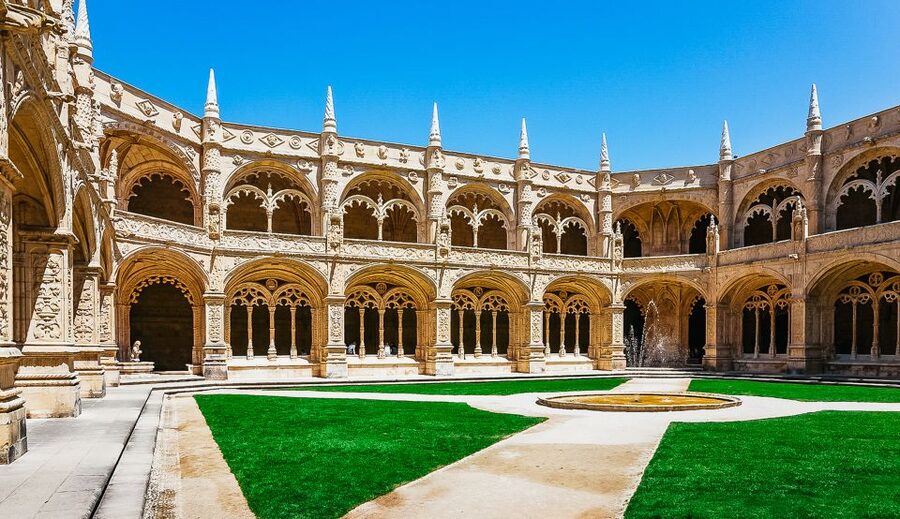
Jerónimos Monastery feels like stone that learned to sparkle. With a ticket in hand, you get into one of Lisbon’s biggest UNESCO landmarks fast enough to enjoy the Manueline architecture and the calm beauty by the Tagus. I like that the visit also centers on Portuguese icons, including Vasco da Gama in the church.
The main thing to plan for is the line. Even with an advance ticket, you may still stand in a long queue in the open air, and on hot days that can turn your afternoon into an outdoor waiting game.
In This Review
- Key highlights you will actually notice
- Jerónimos Monastery, the UNESCO stop that anchors Belém
- Manueline architecture, what to look for when you step inside
- What your entrance ticket actually covers, and what to expect
- The Vasco da Gama and Luís de Camões moments
- Lines and timing, how to avoid losing your whole afternoon
- Inside the cloister, how to pace yourself like a pro
- Price and value for a $21 entrance ticket
- Getting the most out of your self-guided visit
- Should you book the Jerónimos Monastery entrance ticket?
- FAQ
- How long is the Jerónimos Monastery entrance ticket valid?
- Do I get a guide with this entrance ticket?
- Where do I show my booking voucher?
- What are the opening hours for the cloister and church?
- Is the monastery wheelchair accessible?
- When is the monastery closed?
Key highlights you will actually notice
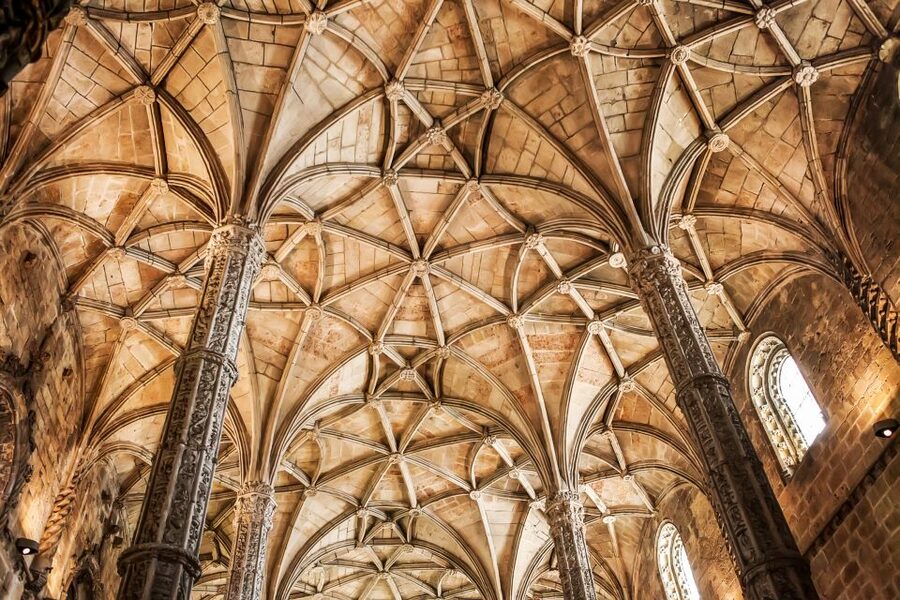
- Manueline, Portuguese Late Gothic details: look up, the carvings are the whole point.
- UNESCO World Heritage context: this isn’t just a pretty building, it ties to Portuguese faith and power.
- Vasco da Gama and Luís de Camões: explorer and poet are built into the experience.
- Self-guided entry: you have access, but no on-site guide explains the story for you.
- Two practical queues: the church and the monastery areas can route you into different lines.
- Restoration can affect access: parts may be limited depending on what is under repair.
Other visits to the Jeronimos cloisters:
- Lisbon: Jerónimos Monastery E-Ticket and Audio Guide★ 3.7 · 660 reviews
- Lisbon: Belém Walking Tour with Jerónimos Monastery Ticket★ 4.9 · 637 reviews
- Lisbon: Belem Walking Tour with Jeronimos Monastery Ticket★ 4.7 · 490 reviews
- Lisbon: Belem, Jeronimos Monastery, and Coach Museum Tour★ 4.8 · 478 reviews
Jerónimos Monastery, the UNESCO stop that anchors Belém
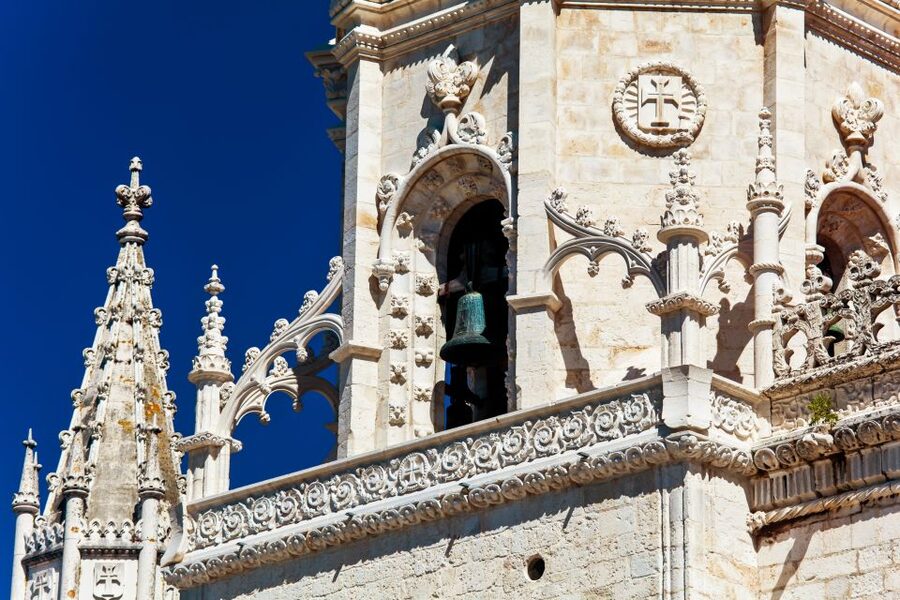
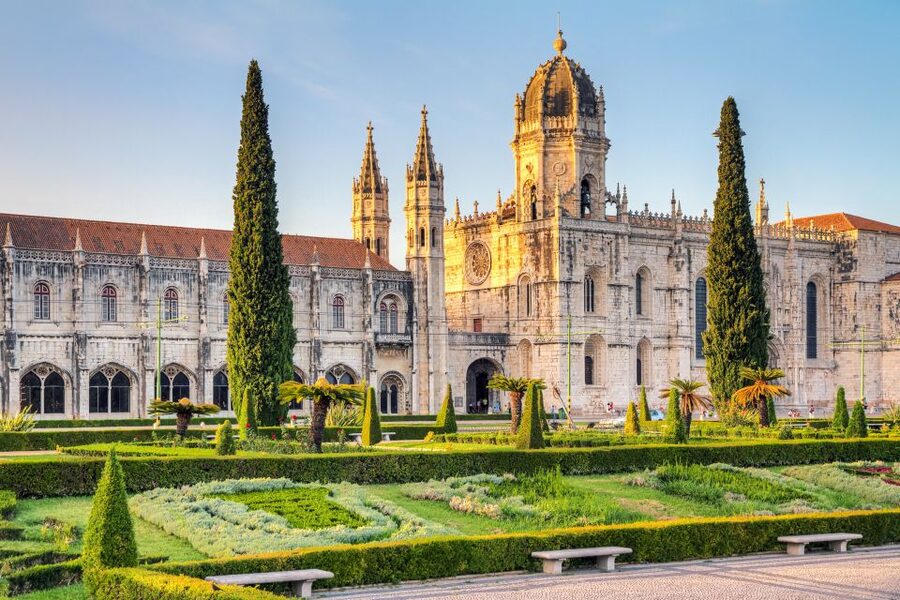
Jerónimos Monastery sits right by the Tagus River in Belém, and that location matters. This is a place tied to Portugal’s overseas era, when maritime ambition, religious devotion, and national pride all got stitched into architecture. King Manuel I commissioned the monastery in 1496, and the timing is part of why it feels so heavy with meaning.
You’re walking into a national monument classified as a UNESCO World Heritage Site, and you can feel that in how it is designed to impress. The building was commissioned for devotion to Our Lady and faith in St. Jerome, and it later became strongly linked to Portuguese identity. The “Jerónimos” name comes from the monastery’s association with the Order of St. Jerome, which took it on after it was donated to the monks.
One useful way to frame your visit: treat this as two things at once. Yes, it is an architectural masterpiece. It is also a cultural landmark that helped Portugal narrate its own story for centuries.
Manueline architecture, what to look for when you step inside
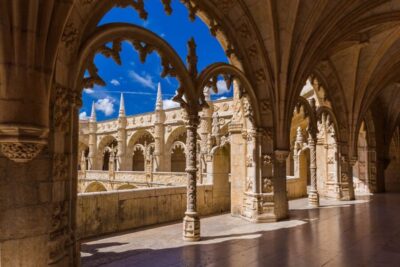
If you like architecture, this is one of Lisbon’s best returns on your time. The monastery is famous for its Manueline style, also called Portuguese Late Gothic, and the visual effect is immediate. You will see stonework with a mix of ornate forms that feel almost nautical and theatrical, which makes sense given Portugal’s seafaring legacy.
Start with the broad shapes first, then go closer. The cloister areas let you take in the rhythm of the columns and arches, and the details reward slower walking. Many visitors focus on photos, but I recommend you also pause just long enough to notice texture, not only sculpture.
Inside, you are not touring a museum room full of objects. You are touring space, light, and craftsmanship. That is why people often say the monastery can be visited in about an hour and a half, even though it is huge in reputation. There are fewer “display items” than you might expect, so your attention has to go into the building itself.
Also keep in mind what you might miss if access is restricted. Some days, restoration can mean parts of the church are closed or limited, which changes the feel of the visit. The good news is that the cloister and key areas typically still give you that signature experience of Manueline stonework.
What your entrance ticket actually covers, and what to expect
This is an entry ticket, not a guided tour. That is important because you will not have a guide standing there explaining what you are seeing. You get the chance to explore on your own, at your own pace, and that can be great if you like to wander. It can also be frustrating if you expected a running commentary.
You do have set opening hours to work with. The cloister is open Tuesday to Sunday from 9:30 AM to 5:30 PM, with the last entry at 5:00 PM. The church is open Tuesday to Saturday 10:30 AM to 5:00 PM, and Sundays plus religious holidays 2:00 PM to 5:00 PM.
There are also days when the site is closed, and you should check before you commit. The monastery is closed on Mondays, and it is also closed on January 1, Easter Sunday, May 1, June 13, and June 25.
Access details matter too. It is wheelchair accessible, but not every space is equal for reduced mobility. Only the church and Lower Cloister are accessible to people with reduced mobility. If you are planning around accessibility needs, build your day around those areas.
One more reality check: the monastery can look calm once you are inside, but getting in can be the part that costs you time. Expect lines, expect some waiting in the sun, and then plan to relax once you finally step into the cloister.
The Vasco da Gama and Luís de Camões moments
Portugal’s big names are woven into Jerónimos in a way that feels deliberate. The monastery is tied to Vasco da Gama and the poet Luís de Camões, both mentioned as monuments you can visit as part of your time there. If you care about Portuguese literature and exploration, this is where those interests meet.
One of the most moving parts for many visitors is the tomb of Vasco de Gama inside the church. That alone is a good reason to prioritize time for the church opening hours, but only if it is open on your visit date. If the church is limited due to restoration, your experience will be more focused on the cloister and exterior-like interior spaces, which is still beautiful, just different.
Luís de Camões is another figure you will want to connect mentally to what you see. A monastery like this is not only religious architecture. It is a national stage, and these monuments help explain why the building became such a big part of Portuguese identity and culture.
If you come in knowing little beyond the names, you can still get a lot out of the place. Just be ready for a self-guided experience. I’d suggest giving yourself 10 minutes before you enter to decide what you want to look for, Vasco’s tomb, key carvings, and the cloister views, so you do not spend your visit wandering without a goal.
Some other seven-hills days worth pricing up




Lines and timing, how to avoid losing your whole afternoon
Let’s be honest: you should expect a wait. Even people with pre-booked tickets can face long lines, and on busy days the wait can stretch. Some visitors report around 30 minutes, while others describe waits closer to an hour or more, and on very crowded days it can climb higher.
The tricky part is that queue areas can have little or no shade. On warm afternoons, that waiting time can feel longer than the clock says. So pack like you are going to wait outside. Bring water, wear a hat, and if you are heat-sensitive, consider sun protection like an umbrella.
Timing also changes the odds. You are more likely to get a calmer experience earlier in the day, and some people find weekday afternoons quieter. If you have flexibility, aim for a time that helps you avoid the peak arrival waves.
There is another practical tip that helps a lot. The flow into the monastery can split, with one line for the church area and another line for the monastery or cloister area. In plain terms: stand in the right line, or you will lose time correcting it. Signs may not always be obvious, so follow the routing that matches the area you plan to see first.
Once you are through the entrance, the vibe often shifts. Some visitors note that the site meters entry, which helps prevent the cloister from feeling completely packed. You still get crowds, but you are not always in a full crush.
Inside the cloister, how to pace yourself like a pro
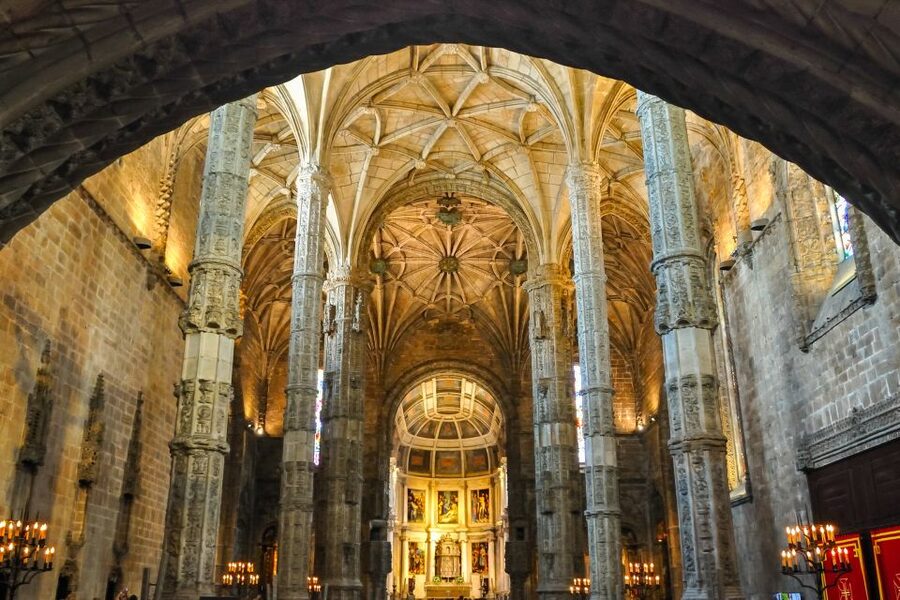
Inside, the monastery rewards attention and patience. A lot of the visitor experience is simply walking, looking up, and then coming back to the same spot for a different angle. The cloisters are designed for that kind of slow viewing, and you should use them that way.
Plan for the fact that there is not a massive number of indoor rooms or exhibits. Many people end up spending about an hour and a half when they focus on the key areas. That works well if you pair Jerónimos with other Belém stops, because you are not committing yourself to an all-day museum marathon.
If your goal is photography, give yourself time to stop for the best views from within the cloister and around the church area, but also remember other people are trying to do the same. Keep your camera habits considerate and you will spend less time feeling rushed.
Also, there is a practical comfort detail worth planning around. The weather outside can be intense, but once inside it can feel cooler. Many visitors also like to cool off afterward, with a park across from the monastery being a convenient place to reset.
Price and value for a $21 entrance ticket
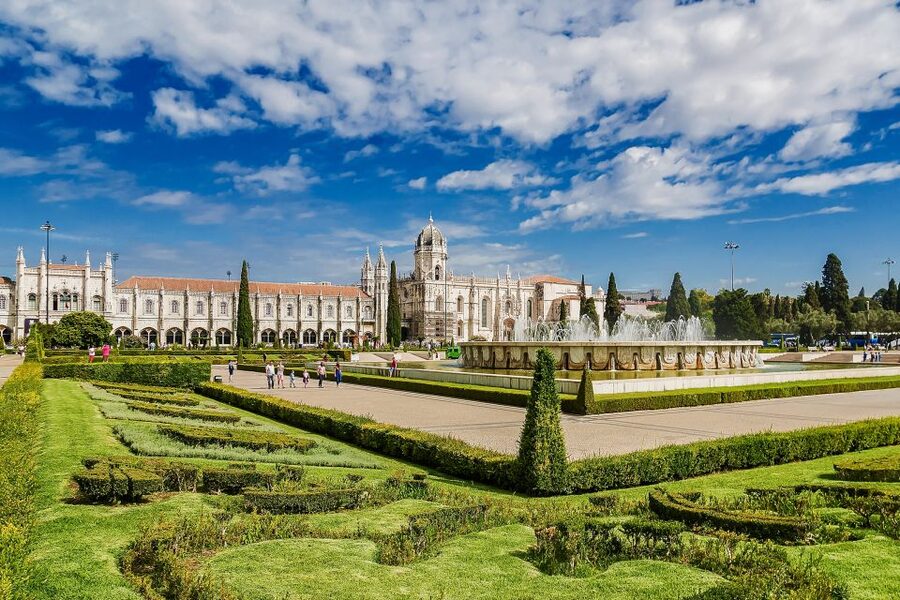
The ticket price is listed at about $21 per person. For a UNESCO monument in Lisbon, that is not surprising. But here is the value question you should ask: is this ticket buying you time, access, or context?
It buys you access. It does not buy you a guide. That’s why the ticket can feel like a fair deal if you already love architecture, history, or religious art, and you do not mind exploring on your own. It can feel overpriced if you wanted someone to walk you through what you are looking at.
There’s also the waiting factor. If you end up standing in a long line, the ticket still gets you in, but it does not always erase the outdoor delay. Some visitors specifically find that there is no true skip-the-line experience unless you add a guided option elsewhere. So treat this as an entry ticket that reduces hassle, not a magic wand that removes waiting.
One more value angle: if you are a resident of Portugal, admission can be free on Sundays and holidays and on the first Sunday of every month. If that applies to you, the $21 comparison shifts a lot.
So, who gets the best value? I think the best match is someone who:
- Wants a high-impact architectural stop
- Enjoys self-guided wandering
- Wants to include Vasco da Gama and key Portuguese identity moments
- Has a half to two-hour window and wants it to count
Getting the most out of your self-guided visit
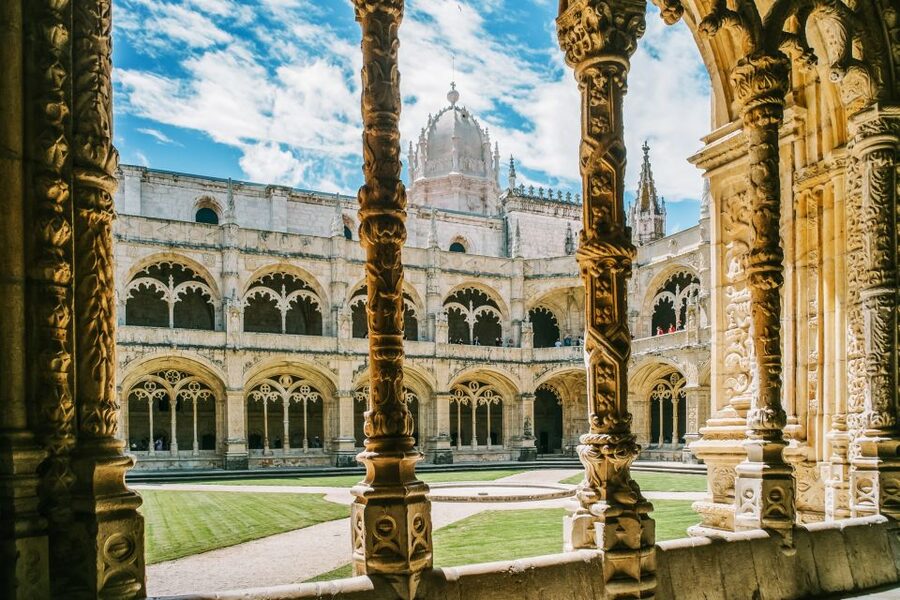
Because there is no guide on site with your ticket, your experience depends on how you steer it. You can fix that with small choices.
First, decide what you care about most before you join the line. Pick two priorities, for example, the Manueline cloister details and the church area with Vasco de Gama. Then you can pace yourself without drifting.
Second, work with the opening hours instead of against them. The church has different hours on Sundays and religious holidays, and being late might mean you miss the part people care about most. If the church is important to you, start with it.
Third, plan for possible limitations. Restoration can affect what is open, and your visit might be adjusted compared to a full access day. The cloister and key architecture can still be a strong visit even if a room or section is restricted.
Finally, think about the day around your visit. You are going to step into one of the biggest “Portugal identity” sites in Lisbon, then you may want a calmer buffer afterward. The park across from the monastery is a simple way to keep the day pleasant instead of rushing right back into more crowds.
Should you book the Jerónimos Monastery entrance ticket?
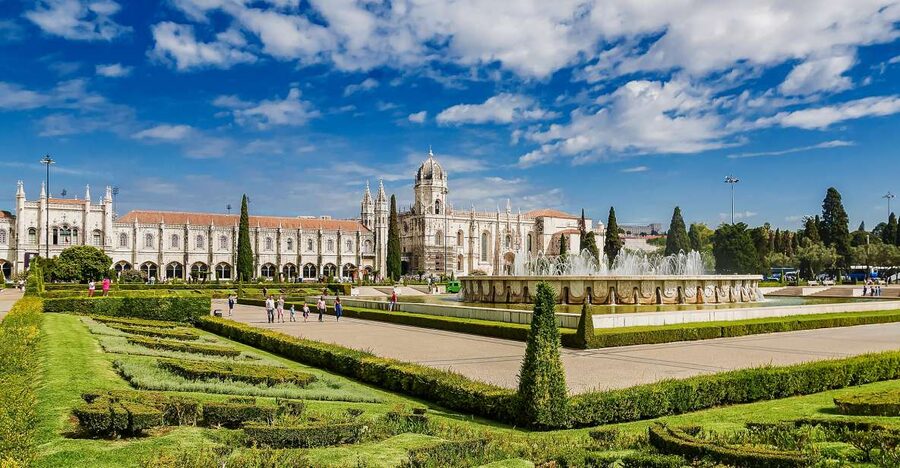
I think you should book this ticket if you want a top-tier Lisbon architecture experience and you are comfortable exploring on your own. At $21, it makes sense when you treat it as access to a UNESCO landmark, not as a guided learning experience. The payoff is strong if you care about Manueline details, Portuguese national symbols, and the significance of Vasco da Gama and Luís de Camões.
Skip or reconsider if you are mainly looking for someone to explain everything as you go. Because this is a self-guided entry, your experience will depend more on your curiosity than on the ticket itself. Also reconsider if you cannot handle outdoor waiting, since queues can be long and there may be little shade while you wait.
If you are flexible on timing, bring sun protection, and choose a slot that fits church access if you care about Vasco de Gama, this can be one of the most satisfying stops in Lisbon’s Belém area.
FAQ
How long is the Jerónimos Monastery entrance ticket valid?
Your ticket is valid for 1 day. You will need to check availability to see the starting times when booking.
Do I get a guide with this entrance ticket?
No. This is an entry ticket, and there will be no guide present during your visit.
Where do I show my booking voucher?
Bring the PDF voucher from your booking confirmation email and present it at the entrance of the monastery.
What are the opening hours for the cloister and church?
The cloister is open Tuesday to Sunday from 9:30 AM to 5:30 PM, with last entry at 5:00 PM. The church is open Tuesday to Saturday from 10:30 AM to 5:00 PM, and Sundays plus religious holidays from 2:00 PM to 5:00 PM.
Is the monastery wheelchair accessible?
Yes, it is wheelchair accessible. However, only the church and Lower Cloister are accessible for those with reduced mobility.
When is the monastery closed?
It is closed on Mondays, and also closed on January 1, Easter Sunday, May 1, June 13, and June 25.
Fresh across the seven hills
- Porto Private Tour from Lisbon
★ 4.5 · 6 reviews - VIP transfer from the airport to Lisbon hotels
★ 5.0 · 6 reviews - Full-day Private Tour: Fátima Sanctuary, Batalha, Nazaré, Óbidos
★ 5.0 · 6 reviews - Lisbon Photoshoot: Capture Your Adventure
★ 5.0 · 6 reviews - Lisbon: Romantic Sunset Cruise With Wine & Portuguese Tapas
★ 5.0 · 6 reviews - Arrábida Wine Tour – 3 Wineries, Traditions & Views from Lisbon
★ 4.5 · 6 reviews - Lisbon: Sintra, Pena Palace, Belém Tour + sunset Boat Cruise
★ 5.0 · 6 reviews
Jerónimos Monastery Tours, compared.
Belém Walking Tour with Jerónimos Monastery Ticket
Read our review →Belem Walking Tour with Jeronimos Monastery Ticket
Read our review →
Belem, Jeronimos Monastery, and Coach Museum Tour
Read our review →
Belem and Jeronimos Monastery Guided Small Group Walking Tour
Read our review →
Belém Tour: Jerónimos Cloisters + Pastel Tasting
Read our review →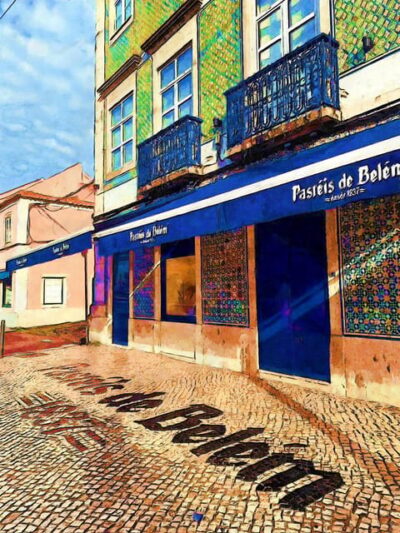
Belem Walking Tour with Jeronimos Monastery Entry
Read our review →
Belem Walking Tour with Pastéis Tasting and Jerónimos Monastery
Read our review →Browse the lists this tour appears in