
Reviewed · FOOD & DRINK
Lisbon Original Morning Food Tour by Food Lover Tour
Lisbon in the morning has a special smell. This 3 hour food tour turns breakfast into a real plan, with enough samples to feel like a full meal, plus a walk through neighborhoods many visitors never see. I love the mix of markets, artisan sweets, and local tascas, and I also like that the group stays small (max 10) so your guide can steer you toward the right bites. One caution: it’s marketed as no climb, but one person noted steep stairs at the final restaurant stop.
I also like how the tour builds context as you eat. You’ll get a historical and architectural morning stroll, plus a look at where locals go, including the area with pink trees and names of revolutionaries.
Finally, the pacing is practical: you start at 10:00 am at Jardim da Parada, and you end back there, with 4 to 5 stops along the way. It’s English-led, mobile-ticket friendly, and timed so you can still enjoy the rest of your day after brunch-like tastings.
In This Review
- Key highlights I’d circle on your Lisbon schedule
- Why a Lisbon morning food tour makes sense
- Value and price: what you get for $83.87
- Meeting at Jardim da Parada, then walking where Lisbon actually eats
- Stop 1: Basilica da Estrela sets the tone
- The tasting plan: breakfast, petiscos, and port wine
- Local breakfast that actually feels local
- Petiscos tasting with wine and beer pairing
- Port wine tasting as the sweet ending
- Market time: seeing the real supply chain
- Coffee, artisan sweets, and tascas: the Lisbon morning rhythm
- The no-climb promise, plus the one practical warning
- Group size and guide style: why it feels personal
- How to get the most out of the tour
- Who should book this Lisbon Original Morning Food Tour
- Should you book it? My straight answer
Key highlights I’d circle on your Lisbon schedule
- 4 to 5 stops, morning-only food focus that’s designed to show how a Portuguese breakfast day actually works
- Enough tastings for a full meal, not a few token bites
- Petiscos at local spots with beer and wine pairings that make the flavors click
- Coffee and artisan sweets boutiques plus market time, so you cover both savory and sweet
- Small group size (max 10), which helps you ask questions and get personalized guidance
- Guides like Enrique, Alayna, Illana, and Henriques are frequently mentioned for friendly, helpful storytelling
More Lisbon tascas, ginjinha counters and cellars:
- Winner 2025 Undiscovered Lisbon Food & Wine Tour by Eating Europe★ 5.0 · 6,390 reviews
- Lisbon: Food and Wine Small Group Walking Tour★ 4.9 · 4,082 reviews
- Lisbon Small-Group Portuguese Food and Wine Tour★ 5.0 · 3,972 reviews
- Lisbon: Baixa District Food Tour with Dinner and Drinks★ 4.9 · 1,997 reviews
Why a Lisbon morning food tour makes sense
If you only do one food activity in Lisbon, a morning tour is smart. You beat the lunchtime crowds, you get the day’s first wave of energy, and the tastings feel grounded in everyday routine, not just tourist theater.
This tour is built around morning habits, not random stops. That matters because Portugal’s food culture is very tied to time of day: coffee and pastry routines, market browsing, then petiscos-style eating that stretches into lunch without feeling like a formal meal.
And you’re not doing it solo. With a small group and an English guide, you get help ordering, tasting, and understanding what you’re actually looking at.
Value and price: what you get for $83.87
At about $83.87 per person for roughly 3 hours, this is not a budget grab. But when you compare it to the cost of multiple separate meals plus guided storytelling, it starts to make sense.
Here’s the value math this tour is aiming for:
- A light local breakfast
- A market visit plus petiscos tastings
- Lunch tastings and an aperitif
- Coffee and/or tea
- Alcohol included, such as Portuguese wine, port wine, and beer
So you are paying for variety, logistics, and access. Instead of planning routes to markets, coffee shops, and tascas yourself, the guide strings it into one walk. Also, the tour avoids the “one bite, one photo” vibe by leaning into a meal worth of sampling.
One more practical angle: because it runs in the morning and wraps up the same place it starts, it’s easier to build the rest of your day.
Meeting at Jardim da Parada, then walking where Lisbon actually eats
The tour starts at 10:00 am at Jardim da Parada, R. Almeida e Sousa 27, 1350-169 Lisboa. It ends back at the meeting point, which is convenient if you’re using nearby public transport or planning a second stop after.
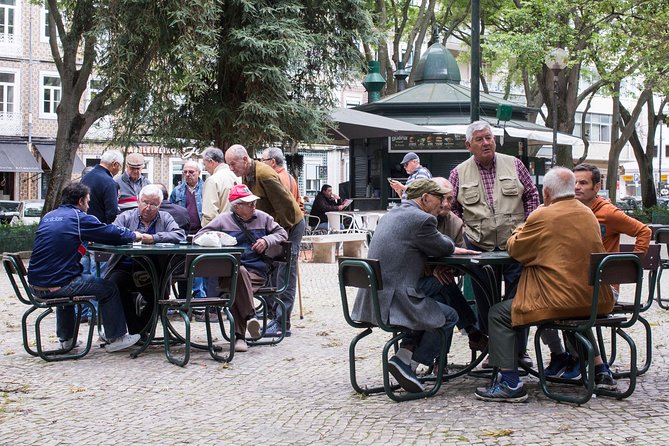
The walk route is described as historical and architectural, and that’s not just window dressing. Lisbon’s neighborhoods have their own rhythm, and the morning timing helps you feel it: shopkeepers setting up, people doing quick coffee runs, and locals snacking through the day.
One of the more distinctive details in the description is the tour’s focus on places completely unknown to tourists, including an area with pink trees and street names linked to revolutionaries. Even if you don’t know the political history, you’ll feel the atmosphere through the architecture and the local crowd patterns.
Stop 1: Basilica da Estrela sets the tone
You begin at Basilica da Estrela. Starting at a landmark like this does two things for you.
First, it anchors the walk in Lisbon’s real geography. You’re not wandering randomly with your stomach as the only compass.
Second, it signals that the tour is about more than food. You get the architectural and historical framing early, so when the eating starts, it feels tied to place instead of a checklist.
No climb is part of the promise for the walking route. Still, Lisbon is Lisbon: cobblestones and stairs exist. Keep that in mind, especially later in the tour.
Other Lisbon plates worth ordering twice:



The tasting plan: breakfast, petiscos, and port wine
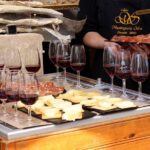
The tour is designed to cover a full eating arc in the morning, not just a snack crawl. The structure typically flows like this: breakfast first, then market and petiscos, then a lunch-and-aperitif finish.
Local breakfast that actually feels local
Your first food component is a light local breakfast. In Portugal, breakfast can be quick and sweet, or more substantial depending on the café. The tour’s approach gives you a taste of the everyday routine rather than a heavy meal that would slow you down for the walking.
This is a good setup if you’re the kind of traveler who likes to eat but also keeps moving. You start fed enough to enjoy the tastings without getting weighed down too early.
Petiscos tasting with wine and beer pairing
After breakfast, you head into the market visit and petiscos tasting portion. Petiscos are Portuguese small plates, and they’re a great way to sample without committing to one full dish.
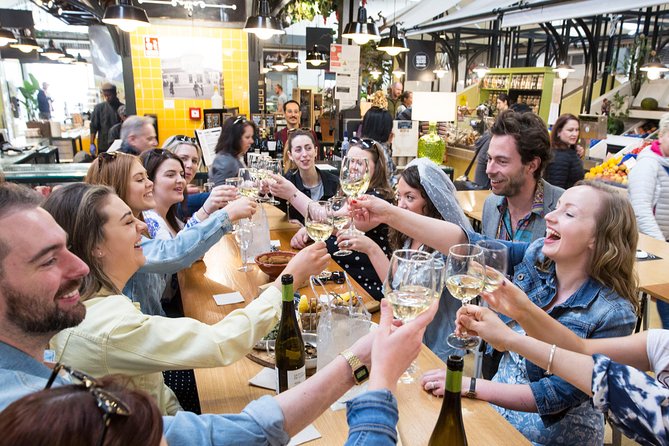
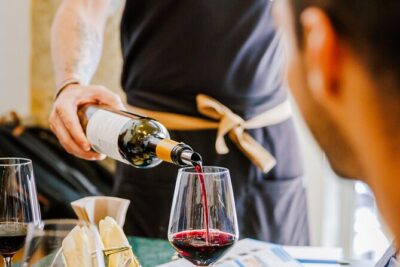
The tour includes wine and beer pairings, plus a variety of food tastings. That pairing detail matters because it helps you understand how Portuguese drinks are chosen for food, not just poured because alcohol is fun.
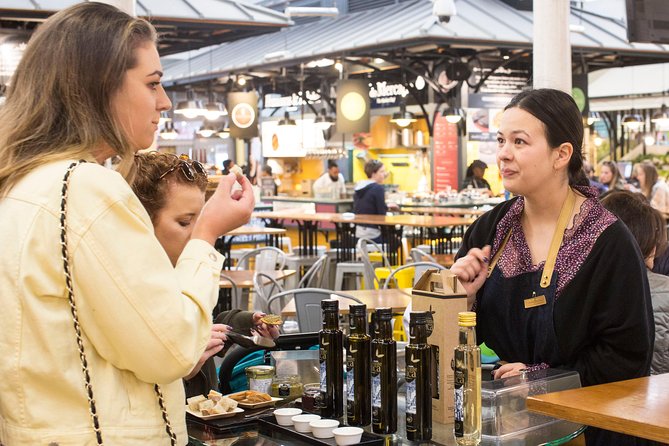
One tasting that people highlight is olive oil, described as mind blowing by at least one person. Even if you don’t know Portugal’s oil culture yet, a good tasting can make you rethink how something so simple can taste so different from brand to brand.
Port wine tasting as the sweet ending
For dessert and a finish, the menu calls out a port wine tasting. Port can be heavy or sweet depending on style, so tasting it during a food-focused morning makes sense. You’re already in the mode of small portions, so it works as a closing note rather than an overwhelming finale.
Market time: seeing the real supply chain
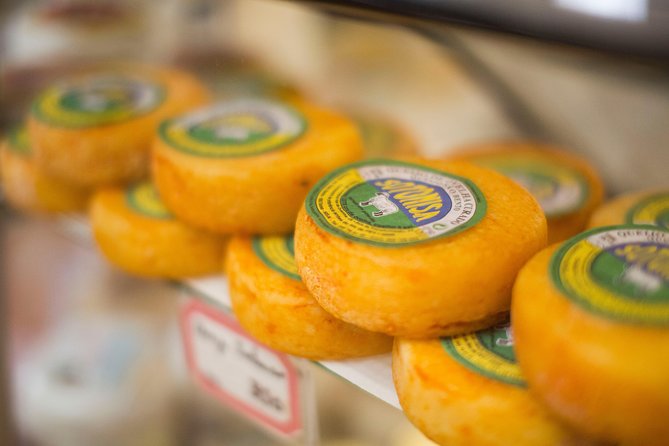
A market stop does more than add food. It gives you context.
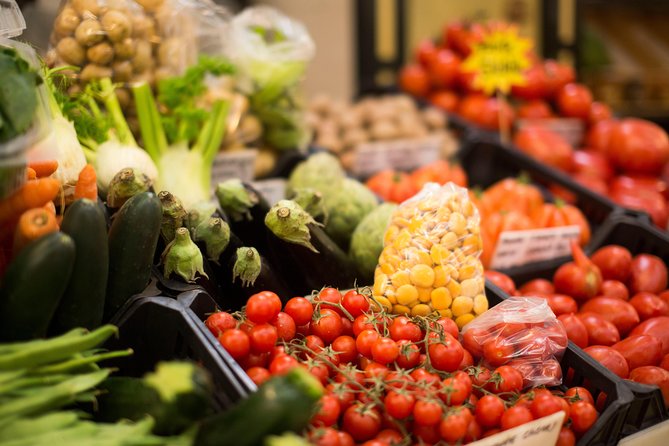
When you visit a market as part of a guided tour, you learn what locals look for, how ingredients are displayed, and what vendors treat as normal. You also get a shortcut: instead of wandering and guessing what to buy, you get guided sampling aligned with the rest of the morning.
This tour emphasizes that you’ll see traditional markets, local shops, and the kinds of places people use for daily eating. That’s valuable for travelers who want to leave with more than photos and a vague idea of Portuguese cuisine.
And because you’re sampling along the way, it’s easier to connect flavors to specific places you can recognize later when you’re on your own.
Coffee, artisan sweets, and tascas: the Lisbon morning rhythm
Lisbon has a sweet tooth reputation, but the key is that sweets are part of the morning culture, not just a dessert moment.
This tour leads you to the must-see coffee and artisan sweets boutiques, plus the most authentic and colorful markets and local tascas where people actually eat. That combination is a strong point because you get balance: savory petiscos, then coffee and sweets.
If you like the idea of eating in stages, this works well. You’re not stuck with one long meal. You keep walking, tasting, and resetting your palate.
Also, because the group stays small, you’re more likely to get helpful guidance like what to try first, how to pace the bites, and what the shopkeepers are known for.
The no-climb promise, plus the one practical warning
The tour is described as the only one without a climb. That’s great, especially if you’re planning around sore knees or you simply want a relaxed walk.
But here’s the practical caution: one participant flagged that the last restaurant stop had 23 very steep stairs. That doesn’t mean the entire tour is a ladder-like climb, but it does mean you should think ahead.
If stairs are a concern for you, I’d plan to bring it up with the operator before you go, especially if you have any mobility limits. Lisbon can throw curveballs, even when a tour is marketed as gentle.
Group size and guide style: why it feels personal
This is capped at a maximum of 10 travelers, and that’s not a small detail. Small groups change the whole feel of a food tour.
You can ask questions. You can adjust if you’re curious about something specific. And you’re less likely to get rushed through each stop like a conveyor belt.
The guide factor also comes through in the way the tour is described. Guides are said to be local experts who share stories of neighborhood life and food traditions. Names that show up in guide feedback include Enrique, Alayna, Illana, and Henriques, and the consistent thread is friendly, informed guidance that helps you find places you might not stumble on alone.
How to get the most out of the tour
This tour is built on appetite. That sounds obvious, but it affects how you plan your day.
- Skip a big breakfast before you go. The tour’s plan includes a light local breakfast, then more tastings, plus coffee and drinks.
- Bring comfortable shoes. You’re walking between stops, and Lisbon’s streets can be uneven.
- Go with a curious mindset. The point is to learn morning routines, not just to eat.
- Ask about what you’re seeing. You’ll get more from the market and tascas if you treat it like a mini lesson.
Also, if you’re a coffee and pastry lover, this is one of the more efficient ways to sample artisan sweets without hunting for them on your own.
Who should book this Lisbon Original Morning Food Tour
This tour is a strong fit if you:
- Want Portuguese morning food habits, not a generic tapas sampler
- Like small-group walking and you enjoy asking questions
- Prefer sampling across several places instead of ordering one big meal
- Want an on-foot neighborhood experience tied to history and local routines
It may be less ideal if:
- You have strict difficulty with stairs, since one stop was flagged for steep stairs
- You’re hunting for a high-end gourmet tasting menu style, because this is built on everyday local eating, petiscos, and market culture
Should you book it? My straight answer
Book this tour if you want a morning in Lisbon that feels practical and local, with enough tasting to satisfy you and storytelling that makes the food make sense. The mix of breakfast, market petiscos, and port wine tasting is exactly the kind of structure that saves you time while still feeling authentic.
I would think twice only if stairs are a major concern for you or you need fully step-free routing. If that’s your situation, check with the operator first and be honest about mobility needs.
If you’re flexible and you enjoy tasting as you walk, this is a very good use of a half-morning. It’s the kind of experience that can also help you understand where to eat later, after the tour ends.
Fresh across the seven hills
- Full-day Private Tour: Fátima Sanctuary, Batalha, Nazaré, Óbidos
★ 5.0 · 6 reviews - Porto Private Tour from Lisbon
★ 4.5 · 6 reviews - VIP transfer from the airport to Lisbon hotels
★ 5.0 · 6 reviews - Lisbon Photoshoot: Capture Your Adventure
★ 5.0 · 6 reviews - Lisbon: Romantic Sunset Cruise With Wine & Portuguese Tapas
★ 5.0 · 6 reviews - Arrábida Wine Tour – 3 Wineries, Traditions & Views from Lisbon
★ 4.5 · 6 reviews - Lisbon: Sintra, Pena Palace, Belém Tour + sunset Boat Cruise
★ 5.0 · 6 reviews
Food & Drink, compared.
Winner 2025 Undiscovered Lisbon Food & Wine Tour by Eating Europe
Read our review →
Lisbon Small-Group Portuguese Food and Wine Tour
Read our review →
Baixa District Food Tour with Dinner and Drinks
Read our review →
Lisbon Small-Group Food Tour with 18 Tastings in Alfama District
Read our review →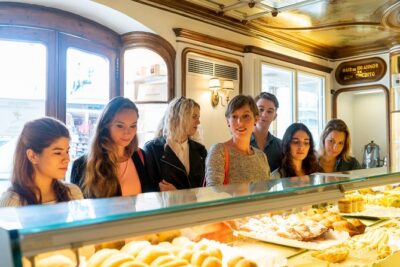
Devour Lisbon: The Ultimate Portuguese Food Tour
Read our review →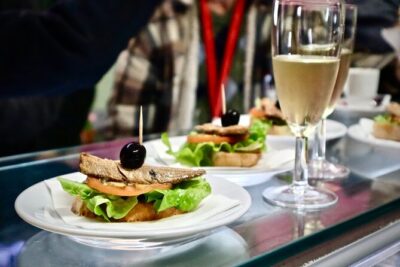
Lisbon Food Tour with 10+ Tastings of Local Delicacies & Wines
Read our review →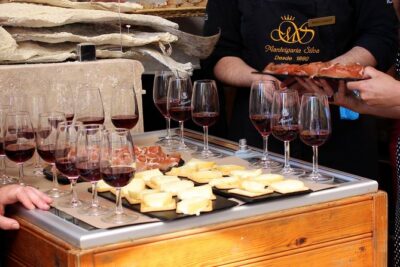
Award-Winning Original Lisbon Food Wine Tour: 19 Curated Tastings
Read our review →Browse the lists this tour appears in