
Reviewed · CITY TOURS
Lisbon Walking Tour – The Perfect Introduction to the City
This is the fastest way to get your bearings in Lisbon. You get a big-picture walk across downtown, packed with landmarks and stories that connect the city’s past to what you see today. I especially like how the tour uses key spots like Santa Justa and Carmo to explain Lisbon’s major turning points, including the 1755 earthquake.
Two things I like a lot: you start at the wide-open Praça do Comércio and build inward on foot, and you end with a chance to pay your guide what you feel is fair instead of stressing over a strict fixed price. One possible drawback is pacing. A few people noted guides talk fast, so if you struggle with accents or speed, choose a calm start and be ready to ask for slower repeats.
Expect about 2 hours 30 minutes of steady walking, in English, for small groups capped at 20. You will also get a mobile ticket, and if it rains, you are not trapped inside. The walk is designed to keep moving, so bring rain gear.
In This Review
- Key things that make this tour worth your time
- A first-day Lisbon walk that feels like a cheat code
- Where you meet at Praça do Comércio, and why that spot matters
- Baixa at street level, from Dom Pedro IV to Rua Augusta
- Santa Justa and the earthquake theme that sticks
- Carnation Revolution at Largo do Carmo, plus what you’ll learn from ruins
- Rossio, Chiado edges, and finishing near Praca Luis de Camões and Bairro Alto
- Price, tips, and the one detail you should plan for
- How to make the most of the walk on a real day
- Who should book this Lisbon walking tour, and who should skip it
- Should you book this Lisbon Walking Tour on your first day?
Key things that make this tour worth your time
- Small group feel (max 20), so you can actually hear the story and ask questions
- Orientation at Praça do Comércio, with clear meeting guidance near the big arch and the statue of D. Jose I
- The 1755 earthquake theme runs through the route, not just mentioned once and forgotten
- Carnation Revolution is tied to place, with Largo do Carmo as a real stop, not a trivia item
- Stop-by-stop walking through classic downtown Lisbon, from Rua Augusta to Rossio to Bairro Alto
- Affordable ticket plus optional tip, with multiple guides praised by name, including Tiago, Natalia, Walter, and Jose
More Lisbon miradouros linked on foot:
- Lisbon: History, Stories and Lifestyle Walking Tour★ 4.8 · 10,902 reviews
- Best of Lisbon Small-Group Guided Walking Tour★ 5.0 · 4,869 reviews
- Lisbon: Food and Wine Small Group Walking Tour★ 4.9 · 4,082 reviews
- Best of Lisbon Walking Tour: Rossio, Chiado & Alfama★ 4.9 · 2,700 reviews
A first-day Lisbon walk that feels like a cheat code
Lisbon is a city where neighborhoods matter. One hour in the wrong pocket and you can feel lost. This tour starts you at the edge of the downtown spine and walks you through the areas most first-timers want to understand, especially Baixa and Chiado. It is the kind of route that helps you later decide where to wander on your own.
The format is simple. About 2 hours 30 minutes, guided, in English, with a cap of 20 travelers. That small size matters because street noise can swallow a lecture. Here, you are not stuck listening from the back row the entire time.
Another practical plus is that you get a mobile ticket. You do not need to hunt for a printout, and the tour is built to run smoothly in a busy central area. Also, a number of guides are mentioned by name in feedback, including Tiago, Natalia, Walter, and Jose, and the common thread is storytelling that turns landmarks into something you can picture later.
Where you meet at Praça do Comércio, and why that spot matters
Your walk begins at Praça do Comércio, Lisbon’s huge riverside square. The meeting guidance is specific: look for your guide with an orange umbrella between the big arch and the statue in the middle. If you have ever struggled to find a tour group in a large plaza, this kind of pinpoint direction is a lifesaver.
You start with the Statue of D. Jose I, then move into the core square itself. This is not just a scenic opener. Praça do Comércio gives you scale. You see how Lisbon’s downtown opens outward, and you get a sense of where the main pedestrian flow heads next.
From there, you work through the downtown grid, passing major public spaces like Municipal Square (where the city hall sits). I like this approach because it prevents the classic first-day problem: taking photos in random spots without a mental map. Even if you only remember a few street names after, the route makes it easier to reconnect them during the rest of your trip.
Baixa at street level, from Dom Pedro IV to Rua Augusta
After Praça do Comércio, the walk moves into the places you will keep hearing about. Praca Dom Pedro IV is a key stop because it is one of Lisbon’s oldest squares and a natural hinge between areas. You are not just going to one landmark and leaving. You are moving along the historic street logic that shapes downtown life.
Then comes Rua Augusta, described as Lisbon’s most important street. This is where Lisbon starts to feel like Lisbon. It is a central artery for walking, lingering, and people-watching, and it is also where city energy becomes practical. When you know where Rua Augusta sits, you can later plan where you want to shop, eat, or simply roam.
A standout stop in this stretch is the Memorial as Vitimas do Massacre Judaico de 1506. It is a reminder that the city’s story includes forced violence and injustice, not only earthquakes and kings. For me, it is the kind of place that balances the postcard view with real human history.
You also visit Igreja de S Domingos, often praised for how impressive it is in person. If you like churches but get tired of name-only stops, this is a good fit because the guide can connect the building to the larger Lisbon narrative you are building as you walk.
Santa Justa and the earthquake theme that sticks
Lisbon’s big event is the Great Lisbon Earthquake of 1755, and this tour treats it like a through-line. One of the most memorable moments is the inclusion of Santa Justa Elevator. It is one of the city’s famous vertical landmarks in Europe, and it gives you an easy visual anchor. You can stand near it and understand why Lisbon later built a mix of showy structures and practical rebuilding.
Just as important is what happens around the earthquake story. You stop at Largo do Carmo, connected to the Carmo Church ruins. Ruins can feel like just another pile of stone until a guide ties them to why they were left visible. Here, the ruin setting is used to explain how Lisbon remembers shock and rebuilding.
Another key earthquake-related stop is Igreja de Sao Roque, noted as one of the few churches in Lisbon that survived the 1755 earthquake. This kind of “survivor landmark” changes how you experience the city. You are not only looking at what is new or what is restored. You also see what the city lost and what it protected, even in disaster.
I like that the tour does not leave the earthquake as a random paragraph of facts. The story keeps showing up as you walk, so it becomes part of your internal map. Later, when you see other damaged or rebuilt structures on your own, you will recognize the pattern.
Some other seven-hills days worth pricing up




Carnation Revolution at Largo do Carmo, plus what you’ll learn from ruins
Largo do Carmo is a powerful stop. It is where the Carnation Revolution took place, and it is also tied to the ruins of Carmo Church. That combination matters. In Lisbon, politics and architecture often sit in the same frame.
You can think of this stop in two layers. First, the square itself is a real geographic point in the city. Second, it is a reminder that street corners can be stage sets for history. When you visit it with a good guide, you start to notice the urban layout in a new way: where crowds could gather, where people could move, why a place could matter beyond its beauty.
In feedback, guides like Tiago are described as animated and passionate when explaining major turning points. Even when you already know the bare facts, having a guide put them into the physical setting helps you remember them. It turns names and dates into something you can point to.
Rossio, Chiado edges, and finishing near Praca Luis de Camões and Bairro Alto
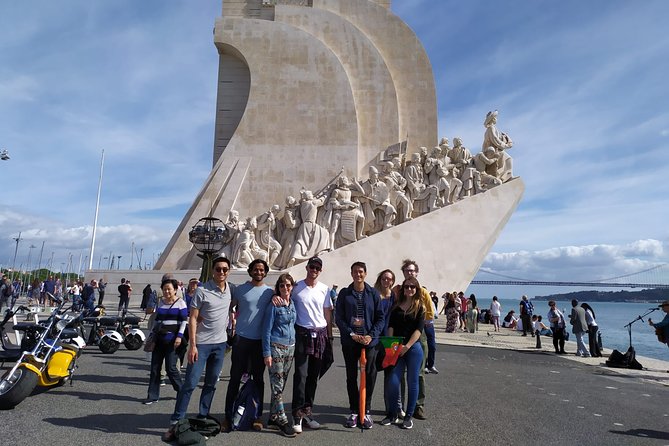
As the tour heads toward the end, it shifts toward how you will likely explore next. You pass Estacao do Rossio, the old central station. A station stop is more than a photo moment. It signals transit history and helps you understand how people moved through the city before modern routines took over.
Then you reach Praca Luis de Camoes, a landmark square that sets the stage for the final area. This is also where the tour ends, around Camões Square. The last stretch moves into Bairro Alto, Lisbon’s famous nightlife area. The point here is not to turn the tour into a club crawl. It is to show you where the energy shifts when the sun goes down, so you can plan your evening with confidence.
One smart value of finishing near these spots is practical. After a first-day orientation, you typically want a next step. Bairro Alto is one of the places people naturally gravitate toward, and having walked in and out of the downtown core, you will understand where it fits.
Price, tips, and the one detail you should plan for
The ticket price is listed at $1.25 per person, which is wildly low for a guided walk that covers so many recognizable stops. That kind of pricing usually means the experience depends on guide income being topped up at the end. Here, the tour explicitly says you can pay your guide whatever you see fit.
That flexible tip model is common on walking tours, and many guides get praised for it. Guides like Jose, Walter, and Natalia are described as energetic, engaging, and generous with practical advice, including inexpensive place suggestions and restaurant or viewpoint recommendations.
Still, there is one important consideration. One set of feedback flagged an awkward moment at the start when a guide explained expectations for a minimum tip amount. I cannot tell you how every departure runs, but you should know that the topic may come up early, and that can bother people who dislike being told what to pay.
My advice is simple: if you are okay with the pay-what-you-want spirit, great. If you prefer a totally fixed, no-discussion price, you might feel more comfortable choosing a tour with a set cost. Either way, bring small cash or be ready to tip in a way that feels fair to you.
How to make the most of the walk on a real day
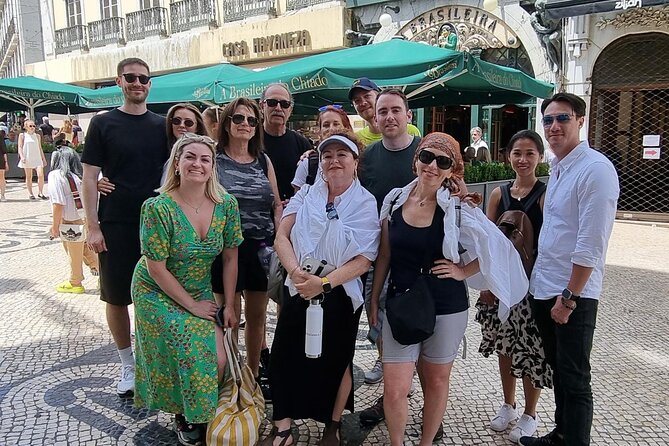
This is a walking tour, so wear comfortable shoes. That sounds obvious, but it is the difference between enjoying the route and resenting your feet by stop three.
Rain is another real factor. One review specifically points out the tour continued even with heavy rain, with about half the time spent pouring. The best takeaway: bring a poncho or umbrella so you can keep moving without turning your day into a soaked scramble.
Pacing is the other thing to watch. A couple people said the guide talked too quickly, while others praised clear storytelling and strong engagement. So if you are sensitive to fast speaking, position yourself where you can hear well. And if you miss a section, ask. A good guide will repeat the key point.
Finally, treat this as a first-day tool. The value is not just seeing a list of landmarks. It is learning the city’s internal logic: which squares act like hubs, how the downtown streets connect, and why the earthquake and revolution stories matter where they happened.
Who should book this Lisbon walking tour, and who should skip it
This tour is best for you if:
- You are visiting Lisbon for the first time and want a structured orientation in a short window
- You like walking through central neighborhoods and hearing the story tied to the exact places you stand
- You want an English guide and a small group (max 20)
- You appreciate practical add-ons, like tips on where to go for food or viewpoints, which guides are praised for providing
You might skip it if:
- You want every cost to be fixed and hate any tip discussion
- You know you struggle with fast talkers and cannot adjust
- You prefer a more independent, self-guided plan with no group pace
If you travel with kids or strollers, one feedback mentions it was workable. Still, you should assume it is a city walking experience: you will be on foot for much of the time, so choose your footwear and day plan accordingly.
Should you book this Lisbon Walking Tour on your first day?
If you are trying to decide what to do first in Lisbon, I think this is a strong bet. The route hits major landmarks and connects them to the big events that shaped the city, including the 1755 earthquake and the Carnation Revolution. You also get a practical downtown spine, from Praça do Comércio through Rua Augusta, with a finish near Rossio, Camões Square, and Bairro Alto.
The main reason I would hesitate is if you strongly dislike tip negotiations or you need slower, extra-clear speaking. If that sounds like you, pick your timing and position carefully, or choose a fixed-price alternative.
Otherwise, this is a smart way to start. For a very low ticket price, you get a guided walk that helps Lisbon feel understandable, not random.
Fresh across the seven hills
- Full-day Private Tour: Fátima Sanctuary, Batalha, Nazaré, Óbidos
★ 5.0 · 6 reviews - Porto Private Tour from Lisbon
★ 4.5 · 6 reviews - VIP transfer from the airport to Lisbon hotels
★ 5.0 · 6 reviews - Lisbon Photoshoot: Capture Your Adventure
★ 5.0 · 6 reviews - Lisbon: Romantic Sunset Cruise With Wine & Portuguese Tapas
★ 5.0 · 6 reviews - Arrábida Wine Tour – 3 Wineries, Traditions & Views from Lisbon
★ 4.5 · 6 reviews - Lisbon: Sintra, Pena Palace, Belém Tour + sunset Boat Cruise
★ 5.0 · 6 reviews
City Tours, compared.
Lisbon City Center Tour – The Unmissable Lisbon
Read our review →
Daytime/Sunset/Night City Sailboat Tour with Drink
Read our review →




Express Lisbon | City Center and Old Town Tuk Tuk Tour
Read our review →Browse the lists this tour appears in