
Reviewed · FOOD & DRINK
Private food tour gastronomy in lisbon with Ten tastings
Food and history, tightly packed. This private Lisbon walk mixes local bites with real stories, from the Carnation Revolution to why Lisbon rebuilds itself. You also get 10 tastings that hit the sweet, the savory, and the classic sips, all while your guide handles the logistics.
I especially like how the route is built for both flavor and orientation. You start at Rossio, get downtown context fast, then glide through places like Bairro Alto and viewpoint areas, instead of just hopping from one restaurant to another. One thing to consider is that it is still a walking tour, with a moderate fitness level expected, and vegetarian or gluten free options are available but not guaranteed at every stop.
In This Review
- Key Points You Will Care About
- Why This Lisbon Food Tour Feels Personal From the First Bite
- Getting Your Bearings at Praça Dom Pedro IV, Then Learning Lisbon’s Food Roots
- Casa do Alentejo and the Petiscos Era: Small Plates With Big Personality
- Ginjinha Sem Rival: A Quick Stop That Hits a Portuguese Classic
- Convento do Carmo and the Shock of 1755, Then the Carnation Revolution
- Santa Justa Elevator Viewpoints Without the Long-Line Hassle
- Bairro Alto at Night Energy, Even During the Day
- Igreja de São Roque: Jesuit Power, Earthquake Survival, and Lisbon’s Layers
- Camões Square Stops and the Portugal of Voyages
- Manteigaria and the Warm Custard Tart Moment
- The Bifana Photo Spot Linked to Antonie Bordain
- Finishing in a Wine House With Typical Products and Red Wine
- How the Route Helps With Lisbon’s Hills and Your Energy
- Value for Money: What You Get for $119.14
- Who Should Book This Tour (and Who Might Skip It)
- Should You Book This Private Lisbon Food Tour?
- FAQ
- How long is the Lisbon private food tour?
- Is the tour private or shared?
- What language is the tour offered in?
- Where do we meet for the tour?
- What tastings are included?
- Are admissions included?
- Can the tour accommodate vegetarian or gluten free diets?
- Is there an option to customize the itinerary?
- Is the tour physically demanding?
- What is the cancellation policy?
Key Points You Will Care About
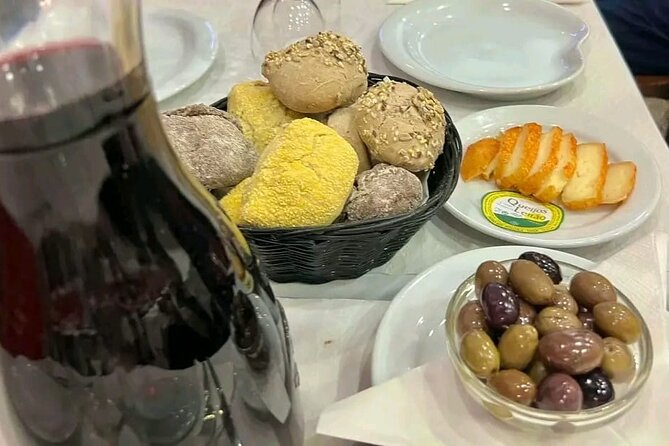
- 10 tastings built around Portuguese comfort food, street snacks, cheese, and wine
- Private group means your guide can adjust what and how you eat, including allergy needs where possible
- Lisbon’s viewpoints are part of the deal, with stops like the Santa Justa Elevator and Bairro Alto
- Real context comes with the food, including major events like the 1755 earthquake and the Carnation Revolution
- You get a mix of Portuguese classics, including ginjinha and a warm custard tart from a local factory
More Lisbon tascas, ginjinha counters and cellars:
- Winner 2025 Undiscovered Lisbon Food & Wine Tour by Eating Europe★ 5.0 · 6,390 reviews
- Lisbon: Food and Wine Small Group Walking Tour★ 4.9 · 4,082 reviews
- Lisbon Small-Group Portuguese Food and Wine Tour★ 5.0 · 3,972 reviews
- Lisbon: Baixa District Food Tour with Dinner and Drinks★ 4.9 · 1,997 reviews
Why This Lisbon Food Tour Feels Personal From the First Bite
Lisbon can be a lot on your first day. This tour helps you sort it out quickly, because the food stops come with simple explanations of what you’re seeing and why it matters.
I like that it is truly private, not a shared group with strangers and awkward pacing. Your guide also has a track record of being friendly and flexible, which makes a difference when you want to linger over a plate or ask about what to do later in Portugal.
The other big plus is the balance between eating and sightlines. Instead of only sitting down to chew, you walk through neighborhoods that shape the flavors, including areas tied to Lisbon nightlife and long-standing Catholic landmarks.
Getting Your Bearings at Praça Dom Pedro IV, Then Learning Lisbon’s Food Roots
The tour starts at Praça Dom Pedro IV, a lively central square where it is easy to meet up and hard to get lost. Expect a short intro on Portuguese gastronomy, plus a guided look at the historic buildings around downtown Lisbon.
This matters because Portugal is not one single cooking style. The country’s food identity shifts by region, and you start to see those threads right away in the tasting plan and the stories your guide shares.
You’ll also get a sense of how Lisbon layers time. Downtown is packed with landmarks, and even brief explanations here help the later stops make more sense, especially around major turning points in Lisbon’s modern history.
Casa do Alentejo and the Petiscos Era: Small Plates With Big Personality
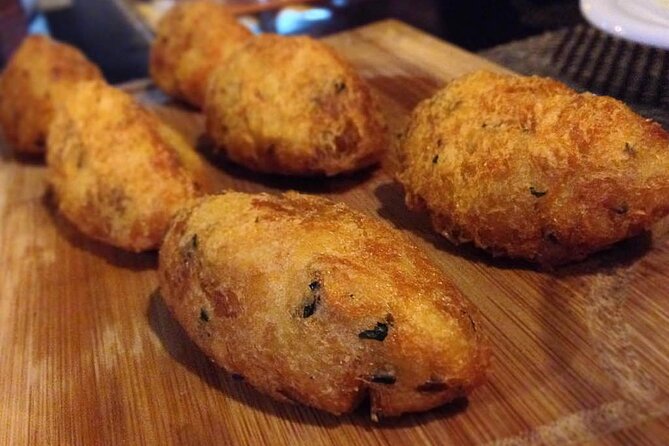
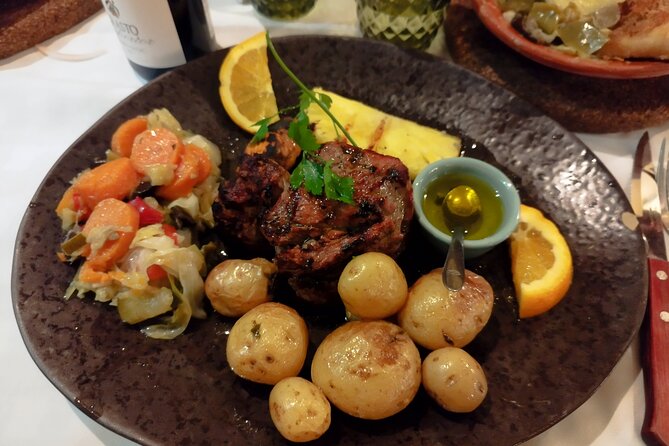
One of the early highlights is Casa do Alentejo, set inside a historic building tied to an older casino past. Here you try petiscos, Portugal’s version of tapas, meaning small plates designed for sharing, sampling, and trading bites.
This is the kind of stop that works well on day one. You get a “try a little of everything” entry point without committing to one heavy meal, and your guide can steer you toward flavors that feel distinctly Portuguese.
If you’re thinking about avoiding a full sit-down meal until later, this stop does that job nicely. Just remember that petiscos are meant to be eaten by hand and pace yourself, because the tour keeps moving.
Ginjinha Sem Rival: A Quick Stop That Hits a Portuguese Classic
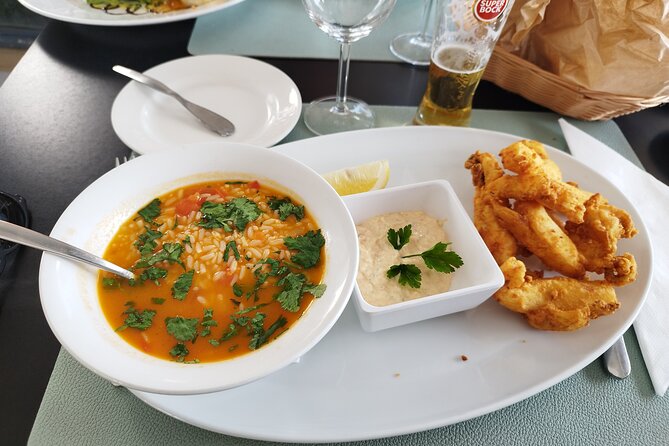
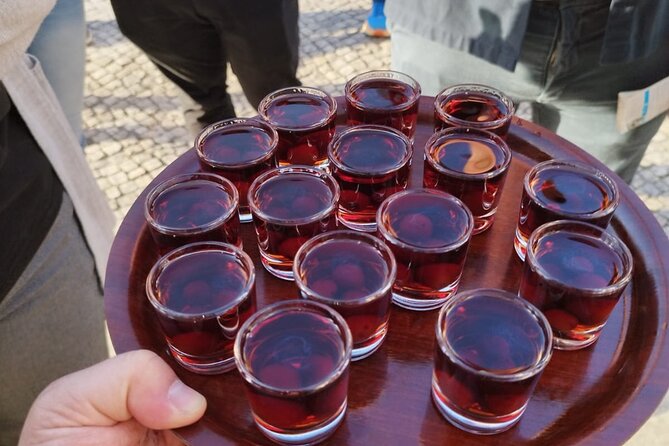
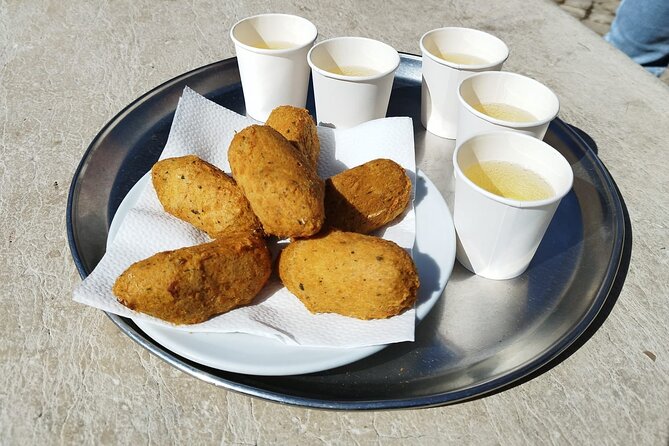
Then you head to a tavern for ginjinha, Lisbon’s famous cherry liquor. This stop is short by design, which is perfect if you’re on the hunt for the taste without turning your tour into an hours-long drink session.
The guide also frames ginjinha with local lore, including a story about how it was reportedly created in a convent. Whether you take the legend literally or as cultural flavor, it gives context to a drink that otherwise sounds like a tourist shortcut.
One practical note: this is a liquor-forward taste, so if you prefer mild drinks, keep your expectations aligned. Sip slowly, and you’ll enjoy it more when you’re still fresh for the food and walking ahead.
Other Lisbon plates worth ordering twice:



Convento do Carmo and the Shock of 1755, Then the Carnation Revolution
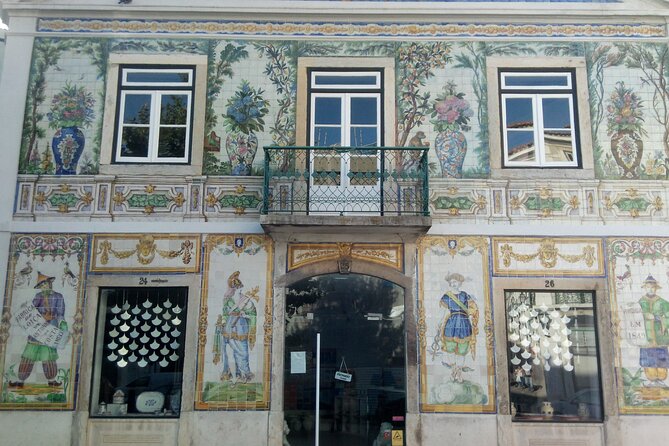
At the Convento do Carmo, you slow down a bit and connect Lisbon food culture to major historical events. This is one of the oldest landmarks in the area, and it’s tied to the 1755 earthquake and the later Carnation Revolution.
Food tours often stick to restaurants and skip context. Here, the history makes the city feel like more than a backdrop, because Lisbon’s identity is shaped by what survives, what changes, and what people rebuild.
You’ll want comfortable shoes here. The stop is not long, but your time on your feet is part of the experience, and the payoff is that you understand why these buildings matter before you move on.
Santa Justa Elevator Viewpoints Without the Long-Line Hassle
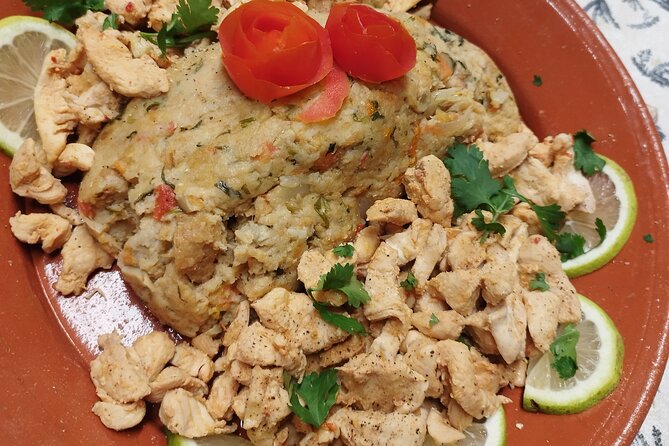
Next comes the Santa Justa Elevator. You get time to enjoy the views, and the tour is designed so you do not lose your appetite to a huge queue.
This is a clever inclusion for two reasons. First, it gives you one of Lisbon’s signature vertical-city perspectives. Second, the elevator break acts like a reset button, so your legs feel better going into the next neighborhood walks.
After you take in the sight, the tour steers toward Bairro Alto. That shift matters, because Bairro Alto is where you see Lisbon’s attitude toward life, not just its architecture.
Bairro Alto at Night Energy, Even During the Day
Bairro Alto is known for nightlife, and on this tour you visit with a daytime lens that still feels alive. You learn how it became a bohemian area for writers and aristocrats, then evolved into the center of today’s nightlife.
I like that you get the cultural origin story, not just the party postcard. That background helps you interpret the streets and corners you would otherwise treat like scenery.
This is also where private touring shines. If your group wants slightly more time to look around, your guide can usually flex, as long as you stay within the tour’s overall flow.
Igreja de São Roque: Jesuit Power, Earthquake Survival, and Lisbon’s Layers
The Igreja de São Roque is dedicated to São Roque and tied to the Jesuits, with history reaching back to the late 1500s. This church was the main Jesuit church in Portugal for more than 200 years, and it also survived the 1755 earthquake relatively unscathed.
Admission to this stop is included, so you can spend your energy absorbing the place instead of worrying about logistics. It’s also one of those stops that makes Lisbon feel “stacked,” like many eras share the same street.
If you like churches for their stories, this one is a good use of time. If you prefer purely food-led breaks, just treat it as a short historical chapter, then get ready for the flavors again.
Camões Square Stops and the Portugal of Voyages
You’ll reach Camões Square, where the guide connects Portuguese identity to the 16th century voyages. It’s a quick stop, but it helps explain why Lisbon has always been pulled between sea ambition and home traditions.
This is useful for your broader trip. When you understand the voyage-era mindset, it becomes easier to read Portuguese food as something shaped by travel, trade, and returning home with new ideas.
Keep your camera handy, but do not rush. The story is the point here, and you will feel it more if you slow down for a minute.
Manteigaria and the Warm Custard Tart Moment
Then comes one of the most Lisbon-feeling stops you can ask for: Manteigaria for a warm custard tart. The idea is simple and effective, fresh and warm, with the kind of pastry comfort that makes you understand why locals guard their favorites.
The tour also ties the custard tart recipe back to the monastery tradition in Belem. That connection turns a dessert you might otherwise treat as a snack into a piece of culture.
This is a stop where timing matters. Eat it warm, take a breath after, then keep moving. If you wait too long, it can lose the magic.
The Bifana Photo Spot Linked to Antonie Bordain
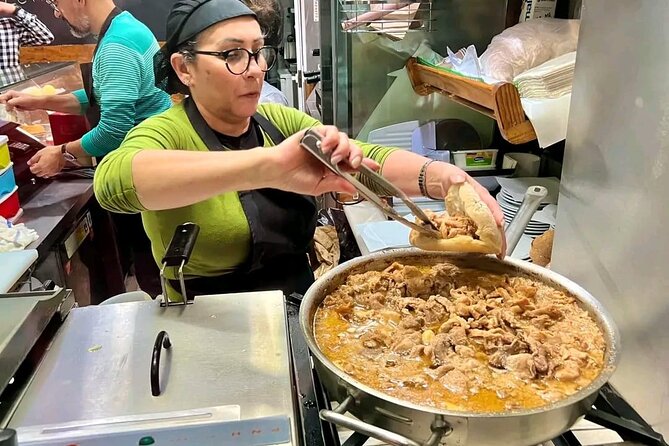
The next stop involves a local place where you may recognize photos associated with Antonie Bordain. The tour connects that spot to a famous Portuguese sandwich moment, the bifana, a pork sandwich that locals treat like everyday fuel.
Even if you already know what a bifana is, this stop gives it a Lisbon face. It reinforces that Portuguese street food is not only tasty, it also has identity, rhythm, and storytelling behind it.
You also have a longer time here, which helps if you want to ask questions or simply soak in the street-level energy. Just remember you still have a finish waiting, including wine and regional products.
Finishing in a Wine House With Typical Products and Red Wine
You end at a wine house with typical regional products and red wine. This final stop is a nice payoff because you go from snack bites into a more grounded, shareable end.
The included tasting plan also supports this finale, with items like cheese tasting and the earlier wine tastes forming a neat arc. You’ll leave with a clearer sense of what Portuguese wine and regional flavors are meant to taste like in real life, not just in packaging.
If you like food tours that end with something more “sit and talk” instead of another sprint, you’ll appreciate this structure. It lets you process what you ate and ask your guide for next-day recommendations.
How the Route Helps With Lisbon’s Hills and Your Energy
Lisbon is famous for steep streets. This tour is built to reduce hill punishment by using Lisbon’s lift systems like an elevator and a funicular, so you spend less time battling gravity and more time eating and learning.
That matters because after a few hours, your enjoyment can hinge on simple comfort. You do not need to be an athlete, but you should have moderate physical fitness, especially for short walking segments between landmarks.
What to wear is simple: comfortable shoes with grip, and a layer for windy viewpoint moments. If you run hot, bring a small breathable layer, because Lisbon weather can change fast.
Value for Money: What You Get for $119.14
At $119.14 per person for about four hours, this is not the cheapest “food crawl” you’ll see. But it is also not just a few snacks and a couple of restaurant names.
You’re paying for several things at once:
- A private guide who explains history as you go
- 10 tastings that cover street food, cheese, wine tastes, ginjinha, and a custard tart
- Multiple landmark viewpoints, including Santa Justa and Bairro Alto
- Responsibility and personal accidents insurance, plus small comforts like a mobile ticket and included admission at São Roque
For me, the best value angle is the combination of food plus orientation. Many Lisbon tours give you one but not the other, and then you spend extra time later trying to figure out where things are. Here, you get bearings fast, plus you learn what to look for on your next walk.
Who Should Book This Tour (and Who Might Skip It)
This fits best if you want a first-day or early-trip introduction to Lisbon through food. If you like history but do not want a museum marathon, this blend is a solid compromise.
It also works well if you want personal attention. The private format helps your guide adapt, and it can make it easier to handle allergies, since vegetarian and gluten free options are available though not guaranteed at every stop.
If you only want an all-you-can-eat restaurant crawl with no history, this might feel like too much walking and too many cultural stops. But if you want a “learn Lisbon, taste Lisbon” experience, you will likely be very happy.
Should You Book This Private Lisbon Food Tour?
Yes, I’d book it if you want a smart, guided way to taste Lisbon and understand what you are seeing. The strong points are the private attention, the quality spread of Portuguese flavors, and the way the major Lisbon stories are woven into your walks.
I would think twice only if you have very specific dietary needs and you can’t eat at certain types of stops. Since vegetarian and gluten free options are available but not guaranteed at every location, plan to communicate your needs clearly when you book.
If you’re ready for four hours of walking, tasting, and viewpoint breaks, this is a worthwhile Lisbon day that leaves you feeling like the city makes sense.
FAQ
How long is the Lisbon private food tour?
It lasts about 4 hours.
Is the tour private or shared?
It is private, meaning only your group participates.
What language is the tour offered in?
The tour is offered in English.
Where do we meet for the tour?
The meeting point is Praça Dom Pedro IV, 1100 Lisboa, Portugal, and the tour ends back at that meeting point.
What tastings are included?
The experience includes snacks, 2 wine tastes, 4 Portuguese street food tastings, 2 cheese tastings, 1 ginja tasting, and 1 custard tart.
Are admissions included?
Many stops have free admission listed, and admission to Igreja de São Roque is included. No additional cost is mentioned during the tour.
Can the tour accommodate vegetarian or gluten free diets?
Vegetarian and gluten free options are available, but they are not guaranteed at all stops.
Is there an option to customize the itinerary?
Yes, you can customize your itinerary, with the guide handling the tour logistics.
Is the tour physically demanding?
Travelers should have a moderate physical fitness level.
What is the cancellation policy?
You can cancel for a full refund up to 24 hours in advance of the experience start time.
Fresh across the seven hills
- Full-day Private Tour: Fátima Sanctuary, Batalha, Nazaré, Óbidos
★ 5.0 · 6 reviews - Porto Private Tour from Lisbon
★ 4.5 · 6 reviews - VIP transfer from the airport to Lisbon hotels
★ 5.0 · 6 reviews - Lisbon Photoshoot: Capture Your Adventure
★ 5.0 · 6 reviews - Lisbon: Romantic Sunset Cruise With Wine & Portuguese Tapas
★ 5.0 · 6 reviews - Arrábida Wine Tour – 3 Wineries, Traditions & Views from Lisbon
★ 4.5 · 6 reviews - Full Day Tour in Évora from Lisbon
★ 5.0 · 6 reviews
Food & Drink, compared.
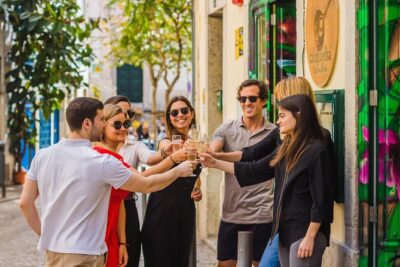
Winner 2025 Undiscovered Lisbon Food & Wine Tour by Eating Europe
Read our review →
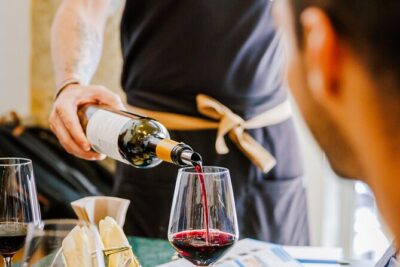
Lisbon Small-Group Portuguese Food and Wine Tour
Read our review →
Baixa District Food Tour with Dinner and Drinks
Read our review →
Lisbon Small-Group Food Tour with 18 Tastings in Alfama District
Read our review →
Devour Lisbon: The Ultimate Portuguese Food Tour
Read our review →
Lisbon Food Tour with 10+ Tastings of Local Delicacies & Wines
Read our review →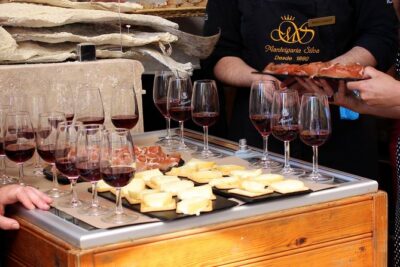
Award-Winning Original Lisbon Food Wine Tour: 19 Curated Tastings
Read our review →Browse the lists this tour appears in