
Reviewed · HISTORICAL TOURS
Private Tour – African History in Lisbon
African history in Lisbon is easy to miss.
This private tour connects that story to real city spaces, from the 16th century onward, using history, anthropology, and today’s Lisbon life. I like that the experience keeps a respectful, human tone, with Filipa Oliveira named again and again in that mix of patience, empathy, and story clarity, even if you’re arriving a few minutes late. African heritage is the lens, and private pacing keeps it conversational instead of rushed.
The second thing I like is the way the stops are chosen, not just the neighborhoods. You’ll hear about details like water access at Chafariz d’El Rei and how commerce zones tie into African arrivals and the wider slave trade era. One possible drawback to consider: while English is listed as the tour language, at least one past booking flagged that understanding the guide was hard, so if you’re very strict about spoken clarity, plan to ask questions early and let the guide pace to your comfort.
In This Review
- Key highlights you’ll actually use
- Why African history fits Lisbon street corners, not just textbooks
- The private feel, with Filipa Oliveira setting the tone
- Is $93.62 per person good value for a 2 to 3 hour walk?
- Lisboa Rossio as the starting frame for Lisbon’s African heritage
- Praca Dom Pedro IV: finding black African history in an everyday city square
- Castelo, Alfama, and Mouraria: heritage you can feel walking
- Chafariz d’El Rei fountain: water, access, and inequality in one landmark
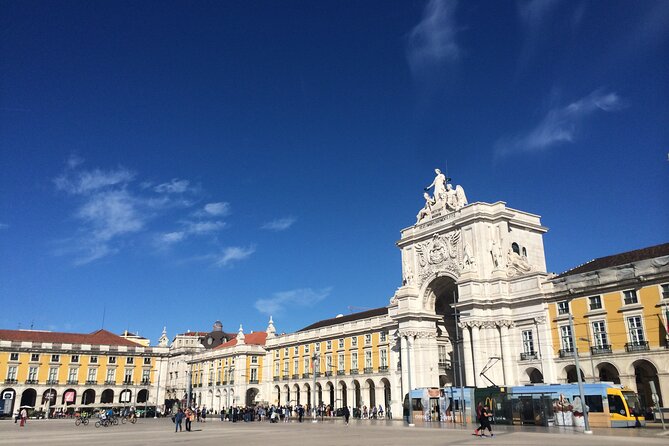
- Praça do Comércio: the main square where Lisbon’s world role becomes visible
- Campo das Cebolas: commerce layers tied to African arrivals
- Practical tips so the walk stays fun, not exhausting
- Who should book this African history tour in Lisbon?
- Should you book it?
- FAQ
- How long is the Private Tour – African History in Lisbon?
- What is the price per person?
- Is this a private tour or a group tour?
- What language is the tour offered in?
- Where does the tour start and end?
- Do I need to pay admission fees during the stops?
Key highlights you’ll actually use
- A focused African heritage storyline that ties Lisbon monuments to the slave trade era and its aftereffects
- Short, walkable stops that work well for 2 to 3 hours without burning you out
- Chafariz d’El Rei connects daily life, water access, and unequal power
- Praça do Comércio gives context for Lisbon’s global trade role and why this history sits in the main square
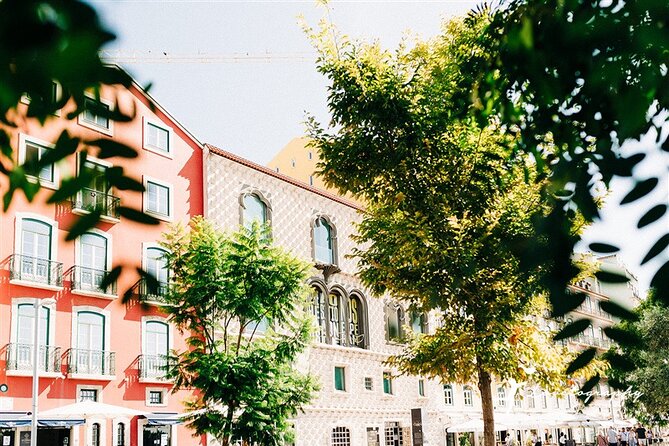
- Castelo, Alfama, and Mouraria are treated as living heritage zones, not just postcard scenery
More of pre-earthquake Lisbon, where it survives:
- Lisbon: History, Stories and Lifestyle Walking Tour★ 4.8 · 10,902 reviews
- Lisbon: Daytime or Sunset Boat Cruise with History and Wine★ 5.0 · 1,053 reviews
- Explore Lisbon by Tuk Tuk: History and Viewpoints★ 5.0 · 840 reviews
- Private Tuk Tuk Tour Through Lisbon’s Historical Streets★ 5.0 · 734 reviews
Why African history fits Lisbon street corners, not just textbooks
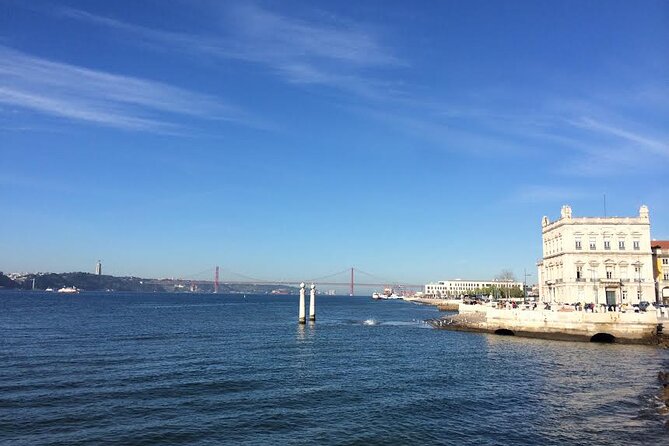
Lisbon has layers, and this tour helps you read them. The central idea is simple: Lisbon’s wealth and institutions were tied to slavery and the forced movement of people, and that legacy did not vanish neatly. Instead, you see it reflected in how the city built trade routes, shaped neighborhoods, and organized everyday routines.
What makes this experience valuable is the blend of scale and detail. You start with big themes, like the city’s economy and slave trade connections, then you get grounded with small physical landmarks. That combination helps you keep a timeline in your head without turning the whole walk into a lecture.
The private feel, with Filipa Oliveira setting the tone
This is a private tour, meaning it’s just your group. That matters because the best moments on history walks usually happen when you ask questions, slow down, or compare what you expected to what you’re hearing.
Filipa Oliveira comes up repeatedly for being friendly and patient, and that kind of guide behavior can make a heavy topic feel manageable. One booking also mentions a coffee-and-pastry moment in the commercial area, which is a nice reminder that you can keep moving through hard history while still letting yourself pause, regroup, and take in Portuguese everyday life.
Is $93.62 per person good value for a 2 to 3 hour walk?
At $93.62 per person, you’re paying for three main things: a private guide, a curated route, and interpretation that you likely would not piece together on your own. This is not a museum day with timed entry and pricey tickets. It’s a guided walking experience where the “admission” for listed stops is free, so your main cost is the human guidance.
Two practical notes help you judge value. First, this tour is often booked about 46 days in advance, which usually signals it’s in steady demand. Second, the duration is listed as approximately 2 to 3 hours, with stops that range from 10 minutes to 1 hour, so you should be able to fit it cleanly between other Lisbon plans.
Lisboa Rossio as the starting frame for Lisbon’s African heritage
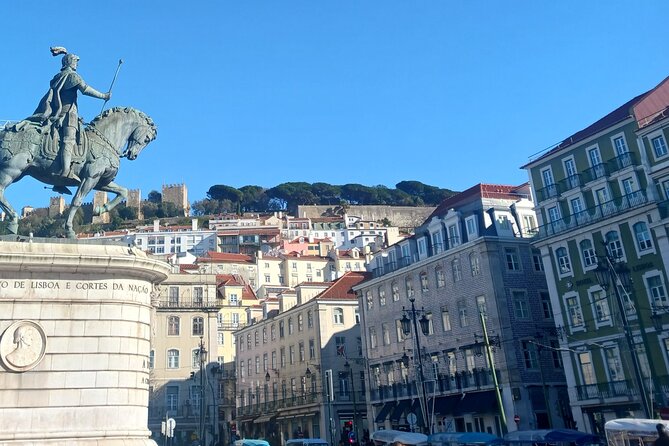
You begin at Lisboa Rossio, at R. 1º de Dezembro 125, in the central city zone. From that first stretch, the guide sets the big lens: Lisbon’s African heritage is not a side note. It’s a latent reality running from the 16th century to the present, shaped by slavery, economy, and the city’s evolving identity.
This stop is also where you learn the “why” behind the route. Instead of treating each monument as isolated, you connect them as parts of a system. If you arrive with general curiosity, this is where you start turning curiosity into understanding.
You’ll want to pay attention to how the guide links history to daily Lisbon. That’s the difference between reading about Lisbon and actually walking through it with a framework.
Some other seven-hills days worth pricing up




Praca Dom Pedro IV: finding black African history in an everyday city square
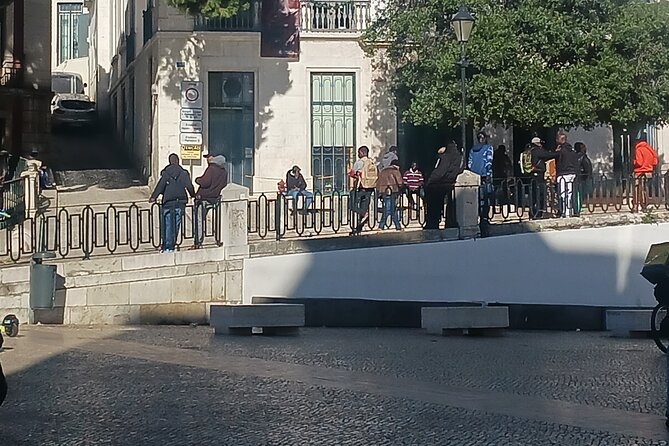
Next, you head to Praça Dom Pedro IV. This is a smaller stop, about 15 minutes, so the goal is not to cover everything. It’s to connect the theme of black Africans and slavery to visible city activity and the way Lisbon’s public spaces have always been part of larger human stories.
Why this matters: public squares are where a city’s power becomes easiest to see. When you hear the African history thread inside that same space, you stop thinking of slavery as an abstract topic and start recognizing it as something that shaped real neighborhoods and real systems.
If you’re the type who likes to ask follow-up questions, this stop is a good moment to do it, since the tour has multiple short segments after this.
Castelo, Alfama, and Mouraria: heritage you can feel walking
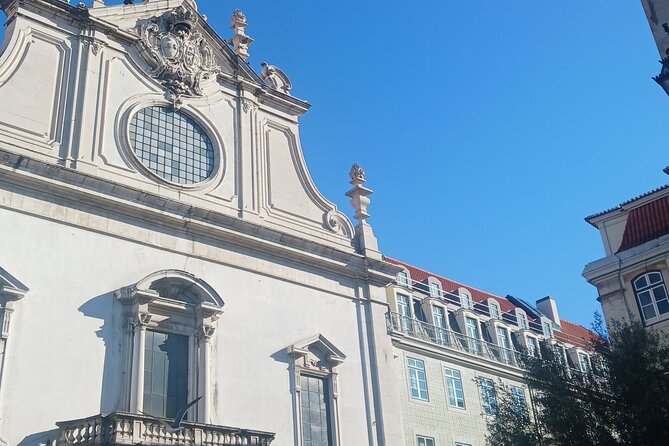
Then you move through Castelo, Alfama, and Mouraria, spending about 1 hour in this area. These are the kind of Lisbon neighborhoods where you learn fast that history lives in streets, not just plaques. The focus here is on the typical Lisbon spaces where immigration and heritage are part of the city’s ongoing life.
This is also one of the tour’s most useful stretches for first-time visitors. It gives you a grounded sense of where the story takes place, so the later commercial history hits harder. Instead of jumping from topic to topic, the walk builds continuity.
One practical thought: these areas can be steep and uneven depending on the exact path. Wear shoes you trust for cobbles and hills. This is the section where comfort affects how well you can listen.
Chafariz d’El Rei fountain: water, access, and inequality in one landmark
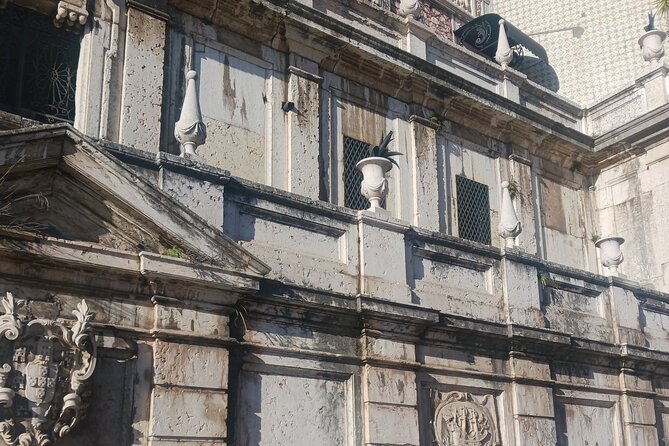
About 10 minutes bring you to Chafariz d’El Rei, an old fountain in Lisbon. The story here is specific and memorable: slaves had their own tap to draw water. That kind of detail makes the history feel painfully real, because it’s not only about economics or ships, it’s also about daily logistics and unequal access to necessities.
Short stops like this are often where good guiding earns its keep. You get one strong landmark, one clear connection, and then you move on without losing momentum. If you’ve ever wondered why certain monuments feel emotionally heavy, this stop gives you a concrete answer.
Praça do Comércio: the main square where Lisbon’s world role becomes visible
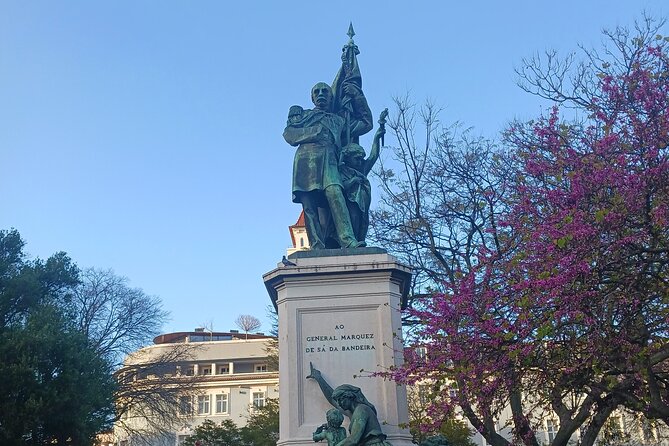
The tour continues to Praça do Comércio, where you’ll spend about 30 minutes. This is the main square of the city, and it’s a perfect place to talk about how Lisbon functioned as a commercial hub.
When the guide connects slavery history to this space, the square becomes more than a photo spot. You start thinking about flows of goods, flows of people, and who benefited. It’s also an anchor point for your mental map of Lisbon, because you can look around and recognize the scale of what the city was built to do.
If your brain likes structure, use this stop to mentally summarize the tour so far. You’re building the story from fountain-level daily life up to the main public stage of trade.
Campo das Cebolas: commerce layers tied to African arrivals
The final neighborhood stop is Campo das Cebolas, with about 20 minutes here. This was a commerce area where slaves arrived from colonies, particularly from Africa, and the site carries architectural remains and layers of history you can talk through during the visit.
This stop is valuable because it shows how commerce zones weren’t neutral. They were physical spaces where large forces met local geography. Even if you have limited background knowledge, you can still follow the logic because the guide ties the trade story to what you can see.
If you’re hungry for context, this is also a good place to ask about how the city’s layout connected to trade and movement. The guide can likely connect the “layers” idea to what you saw at Praça do Comércio and how the walk has been building toward this point.
Practical tips so the walk stays fun, not exhausting
A tour built around multiple short stops can be easy to overestimate, especially in Lisbon’s hills. I’d plan for walking time and some uneven pavement, and I’d bring water if it’s warm.
Also, treat this like an education-with-questions format. If something clicks for you, ask a follow-up. If something feels confusing, ask for the simplest version first. The private setup makes that possible.
One more small tip: keep your camera ready, but don’t hide behind it. The most meaningful parts here are the connections the guide makes between what you’re looking at and what that place represented.
Who should book this African history tour in Lisbon?
This tour fits best if you want Lisbon with a conscience and a clear storyline. It’s ideal for:
- First-time visitors who want a deeper layer than postcards
- People who care about African history and how it shaped Portugal’s institutions and economy
- Small groups who want conversation time, not just a scripted walk
- Travelers who like walking routes that end in a major central location
If you’re only interested in lighter sightseeing, you might find the topic heavy. But if you want honest historical context in a real city setting, this is one of the more direct ways to do it without guessing.
Should you book it?
I’d book Private Tour – African History in Lisbon if you want a guided walk that treats Lisbon’s African heritage as central, not optional. The strong overall satisfaction signals, plus the fact that the route is short, private, and structured around meaningful landmarks, makes it a solid choice for your first or second day in town.
I’d hesitate only if you strongly require flawless spoken English, since at least one past booking raised that concern. If that’s you, the fix is simple: arrive early enough to settle in, and ask clarifying questions right away.
If your goal is to leave Lisbon with a real sense of how African history shaped the city, this private walk is a good match.
FAQ
How long is the Private Tour – African History in Lisbon?
The tour lasts about 2 to 3 hours.
What is the price per person?
It costs $93.62 per person.
Is this a private tour or a group tour?
This is a private tour. Only your group participates.
What language is the tour offered in?
The tour is offered in English.
Where does the tour start and end?
It starts at Lisboa Rossio, R. 1º de Dezembro 125, 1249-970 Lisboa, Portugal, and ends at Praça do Comércio, 1100-148 Lisbon, Portugal.
Do I need to pay admission fees during the stops?
No. The listed stops show admission as free at each point on the route.
Fresh across the seven hills
- Private Tour from Porto to Lisbon with Stops
★ 5.0 · 6 reviews - Lisbon: Private Highlights Tuk-Tuk Tour with Tapas and Wine
★ 5.0 · 6 reviews - Lisbon: The Ultimate Food Tour with a Local
★ 3.7 · 6 reviews - Treasures of Lisboa : Alfama Food Tour with 18 Tastings
★ 5.0 · 6 reviews - Lisbon: Portuguese Petiscos Cooking Class
★ 4.7 · 6 reviews - Seixal Sailing Cruise – Lunch in a typical restaurant
★ 5.0 · 6 reviews - Nature, Wines and Ceramic Tiles: Private Tour
★ 4.0 · 6 reviews
Historical Tours, compared.
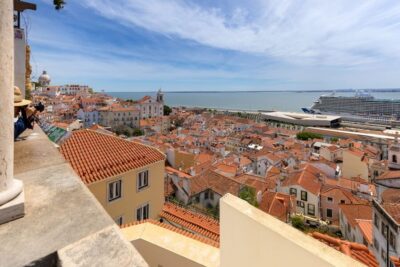

Daytime or Sunset Boat Cruise with History and Wine
Read our review →
Explore Lisbon by Tuk Tuk: History and Viewpoints
Read our review →
Private Tuk Tuk Tour Through Lisbon’s Historical Streets
Read our review →
Lisbon Sunset Sailing with Portuguese Wine and History
Read our review →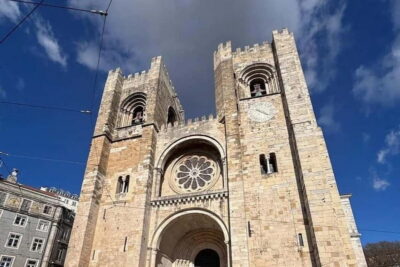
Live Fado Show in Historic Alfama with Port Wine
Read our review →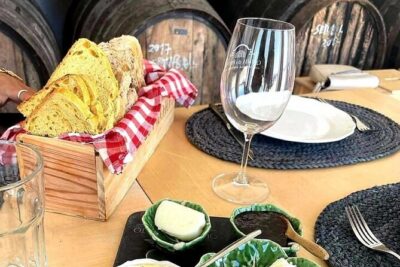
Private Lisbon-Arrábida Wine Tour: 3 Wineries, Coast & Heritage
Read our review →
Browse the lists this tour appears in