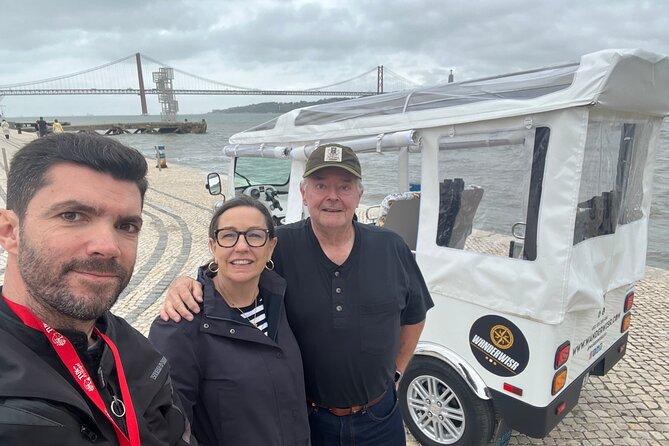
Reviewed · TOURS
3h30 Tour | Lisbon Essentials: See, Taste and Learn with a Local
Lisbon can feel like a maze, but this tour gives you the map fast. In just 3 hours 30 minutes, you bounce from Alfama to key viewpoints to classic city squares, with local flavor stops like pastel de nata and a sip of ginjinha. I especially like the quiet, eco-friendly tuk-tuk pacing and the fact that you spend real time in the neighborhoods rather than only staring at landmarks from afar. One thing to weigh: most of the time is on the tuk-tuk, so if you want long museum-style visits, this is more “see and taste” than “deep entry” (and the tour depends on decent weather).
You’ll also get an experienced local guide and a simple rhythm: short stops for photos and explanations, then rolling on to the next best view. The tour is private, in English, and includes hotel pickup and drop-off, which makes it easier to fit into a first day in town. I do think the “with a sense of humor” vibe is a real part of the experience, so go in ready to enjoy the story as much as the sites.
In This Review
- Key things to know before you go
- A 3.5-hour Lisbon hit in a quiet tuk-tuk
- Where the tour starts: Restauradores, Rossio, and Baixa’s post-earthquake logic
- Lisbon Cathedral outside: spotting Sé and reading the street around it
- Miradouro Portas do Sol and the magic of one balcony viewpoint
- São Vicente de Fora and the National Pantheon, both seen from the outside
- Miradouro Senhora do Monte, plus the neighborhood squares in between
- Alfama’s narrow streets, ginjinha, and that village-like feel
- From riverside history to Pink Street and the Luís de Camões square
- Bairro Alto in daytime, then São Pedro de Alcântara for the full panorama
- What you’ll actually eat and drink (and how to plan for it)
- Price and value: why this costs more than a basic bus tour
- Who this tour suits best (and who might want something else)
- A quick note on guides and the feel of the experience
- Should you book this Lisbon Essentials tuk-tuk tour?
- FAQ
- How long is the Lisbon Essentials tour?
- What is included in the tastings?
- Is the tour private?
- Does the tour offer hotel pickup and drop-off?
- Is alcohol included for everyone?
- What type of transportation is used?
- Is admission required for the stops?
- What happens if the weather is bad?
Key things to know before you go
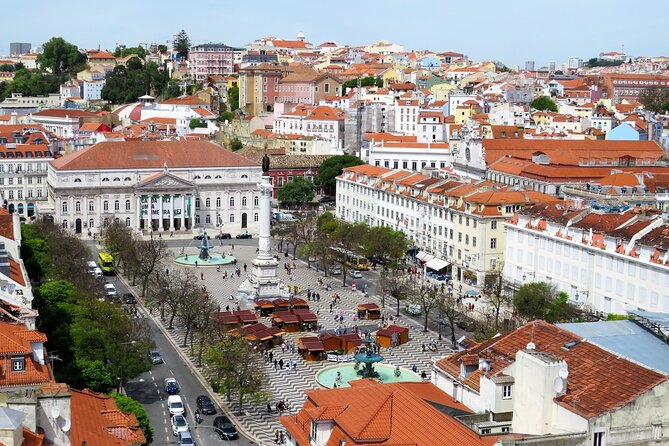
- Quiet eco-friendly tuk-tuk ride keeps travel time tight while your guide talks you through what you’re seeing.
- Private tour means only your group, so you can ask questions without feeling rushed.
- Food and drink are optional: pastel de nata and ginjinha are included as tastings, but alcohol is only for guests 18+ (Portugal law).
- Viewpoints are a big part of the route, with free photo stops at major miradouros for quick, high-impact city views.
- Weather matters since the tour requires good conditions, with an alternate date or full refund if it gets canceled due to poor weather.
- Mobile ticket + pickup helps on a first visit, especially if Lisbon’s hills slow you down.
Deciding between days out? Here are a few more from Lisbon:
- Lisbon City Center Tour – The Unmissable Lisbon★ 5.0 · 22,234 reviews
- Lisbon: Sintra, Pena, Regaleira, Cabo da Roca & Cascais★ 4.7 · 19,656 reviews
- Lisbon Card: 24, 48, or 72-Hour Pass★ 4.5 · 17,944 reviews
- Lisbon: Jerónimos Monastery Entrance Ticket★ 4.1 · 14,164 reviews
A 3.5-hour Lisbon hit in a quiet tuk-tuk
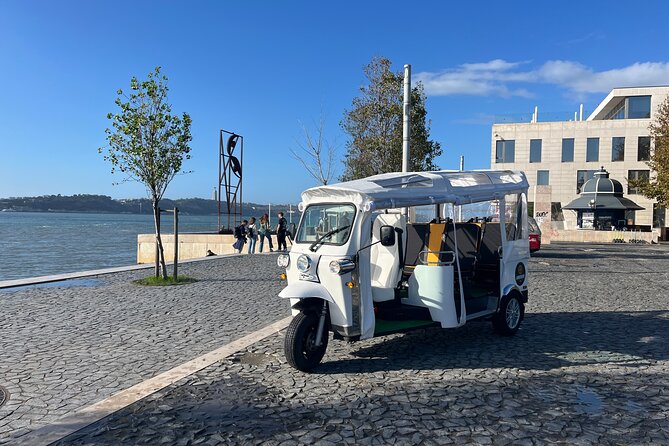
This is designed for “I have limited time, but I want the feel of Lisbon” travelers. The transport is a quiet, eco-friendly tuk-tuk with a private guide, so you get moving without constant uphill walking. It also means your guide can keep the story going while you glide through street after street.
The pacing is practical. You’ll spend a lot of the time inside the tuk-tuk, getting narration and context, and then you’ll have brief moments on foot to absorb the places that actually shape Lisbon’s identity. If you’re the type who gets restless when an itinerary is too slow, you’ll probably love the rhythm.
The tradeoff is time depth. Monument stops are short and focused on seeing and photographing rather than long interior visits. That’s not a flaw, it’s the format, so set your expectations accordingly.
Where the tour starts: Restauradores, Rossio, and Baixa’s post-earthquake logic

You begin near Praca dos Restauradores, at the southeastern end of Avenida da Liberdade. This opening spot matters because it anchors you to Lisbon’s more central, grand avenues before you start drifting into the older quarters. You’ll also get a chance to taste one of the classic custard tarts, with the tasting arranged at a nearby venue.
From there you move toward Rossio, also known as King Pedro IV Square. This is one of those places where Lisbon feels fully “in motion,” even if you only pass by for a look. It helps you understand the city’s everyday pulse before you head into the older, more maze-like areas.
Then you swing into Baixa, the rebuilt heart of the city. Lisbon’s Baixa was reshaped after the 1755 earthquake, and your guide uses that fact to explain why the streets, blocks, and plaza layout make sense. Even if you are standing outside, you’re learning how the city was redesigned, not just where to take photos.
Along the way, you also pass a downtown Portuguese theater, then you continue through the center toward the historic cathedral area. It’s a good way to build a mental map in a short time.
Lisbon Cathedral outside: spotting Sé and reading the street around it
You get a stop to admire the Cathedral of Saint Mary Major, often called Sé, from the outside. The value here is less about going in and more about orienting yourself. When you can see the cathedral in context, you understand why this area mattered for centuries.
Around this part of the route, Lisbon’s streets start to feel more layered. You’ll go from grand central squares into neighborhoods where buildings and religious sites sit tightly within the urban fabric. That shift is part of what makes the route feel like an “essentials” tour instead of just a highlight list.
You’re also likely to get a few minutes for pictures before the tuk-tuk takes you onward. Think of it as a “quick read and then move” stop, not a long guided walkthrough.
Miradouro Portas do Sol and the magic of one balcony viewpoint

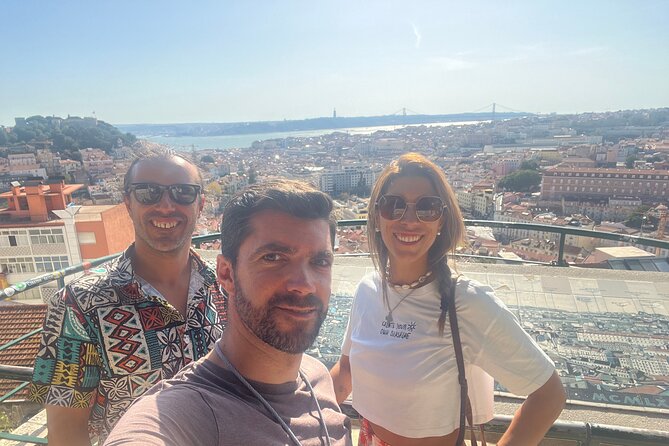
A big chunk of Lisbon’s drama lives in its miradouros. Here, you hit Miradouro das Portas do Sol, a viewpoint that looks out over Alfama like one big balcony. You’ll get time for photographs and, more importantly, some guidance on what you’re seeing.
This viewpoint stop is free and short, but it’s the kind of short that works. One look can make the rest of the city feel more understandable, especially the way Alfama’s rooftops step down toward the river.
If you’re visiting when clouds roll in, Lisbon can still look good, but your view quality may vary. Since the tour is weather dependent, you’re more likely to get the clear panorama you’re hoping for.
Other trips that start in Lisbon and end well:


São Vicente de Fora and the National Pantheon, both seen from the outside
Next, you pass the Church and Monastery of São Vicente de Fora in the São Vicente area. The name tells a story, since it was built outside the walls, which is exactly why the name translates like it does. Even if you just see it from the street, that little historical detail can make the building feel less random.
After that you slow down for photos near the National Pantheon, located in the Santa Clara area. The building has its own backstory, since it originally was intended for the church of Santa Engrácia, and it now houses the tombs of major figures in Portuguese history. Again, you’re not doing a long interior visit here, but the stop is a useful “weight of history” moment before you move to more airy viewpoints.
These are the stops that make the tour feel like learning, not only sightseeing. They also keep the pace moving, so you stay on schedule for the bigger neighborhoods.
Miradouro Senhora do Monte, plus the neighborhood squares in between

Another prime viewpoint follows at Miradouro da Senhora do Monte, next to the Chapel of Senhora do Monte. This one is known for an expansive panoramic view, and the time you get here helps you actually absorb it, not just snap and run.
From there, you pass through major squares like Praça Martim Moniz, which gives you a sense of where different parts of Lisbon intersect. You’ll also see another emblematic square on the way, with your guide sharing some of its history. Even if you only walk a bit, these stops help connect the viewpoints to real street life.
This segment works particularly well if Lisbon feels like too many layers at once. You start getting how areas connect, where the hills pull you, and why locals gravitate to certain corners for views and gatherings.
Alfama’s narrow streets, ginjinha, and that village-like feel
Then you reach the heart of the experience: Alfama. This is a neighborhood that feels like an old village even though it’s inside a big city, and the streets are narrow and close-knit in character. The tour includes a walk through the area, with time to get your bearings on foot.
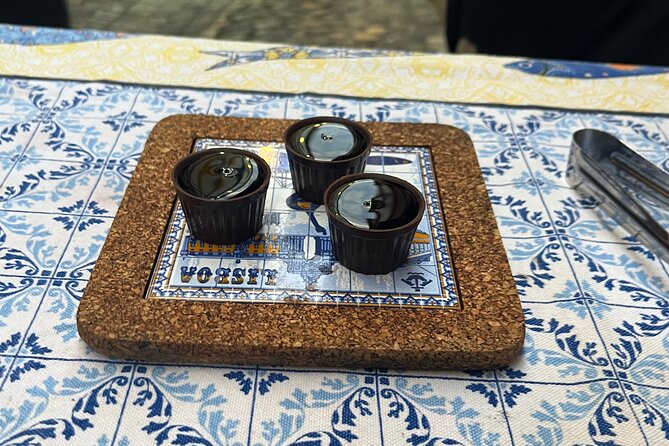
This is also where the tasting becomes more than a snack. You’ll try ginjinha, a traditional cherry liqueur. It’s not included as a mandatory drink, but it is offered during the Alfama portion. Keep the Portugal rule in mind: alcohol is only allowed for guests 18+.
There’s a satisfying logic here. You taste something local right after the neighborhood reveal, so it feels like part of the place instead of a random “food stop.” If you’re hoping for an experience that feels distinctly Lisbon, Alfama is where you get it.
From riverside history to Pink Street and the Luís de Camões square
After Alfama, you pass the riverfront area of Ribeira da Naus, which was once a shipbuilding yard. After major intervention, it became public space, and your guide uses that change to explain how Lisbon repurposes older spaces. Even a quick look can help you understand how the city’s relationship with the water has shifted.
Then you head toward Pink Street, officially Rua Nova do Carvalho, in the Cais do Sodré area. This part of Lisbon has a strong nightlife identity now, and the tour frames it as a transformation from a notorious past to a vibrant cultural hub. That historical contrast is exactly the kind of context that helps you read Lisbon rather than just visit it.
You also pass the Camões area, named for poet Luís Vaz de Camões. If you like when a city’s names connect to real people, this is the moment to pay attention. It’s quick, but the meaning lands fast when you hear it from a local guide.
Bairro Alto in daytime, then São Pedro de Alcântara for the full panorama
As you cross Bairro Alto from south to north, you’ll see how quiet it can be during the day. The area transforms at night into a busy restaurant and bar scene, so the contrast is useful. It helps you understand why some streets feel different at different hours, even when the buildings look the same.
Then you head to Miradouro São Pedro de Alcântara. This viewpoint is one of Lisbon’s most complete panoramic overlooks, and you get a short stop for a quick picture. It’s the kind of stop that works even when you’re tired, because the reward is immediate.
Next, you pass Largo do Carmo, which is calm now but loaded with historical significance. The tour includes explanation here, so it’s not just a scenic pause. You’re building a story of Lisbon as a place where quiet streets still carry past events.
Finally, you circle back to Praca dos Restauradores to wrap up. That loop is smart for first-timers because it keeps you oriented back at the start area.
What you’ll actually eat and drink (and how to plan for it)
Tastings are a highlight, but they’re presented in a low-stress way. You get pastel de nata, the famous custard tart, and you can choose to add it as part of the snack offering. The tasting is positioned at the start area, so you’re energized for the rest of the route.
For drinks, you can have ginjinha, the traditional cherry liqueur. The age rule is explicit: alcohol is only allowed for guests over 18 by Portuguese law. If you’re traveling with younger kids or you just prefer not to drink alcohol, you can still enjoy the rest of the experience without getting stuck on the tasting component.
Also note what isn’t part of the package. Souvenirs and extra food or drink samples are not included, so if you want to bring something home, plan to buy it separately.
Price and value: why this costs more than a basic bus tour
At $144.49 per person for about 3 hours 30 minutes, this is not a budget streetcar tour. The value comes from the combination, not one single feature. You’re paying for private guidance, hotel pickup and drop-off, and transportation in a tuk-tuk that keeps Lisbon’s hills from slowing the agenda.
You also get a format that helps you avoid the common first-time problem in Lisbon, which is wandering without a clear route. This tour builds a path that connects central squares, cathedral area context, big viewpoint moments, and neighborhood flavor in a tight time window.
If your goal is to cover multiple “must-sees” efficiently, this feels like a practical buy. If your goal is a slow stroll with long museum time, you’ll likely prefer a different style of tour.
Who this tour suits best (and who might want something else)
I think this tour fits best if you’re:
- In Lisbon for a short stay and want a fast, organized orientation
- Comfortable with a mix of driving and short walking stops
- Interested in neighborhoods and viewpoints, not only individual monuments
- A foodie who wants one or two tastings that feel tied to place
It may not fit if you’re expecting long indoor visits or quiet, unstructured wandering. The route is timed, and most of your attention goes to what your guide explains during the tuk-tuk rides plus the brief on-foot stops.
Also, the tone is meant to be fun. If you enjoy stories and a light sense of humor while moving through neighborhoods, you’ll probably click with the guide style. The experience is private, so the vibe you get depends on your group too.
A quick note on guides and the feel of the experience
One name comes up in the feedback: Ricardo. The comments describe him as friendly, accommodating, and focused on making the day enjoyable, with an approach that feels laid back rather than stiff.
That matters because a “highlights” tour can get generic fast. Here, the guide’s job is to keep you oriented and connect stops to local life, like why Lisbon’s squares matter, why Alfama works as a neighborhood, and what makes each viewpoint worth your camera time.
If you get a guide who likes to talk, this format usually clicks.
Should you book this Lisbon Essentials tuk-tuk tour?
Book it if you want a first-day-friendly Lisbon overview that mixes major sights with real neighborhood flavor, plus tastings that don’t require a separate food tour. It’s also a strong option if you want to conserve energy, because the route is built around tuk-tuk movement and short walking segments.
Skip it if you want long cathedral or museum time, or if you’re the type who hates group pace even though this is private. Also skip it if you’re traveling with an alcohol-only preference in mind and you’re not 18+, since the ginjinha portion follows the local legal rule.
If you’re on the fence, here’s my simplest check: do you want to see Lisbon’s structure and taste its icons in one afternoon? If yes, this tour is a smart use of your time. If you’d rather go slower and go deeper into interiors, you’ll get more from another style of sightseeing.
FAQ
How long is the Lisbon Essentials tour?
It lasts about 3 hours 30 minutes.
What is included in the tastings?
You get a traditional custard tart, pastel de nata (optional), and a traditional homemade cherry liquor, ginjinha (optional for guests over 18).
Is the tour private?
Yes. It is a private tour/activity, so only your group participates.
Does the tour offer hotel pickup and drop-off?
Yes, hotel pickup and drop-off are included.
Is alcohol included for everyone?
No. By Portuguese law, alcoholic drinks are only allowed if you are 18 years old or older.
What type of transportation is used?
You ride in a quiet, eco-friendly tuk-tuk with a private guide.
Is admission required for the stops?
The tour notes that the time you spend at monuments matches the tour stops, and several viewpoint stops are listed as free admissions. Some tastings happen at a venue, and those listed stop admissions are marked as free in the schedule you receive.
What happens if the weather is bad?
The tour requires good weather. If it’s canceled due to poor weather, you’ll be offered a different date or a full refund.
Fresh across the seven hills
- Full-day Private Tour: Fátima Sanctuary, Batalha, Nazaré, Óbidos
★ 5.0 · 6 reviews - Porto Private Tour from Lisbon
★ 4.5 · 6 reviews - VIP transfer from the airport to Lisbon hotels
★ 5.0 · 6 reviews - Lisbon Photoshoot: Capture Your Adventure
★ 5.0 · 6 reviews - Lisbon: Romantic Sunset Cruise With Wine & Portuguese Tapas
★ 5.0 · 6 reviews - Arrábida Wine Tour – 3 Wineries, Traditions & Views from Lisbon
★ 4.5 · 6 reviews - Lisbon: Sintra, Pena Palace, Belém Tour + sunset Boat Cruise
★ 5.0 · 6 reviews
Tours, compared.
Lisbon City Center Tour – The Unmissable Lisbon
Read our review →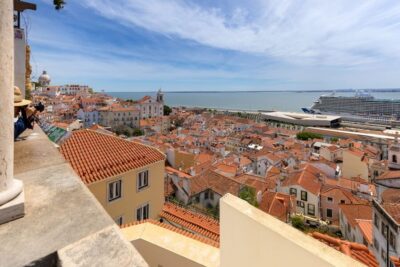

True 4Hour Private Tuk Tuk Tour: Discover Lisbon with a Local!
Read our review →
Winner 2025 Undiscovered Lisbon Food & Wine Tour by Eating Europe
Read our review →
Sintra, Pena, Cabo da Roca, Cascais Tour with Pickup
Read our review →
Best of Lisbon Small-Group Guided Walking Tour
Read our review →