Reviewed · PRIVATE
7 Days Private Tour In Portugal from Lisbon
A week in Portugal can turn into a blur, fast. This private tour keeps it organized, with a planned route, a private vehicle, and hotel pickup so you spend less time figuring out logistics. I like the way the itinerary mixes big-name sights with real neighborhood feeling, like Alfama and a proper Port wine cellar visit. One thing to consider: many major stops have tickets not included, so budget time and money for entrances and meals.
If you want the highlights without stacking buses and second-guessing connections, this works well. You get a driver/guide, WiFi on board, and a packed route across Lisbon, Sintra, Coimbra, Porto, the Douro Valley, and into Alentejo. The one drawback I’d flag is pacing: with a full schedule every day, you’ll want good walking shoes and a flexible attitude when plans run on local time.
In This Review
- Key highlights at a glance
- A 7-day Portugal plan that actually feels doable
- Lisbon day: Baixa, Alfama, Belém, and the sweet stop at Pasteis de Belém
- Sintra and the Atlantic: Pena, Cabo da Roca, Cascais, and Estoril
- Fatima to Coimbra to Porto: faith, old scholarship, and city energy
- Porto in focus: tiles, books, churches, and a Port cellar that’s part ceremony
- Douro Valley day: Pinhão tiles, Quinta do Tedo tasting, and a best-view moment
- Aveiro, Nazaré, and Óbidos: a road-trip trio back to Lisbon
- Evora in Alentejo: Roman Temple echoes, Bones Chapel, wine in Ervideira, and cork at Corticarte
- Price and value: what $2,165.28 per person really buys
- Logistics you’ll feel every day: tickets, meals, and a realistic pace
- Should you book this 7-day private tour from Lisbon?
- FAQ
- What is included in the tour price?
- Are entrance fees included?
- Do you pick me up from my hotel?
- What language is the tour in?
- Does this tour visit UNESCO sites?
- What time does the tour start each day?
- Can I cancel and get a full refund?
Key highlights at a glance
- Hotel pickup and drop-off means no meeting point stress
- UNESCO hits built into the route, including Sintra and Evora
- Private vehicle travel keeps the jump between towns realistic
- Multiple “Port wine to crafts” moments, from Gaia cellars to cork production
- A guide who adjusts to your priorities, with fast pre-trip communication (example: Hugo Goncalves, guide Manuel Da Silva)
Some other seven-hills days worth pricing up
- True 4Hour Private Tuk Tuk Tour: Discover Lisbon with a Local!★ 5.0 · 8,008 reviews
- Lisbon: Private Guided Tuk-Tuk Tour with Hotel Pickup★ 4.9 · 4,552 reviews
- Private Lisbon Sightseeing Tuk-Tuk Tour: Alfama, Belém & More★ 5.0 · 4,277 reviews
- Lisbon Highlights: Private Tuk Tuk Tour Adventure Sightseeing★ 5.0 · 3,284 reviews
A 7-day Portugal plan that actually feels doable
This tour is built for people who want a lot of Portugal, but not the “how do we get there” part. You’re moving between regions by private vehicle, which matters in a country where traffic, parking, and last-minute ticket lines can slow you down. Here, the schedule is designed so you spend your energy at the sights, not on navigation.
Because it’s private, the “group” is just you and your party. That usually means you can ask the guide to shift attention slightly, like spending more time on a viewpoint or taking a slower walk through a neighborhood. A recent example of that kind of responsiveness is mentioned in the form of pre-trip contact by Hugo Goncalves and then attentive guiding from Manuel Da Silva once in Portugal.
Lisbon day: Baixa, Alfama, Belém, and the sweet stop at Pasteis de Belém
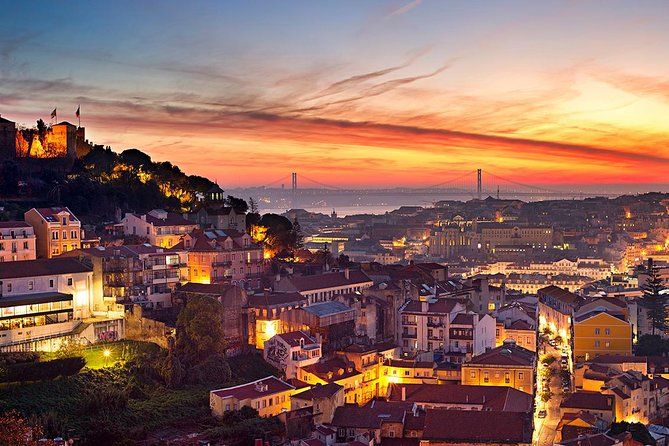
Day 1 is a classic Lisbon mix, but with a structure that helps you understand how the city was reshaped. You start in Baixa de Lisboa, the area rebuilt after the 1755 earthquake. The streets are straight and orderly, laid out around an axis that runs through Rua Augusta. It’s a good start because it gives you the city’s “new foundation” story early, before you head into the tighter lanes of older Lisbon.
Next comes Alfama, Lisbon’s oldest quarter. This is where you get the real maze feel, with small alleys and rows of buildings that were historically a strong defensive layout. It’s also closely tied to Portuguese culture like saudade and fado, with fado described as having its roots in this kind of neighborhood mood.
Then you shift to Belém for the Portuguese golden age feel: Jerónimos Monastery area, Belém Tower, and the Monument to the Discoveries (plus a modern caravel monument idea). This part is long enough to connect the stories, including the idea of sailors leaving for the unknown and doing their religious and civic rituals first.
Finally, you end with Pasteis de Belém. This is more than a snack stop. The factory visit ties the famous custard pastry to a specific place that has kept its identity for generations.
Practical note: Belém Tower and the Jerónimos area are listed as not included for admission fees, and Pasteis de Belém is also listed as not included. So expect this day to include tickets you’ll pay separately.
Sintra and the Atlantic: Pena, Cabo da Roca, Cascais, and Estoril
Day 2 is about leaving Lisbon, then shrinking the world into a single coastline-and-castles day. You start with the Centro Histórico de Sintra, where narrow alleys and regional shops do most of the entertaining. The tour also flags sweet choices in this area, specifically Queijadas de Sintra and Travesseiros de Sintra. If you like dessert tourism that feels local, this is the portion to aim for.
From there you move to the Park and National Palace of Pena. The itinerary points out that you have options, and the guide suggests what fits best, including Quinta da Regaleira as an alternative. Then you get Pena Palace itself, with that 19th-century revival style tied to romantic imagination. You also have Moorish Castle mention as a testimony to Islamic presence in the region, with construction and enlargement across earlier centuries.
After Sintra’s hills, you go to Cabo da Roca, described as the snout of the rock and as a poetic edge where land meets sea. This is a natural park viewpoint stop, tied to Portuguese poetry traditions. It’s one of those moments where you don’t need explanations to understand the drama, but it helps to know why it’s famous.
Then you continue to Marina de Cascais for a different vibe: an Atlantic-side fisherman village that turned into a beach resort. It’s relaxed, walkable, and a nice contrast after the fortress-and-palace energy.
You finish the day with Estoril, known for its casino and for the story connection to Casino Royale during World War II. The tour returns to Lisbon via the Marginal road with ocean scenery along the coast, which is a smart way to make the transfer feel like part of the day.
Practical note: Pena Palace admissions are listed as not included, so plan for tickets. Also, this day is dense. Expect to move from hillside to coastline and back, with good walking in short bursts.
Fatima to Coimbra to Porto: faith, old scholarship, and city energy
Day 3 is a long cultural arc, starting with Fatima. You begin at the Museu do Santuário de Fátima, where optional mass attendance is mentioned. Then you move to the Basilica de Nossa Senhora de Fátima in Neo Baroque style. The itinerary highlights tombs of the children and Sister Lucia, plus the Basilica of Santissima Trindade, built in 2007 with a large seating capacity and modern imposing feel.
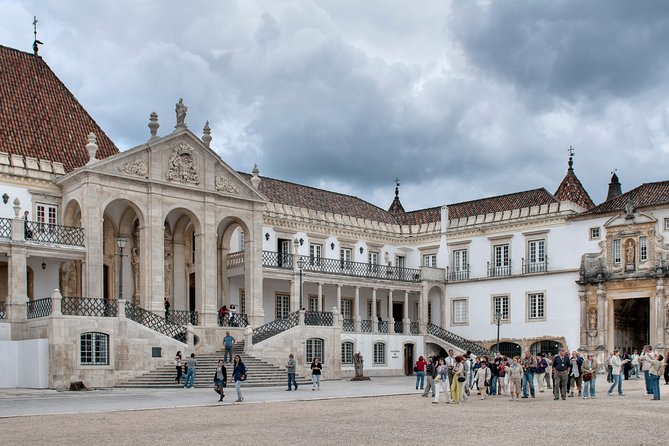
From there, you head to Coimbra, starting with Coimbra University and its highlight, the Joanine Library. The tour notes the library is built on the former prison site, and it’s famous for its 18th-century fresco work and ceiling details. Even if you’re not a museum person, this library story gives context. It’s one of those spaces where the art and the building’s past create the drama for you.
Then you wander Se Velha de Coimbra, the downtown area between the Mondego River and the university. This is where cafes, pastry shops, and small squares help you slow down after the big-ticket institutions. It also sets you up for dinner later in Porto, since you’ve been in “sightseeing mode” most of the day.
Then you continue onward to Oporto, with an overnight in Porto.
Practical note: Coimbra University admissions are listed as not included, and the Fatima museum is also not included, while the basilica is listed as free. So you get a mix of costs across the day.
Other trips that start in Lisbon and end well:




Porto in focus: tiles, books, churches, and a Port cellar that’s part ceremony
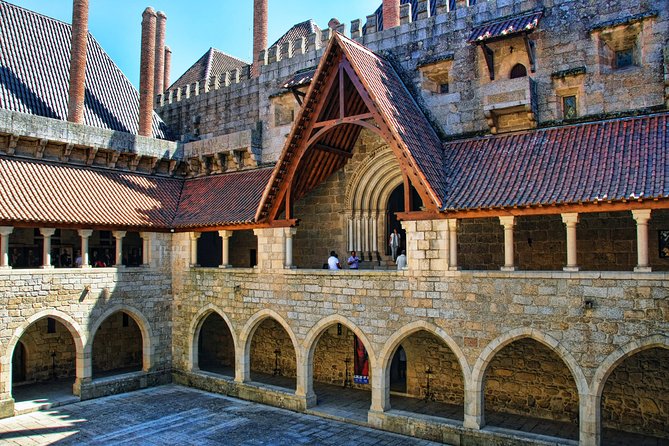
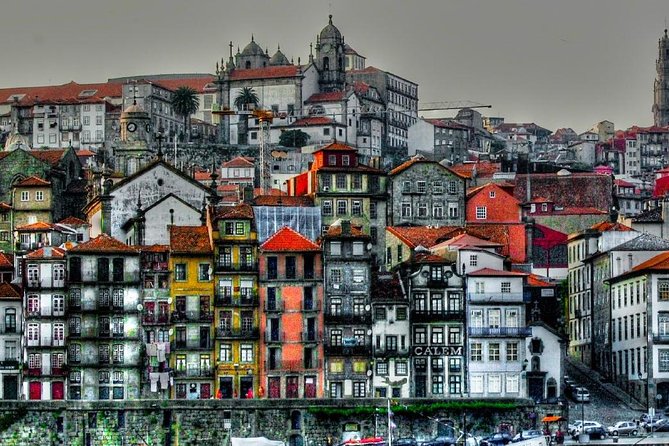
Day 4 is Porto’s greatest-hits route, and it’s arranged in a way that keeps the city readable. You start near Avenida dos Aliados, with Porto City Hall as the reference point for the city’s central axis. It’s not just a building stop, it’s a way to orient yourself in Porto’s layout.
Next is Livraria Lello, one of the most famous bookstores in Portugal. The tour notes the staircase as a major attraction and connects it to Harry Potter fans and the author’s connection to Porto through her marriage and time there. If you’re interested in architecture and literary culture, it’s worth your attention. If you’re not, you might find it more “icon photo stop” than “must-see.” Either way, now you know where it sits in the day.
Then you go to São Bento Railway Station, which is famous for its tile panels by artist Jorge Colaco. The itinerary describes how the tiles create a kind of visual trip through Portuguese history and civilizations, with special mention of the emphasis on northern regions and different occupations. This stop is a great example of cultural storytelling without a long museum format.
After that comes Igreja de San Francisco. The tour describes Romanesque roots, later Gothic and Baroque changes, and the gilded carvings. It also mentions the idea of tons of gold dust used in its decoration and a sculpture called the Tree of Jesse. That mix can be overwhelming if you’re rushed, so it helps that the day includes breaks in between with transit and walking.
You finish in Gaia with a Port wine cellar visit, specifically Churchill’s cellars mentioned in the itinerary. This is the “process plus atmosphere” part. You get a sense of how wine aging works and you taste, with the tour describing the full idea from harvest to final product.
Practical note: many of these major indoor stops are listed as not included for admission fees, including City Hall, Lello, and the church, plus the cellar visit. Sao Bento station is listed as free, which helps balance the day.
Douro Valley day: Pinhão tiles, Quinta do Tedo tasting, and a best-view moment
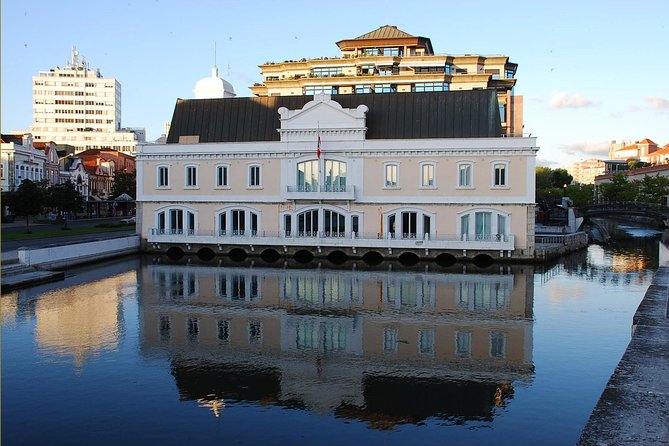
Day 5 is your shift to wine region mode. You start with Igreja de São Gonçalo in Amarante. This area is framed around old architecture and a historical center walk, plus the famed São Gonçalo sweets that are described with a playful explanation about their look and a June tradition linked to courtship.
Then you go to Pinhão Railway Station, highlighted for 19th-century tiles that show the Douro landscape and daily life. The itinerary’s tile description includes grape-foot treading and rabelo boats for transport. Even if you only spend a little time there, the station tiles give you a quick “how this region works” lesson without a lecture.
Next is Quinta do Tedo, a local winery stop. The tour describes winemaking instruction and a tasting, with the key idea that you learn the methods and grapes that create the best-known wines of the area. Since the Douro is all about steep terrain and variety, a guided winery visit is one of the best value moments in the entire week.
Finally, you end with Casal de Loivos Viewpoint, described as the best view at the Douro Valley. It’s short, just 30 minutes, but it’s the type of stop that gives your brain a reset after hours of tasting and walking through villages.
Practical note: Quinta do Tedo admissions are listed as not included. The viewpoint and station stops are listed as free.
Aveiro, Nazaré, and Óbidos: a road-trip trio back to Lisbon
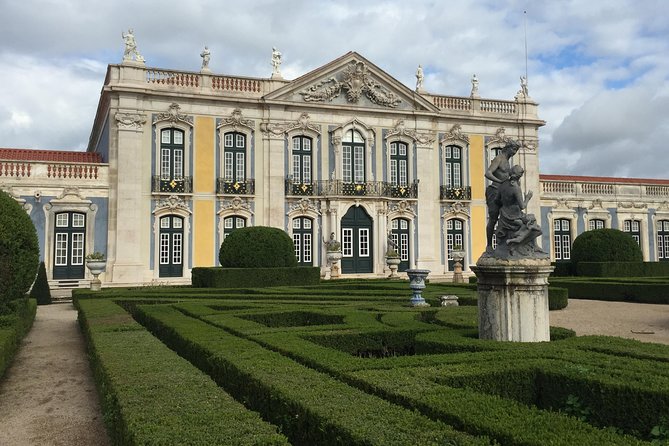
Day 6 is the return leg, but it’s not a boring transit day. You start in Aveiro, described as the Portuguese Venice for its canals. The tour suggests a boat ride on a Moliceiro to understand how the city’s canals and seaweed and salt ties shaped local life. Even if you skip anything optional, Aveiro’s canal setting is usually easy to enjoy without stress.
Then you visit Aveiro Railway Station, described as a wrought iron and glass construction often linked to Gustavo Eiffel. The tour also notes Art Nouveau buildings. This is a good example of how the itinerary mixes big landmarks with design details that make a city feel specific.
Next is Nazaré, described as a pictorial village with churches and traditional houses. The itinerary brings in the story of Nazaré Cannon waves and the 2013 world record mentioned about an American surfer reaching around 30 meters. It also flags the local tradition of the seven skirts worn by wives from Nazaré.
Then you head to Óbidos, which is clearly positioned as a UNESCO World Heritage site. You walk through narrow streets and white painted houses, plus traditional shops along the walls. The itinerary adds background about Óbidos as a wedding gift tied to Portuguese royalty and the way later queens used the village for construction projects like aqueducts and fountains.
You end with an overnight in Lisbon.
Practical note: Óbidos is free for admissions listed as free. Aveiro and Nazaré stops are also listed as free, which helps with overall daily costs.
Evora in Alentejo: Roman Temple echoes, Bones Chapel, wine in Ervideira, and cork at Corticarte
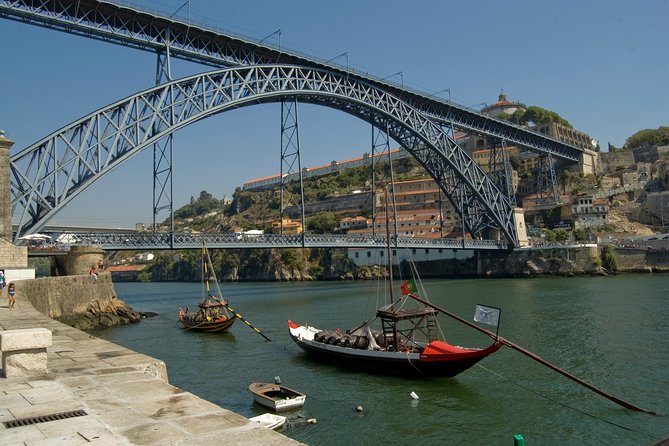
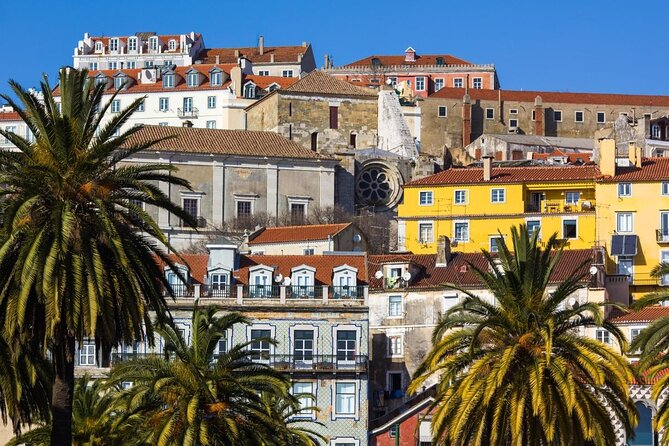
Day 7 is where the week expands into Alentejo. You start with Centro Histórico de Évora, described as a royal residence center for artists and aristocratic mansions. You begin with the Roman Temple of Diana next to Évora Cathedral, plus the Aqueduct of Água da Prata outside the city walls.
This is a slow, reflective stop compared to some other days, because the real payoff comes from noticing how Roman and later Portuguese layers overlap. The tour even points out that some arches remain visible inside the city, built in the 16th century to move water.
Then comes Chapel of Bones, a major ex-libris type of stop. The itinerary describes it as the Church of São Francisco and specifically the Bones Chapel with skulls and bones of 500 monks and a message about bones awaiting the viewer. This is not subtle. If you’re sensitive to morbid art, this may be a mentally heavy moment, but it’s also historically and artistically distinct.
After that you move to Ervideira for an Alentejo wine visit and tasting. The itinerary lays out the basic region logic: hot and dry climate, needing water, soils and relief leading to grape maturation, and the resulting wine profile. It also specifies you’ll visit one winery based on the winery agenda, with Foundation Eugenio de Almeida (Cartuxa wines) mentioned as an example.
Then you finish with Corticarte – Arte em Cortiça, a cork factory visit. Cork is explained as bark from a cork oak that grows back, with a timing window mentioned for removal after years and an idea that the bark thickness reaches up to 25 centimeters. The tour connects this to Portugal producing about 55% of world cork and outlines how it affects wine aging through tiny oxygen exchange.
This cork stop is listed as admission included, which is a nice bonus at the end of a week that otherwise leans on separate ticket fees.
Practical note: Chapel of Bones is listed as not included, and the winery stop is not included.
Price and value: what $2,165.28 per person really buys
At $2,165.28 per person for about seven days, you’re paying for more than driving. You’re paying for:
- Private vehicle transport between distant regions, including Lisbon, Sintra, Coimbra, Porto, Douro, and Alentejo
- A driver/guide plus WiFi on board
- All taxes, fees, and handling charges
- Personal accidents insurance
The biggest value lever is time and stress. A DIY version of this itinerary would require juggling hotel locations, local transit between cities, and ticket timing for Pena Palace, Coimbra’s library, the Porto stops, Douro winery visits, and Evora’s major sights.
Where you should watch your spending is admissions and meals. The tour lists admission fees not included and meals not included, which means your final trip total depends on how many ticketed stops you choose to fully do on site. The itinerary does include some free stops, plus cork factory admission included, but you should still expect extra day-by-day costs.
For couples or small groups who want comfort and a clear plan, the price can feel fair. For solo travelers who are comfortable driving and managing connections, it might feel steep. But for the “show me the route, I’ll do the enjoying” type, this is the kind of week that saves energy.
Logistics you’ll feel every day: tickets, meals, and a realistic pace
This tour starts at 9:00 am and includes pickup at your accommodation. That matters because you can begin the day without wasting time on a meeting point. You also get a mobile ticket, which tends to make check-in simpler.
Pacing is the main practical reality. Each day stacks multiple stops, and some days focus heavily on interiors or viewpoints. I’d plan for a firm routine: water, snacks if needed, and shoes that handle cobbles and stairs. If you’re the type who likes long museum pacing, you might find some stops feel time-boxed, especially in Porto and Lisbon where there are multiple major indoor sights.
For food, meals aren’t included, but the itinerary gives you built-in “food cues” like Pasteis de Belém, plus Sintra sweets (Queijadas de Sintra and Travesseiros de Sintra). For the rest, you’ll likely rely on what you find near walking routes and local lunch/dinner choices.
Should you book this 7-day private tour from Lisbon?
Book it if you want a private, organized route that hits major regions and keeps transfers sensible by car. You’ll especially like it if you care about UNESCO sites like Sintra and Evora, you want a Porto day that includes tiles and a Port cellar, and you’re open to wine and a cork factory visit that adds real industry context.
Skip it or reconsider if you want lots of free time each day, or if you hate paying separate admissions because many of the biggest sights are listed as not included. Also, if you don’t enjoy walking through older streets and stairs, some neighborhood and viewpoint stops could feel like too much.
If your ideal Portugal trip is about efficient, high-impact exploring with a guide who can help you prioritize, this is a strong fit.
FAQ
What is included in the tour price?
The price includes a driver/guide, private vehicle transport, WiFi on board, all taxes, fees, and handling charges, and personal accidents insurance. Meals, hotels, and admission fees are not included.
Are entrance fees included?
Admission fees are not included in the tour price. Some specific stops are listed as free, and cork factory admission at Corticarte is listed as included, but you should expect to pay tickets for several major sights.
Do you pick me up from my hotel?
Yes. Pickup is offered from your accommodation, with hotel pickup and drop-off included. The tour also lists no need to go to a meeting place.
What language is the tour in?
The tour is offered in English.
Does this tour visit UNESCO sites?
Yes. The itinerary specifically includes UNESCO-listed sites such as Sintra and Évora.
What time does the tour start each day?
The start time is listed as 9:00 am.
Can I cancel and get a full refund?
Yes, you can cancel for free. The policy says you can cancel up to 24 hours in advance for a full refund.
Fresh across the seven hills
- Full-day Private Tour: Fátima Sanctuary, Batalha, Nazaré, Óbidos
★ 5.0 · 6 reviews - Porto Private Tour from Lisbon
★ 4.5 · 6 reviews - VIP transfer from the airport to Lisbon hotels
★ 5.0 · 6 reviews - Lisbon Photoshoot: Capture Your Adventure
★ 5.0 · 6 reviews - Lisbon: Romantic Sunset Cruise With Wine & Portuguese Tapas
★ 5.0 · 6 reviews - Arrábida Wine Tour – 3 Wineries, Traditions & Views from Lisbon
★ 4.5 · 6 reviews - Lisbon: Sintra, Pena Palace, Belém Tour + sunset Boat Cruise
★ 5.0 · 6 reviews
Private, compared.

True 4Hour Private Tuk Tuk Tour: Discover Lisbon with a Local!
Read our review →Private Guided Tuk-Tuk Tour with Hotel Pickup
Read our review →
Private Lisbon Sightseeing Tuk-Tuk Tour: Alfama, Belém & More
Read our review →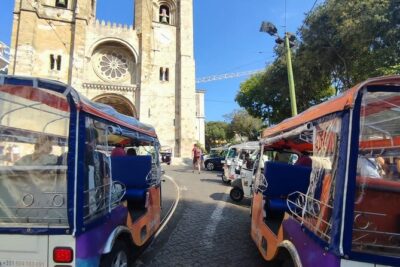
Lisbon Highlights: Private Tuk Tuk Tour Adventure Sightseeing
Read our review →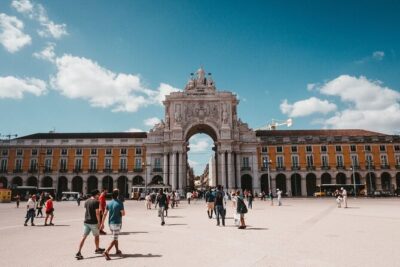
Welcome Lisbon Tour with Local Guide in Private Eco Tuk Tuk
Read our review →
Sintra Full-Day Private Tour – A Journey through Wonderland
Read our review →
Sintra Private Trip from Lisbon Customizable Dreamlike Experience
Read our review →