
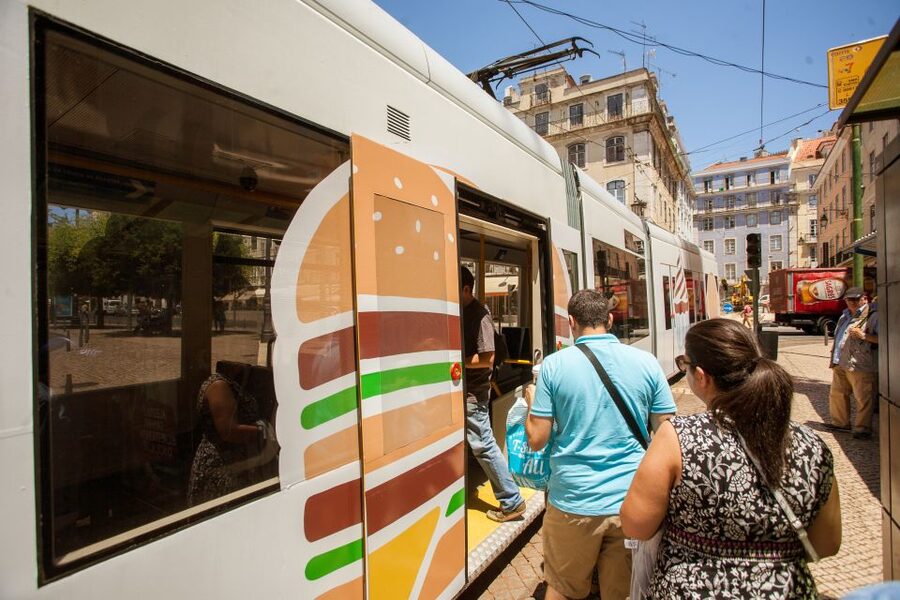
Reviewed · BELéM DISTRICT TOURS
Belém: Lisbon 3-Hour Walking Tour
Belém has a way of pulling you toward the water. This 3-hour walking tour pairs a pleasant Tagus-side stroll with big UNESCO sights like the Mosteiro dos Jerónimos and the Torre de Belém, plus a classic stop for Pastel de Belém. I like how the route makes the Age of Discoveries feel physical, not just textbook, and you get plenty of time to look closely. One possible drawback is that the guide can lean very heavy on historical explanation, so if you want mostly quick sightseeing with minimal lecture, you might find the pacing a bit intense.
I also appreciate the practical setup: you meet near Praça D. Pedro IV by the D. Maria II Theatre, then take a round-trip tram to Belém, so you are not burning energy on transit. The small group size (limited to 10) helps, especially when you want to ask questions. Still, check how you handle long storytelling sessions, because some groups reported the tour running longer than the planned 3 hours.
Finally, if you care about architecture, this is a strong match. Manueline style, Portuguese maritime ambition, and the limestone drama of Torre de Belém come together in a compact walk you can actually enjoy.
In This Review
- Key Highlights Worth Your Time
- Start At Praça D. Pedro IV, Then Ride the Tram to Belém
- Belém Along the Tagus: Why the River Walk Matters
- Mosteiro dos Jerónimos: Manueline Detail You Can Actually Appreciate
- Torre de Belém: The Limestone Icon and the 7 Wonders Story
- Rua de Belém and Fabrica de Pasteis de Belém: The Pastel Stop That Feels Local
- Price and Logistics: Is $23 for 3 Hours Worth It?
- Guide Style and Timing: What to Expect From the Storytelling
- Who This Belém Tour Suits Best
- Should You Book This Belém Walking Tour?
- FAQ
- Where is the meeting point for the tour?
- How long is the tour?
- Is the tram ride included?
- What food is included?
- Are monument fees included?
- What language is the tour guide?
Key Highlights Worth Your Time
- Manueline architecture at Mosteiro dos Jerónimos, built in the mid-1400s under the Infante Henry the Navigator theme of discoveries
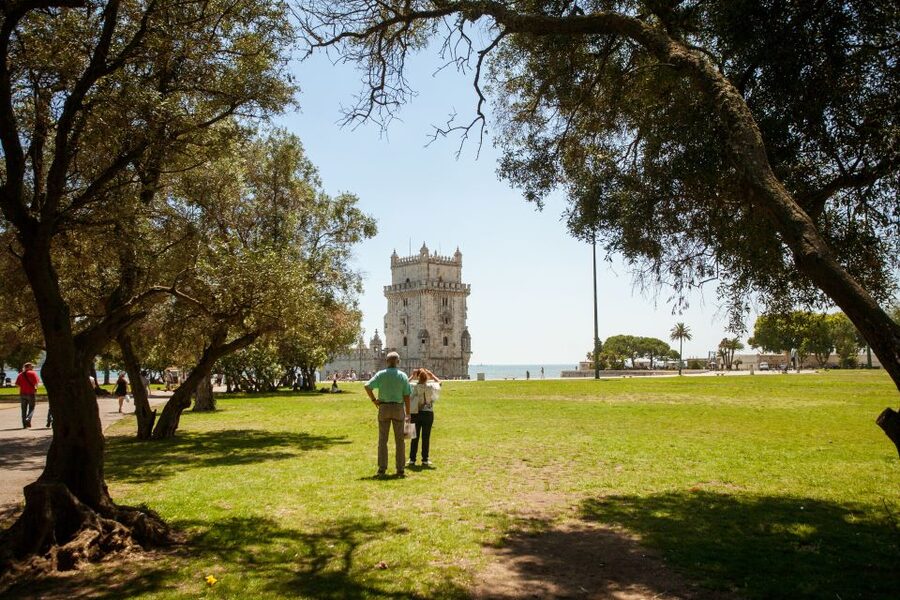
- Torre de Belém on the Tagus, UNESCO-listed and named one of the 7 Wonders of Portugal in 2007
- A guided maritime-history walk that connects military outposts, squares, and modern symbols in Belém
- Rua de Belém and 160-year-old storefronts, including Fabrica de Pasteis de Belém
- One Pastel de Belém included, an easy, delicious way to anchor the tour in local life
- Small group of up to 10, with an English-speaking guide and time to process what you see
More time around Belem and its tower:
- Private Lisbon Sightseeing Tuk-Tuk Tour: Alfama, Belém & More★ 5.0 · 4,277 reviews
- Age of Discoveries Walking Tour in Belém★ 5.0 · 1,513 reviews
- Lisbon: Bike Tour from Lisbon to Belém + Liquor & Pastry★ 4.7 · 688 reviews
- Bike Tours Lisbon – Center of Lisbon to Belém★ 5.0 · 686 reviews
Start At Praça D. Pedro IV, Then Ride the Tram to Belém
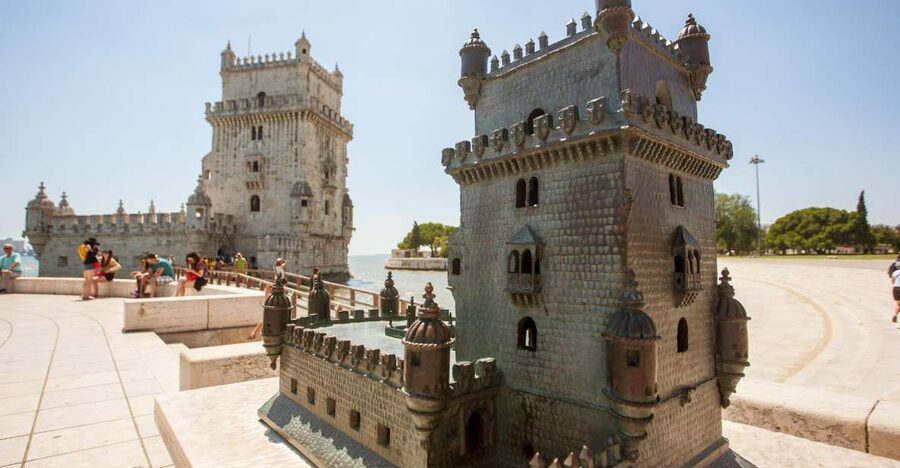
I like how this tour begins with an easy city anchor. You meet at Praça D. Pedro IV, near the D. Maria II Theatre, a location that is straightforward to find. From there, the tour uses a two-way tram ride between Lisbon and Belém and back, which matters more than it sounds. It reduces the stress of navigating transit while still keeping the day feeling local.
The vibe at the start is also clear. Your guide will be wearing a black backpack with the Lisbon Spirit logo, and you are in a small group of up to 10. That size is big enough to get energy from the group, but small enough that the guide can actually track attention spans and answer questions.
One practical tip: bring comfortable shoes. The itinerary is built around walking, and Belém is the kind of neighborhood where you will want to slow down naturally when the buildings and river views pull your eyes off the sidewalk.
Belém Along the Tagus: Why the River Walk Matters
Belém is not just about monuments. It is also about mood. The district sits along the Tagus River, and that waterfront geography turns every stop into more than a photo opportunity. On a walking tour like this, you feel the neighborhood’s rhythm: moving from squares and streets into viewpoints, then back into the architecture.
You also get a sense that Belém grew in layers. The area has been settled since Paleolithic times, but it gained real importance during Portugal’s maritime peak. The guide’s job here is to connect what you see to why it exists, including military outposts and modern symbols that sit beside older grandeur.
This is also where the small-group format helps. When you have 8 to 10 people instead of a crowd, you can look longer and still keep the tour moving at a human pace. Just remember that if the guide goes deep on history, you may feel like you are sitting through explanations more than you expected, even though you are technically walking most of the time.
Mosteiro dos Jerónimos: Manueline Detail You Can Actually Appreciate
The Mosteiro dos Jerónimos is the big one, and for good reason. This is the monument where you see Manueline style at its most theatrical, with design shaped by the themes of exploration and Portugal’s era of great discoveries. The order behind it, the Hieronymites, built it around 1459, linked to the spirit of the Infante Henry the Navigator and the voyages that put Portugal on the world map.
What makes this stop valuable on a walking tour is the way it gives your eyes something to do. Manueline architecture is all about ornament, symbols, and craft. Without context, it can look like decorative overload. With a guided explanation, the details become readable. You stop thinking only about how it looks and start thinking about what it was meant to communicate.
One review point I take seriously: the Mosteiro is best experienced by going inside. If your tour includes interior time, treat that as the payoff. You will understand the building’s scale and intent more when you are not just staring from outside like a drive-by.
A small logistics note: monument fees are not included except for the Mosteiro dos Jerónimos. In practical terms, you should assume this is the site where you are least likely to have surprises. If you are the type who hates last-minute payment moments while on vacation, this is a reassuring detail.
Torre de Belém: The Limestone Icon and the 7 Wonders Story
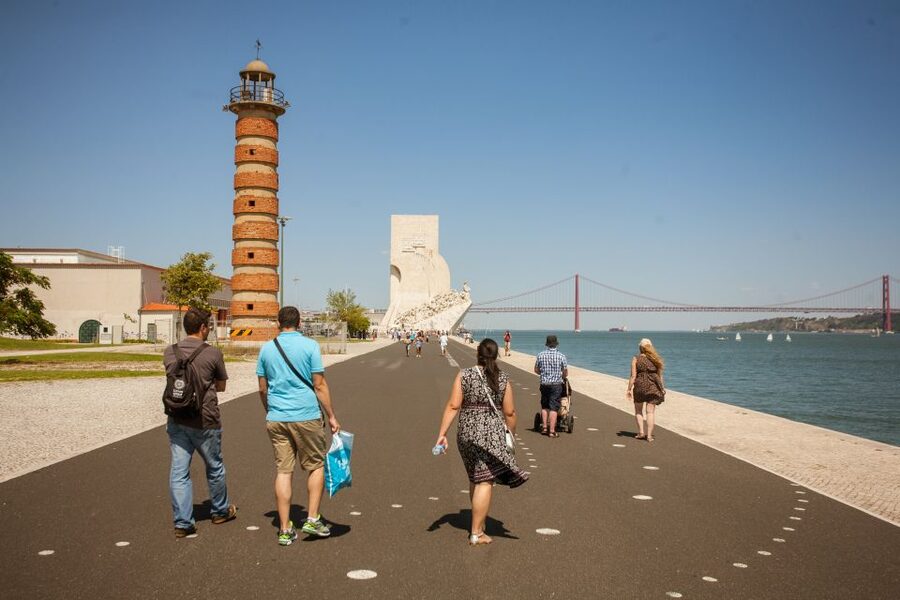
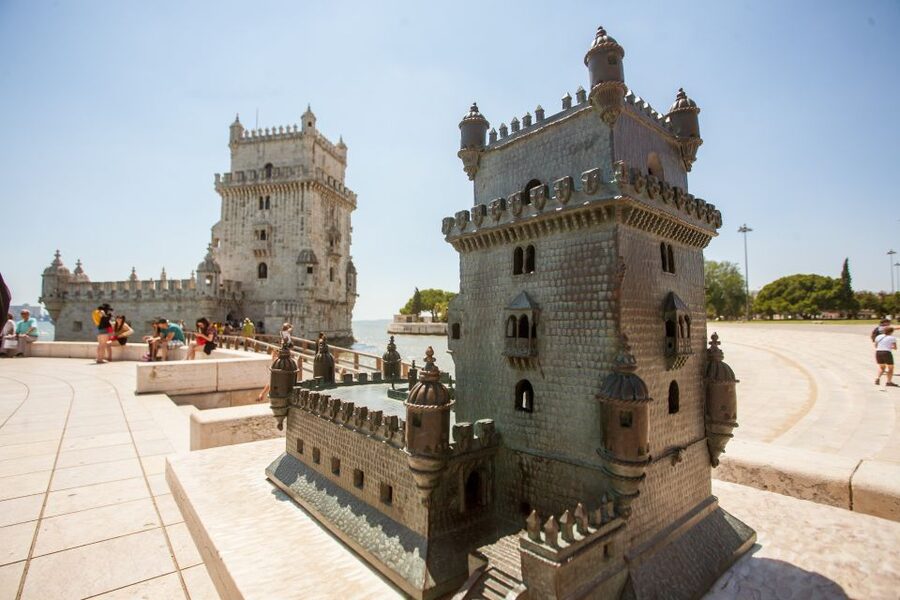
After the monastery, the tour shifts you toward the river-facing drama of the Torre de Belém. This tower is built from limestone, and it belongs to the early 16th-century wave of construction tied to Portugal’s maritime identity. It is also recognized in two major ways: it is UNESCO listed (inscribed in 1983) and it was named one of the 7 Wonders of Portugal in 2007.
I like this stop because it is easy to understand why it became a symbol. A tower like this makes sense in a coastal city. It is protective, strategic, and visible. But the guide’s perspective turns it from a generic landmark into a specific piece of a larger story.
If you want to photograph, you will have a moment of real payoff here. The tower sits along the water, and even when the light is not perfect, the setting helps it look imposing. You do not need special gear. You just need to slow down long enough to see how the tower’s shape and material catch the light.
Also, plan for the possibility that you will spend more time here looking carefully than you would on a quick stop. That is not a flaw. Belém rewards attention, and the guide’s explanations are usually aimed at helping you notice what you would otherwise miss.
More Lisbon miradouros linked on foot:


Rua de Belém and Fabrica de Pasteis de Belém: The Pastel Stop That Feels Local
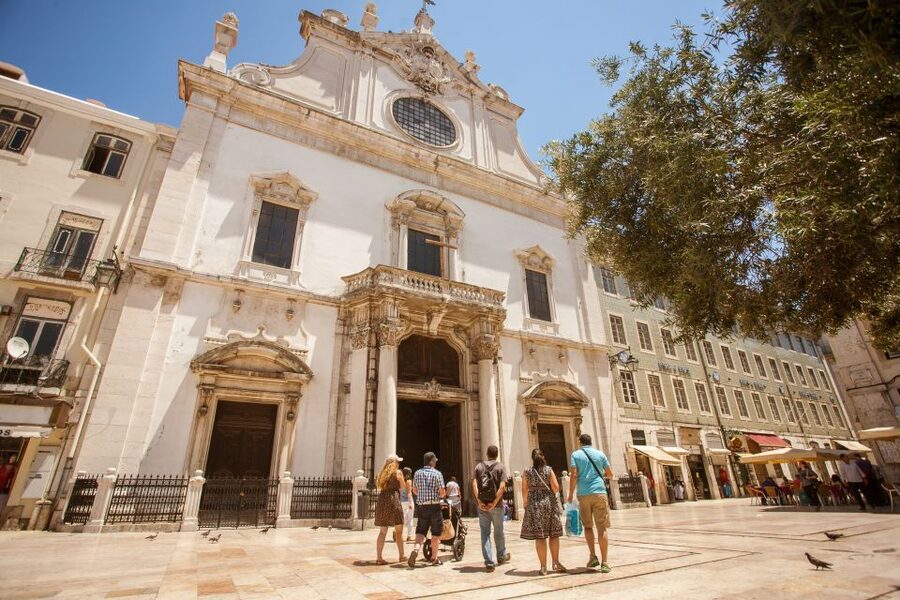
The tour earns points for mixing monument focus with street-level Belém. A key street is Rua de Belém, lined with buildings that have survived for a long time, including 160-year-old storefronts. That kind of detail matters because it keeps the day from turning into a museum-only experience.
The pastry stop at Fabrica de Pasteis de Belém is also the right kind of food break. You get one Pastel de Belém, the famous Portuguese egg tart made with flaky pastry. Eating it during the tour does more than fill your stomach. It gives you a Belém ritual to attach to the architecture and river setting, which is how travel sticks in your memory.
Two things to remember so you enjoy it fully:
- Pastel de Belém is best when it is fairly fresh, so do not treat this like a souvenir snack. Eat it soon after you receive it.
- One tart is enough to keep energy up for a walking tour, but it is not a full meal. If you get hungry, plan to eat after the tour ends.
If you are a pastry person, this stop alone can justify the outing. It is also a good reset if the guide’s historical talk starts to feel like it is running long.
Price and Logistics: Is $23 for 3 Hours Worth It?
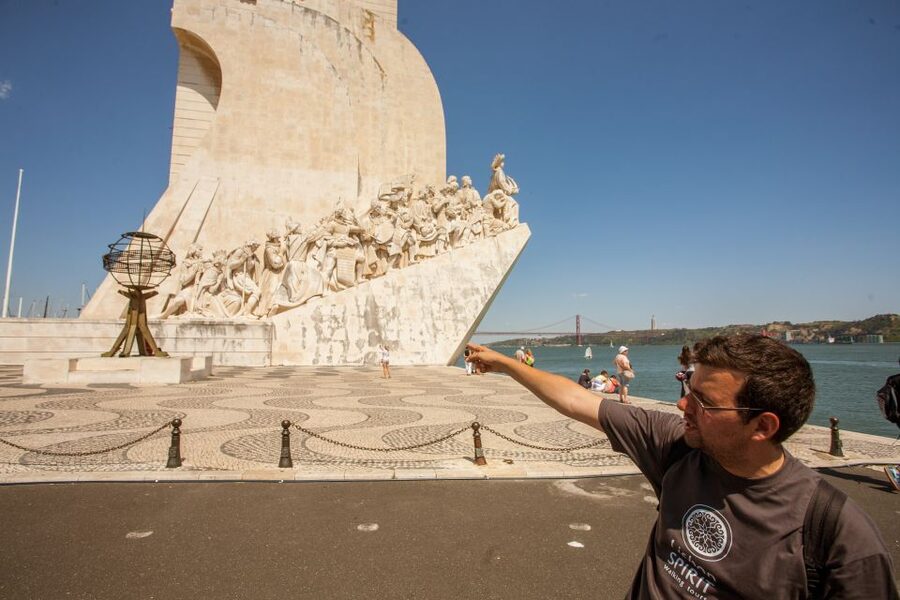
Let’s talk value. At $23 per person for a 3-hour tour, the deal is strongest if you want a guided route that handles transit and at least one iconic taste.
Here is what you get that usually drives up costs on your own:
- Round-trip tram transport between Lisbon and Belém
- A live English guide
- 1 Pastel de Belém included
- Focus on two UNESCO-designated monuments, with entry fees handled for the Mosteiro dos Jerónimos
What is not included: monument fees in general, except for the Mosteiro dos Jerónimos. So if you are budgeting, treat the tour price as covering the guidance, transport, and your pastry, while other monument costs may be on you.
Is it a bargain? For Lisbon, it is in the reasonable range, especially because you are paying for wayfinding and interpretation, not just access. I think it becomes great value if you enjoy architecture and history enough to want a guide translating what you are seeing. If you only want to take a quick look and move on, you could find cheaper self-guided options. But self-guiding does not replicate that moment when the Manueline details click.
Guide Style and Timing: What to Expect From the Storytelling
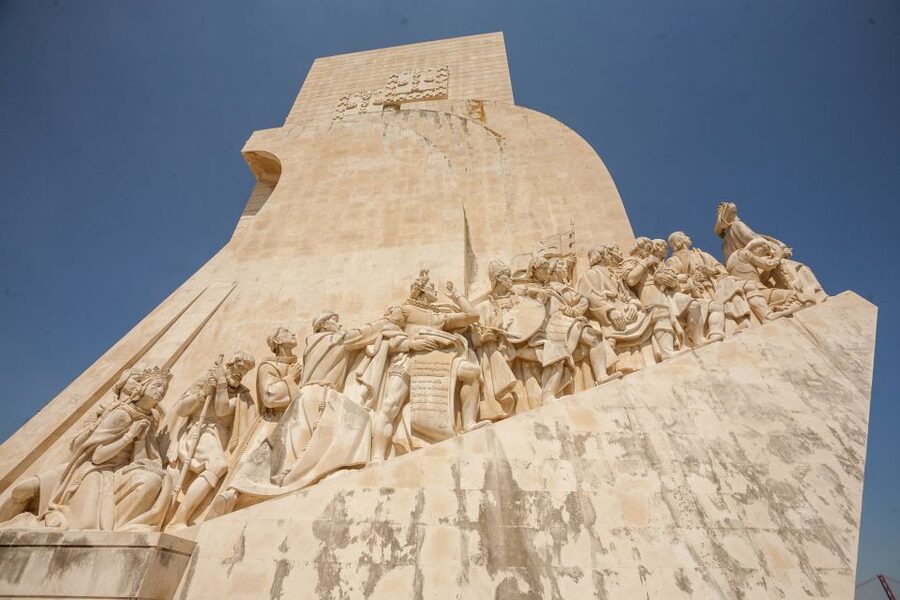
One theme from past experiences is the guide’s approach. Guides on this tour can be very strong on knowledge and often deliver history in a structured way, with humor and lots of detail. That works well if you like to understand the why behind the stone.
It can also create friction. Some people want less history and more walking time. Others struggle when the guide talks quickly or does not pause enough for questions. And one person noted the tour ran about 1.5 hours longer than planned, which is worth taking seriously.
So here is my advice to you:
- If you are the kind of traveler who likes to ask questions and absorb context, this tour should feel satisfying.
- If you prefer faster pacing, tell yourself in advance that you may need to push for breaks or shorter answers. Your question time may be the difference.
Also, the tour can touch on political themes around national identity and historical interpretation. If you are trying to keep the tone strictly art and architecture, it may not match your style perfectly. Still, the core focus stays on the monuments and how Belém became what it is today.
Who This Belém Tour Suits Best
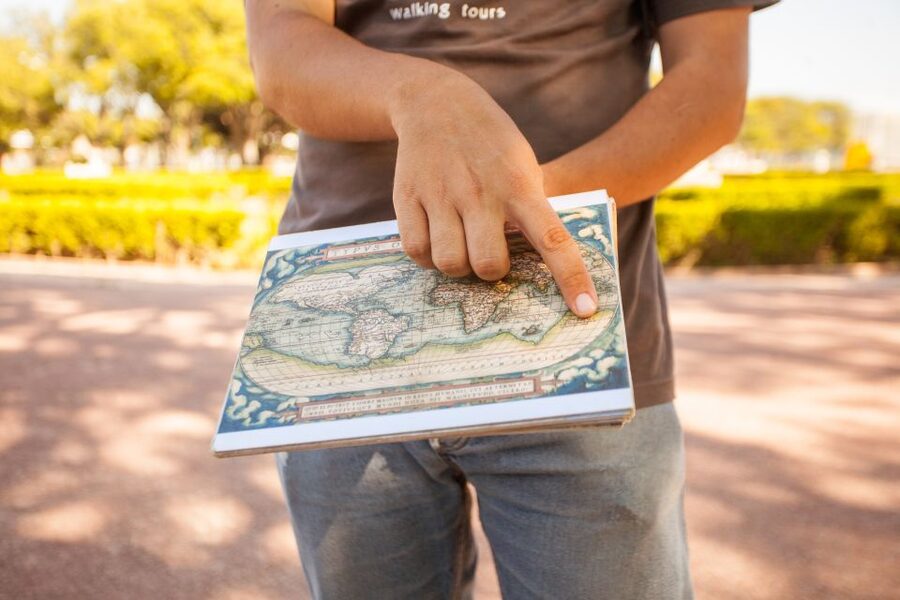
This tour fits best if you want a compact, meaningful Belém experience without planning. You are going to walk, see major UNESCO sites, and eat a classic local pastry. That combination is ideal for a first visit to Belém.
It is especially good for:
- People who enjoy architecture and want context for Manueline details
- Travelers who like maritime history explained in an organized way
- Anyone who wants a low-effort day, with tram transport handled and a food stop built in
It might be less ideal for:
- You if you want mostly scenery with minimal speaking
- You if long explanations make you tune out
- You if you dislike any political framing in historical stories
If you fall into the second group, you can still book, but go in with your expectations set. Ask the guide where the best viewpoints are, and keep an eye on how much time is spent between stops versus talking at length.
Should You Book This Belém Walking Tour?
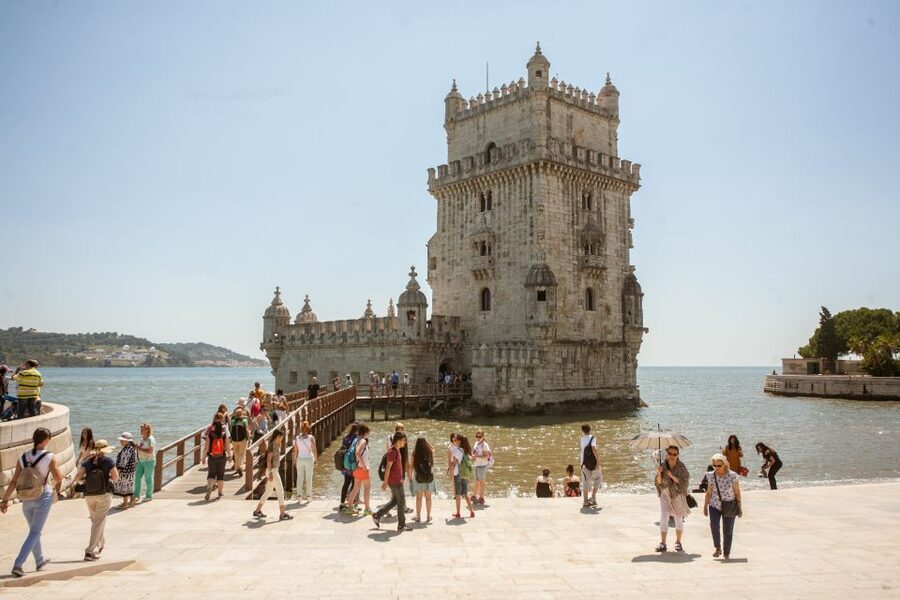
I would book this tour if you want a guided route that takes you through Belém’s most important visual anchors, with Mosteiro dos Jerónimos and Torre de Belém doing the heavy lifting. The inclusion of the tram and a Pastel de Belém turns it into more than just a sightseeing checklist.
I would skip it if your ideal afternoon is quick stops, lots of wandering, and short explanations. This one can be history-forward, and that is exactly what some people love and others find tiring.
If you are on the fence, think about your travel style. If you like learning what the stone is saying, this tour is a strong match. If you mostly want photos and fresh air, you may want to design your own Belém route instead.
FAQ
Where is the meeting point for the tour?
Meet at Praça D. Pedro IV near D. Maria II Theatre.
How long is the tour?
The tour lasts about 3 hours.
Is the tram ride included?
Yes. The price includes a two-way tram trip from Lisbon to Belém and back.
What food is included?
You get 1 Pastel de Belém.
Are monument fees included?
Monument fees are not included except for the Mosteiro dos Jerónimos.
What language is the tour guide?
The live tour guide speaks English.
Fresh across the seven hills
- Full-day Private Tour: Fátima Sanctuary, Batalha, Nazaré, Óbidos
★ 5.0 · 6 reviews - Porto Private Tour from Lisbon
★ 4.5 · 6 reviews - VIP transfer from the airport to Lisbon hotels
★ 5.0 · 6 reviews - Lisbon Photoshoot: Capture Your Adventure
★ 5.0 · 6 reviews - Lisbon: Romantic Sunset Cruise With Wine & Portuguese Tapas
★ 5.0 · 6 reviews - Arrábida Wine Tour – 3 Wineries, Traditions & Views from Lisbon
★ 4.5 · 6 reviews - Lisbon: Sintra, Pena Palace, Belém Tour + sunset Boat Cruise
★ 5.0 · 6 reviews
Belém District Tours, compared.

Private Lisbon Sightseeing Tuk-Tuk Tour: Alfama, Belém & More
Read our review →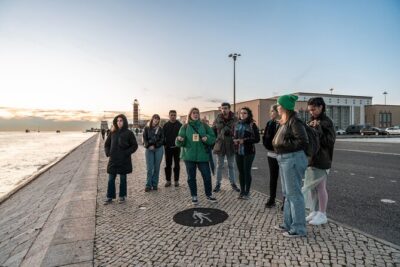
Bike Tour from Lisbon to Belém + Liquor & Pastry
Read our review →
Bike Tours Lisbon – Center of Lisbon to Belém
Read our review →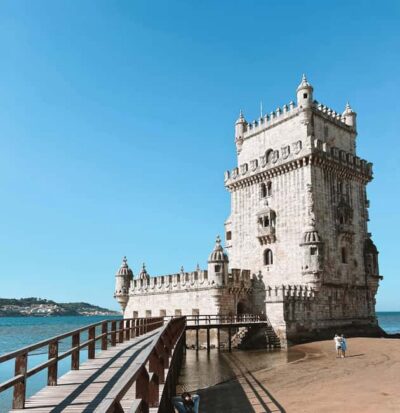
Belém Walking Tour with Jerónimos Monastery Ticket
Read our review →
Belem Walking Tour with Jeronimos Monastery Ticket
Read our review →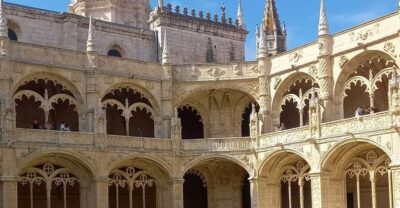
Belem, Jeronimos Monastery, and Coach Museum Tour
Read our review →Browse the lists this tour appears in