
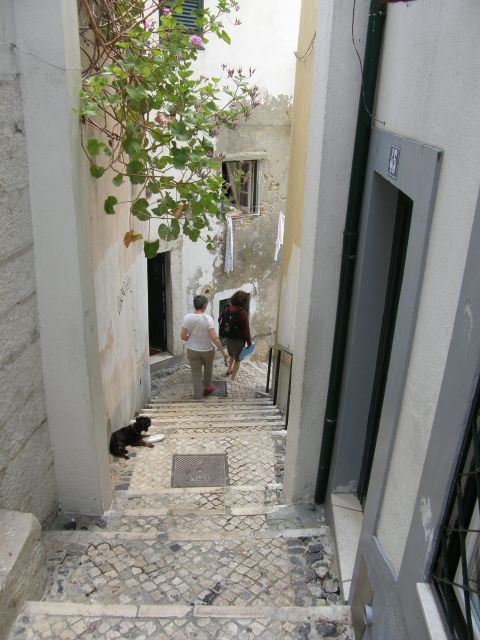
Reviewed · ALFAMA QUARTER TOURS
Lisbon: Alfama and São Jorge Castle Quarters Walking Tour
In Alfama, every corner feels like a story. This half-day walk threads through Alfama to São Jorge Castle walls, with Lisbon Cathedral included and fado in the mix; I also love how it connects Roman Olisipo and Moorish Al-Hamma to street-level landmarks, not just timelines, and I’m a big fan of the panoramic break at Portas do Sol. One possible drawback: São Jorge Castle interiors are not included, so you’ll focus on the walls and viewpoints, not a full castle visit.
The vibe here is classic Lisbon, tight lanes, sudden viewpoints, and a guide who helps you read the neighborhood like a map. If you want an easy way to get your bearings on your first days in town, this route gives you context you can actually use while you wander on your own. It’s also not the right pick if mobility is an issue, since it’s built around walking and old-quarter streets.
In This Review
- Key highlights worth showing up for
- Alfama and São Jorge walls give Lisbon context fast
- Casa dos Bicos meeting point, the House of Spikes origin story
- Walking the Cetária to Olisipo: Roman Lisbon shows up in odd places
- Alfama’s maze, secret stairways, and why the streets feel alive
- Fado origins at Largo do Chafariz de Dentro
- Lisbon Cathedral: a guided look at mixed architectural styles
- Portas do Sol belvedere: panoramic payoff without the guesswork
- São Jorge Castle walls, but not the interior: plan accordingly
- PPE included, and what that means for your walk
- Guide languages and the small-group feel you might get
- Value check: $23 for 150 minutes of place-based Lisbon
- Who this tour suits best, and who should skip it
- Should you book this Alfama and São Jorge walking tour?
- FAQ
- Where do I meet for the Lisbon Alfama and São Jorge Castle walking tour?
- How long is the tour?
- Is Lisbon Cathedral included?
- Is São Jorge Castle entrance included?
- What languages are the live guides available in?
- Is this tour suitable for people with mobility impairments?
Key highlights worth showing up for

- Starting at Casa dos Bicos (House of Spikes), built around 1523, and tied to the 1755 Lisbon Earthquake survival story
- Roman Olisipo to Moorish Al-Hamma, taught through places like the Cetária evidence
- Fado origin and local custom timing, including a stop at Largo do Chafariz de Dentro
- Hidden squares, interior patios, and stairways that explain why Alfama is confusing in the best way
- Lisbon Cathedral with a guided visit, mixing architectural eras you can spot as you look
- Portas do Sol belvedere for big views, the kind you’ll want to linger over
More time up at Sao Jorge:
- Lisbon: São Jorge Castle E-Ticket and Audio Guide★ 4.3 · 2,182 reviews
- Lisbon: Sao Jorge Castle Skip-the-Line Ticket with Guide★ 4.6 · 1,191 reviews
- São Jorge Castle Skip-the-line Entry Ticket★ 4.5 · 440 reviews
- Old Lisbon: Alfama and Sao Jorge neighborhood 3-Hour Walking Tour★ 5.0 · 61 reviews
Alfama and São Jorge walls give Lisbon context fast

Lisbon’s big sights can feel like they’re happening in their own bubble. Alfama does the opposite. This walking route helps you understand why Lisbon looks the way it does by showing how layers of history shaped the streets you walk every minute.
You get that “I finally get it” feeling because the tour ties the city’s origin myths and real political changes to physical locations. One minute you’re learning about Romans and salt production traces, the next you’re learning how Moorish rule left its mark on names and fortifications, and then you’re walking toward the structure that still anchors the skyline. It’s a smart way to build understanding without turning the day into a classroom.
And yes, the viewpoints are real. Portas do Sol is the kind of stop where the city suddenly makes sense visually, even if you’ve been lost in alleys for the last 30 minutes. That contrast is why I like this tour so much as an early Lisbon plan.
Casa dos Bicos meeting point, the House of Spikes origin story
Your day starts at Campo das Cebolas at Casa dos Bicos, the House of Spikes. The building’s spiked façade is impossible to miss once you see it in person, and it’s extra meaningful because it survived the 1755 Lisbon Earthquake, which makes it feel like a physical anchor from the city’s toughest chapter.
Look for the guide holding a black bag with the Lisboa Autêntica logo. It sounds small, but it matters here because Alfama streets can be crowded and confusing around the entry points.
This starting location also sets your expectations for the entire walk. You’re not just seeing one historic site, you’re walking through a neighborhood where survival and rebuilding are part of the story. That theme continues as you move toward the city walls.
Walking the Cetária to Olisipo: Roman Lisbon shows up in odd places
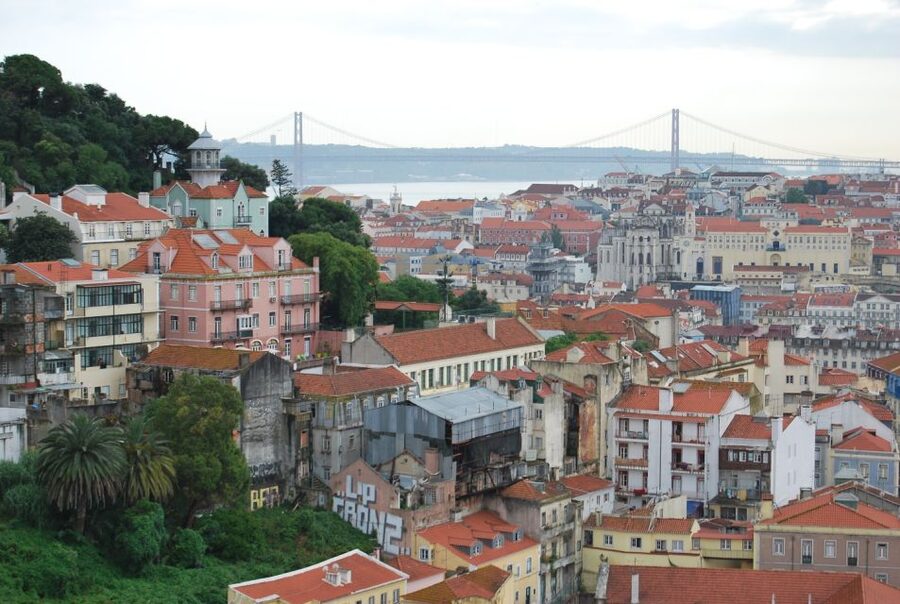
One of the most memorable parts of this tour is that it doesn’t treat Roman Lisbon as a distant chapter. You actually see evidence tied to how Lisbon worked when it was known as Olisipo.
The stop at the Cetária gives you a concrete connection to the Romans and their salting tanks. Instead of hearing generic Roman facts, you get the idea that the city’s geography and resources mattered. Lisbon wasn’t just scenery. It was industry, trade, and food preservation, and that logic helped shape the area you’re now walking through.
From there, the guide connects those Roman roots to the later naming by Muslim residents. You’ll hear how the name “Al-Hamma” relates to Alfama’s thermal waters. It’s one of those details that sounds like trivia until you realize it explains why the place got a reputation at all.
I like the way this kind of place-based storytelling helps you remember. When you can point to what you just saw, the dates and names stick, and you stop treating history like a list.
Alfama’s maze, secret stairways, and why the streets feel alive
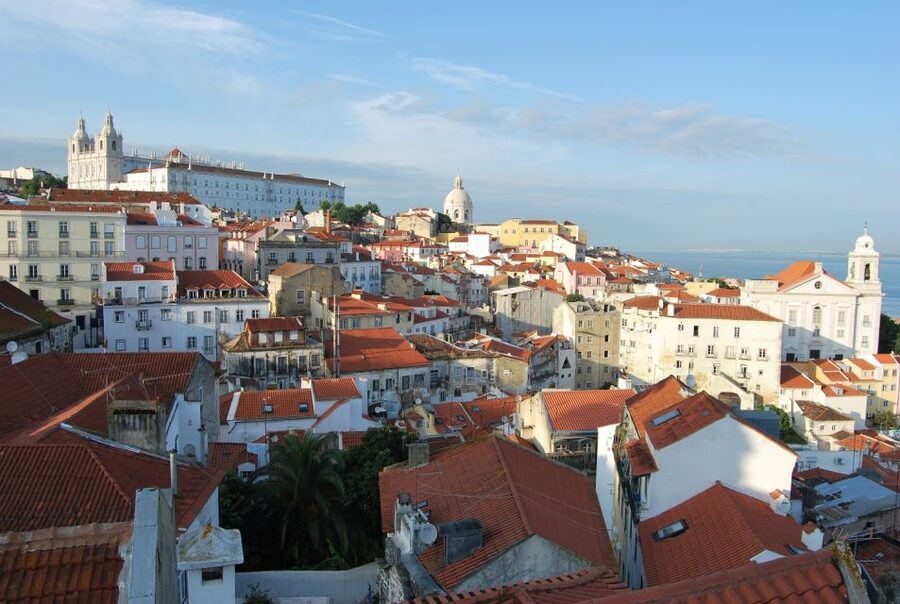
Alfama is a neighborhood you can’t fully understand from a guidebook map. It’s built on steep grades, narrow lanes, interior patios, and small corners that don’t behave like modern city blocks. This tour uses that reality instead of fighting it.
As you wander, you’ll pass through alleys and interior patios where the guide points out details like secret stairways and hidden squares. Those are more than cute surprises. They help explain how daily life worked in older Lisbon and why the neighborhood feels like a patchwork.
There’s also a meaningful thread about Lisbon’s Jewish Quarter traces. You’ll learn how that part of the city’s past connects to what you see now, especially as the route guides you through the kind of spaces where community and movement would have been shaped by the neighborhood’s layout.
If you’re the type who likes to understand why places are arranged the way they are, this section is where the tour earns its value. You’re not just taking photos. You’re learning how to navigate the neighborhood in your head.
More wandering through Alfama:




Fado origins at Largo do Chafariz de Dentro
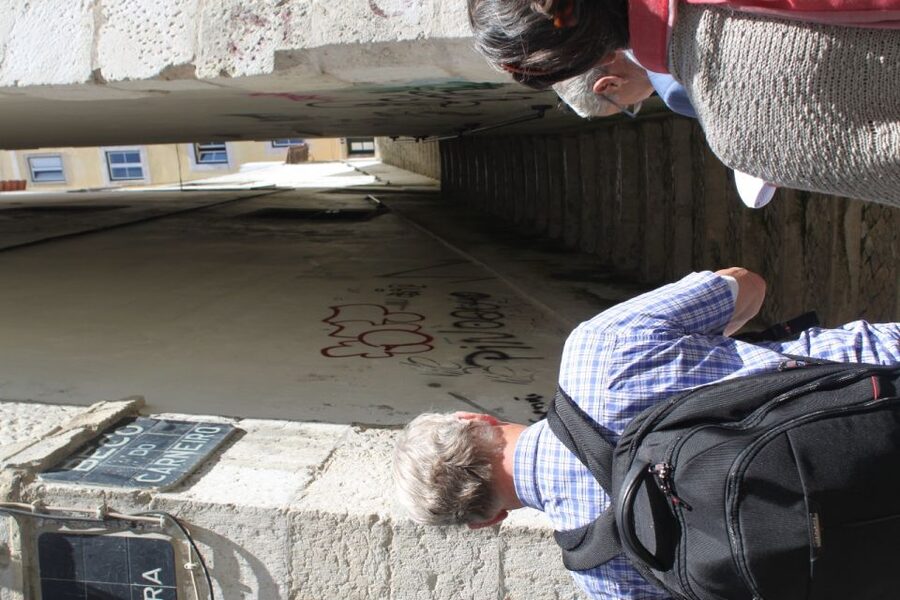
No trip to Lisbon feels complete without fado, but many people only experience it as a performance. Here, you get something more practical: the tour explains the birth of fado and local customs connected to the neighborhood.
The walk includes a stop at Largo do Chafariz de Dentro, where the guide links the setting to the tradition. Even if you’re not planning to book a fado show right after, this helps you understand why fado belongs to specific streets and rhythms, not just to a stage.
It’s also a reminder that Alfama wasn’t built for tourists. It’s a working neighborhood with routines, social spaces, and sounds that have history. Learning that context makes later experiences, like dinner plans or evening listening, feel more grounded.
If you care about culture that’s lived, not packaged, this stop is a strong reason to go.
Lisbon Cathedral: a guided look at mixed architectural styles
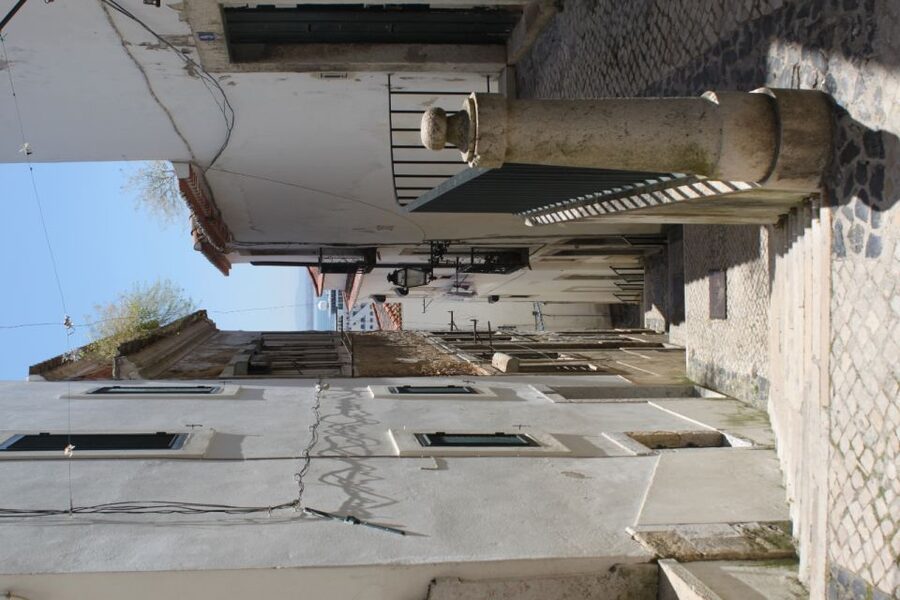
After the neighborhood wandering, the tour shifts to Lisbon Cathedral. The cathedral is a 12th-century site, and what I like about the included guided visit is that it helps you see how the building evolved over time.
The tour specifically highlights that the cathedral reflects a mix of architectural styles. That matters because cathedrals can feel like one unified object from the outside. Inside, the layers become visible, and a guide can point out the features that make different eras stand out.
You also get a good break from the constant slope-and-corner rhythm of Alfama, even if you’ll still be walking. It’s a planned pause where you can slow down, look up, and reset your legs before the final viewpoints.
Portas do Sol belvedere: panoramic payoff without the guesswork

Panoramic viewpoints are common in Lisbon, but Portas do Sol is a classic for a reason. This tour brings you there for views that show why Alfama climbs the way it does.
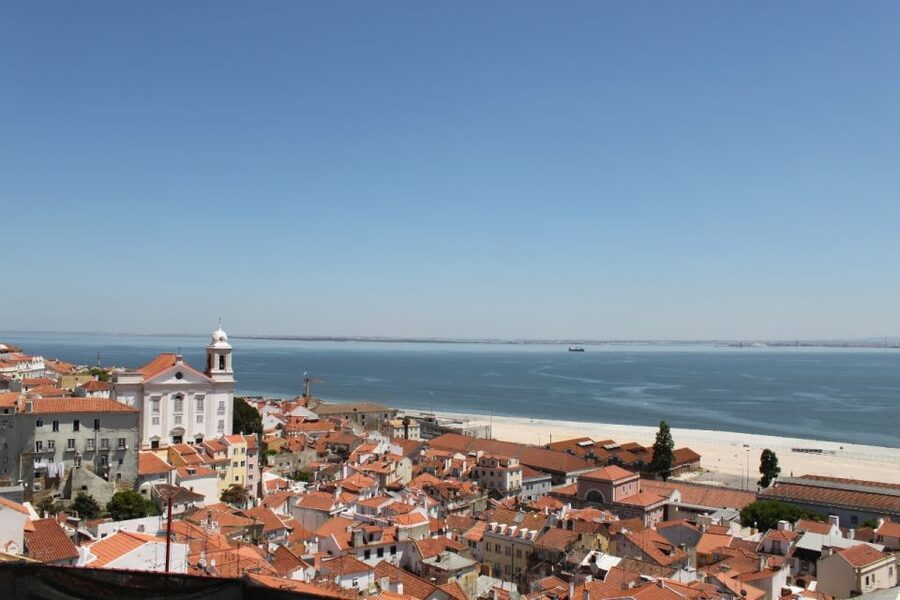
The belvedere stop is one of the highlights because the guide gives you a frame for what you’re seeing. After all the winding streets, you finally get the “zoom out” moment. From that perspective, you’ll recognize the neighborhood geometry and understand how the city’s edges and hills shape the routes you’ve been taking.
If you’re someone who gets frustrated when a viewpoint feels like just another photo stop, you’ll likely enjoy this one more because you reach it after the tour has explained the city’s structure.
São Jorge Castle walls, but not the interior: plan accordingly
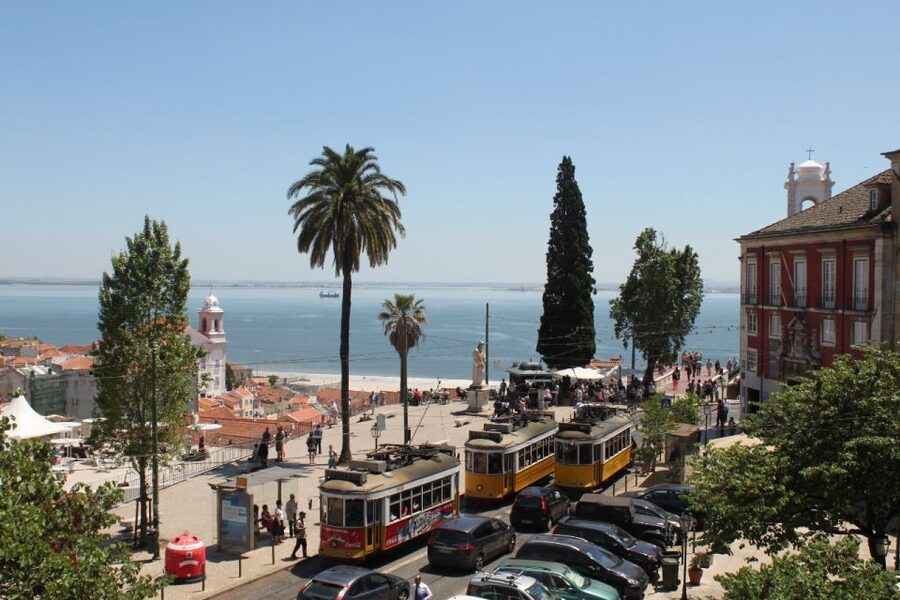
This is where you should match expectations to the actual offering. The tour follows the path of the city walls and the Moorish castle area of São Jorge, so you’ll get up-close context and the feel of the fortress line.
But the São Jorge Castle entrance is not included. So you’ll experience the castle walls and surrounding viewpoints, not a full interior visit of the castle complex.
That’s worth knowing before you book, especially if you’re hoping for the full “walk through the castle and explore every room” experience. Still, even without the interior ticket, the walls are a powerful part of Lisbon’s story, and they fit perfectly with the tour’s theme of how fortifications connect to the city’s older identities.
PPE included, and what that means for your walk
The tour includes Personal Protection Equipment, specifically a mask and disinfectant gel. It’s a small detail, but it can save you the hassle of finding supplies right before meeting up.
It also signals that the operator is thinking about guided-group comfort during tours. I wouldn’t read too much into it beyond that, but it’s nice to know you’ll have what you need for basic hygiene prep.
Guide languages and the small-group feel you might get
The live guide works in Spanish, Portuguese, German, English, and French, so language shouldn’t be a blocker. That matters in Alfama, where place names and street cues are the difference between following easily and feeling totally lost.
Also, I like that many of the guides are story-focused. Names that have shown up with this company include Ricardo, who’s described as an engaging history teacher, and Agatha and Helena, who are praised for clarity and friendliness. Guides like these make the history feel like something you can use, not something you just absorb.
Group size isn’t stated here, but the tour is set up as a guided walking experience, and the overall structure is built for conversation and questions. If you like to ask, this is the kind of tour where your curiosity gets answered.
Value check: $23 for 150 minutes of place-based Lisbon
At $23 per person for about 150 minutes, the value is tied to what you get included, not just to the walking.
You’re paying for a live guide plus the entrance and guided tour of Lisbon Cathedral. That alone helps justify the price if you were planning to visit the cathedral anyway. You’re also getting a route that connects multiple eras, including Romans, Moorish history, and the fado tradition, with stops that are tied to physical landmarks like Casa dos Bicos and Cetária evidence.
You still do need to accept the tradeoff: São Jorge Castle entrance is not included. If you want a full castle interior exploration, this tour won’t replace that. But if your goal is a strong Alfama orientation plus meaningful sights in 2.5 hours, this package does a lot of work for a modest price.
It’s a good deal especially if you’re arriving with only a short time window, because you get both context and the key “look at Lisbon from above” moment at Portas do Sol.
Who this tour suits best, and who should skip it
This works especially well for you if:
- You want a first-day Lisbon orientation that goes beyond a checklist of monuments
- You like history that connects to streets you can walk afterward
- You want fado context tied to everyday places
Skip it or choose another option if:
- You have mobility impairments, since the route is not suitable for that
Also, come dressed for a comfortable walking pace. The tour simply asks for comfortable clothes, and since it’s Alfama, expect the kind of terrain where comfort matters more than fashion.
Should you book this Alfama and São Jorge walking tour?
I think you should book it if your priority is learning Lisbon through neighborhoods, not through crowded indoor attractions. The combination of Casa dos Bicos, Roman traces at the Cetária area, fado origins at Largo do Chafariz de Dentro, Lisbon Cathedral with guided access, and the Portas do Sol viewpoint makes a strong half-day arc.
Just go in with one clear expectation: you’ll see São Jorge via the walls and the fortification line, but you won’t have the castle interior entrance included. If you’re okay with that, this is one of the better ways to understand Alfama fast and make the rest of your trip easier to plan.
FAQ
Where do I meet for the Lisbon Alfama and São Jorge Castle walking tour?
Meet at Campo das Cebolas, Casa dos Bicos (the House of Spikes). The guide will be holding a black bag with the Lisboa Autêntica logo, and the nearest metro stop is Terreiro do Paço.
How long is the tour?
The tour lasts 150 minutes.
Is Lisbon Cathedral included?
Yes. Lisbon Cathedral entrance and a guided tour of the cathedral are included.
Is São Jorge Castle entrance included?
No. São Jorge Castle entrance is not included.
What languages are the live guides available in?
The live tour guide is available in Spanish, Portuguese, German, English, and French.
Is this tour suitable for people with mobility impairments?
No. It is not suitable for people with mobility impairments.
Miradouros Linked on Foot
- Lisbon: History, Stories and Lifestyle Walking Tour
★ 4.8 · 10,902 reviews - Best of Lisbon Small-Group Guided Walking Tour
★ 5.0 · 4,869 reviews - Lisbon: Food and Wine Small Group Walking Tour
★ 4.9 · 4,082 reviews - Age of Discoveries Walking Tour in Belém
★ 5.0 · 1,513 reviews
Fresh across the seven hills
- Full-day Private Tour: Fátima Sanctuary, Batalha, Nazaré, Óbidos
★ 5.0 · 6 reviews - Porto Private Tour from Lisbon
★ 4.5 · 6 reviews - VIP transfer from the airport to Lisbon hotels
★ 5.0 · 6 reviews - Lisbon Photoshoot: Capture Your Adventure
★ 5.0 · 6 reviews - Lisbon: Romantic Sunset Cruise With Wine & Portuguese Tapas
★ 5.0 · 6 reviews - Arrábida Wine Tour – 3 Wineries, Traditions & Views from Lisbon
★ 4.5 · 6 reviews - Lisbon: Sintra, Pena Palace, Belém Tour + sunset Boat Cruise
★ 5.0 · 6 reviews
Alfama Quarter Tours, compared.

Private Lisbon Sightseeing Tuk-Tuk Tour: Alfama, Belém & More
Read our review →
Hills, Alfama, and Mouraria Tour by Electric Bike
Read our review →
Best of Lisbon Walking Tour: Rossio, Chiado & Alfama
Read our review →
Lisbon Small-Group Food Tour with 18 Tastings in Alfama District
Read our review →
Lisbon E-Bike Tour Commerce Square, Mouraria and Alfama
Read our review →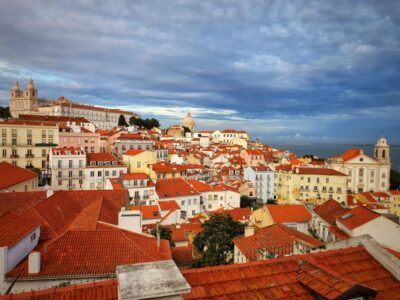
Old Town TukTuk Tour and Scenic Viewpoints in Alfama
Read our review →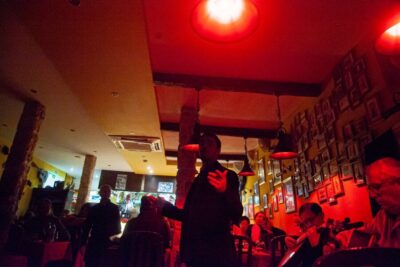
Alfama Tour and Live Fado with Traditional Dinner
Read our review →Browse the lists this tour appears in