
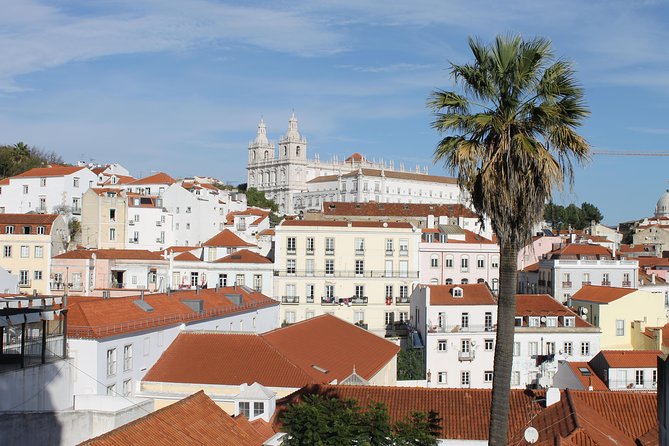
Reviewed · LISBON
Lisbon in the eye of a Portuguese writer
Lisbon reads best on foot. This 2 hour private walking tour gives you fast geographic bearings in the center, with story-led stops that connect street scenes to Portugal’s modern moment. With an English-speaking guide, you get undivided time, and the name Miguel shows up in the way the guides bring Lisbon to life.
I also like how the tour builds in a real taste break with pastéis de nata, so you recharge instead of just sprinting between landmarks. One thing to keep in mind: this is moderate walking on city streets, so comfortable shoes matter if you do not like uphill, cobbles, and crowds.
In This Review
- Key highlights worth your attention
- Starting at Largo do Carmo, ending near Praça do Comércio
- Chiado to the 1974 revolution square, then up for Santa Justa views
- Baixa Pombalina walking: Rossio, Restauradores, and Dom Pedro IV
- House of Alentejo and Santo Domingo Church stop
- The private guide effect, and why Miguel gets praised
- Pastéis de nata included, with a local shop moment
- Price and value of $36.05 for 2 hours of guided Lisbon
- What to wear, and what the walking really asks of you
- Should you book this Lisbon walking tour?
- FAQ
- How long is the tour?
- What does it cost?
- What language is the tour offered in?
- How many people are in the group?
- What is included in the tour?
- Where does the tour start and end?
- Can I cancel for a full refund?
Key highlights worth your attention
- Private guide, small group: Maximum 10 people means questions get answered, not waved off.
- Chiado orientation fast: You start in a district that feels made for first-time navigation.
- Santa Justa viewpoint stop: The tour plans time to enjoy the views from the elevator area.
- Baixa Pombalina focus: You move through the classic downtown grid with major squares and central streets.
- Pastéis de nata included: Snack is built into the route, not left to chance.
- Ends at Praça do Comércio: You finish near the riverfront gateway area, easy to continue on your own.
Deciding between days out? Here are a few more from Lisbon:
- Lisbon City Center Tour – The Unmissable Lisbon★ 5.0 · 22,234 reviews
- Lisbon: Sintra, Pena, Regaleira, Cabo da Roca & Cascais★ 4.7 · 19,656 reviews
- Lisbon Card: 24, 48, or 72-Hour Pass★ 4.5 · 17,944 reviews
- Lisbon: Jerónimos Monastery Entrance Ticket★ 4.1 · 14,164 reviews
Starting at Largo do Carmo, ending near Praça do Comércio
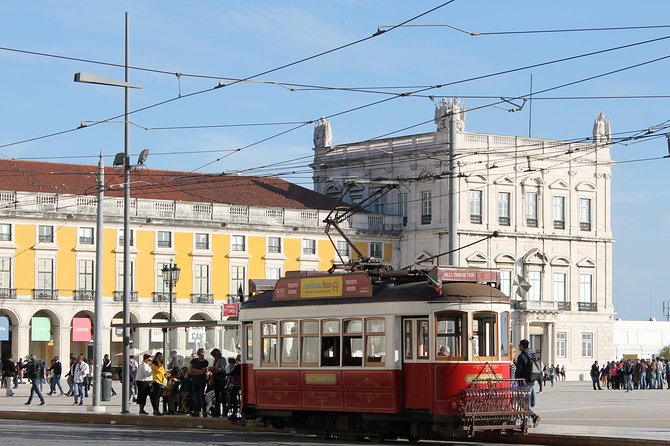
This tour is built as a simple, walkable line across Lisbon’s core. You meet at Largo do Carmo 16 and end at Praça do Comércio, so you can think of it like a guided “spine” through the city, then branch out afterward.
That start point matters because Largo do Carmo sits in the Chiado orbit, a handy base if you want the old center without losing your day in transit. And ending at Praça do Comércio gives you a good feel for where Lisbon opens up toward the water, which helps a lot later when you plan trams, viewpoints, or a longer riverside stroll.
You are not dealing with traffic or parking on this one. It is also a relief that the tour uses a mobile ticket, so you can keep things low-fuss on your phone instead of hunting for paper.
One more practical note: private transportation is not included. That usually means you are walking more than you think at first, so treat this as a light-to-moderate walking experience rather than a ride-and-photo-op day. The tour also runs with a moderate physical fitness level expectation, so if you have mobility limits or bad knees, you should judge your comfort honestly.
Chiado to the 1974 revolution square, then up for Santa Justa views
The Chiado portion starts with a moment that frames Lisbon through its recent political story. You meet at the square tied to the Portuguese revolution in 1974, then the guide brings you into the viewpoints and city feel that come right after that turning point.
I like this approach because it stops you from treating Lisbon like a museum of tiles and overlooks. Instead, you connect place with people, and you start noticing details you would miss on your own, like how the city’s center is laid out for movement, conversation, and daily life.
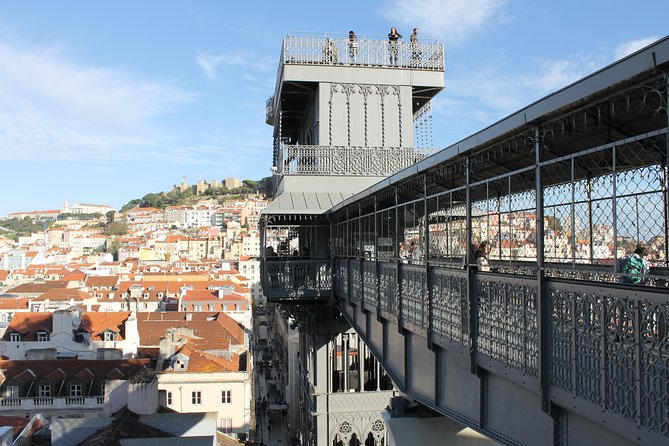
From there, you get time for the Santa Justa Elevator viewpoint. Even if you are not planning to ride the elevator as a standalone attraction, this stop helps you see how Lisbon stacks neighborhoods and streets on top of one another. It is the kind of view that makes the next hours make sense, because you finally understand what you are looking at from street level.
The tour notes list admission as free for this stop, so you are not left calculating extra fees on the fly. That makes the experience feel more “set” and less stressful, which is a nice change when you are planning multiple paid attractions in one trip.
If you hate waiting in lines or want a perfectly timed itinerary, this is still a walking tour with city timing realities. But if you like learning while you move, the Chiado section has a strong rhythm: story first, then a viewpoint to match.
Baixa Pombalina walking: Rossio, Restauradores, and Dom Pedro IV
After Chiado, the route shifts into the downtown grid of Baixa Pombalina. This is where you feel the geometry of central Lisbon, with major squares and streets that make it easy to “read” the city as you walk.
You pass through key points that act like anchors: Dom Pedro IV Square, Rossio Station, and Restauradores Square. These are the kinds of stops that help you stop getting lost. Once you recognize these names on your map, Lisbon becomes far simpler to explore without a guide.
Baixa Pombalina is also practical for planning. You can use it as a base corridor for trams, day trips, or a quick hop to other neighborhoods. A guided walk through this area helps you see not just sights, but routes. That matters when you want to go from a morning viewpoint to dinner plans without burning time.
The tour includes about an hour in this downtown stretch. That time window is long enough to take in street scenes, squares, and a couple of interior stops, but short enough that you are not exhausted by mid-afternoon. It is a good fit if you want a city overview early in your trip.
Also, because the group size stays small, you tend to move at a human pace. I like that more than tours that drag you through big, loud clusters. If you have questions about what you are seeing, this is the kind of format where you can get real answers, not just a few lines before moving on.
House of Alentejo and Santo Domingo Church stop
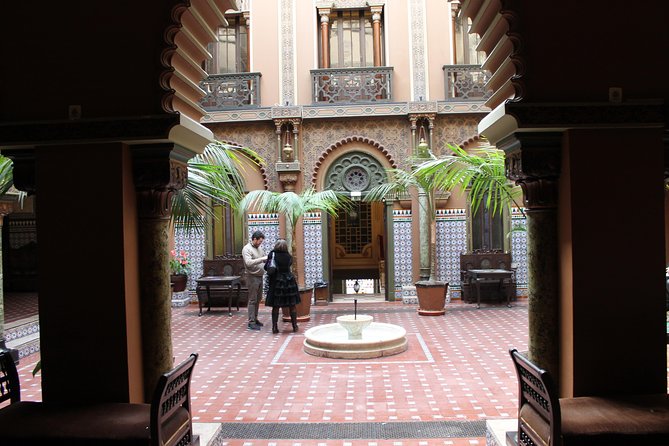
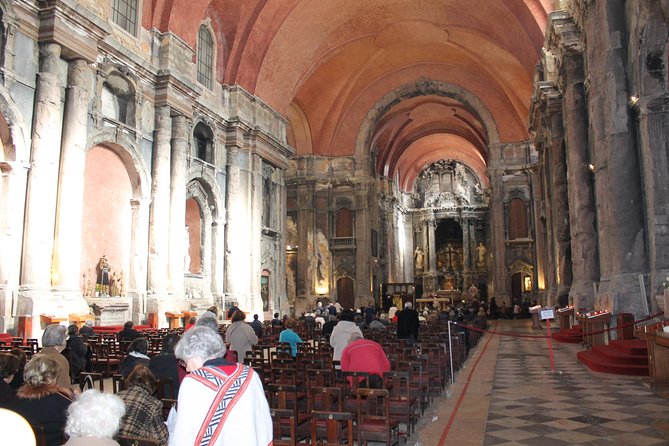
Within the Baixa portion, the tour adds two important cultural stops: the House of Alentejo and Santo Domingo Church. These are not only “look up and take a photo” places. The value is that the guide can frame what you are seeing so the buildings become part of the story of Lisbon, not background decoration.
Churches in particular reward a guided visit because the setting is easy to treat casually. A guide can help you notice what to look for and why it matters in the local context, without turning the walk into a lecture.
The House of Alentejo brings another angle too. It helps you understand how cultural life is organized in the center, and it gives the tour a sense that Lisbon is not all views and squares. It is also institutions, traditions, and spaces people return to.
Admission for the Baixa segment is listed as free for the scheduled sights, which helps keep the overall cost predictable. It also means your money goes to the guide and the time, not surprise tickets.
If you are short on time and you want both the street-level Lisbon and at least a couple of interior moments, this pairing works well. You get the best of downtown movement and a pause that feels more meaningful than a quick coffee stop.
Other trips that start in Lisbon and end well:


The private guide effect, and why Miguel gets praised
The best part of this tour is the way it stays personal. You are not just following a route. You are talking to a guide and steering the experience with your own pace and questions.
In the reviews, guides like Miguel come up because he is described as informative and able to cover all parts of Lisbon without making it feel rushed. That theme shows up again with the idea of low-key gems along iconic streets, meaning you are not only checking off famous stops. You also get pointed toward quieter details that make Lisbon feel lived-in.
I also think the small size matters. With a maximum of 10 people, it is easier to ask for recommendations that match your interests, whether you want more food focus, more viewpoints, or a smoother plan for the rest of your days.
You should use that opportunity. Ask for the next step after the tour. For example, once you finish near Praça do Comércio, you are in a great spot to pick a direction for the evening. A good guide can point you to something that fits your schedule, not just a generic list.
Pastéis de nata included, with a local shop moment
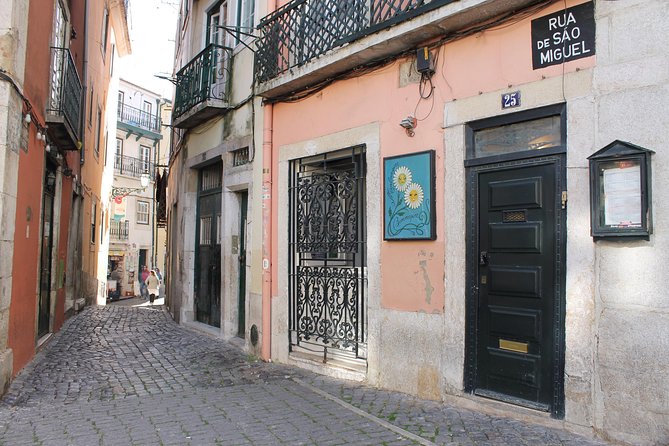
Let’s talk snack, because Lisbon runs on it. This tour includes pastéis de nata, and that is not a tiny afterthought. It is timed as a reward during your walking, so you stay energized when the day starts to feel long.
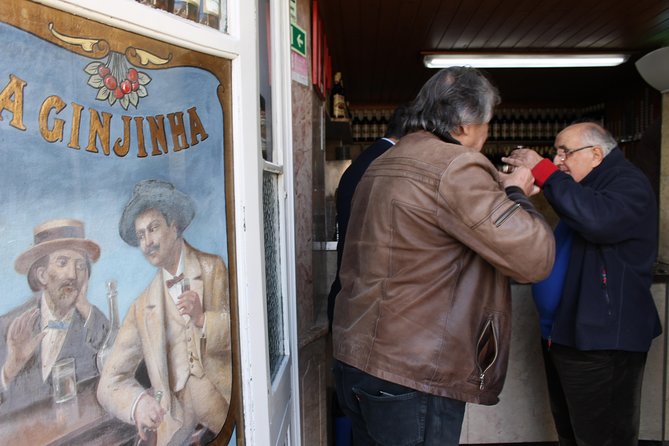
One review specifically calls out a stop at a local shop named Giginha for pastéis de nata. That kind of detail is exactly what makes a short tour valuable. It is not only about seeing places, it is about eating well in the places you are already walking past.
Even if you already know you like custard tarts, having one included removes decision fatigue. You do not have to guess where to find a good one near your route, and you avoid the trap of grabbing the first convenient option that is good but not great.
If you care about food as part of travel, this tour is a strong match. It is not a full food tour, but the snack inclusion keeps the experience grounded in Lisbon daily life.
Price and value of $36.05 for 2 hours of guided Lisbon
At $36.05 per person for about 2 hours, this is not the cheapest way to see Lisbon. But it is also not trying to be. You are paying for three big things: a private guide experience, a planned route across two central areas, and an included snack.
The fact that admission is listed as free for the scheduled stops is also part of the value math. When you are touring in multiple places, those small entry fees can add up fast. Here, at least for the key timed sights, the tour is set up to be cost-predictable.
You also benefit from not dealing with transportation. The tour does not include private transportation, but the walking format helps you spend your money on guide time and orientation rather than on rides.
One more indicator of value: the experience is commonly booked about 123 days in advance on average. That usually means people plan this early to get a first-day sense of the city. If you know you want this kind of guided orientation, booking ahead can save you from last-minute schedule scrambling.
The bottom line: if you want Lisbon orientation without the hassle of planning each stop yourself, and you like food as part of a route, the price makes sense.
What to wear, and what the walking really asks of you
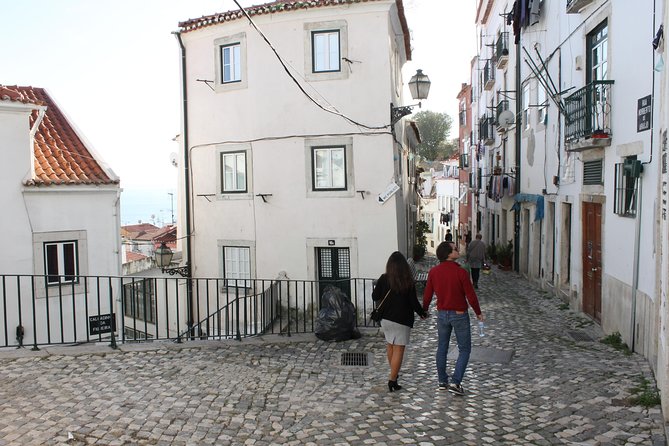
This is a walking tour, so plan like a walker. You need a moderate fitness level, and you will be moving through central streets that can feel uneven depending on where you stand and how long you pause.
Wear shoes you trust. If you typically avoid hills, you might still be fine, but you should expect some elevation shifts common to Lisbon’s center. If you like to stop for photos often, build that in with patience, because you will also want to listen.
The tour is near public transportation, which helps if you need a quick reset before or after. You can also use that if you want to shorten your plan later. Service animals are allowed, which is good to know if you travel with an animal companion.
Also, because the group is capped at 10 people, you might not get the same “everyone disappears” dynamic. You tend to stay together. That is great for the conversation, but it means you should not treat this like a casual wander while looking at your phone.
Should you book this Lisbon walking tour?
If you want an easy, guided way to understand Lisbon’s center in a short time, I think this is a smart booking. It is especially good for first-time navigation, because the route hits Chiado, then drops you into Baixa Pombalina with major anchors like Rossio, Restauradores, and Dom Pedro IV Square.
Book it if you value story and recommendations, not just photos. The private guide format, the small group size, and the guide name Miguel showing up in praise all point to an experience that stays interactive.
Skip it only if you dislike walking, or if you are the type who already knows Lisbon well and wants a deeper, more specialized focus. At about 2 hours, this tour is more about getting your bearings and setting up your next moves than doing everything in one day.
If that sounds like you, book it, then use the post-tour time wisely. Ending near Praça do Comércio is a gift, because you can keep your energy and continue exploring without feeling like you need a new plan from scratch.
FAQ
How long is the tour?
The tour lasts approximately 2 hours.
What does it cost?
The price is $36.05 per person.
What language is the tour offered in?
The tour is offered in English.
How many people are in the group?
This tour has a maximum of 10 travelers.
What is included in the tour?
Snacks are included, specifically pastéis de nata.
Where does the tour start and end?
It starts at Largo do Carmo 16, 1200-022 Lisboa, Portugal and ends at Praça do Comércio, 1100-148 Lisbon, Portugal.
Can I cancel for a full refund?
Yes. You can cancel up to 24 hours in advance for a full refund.
Fresh across the seven hills
- Full-day Private Tour: Fátima Sanctuary, Batalha, Nazaré, Óbidos
★ 5.0 · 6 reviews - Porto Private Tour from Lisbon
★ 4.5 · 6 reviews - VIP transfer from the airport to Lisbon hotels
★ 5.0 · 6 reviews - Lisbon Photoshoot: Capture Your Adventure
★ 5.0 · 6 reviews - Lisbon: Romantic Sunset Cruise With Wine & Portuguese Tapas
★ 5.0 · 6 reviews - Arrábida Wine Tour – 3 Wineries, Traditions & Views from Lisbon
★ 4.5 · 6 reviews - Lisbon: Sintra, Pena Palace, Belém Tour + sunset Boat Cruise
★ 5.0 · 6 reviews