
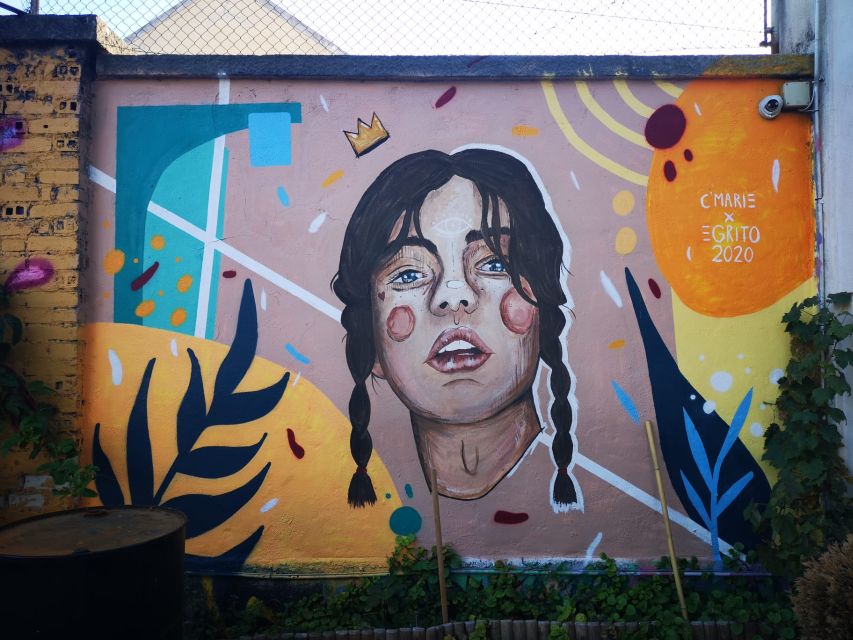
Reviewed · TUK TUK TOURS OF LISBON
Lisbon: Street Art Tuk Tuk Tour
Lisbon’s walls move faster than you do. This Lisbon street art tuk tuk tour takes you through Marvila’s open-air graffiti gallery, then up to a hill for big mural moments, with the Tejo showing in the distance. Along the way, you also get history hits from 17th and 18th-century convents and palaces, plus industrial buildings that explain how neighborhoods changed.
What I like most is the mix of street art and place-based stories. Guides such as Tiago and Mario are praised for connecting each piece to what is happening in the neighborhood, not just naming an artist and moving on. I also love how the tour is set up for seeing art you would miss on foot, especially around Marvila’s walls and those 15 huge pieces on the hill.
One drawback to plan around: a tuk tuk ride means a slightly bumpy street-level experience, and the tour is not suitable for people with back problems, wheelchair users, pregnant women, or children under 5.
In This Review
- Key things to know before you go
- Why a tuk tuk fits Lisbon street art better than walking
- Marvila’s open-air gallery, and how the art connects to community
- The hilltop murals and Tejo views that make the photos worth pausing for
- The 17th and 18th-century stops that make the route feel like real Lisbon
- Art deco warehouses, factory-worker vilas, and urban vegetable gardens
- Artists you might recognize, and how your guide connects the dots
- Picking the right duration: 2, 3, or 4 hours
- Price and value for a private group up to 2
- Practical tips to make your street art tuk tuk day smoother
- Should you book the Lisbon Street Art Tuk Tuk Tour?
- FAQ
- How long is the Lisbon Street Art Tuk Tuk Tour?
- What is the price?
- Is this a private tour?
- What does the tour include?
- What is not included?
- Do I get pickup?
- What languages are offered?
- Is free cancellation available?
- Can I reserve now and pay later?
- Is the tour wheelchair accessible?
Key things to know before you go
- Marvila open-air gallery focuses on Ibero-American culture and international graffiti styles.
- Hilltop murals and Tejo views give you large-scale art plus a long look outward.
- History comes in layers with 17th and 18th-century convents and palaces mixed into the route.
- Industrial-era Lisbon shows up in art deco warehouses, factory-worker vilas, and urban vegetable gardens.
- Private, small-group feel lets you pause for photos and ask follow-up questions with your guide.
Other tuk-tuk climbs through the old quarters:
- True 4Hour Private Tuk Tuk Tour: Discover Lisbon with a Local!★ 5.0 · 8,008 reviews
- Lisbon: Private Guided Tuk-Tuk Tour with Hotel Pickup★ 4.9 · 4,552 reviews
- Private Lisbon Sightseeing Tuk-Tuk Tour: Alfama, Belém & More★ 5.0 · 4,277 reviews
- Lisbon Highlights: Private Tuk Tuk Tour Adventure Sightseeing★ 5.0 · 3,284 reviews
Why a tuk tuk fits Lisbon street art better than walking
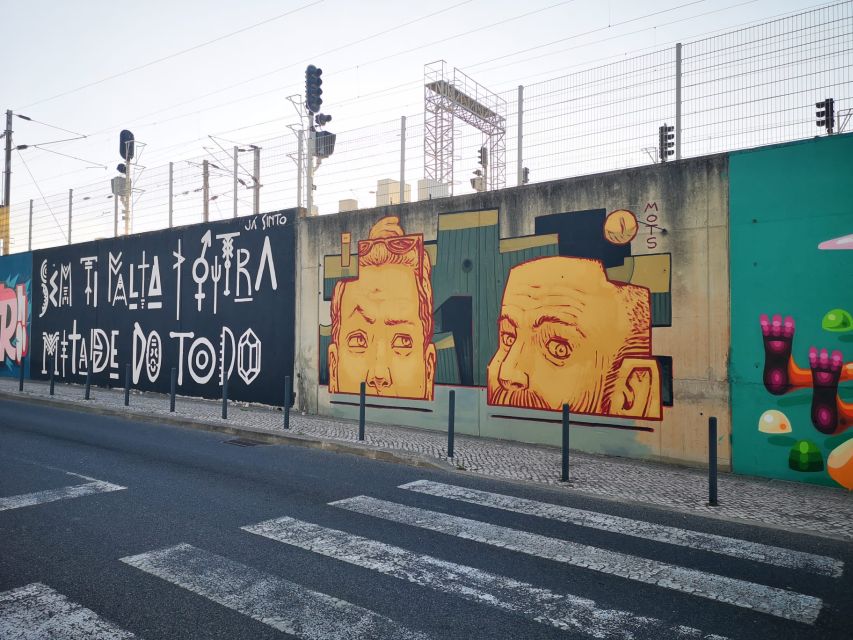
Lisbon street art is everywhere, but it is also spread out. A tuk tuk makes the biggest difference when you want to cover multiple neighborhoods without turning the day into a hill-and-stairs workout. You get short bursts of driving, then proper time to look closely, take photos, and listen while you are near the walls.
The “street art” part is not just about murals on famous streets. This tour leans into areas off the classic tourist routes, which matters because the art tends to connect to local life more directly there. You are also in a private group, so the driver guide can adjust the pace to your comfort level and photo timing, rather than forcing everyone through the same quick checkpoints.
One more practical point: since pickup is included only within the city center, your starting point can change based on where you are staying. If you are outside the center, expect to coordinate a meeting spot that protects the tour time.
Marvila’s open-air gallery, and how the art connects to community
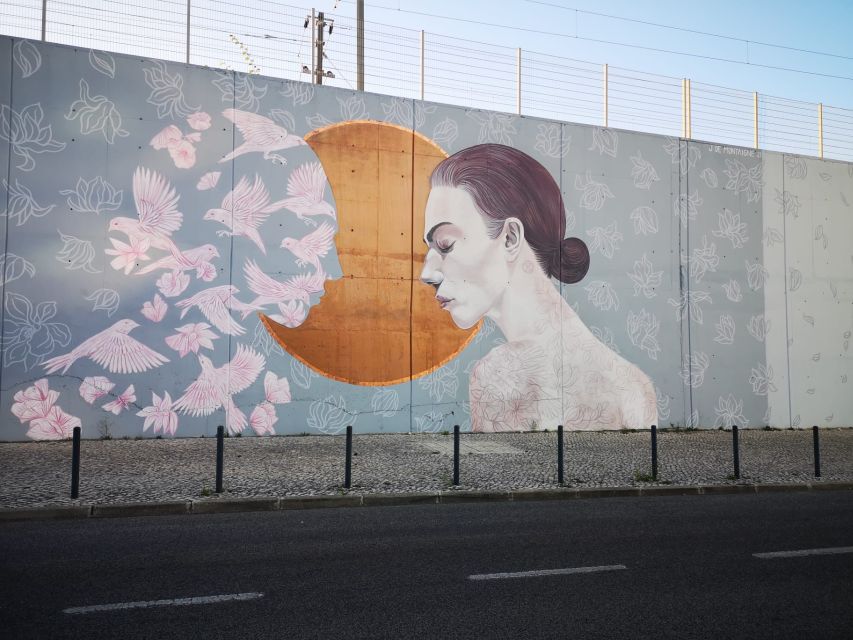
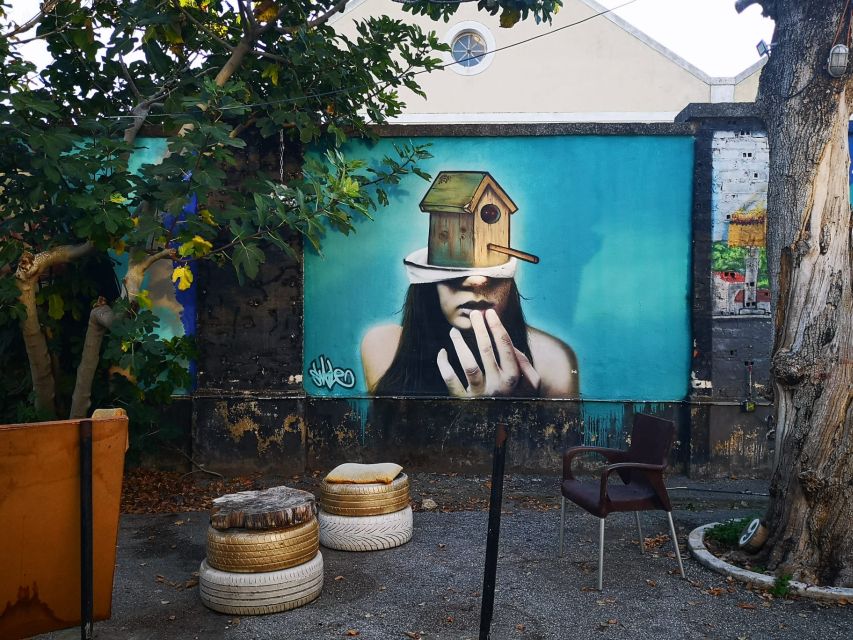
Marvila is the headline stop, and it is exactly what you want if you like street art with context. Instead of being treated like random decoration, the walls are presented as an open-air gallery where international graffiti artists can show their work while the neighborhood celebrates Ibero-American culture.
What I find useful as a framing idea is this: street art is not always meant to be quiet or polite. It often shows up where traditional art spaces are missing, or where the neighborhood needs a different kind of voice. In Lisbon, that can mean you look at the same wall and then understand the surrounding streets differently.
Your guide is a big part of this. Across the guides repeatedly praised in the feedback, the common thread is passion for how street art affects neighborhoods. They explain the reasons behind particular pieces, and they tie the visuals to Lisbon’s ongoing changes, including how housing and local economics shape what gets seen.
If you want a sharper experience, bring curiosity rather than a checklist. Ask about why an artist chose a wall, why a style belongs there, and what the piece is saying to the area around it. You will get more out of the tour that way.
The hilltop murals and Tejo views that make the photos worth pausing for
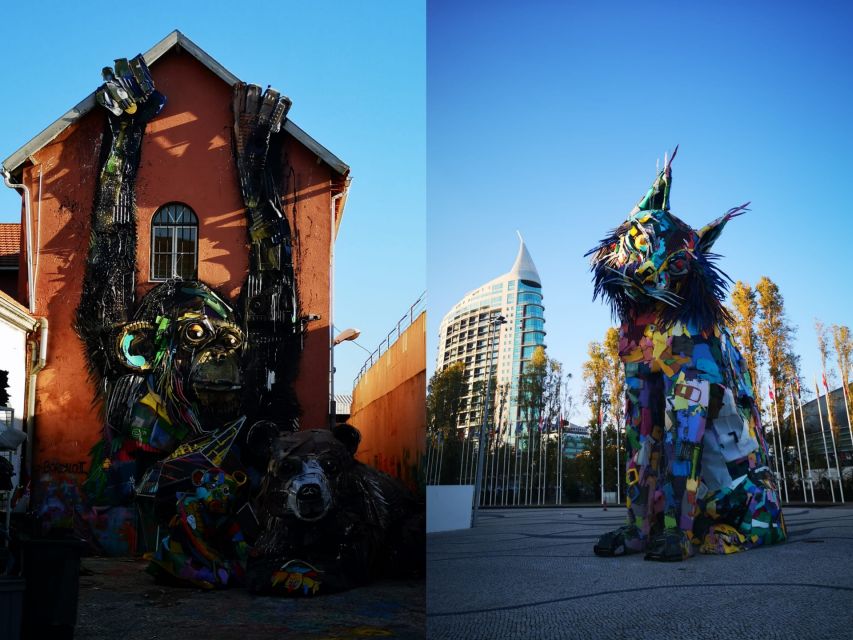
After Marvila, you head toward the hilltop stretch where you can see 15 huge pieces of art on buildings. This is where the scale changes your perception. Up close, you can study technique and layers. From a step back, you can see how the artwork fills architectural space and alters the feel of a streetscape.
The Tejo view in the distance adds another layer of payoff. Street art tours can sometimes feel like only walls, only color, only close-up details. Here, you get a moment where the city opens up. You can line up photos that include both the murals and the river view, which is a nice reminder that Lisbon’s creativity is not stuck inside one tiny pocket.
If you have a good camera, this is the moment to slow down. The value of a private tour is that you can take your time here instead of rushing through a set number of stops. If you are sensitive to uneven pavement or long standing, plan to alternate between viewing and resting with your guide’s help.
The 17th and 18th-century stops that make the route feel like real Lisbon
One reason this tour is more than a street art photo run is that it keeps weaving in older Lisbon. You will see 17th and 18th-century convents and palaces as you move through the neighborhoods. That timing matters, because it helps you understand what you are seeing today as part of a longer story, not an isolated art trend.
Here is how to think about it while you are there: convents and palaces represent power and institutional life in earlier centuries. Industrial buildings and factory-worker housing represent the next big shift. Street art often shows up after those structural changes, when neighborhoods are redefining themselves again. When those eras appear in the same tour, your brain starts connecting the dots.
A good guide makes this work. The praised guides are described as telling stories that go beyond the artworks, including how Lisbon is evolving and why certain areas are becoming more talked about. You get a sense that street art is one of the ways the city expresses change in public view.
So if you love history but do not want museum lines, this is a smart compromise. You get historical architecture and social context without paying separate entrance fees.
Some other seven-hills days worth pricing up



Art deco warehouses, factory-worker vilas, and urban vegetable gardens
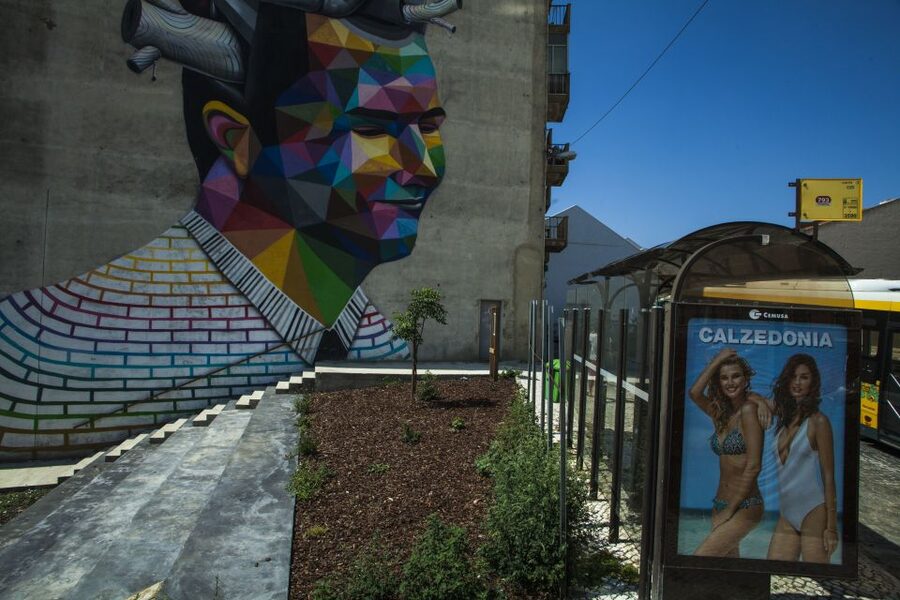
Another strong theme is the industrial-era layer of Lisbon. You will encounter art deco industrial warehouses and buildings, plus vilas of factory workers. These are not just scenery. They help explain why so many walls are covered in the first place, and why creative projects can take root in areas shaped by work, housing, and city growth.
Then you get urban vegetable gardens, which feels like a surprising but meaningful contrast. It shifts the tour away from only looking at painted surfaces and into how people use space in the present. When you see gardens mixed into a city neighborhood, you start noticing what else might be changing besides the murals.
This blend also helps you avoid a common street art tour problem: the route can become all aesthetic and no understanding. Here, the setting supports the art. Industrial and working-class architecture tends to hold onto identity. Street art often responds to that identity, whether by honoring it, challenging it, or simply making the neighborhood visible in a new way.
If you want to get more out of it, look for relationships between what the building used to do and what people do with it now. Even if you do not speak Portuguese, the architecture gives you plenty to interpret.
Artists you might recognize, and how your guide connects the dots
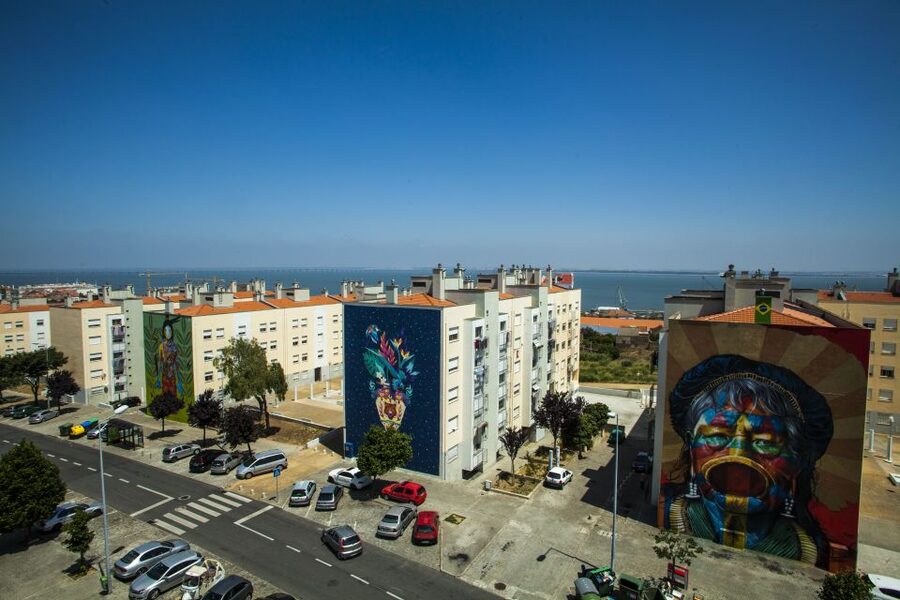
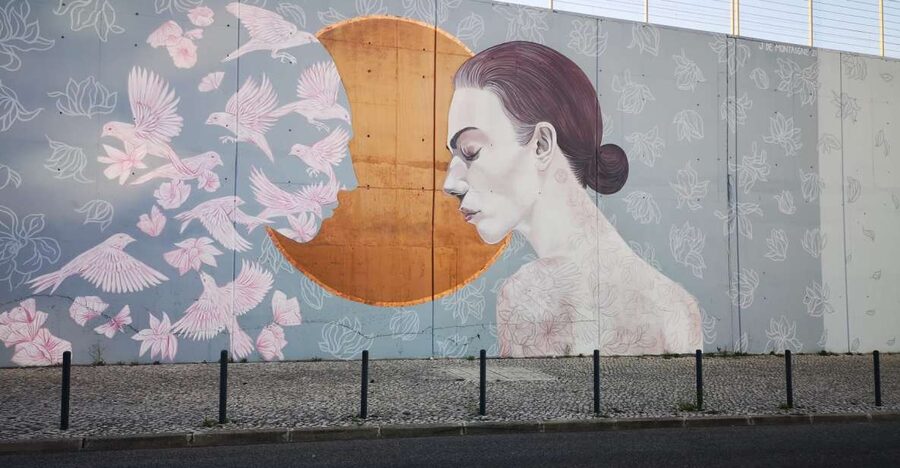
Lisbon has attracted major international names in street art, and your guide may point out works by artists that show up again and again in the conversation around mural culture. Based on guide-led experiences, you may see pieces by artists such as Okuda San Miguel, Vhils, Bordalo II, OzeArv, Daniel Eime, Isa Silva, Pichiavo, Shepard Fairey, and Jaqueline de Montaigne.
You may not see every name on a given day, but the key is what the guide does with the art you encounter. The most praised guides are described as explaining how street art impacts neighborhoods, and how murals can become a symbol of pride, attention, and change.
This is where a private guide pays off. If you are the kind of person who looks at a mural and wonders who painted it and why, this tour is set up for that. Your driver guide is there to connect style, location, and local history so the walls feel like messages, not just decoration.
Tip: if you care about specific artists or styles, say so early in the tour. The private group format gives your guide room to steer your route toward what you want to see.
Picking the right duration: 2, 3, or 4 hours
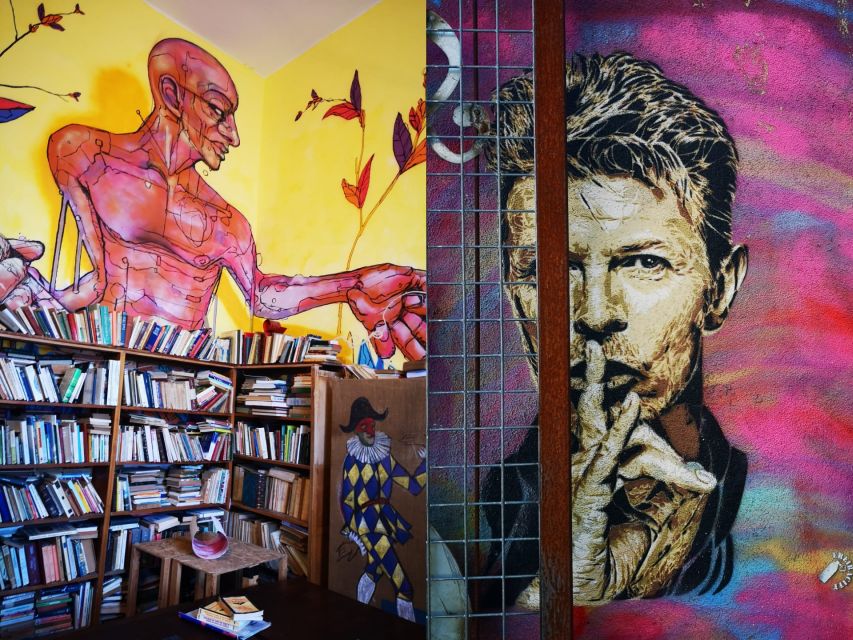
This tour runs 2-4 hours, and that range matters because street art needs time. If you do the shortest option, you are likely focusing on the strongest mural zones and the main story points. You will still get the Marvila open-air gallery feel, plus the big hilltop mural moments, but the stops will be tighter.
Choose 3-4 hours if you want more photo time and more time to hear the neighborhood history. Longer tours also fit well if you want to linger when something catches your eye, like a particular style of graffiti or a specific building detail that a quick route would skip.
A practical way to decide: if you have mobility limits, less time usually means fewer uphill stretches and less standing. If you are a slow photographer or you enjoy listening for cultural context, go longer. Either way, the tour is designed to keep moving without rushing you through the walls.
Price and value for a private group up to 2
At $165 per group up to 2, the price works best when you share the cost as a couple or pair of friends. For two people, it becomes less about paying for a ticket and more about booking a private, transportation-included guide who helps you find art across neighborhoods without spending your day navigating.
You are also not paying extra for museum entries because entrance fees are not included. That can be a big value win on a day when you want cultural stops but do not want the time drain of ticket lines.
The included items are simple and useful:
- Driver guide
- Transportation in a tuk tuk
Everything else, like museum or monument entrances and food and drink, is on you. So I recommend treating this as a morning or afternoon anchor where you soak up street-level culture, then eat afterward where the neighborhood life feels most natural.
Practical tips to make your street art tuk tuk day smoother
A few smart prep moves can make this tour feel effortless instead of hectic.
- Wear shoes you trust on uneven pavement. You will be getting in and out and standing near walls for photos.
- Bring water if you are going in warmer months. The tour lasts multiple hours and you may be in sun at hill views.
- Set your photo expectations. This is a wall-focused experience, so you’ll want time to frame shots and zoom in on details.
- Ask your guide to explain one or two pieces deeply. Even one mural story can change how you see the rest.
- If you are planning for comfort, remember the tour is not suitable for wheelchair users or people with back problems, and it is not recommended for pregnant women. Also note that children under 5 are not suitable.
Also, since the tour language includes English, Portuguese, and Spanish, you can get full value without relying on a translation app. When you understand the story, the art hits harder.
Should you book the Lisbon Street Art Tuk Tuk Tour?
If you like street art but you also want the neighborhood story behind it, I think this is a strong choice. The tour format is built for seeing more of Lisbon without wasting time, and the emphasis on Marvila’s open-air gallery, the hilltop murals, and the surrounding history gives you more than just photos.
Book it if:
- You want art outside the most obvious tourist paths
- You enjoy hearing how public art ties to community change
- You want a private guide who can tailor pacing to your group
- You prefer street-level culture over museum-only days
Skip it if:
- You have mobility or comfort concerns that make a bumpy street-level ride a problem
- You need wheelchair accessibility or you are traveling with a small child under 5
If you are trying to pick one street art experience in Lisbon, this one is designed for people who care about meaning, place, and context, not just color on a wall.
FAQ
How long is the Lisbon Street Art Tuk Tuk Tour?
The tour runs for 2-4 hours. Starting times depend on availability.
What is the price?
It costs $165 per group, up to 2 people.
Is this a private tour?
Yes, it is a private group tour.
What does the tour include?
You get a driver guide and transportation in a tuk tuk.
What is not included?
Entrance fees to museums or monuments and food or drink are not included.
Do I get pickup?
Pickup is included for locations within the city center. If you are outside the reachable area, you will be contacted to arrange a suitable meeting point.
What languages are offered?
The live tour guide speaks English, Portuguese, and Spanish.
Is free cancellation available?
Yes. You can cancel up to 24 hours in advance for a full refund.
Can I reserve now and pay later?
Yes. The offer includes reserve now and pay later, meaning you can book your spot and pay nothing today.
Is the tour wheelchair accessible?
No. The tour is not suitable for wheelchair users, and it is also not suitable for children under 5, people with back problems, and pregnant women.
Fresh across the seven hills
- Full-day Private Tour: Fátima Sanctuary, Batalha, Nazaré, Óbidos
★ 5.0 · 6 reviews - Porto Private Tour from Lisbon
★ 4.5 · 6 reviews - VIP transfer from the airport to Lisbon hotels
★ 5.0 · 6 reviews - Lisbon Photoshoot: Capture Your Adventure
★ 5.0 · 6 reviews - Lisbon: Romantic Sunset Cruise With Wine & Portuguese Tapas
★ 5.0 · 6 reviews - Arrábida Wine Tour – 3 Wineries, Traditions & Views from Lisbon
★ 4.5 · 6 reviews - Lisbon: Sintra, Pena Palace, Belém Tour + sunset Boat Cruise
★ 5.0 · 6 reviews
Tuk Tuk Tours of Lisbon, compared.

True 4Hour Private Tuk Tuk Tour: Discover Lisbon with a Local!
Read our review →Private Guided Tuk-Tuk Tour with Hotel Pickup
Read our review →
Private Lisbon Sightseeing Tuk-Tuk Tour: Alfama, Belém & More
Read our review →
Lisbon Highlights: Private Tuk Tuk Tour Adventure Sightseeing
Read our review →
Welcome Lisbon Tour with Local Guide in Private Eco Tuk Tuk
Read our review →

Old Town TukTuk Tour and Scenic Viewpoints in Alfama
Read our review →
Explore Lisbon by Tuk Tuk: History and Viewpoints
Read our review →Browse the lists this tour appears in