
Reviewed · LISBON
Portuguese flavors in a typical village home
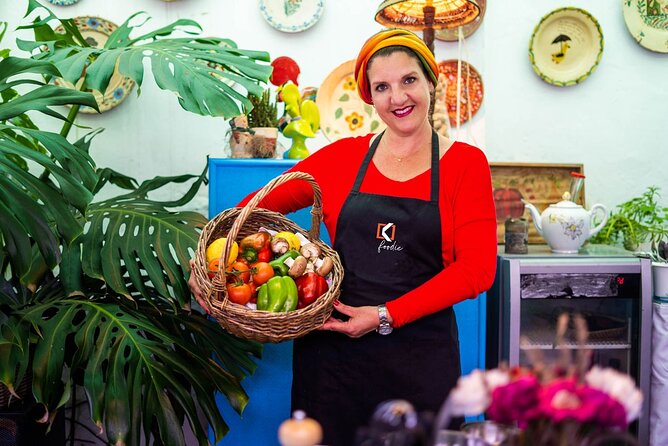
A 100-year-old home makes lunch feel like a story. This small-group meal with Katija pairs Portuguese cooking with village memories, fresh ingredients, and a real sense of everyday life outside Lisbon. You step away from traffic and tour buses and into a table where recipes and family history meet.
I particularly like the home-cooked format: you do not just watch food happen, you taste your way through a menu that gets adapted to the season and your dietary preferences. I also love the host’s talk-at-the-table storytelling, from local village history to how Portuguese food reflects the past, and even little moments like tea brewed from lemon verbena leaves.
One possible drawback: the cooking portion can feel more guided than intensely hands-on, with some tasks kept simple and shared at an easy pace, which may disappoint if you expect advanced technique and lots of complex steps.
In This Review
- Key reasons this experience works
- A Village Kitchen Just 20 Minutes From Lisbon
- Meet Katija in Barcarena at Igreja de São Bento de Valejas
- Welcome Bites: How the Lunch Starts Like a Good Conversation
- Cooking in a 100-Year-Old Home: Seasonal Recipes and Real Prep Work
- You Might Taste Herbs From the Garden and Hear the Why Behind Portuguese Food
- What You Actually Eat: Appetizers, Main, Dessert, and Included Drinks
- How Much Do You Cook: Hands-On Without the Pressure
- Stories at the Table: Why the Conversation Is Part of the Value
- Price and Value: What You Get for $106.65
- Getting There From Lisbon, Sintra, and Cascais Without Stress
- Who This Is Best For (and Who Might Want Something Else)
- Quick Tips So Your Afternoon Goes Smooth
- Should You Book This Portuguese Home-Cooked Meal?
- FAQ
- How long is the experience?
- What is the meeting point and start time?
- What language is the experience offered in?
- What is included in the price?
- Is private transportation included?
- How many people are in the group?
- Are dietary preferences and restrictions handled?
- What happens if the weather is bad?
Key reasons this experience works
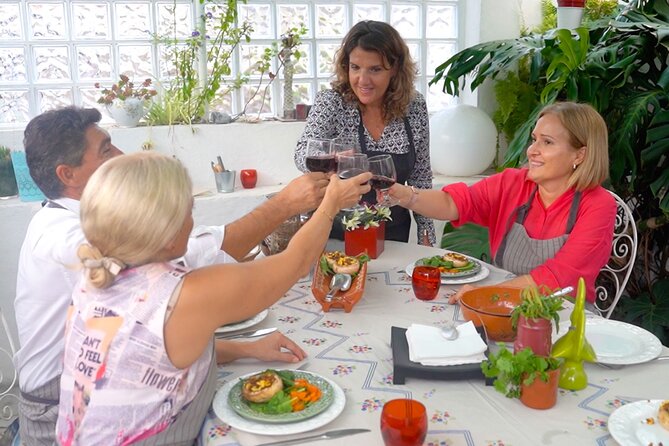
- Small group size (up to 6) keeps the table friendly and the pace relaxed
- A real country home setting in a valley village between Lisbon and Sintra
- Seasonal menu with dietary adaptations including allergy accommodations
- Wine and lunch are included, not a separate add-on event
- Conversation + local history shared around the meal, not a lecture in a classroom
- A recipe e-book follows the experience, so you can cook again at home
Deciding between days out? Here are a few more from Lisbon:
- Lisbon City Center Tour – The Unmissable Lisbon★ 5.0 · 22,234 reviews
- Lisbon: Sintra, Pena, Regaleira, Cabo da Roca & Cascais★ 4.7 · 19,656 reviews
- Lisbon Card: 24, 48, or 72-Hour Pass★ 4.5 · 17,944 reviews
- Lisbon: Jerónimos Monastery Entrance Ticket★ 4.1 · 14,164 reviews
A Village Kitchen Just 20 Minutes From Lisbon
This is one of those Lisbon-area experiences that fixes the problem with many city trips. You do not spend your afternoon commuting, then rushing to a crowded venue, then eating something you can get anywhere.
Instead, you head to a small, picturesque village in the Lisbon area, and the whole mood changes quickly. The run from Lisbon feels short, about 20 minutes, but the setting feels slower and older, in a valley with plenty of stories to tell. The core idea is simple: a warm lunch, cooked the Portuguese way, inside a home that has been in the family for a century.
You are not coming for a show. You are coming for a meal where the host talks while you cook, then you sit down and enjoy what you helped make.
Meet Katija in Barcarena at Igreja de São Bento de Valejas
The meeting point is Igreja de São Bento de Valejas, Barcarena, 2730-106, Portugal. The experience starts at 1:00 pm, and it ends back at the meeting point.
A few practical points that matter here:
- You are given a mobile ticket, which keeps things easy on the day.
- It is offered in English.
- It is designed to be doable with public transport since it is near public transportation, and a service animal is allowed.
One thing I appreciate is that this is not framed as private-limo territory. Transportation is on you, but the area is reachable from the Lisbon region by car or train. That makes it more flexible than tours that lock you into a taxi-only solution.
Welcome Bites: How the Lunch Starts Like a Good Conversation
The afternoon begins like a proper Portuguese meal should: with an easy welcome and snacks that set you up for cooking.
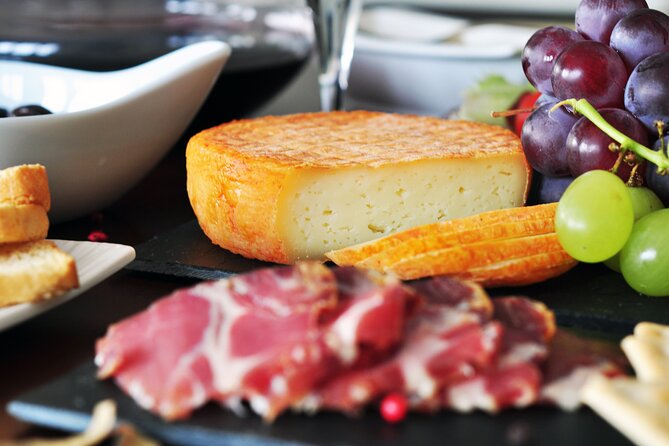
You get a welcome drink, either local tea, wine, or water, and you start with a classic spread such as:
- olives
- cheese
- local jam
- toasts
This first stage is more than just a snack. It is how you settle into the rhythm of the home. You get time to chat, meet the other people at your table, and hear where the recipe is heading. It also gives you a feel for the ingredients and flavors you will keep running into in Portugal, like simple dairy partners (cheese), salty starters (olives), and that sweet note that jam brings to toasts.
Cooking in a 100-Year-Old Home: Seasonal Recipes and Real Prep Work
You cook during the meal, with a pace that is friendly for mixed skill levels. The menu is not fixed in stone. It gets adapted based on:
- the season
- your dietary restrictions
- your preferences
That flexibility is a big deal if you are traveling with food limitations. One review highlighted that an allergy was accommodated, and that is exactly what you want to hear when you book a home meal. You are not sending a list into the void. You are going to a host who plans the menu for real people at a real table.
What the cooking tends to look like:
- You prep ingredients, like slicing and sautéing aromatics.
- You work the key steps alongside the host, but the process stays manageable.
- The host explains the why, not just the what.
In reviews, you also see themes repeat across different menus: dried cod (bacalhau), seafood dishes, chorizo-forward flavors, and dishes built around rice. So even though you cannot assume the exact same pot will be on your menu, you can expect Portuguese cooking that leans practical and ingredient-driven rather than fancy plating.
Other trips that start in Lisbon and end well:




You Might Taste Herbs From the Garden and Hear the Why Behind Portuguese Food
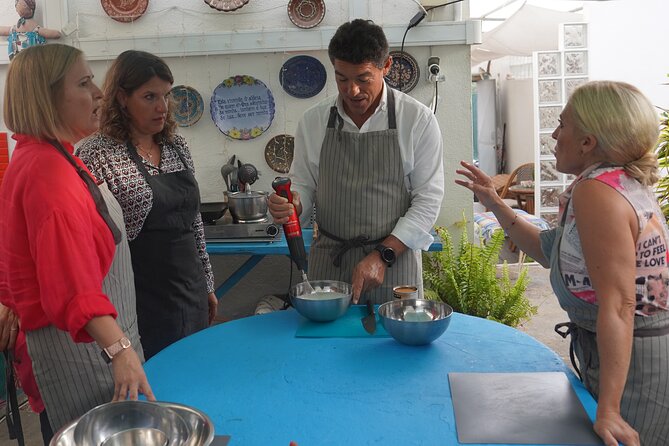
Food in Portugal is tied to place. That comes through in the way Katija talks and how the home connects to local life.
In one experience, she even brewed tea using lemon verbena leaves picked moments before. In other moments, she walked guests through village and family history, sharing photos and artifacts tied to her home. The vibe is personal: you learn that recipes are not just recipes. They are how a community adapts over time.
What I find useful about this part is that it gives you a lens for the rest of your trip. Once you understand how Portuguese cuisine grew from seasonal availability, family habits, and centuries of influences, you start noticing patterns when you eat on your own later. You see why simple dishes can taste deep, and why certain ingredients show up again and again.
What You Actually Eat: Appetizers, Main, Dessert, and Included Drinks
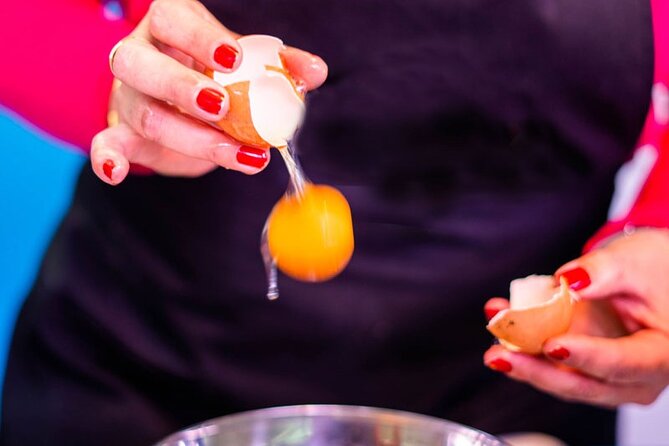
This is a lunch, not a snack. The included food covers:
- Appetizers
- Main course
- Dessert
- Drinks: red and white wine, tea, and water
The appetizer spread starts you off with olives, cheese, local jam, and toasts, plus your welcome drink.
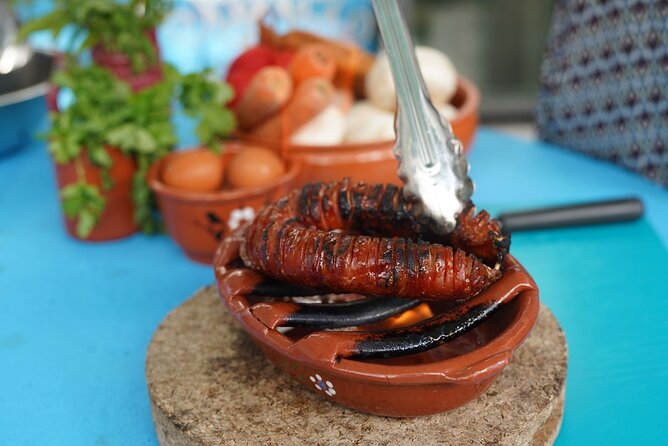
For the main course, the experience is described as a house recipe to taste, adapted to the season and dietary preferences. Across reviews, the dishes named include things like:
- bacalao (dried cod)
- octopus rice
- beans with squid and chorizo
- seafood and chorizo-based meals
- a soup that guests really enjoyed
Dessert is one of Portugal’s typical sweets, chosen by the host. Reviews and the description point out that Portuguese desserts often split into two worlds: those with dairy and eggs, and those that focus on fruit with a special touch.
A note if you drink wine: the experience includes wine, but it is not framed as a wine tasting. Think of it as lunch wine, paired to the meal and conversation.
How Much Do You Cook: Hands-On Without the Pressure
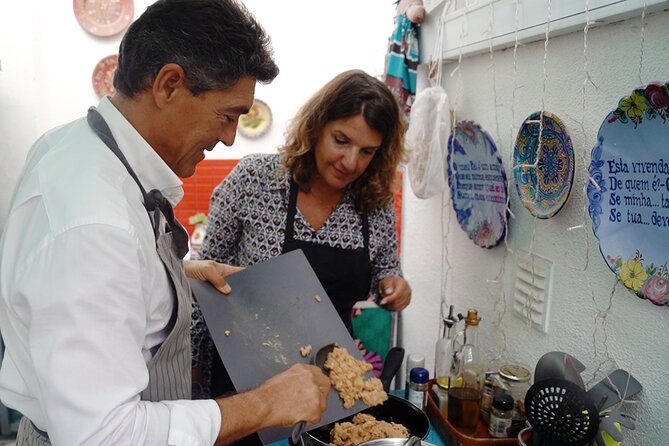
This is where expectations can make or break your afternoon.
I like that the tasks are distributed in a way that keeps everyone involved. But I also want to set a realistic expectation: at least some parts are done with guidance, and the cooking level can be described as accessible, even for beginners.
One review said they wanted to cook more themselves and do more complex dishes, and that the workshop felt at an elementary level. Another point from feedback: a bit of the time can go to photos and relaxed conversation, which is part of how the experience feels like visiting, not training.
So here is my practical advice. If you want a full-on culinary boot camp, you might feel shorted. If you want a warm, local, eat-what-you-make afternoon where you learn how Portuguese home cooking works, you will likely love it.
Stories at the Table: Why the Conversation Is Part of the Value
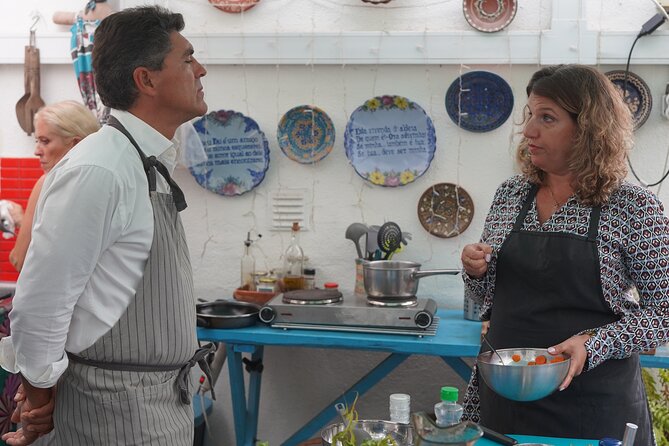
The meal is the meal. But the stories are why this experience sticks.
Your host shares fascinating tales while you cook and while you eat. This includes village and home history, how Portuguese food connects to past and present, and family material that makes it tangible. In one review, guests talked about photos and artifacts tied to her grandfather. In another, the conversation ranged into travel and life topics after dinner.
This matters because you get a different kind of cultural learning than you do from a museum audio guide. It is not facts for facts’ sake. It is context that makes everyday Portuguese food feel understandable.
And yes, it is also just pleasant. The table stays social. You get to meet other people who picked this same kind of afternoon, and the small group size helps everyone stay in the conversation rather than fading into a crowd.
Price and Value: What You Get for $106.65
At $106.65 per person for about 3 hours, this is not a budget picnic. It is priced like what it is: a small-group home meal with a lot included.
Here is what you are actually paying for:
- A full lunch experience (appetizers, main, dessert)
- Drinks included, including red and white wine
- A host-led cooking experience with Portuguese food knowledge and adaptation for dietary needs
- A recipe e-book offered after sharing your opinion
The biggest value multiplier is the combination. You are not just buying food. You are buying the setting (a real home, not a rented demo space), the host’s time, the history context, and the ingredient-focused shopping mindset.
The one cost not covered is transport. Private transportation is not included, and you handle getting there yourself. But since it is near public transportation and reachable from the Lisbon region by train or car, you can plan it without turning your day into a long private transfer.
Getting There From Lisbon, Sintra, and Cascais Without Stress
The experience is positioned as easy to reach from:
- Lisbon
- Sintra
- Cascais
And the journey to the village is described as about 20 minutes.
What you should plan for: you will likely need to use a mix of transit and short local access based on where you start. Since private transport is not included, build a little buffer into your schedule so you arrive at 1:00 pm without running late.
If you are already in the area, this is the kind of activity that can make your day feel less like logistics and more like a real local afternoon.
Who This Is Best For (and Who Might Want Something Else)
This suits you best if you want:
- an intimate meal with up to 6 people
- to learn Portuguese cooking in a home setting
- cultural context served with lunch
- dietary flexibility handled by the host
You might also like it if you are traveling as a couple, a small family group, or a solo traveler who enjoys talking at the table. Reviews highlight friendliness and a welcoming vibe, including cases where guests left feeling they made a local connection.
Who should think twice:
- If you want a very advanced technical class with lots of step-by-step complexity, the cooking can feel more beginner-friendly.
- If you are ultra-focused on maximizing hands-on time and minimizing conversation, the pacing may feel too relaxed.
Quick Tips So Your Afternoon Goes Smooth
- If you have dietary restrictions, make sure they are clear when booking, since the menu is adapted to dietary needs.
- Come hungry. This is lunch with appetizers, a main, and dessert.
- If you do not drink alcohol, tea and water are included, and you can still enjoy the full experience.
- If you care about hands-on cooking, be ready to participate in prep and key steps, but also accept some guidance and a relaxed pace.
Should You Book This Portuguese Home-Cooked Meal?
Yes, if you want a Lisbon-area experience that feels human. For the money, what you get is not just food, it is the setting and the host’s time, plus the included recipe follow-up so you can recreate flavors later.
I would skip it if you are searching for a high-intensity cooking class with advanced techniques and lots of complex dishes. This is more about authentic home cooking, seasonal Portuguese flavor, and conversation than it is about mastering a restaurant-level skill set.
If your goal is a slow, warm afternoon in a real village home, with Katija sharing stories and getting everyone around the table, this is the kind of booking you will remember long after you finish dessert.
FAQ
How long is the experience?
It runs for about 3 hours.
What is the meeting point and start time?
The meeting point is Igreja de São Bento de Valejas, Barcarena, 2730-106, Portugal. The start time is 1:00 pm, and the activity ends back at the meeting point.
What language is the experience offered in?
The experience is offered in English.
What is included in the price?
The lunch includes appetizers, main course, dessert, and drinks (red and white wine, tea, water). You also receive an e-book of recipes after you share your opinion.
Is private transportation included?
No, private transportation is not included.
How many people are in the group?
The group is limited to a maximum of 6 travelers.
Are dietary preferences and restrictions handled?
Yes. The menus are adapted depending on the season and your dietary restrictions or preferences.
What happens if the weather is bad?
The experience requires good weather. If it is canceled due to poor weather, you will be offered a different date or a full refund.
Fresh across the seven hills
- Full-day Private Tour: Fátima Sanctuary, Batalha, Nazaré, Óbidos
★ 5.0 · 6 reviews - Porto Private Tour from Lisbon
★ 4.5 · 6 reviews - VIP transfer from the airport to Lisbon hotels
★ 5.0 · 6 reviews - Lisbon Photoshoot: Capture Your Adventure
★ 5.0 · 6 reviews - Lisbon: Romantic Sunset Cruise With Wine & Portuguese Tapas
★ 5.0 · 6 reviews - Arrábida Wine Tour – 3 Wineries, Traditions & Views from Lisbon
★ 4.5 · 6 reviews - Lisbon: Sintra, Pena Palace, Belém Tour + sunset Boat Cruise
★ 5.0 · 6 reviews