
Reviewed · 1-DAY TOURS
Lisboa Story Centre: 1-Day Admission Ticket
Lisbon history plays like a movie in your hands. At Lisboa Story Centre, you get interactive storytelling tied to major moments, all inside the Terreiro do Paço complex. I like how the experience is structured in a clear timeline, and you also get a recorded multilingual guide that keeps you moving through the big scenes, from early Lisbon to the city people know today.
Your main consideration is comfort. One drawback to plan around is that some parts of the attraction may not have air conditioning, so it can feel warm on hot days, especially if you’re visiting midday.
In This Review
- Key Points You’ll Care About
- Entering Terreiro do Paço, Lisbon’s Big History Stage
- A 60-Minute Time-Travel Route With a Recorded Storyteller
- Five Ground-Floor Exhibitions in Chronological Order
- 1) The Early Chapters You Can Follow Without Prior Knowledge
- 2) A 16th-Century Warehouse and New World Trading Life
- 3) All Saints’ Day, 1755, and the Great Earthquake Aftermath
- 4) The Marquis of Pombal and Reconstruction Thinking
- 5) The In-Between Chapters That Bridge to Modern Lisbon
- The First-Floor Virtual Scale Model: Map Skills for Modern Lisbon
- Temporary Exhibition Area, Without Turning Your Day Into a Marathon
- Audio Guide Languages and How to Use Them
- Comfort Tips for Hot Days and Long Walks Between Scenes
- Value for Your Money: Admission + Audio Guide, Not Just Screens
- Who Lisboa Story Centre Works Best For
- Should You Book Lisboa Story Centre?
- FAQ
- How long does Lisboa Story Centre take?
- Where is Lisboa Story Centre located?
- What are the opening hours?
- Is the audio guide included, and what languages are available?
- How many exhibition areas are there?
- Is Lisboa Story Centre wheelchair accessible?
- Can I cancel and pay later?
Key Points You’ll Care About
- 60-minute, recorded tour that works well when you want history without a long guided lecture
- Six public areas total, with five main exhibition sections on the ground floor
- Major set pieces include a 16th-century warehouse with New World goods and ships, plus the 1755 earthquake aftermath
- Marquis of Pombal reconstruction is featured as a clear storyline you can follow
- First-floor virtual scale model helps you connect past events to Lisbon’s architecture types
- Temporary exhibition space gives you an extra theme-based stop without eating the whole day
Some other seven-hills days worth pricing up
- Lisbon: Jerónimos Monastery Entrance Ticket★ 4.1 · 14,164 reviews
- Lisbon: Oceanário de Lisboa Entrance Ticket★ 4.6 · 9,943 reviews
- Lisbon: São Jorge Castle E-Ticket and Audio Guide★ 4.3 · 2,182 reviews
- Lisbon: 72/96-Hour Hop-On Hop-Off Bus, Tram & Boat Ticket★ 4.4 · 2,170 reviews
Entering Terreiro do Paço, Lisbon’s Big History Stage
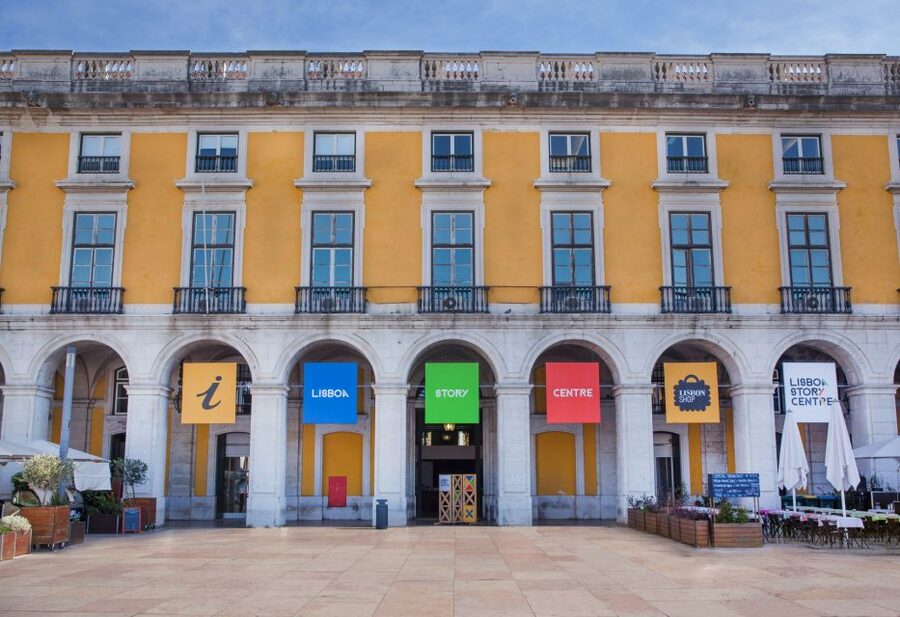
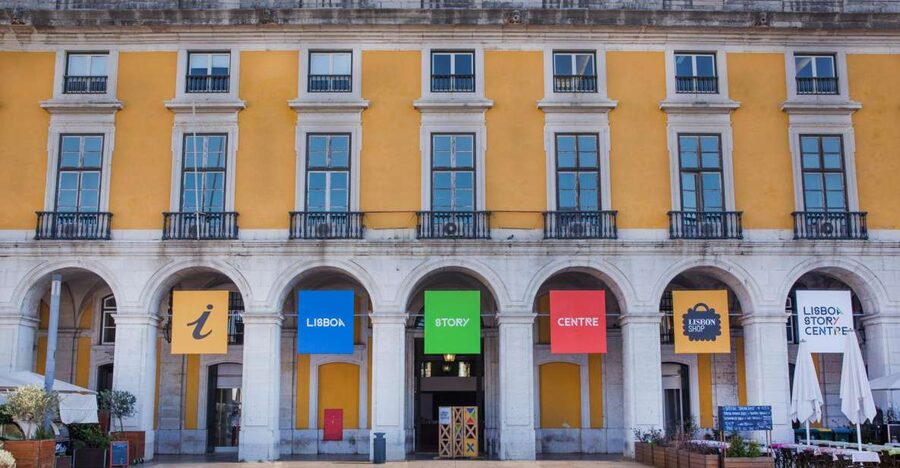
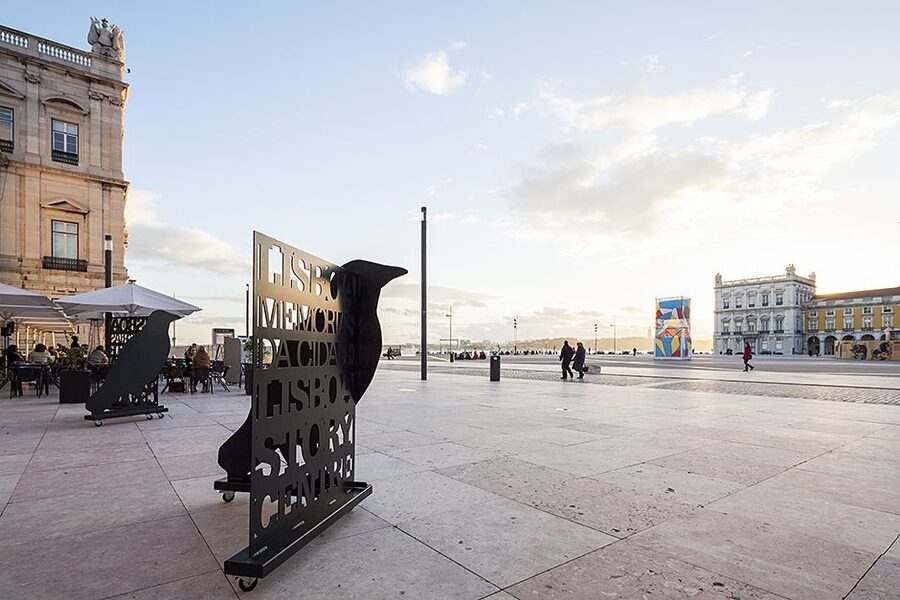
Lisboa Story Centre is set in Lisbon District at Terreiro do Paço, in the East Wing of the newly renovated complex. The address you’ll want is Terreiro do Paço, 78-81, 1100-148 Lisboa, and this is a great spot to anchor your visit because the area already feels like a “center of gravity” for the city.
This venue is designed for an easy, day-friendly visit. The attraction covers around 2,200 square meters, spread across multiple public areas. You’re not stuck in one room watching one display, which is a big plus if you get restless in museums.
Hours are daily from 10:00 to 19:00, with last entrance at 18:00. If you want a relaxed pace, aim to arrive with enough time for a full route and a stop in the temporary exhibition area.
A 60-Minute Time-Travel Route With a Recorded Storyteller
The core experience is a 60-minute journey across time and space. You’ll move through the centre on a chronological route, guided by a recorded multilingual storyteller via the audio guide. That recorded voice matters because it ties together the sets, multimedia elements, and sensory moments, instead of feeling like you’re just walking between disconnected exhibits.
The attraction uses a mix of elaborate sets plus multimedia and sensory experiences. In plain terms, it’s built like a guided show. If you like history explained with scenes and atmosphere, this format is a good match.
Your day ticket covers the main route. You’ll have time to see the ground floor exhibition spaces, then head to the first floor for the virtual scale model. There’s also access to a temporary exhibition area that connects to the centre’s main themes.
Five Ground-Floor Exhibitions in Chronological Order
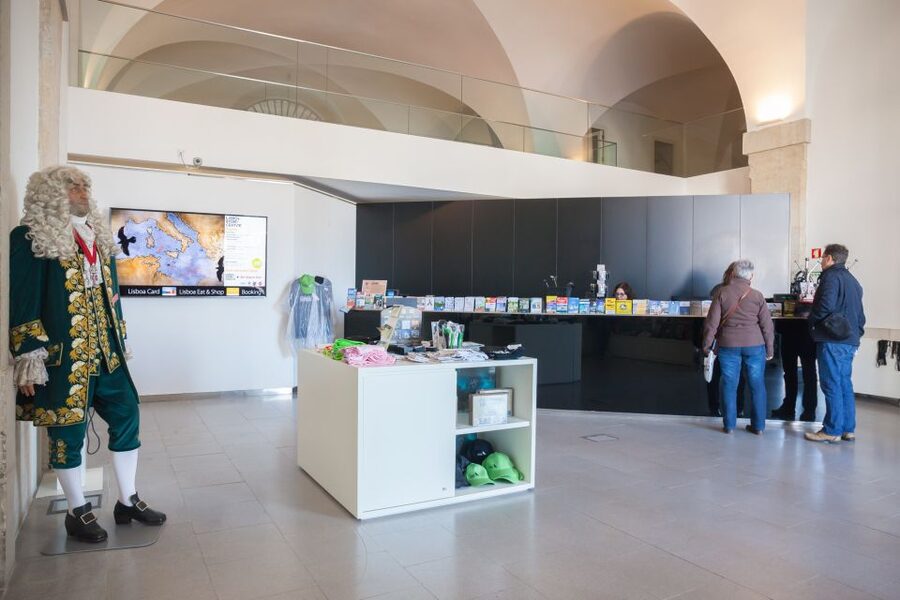
On the ground floor, you’ll find five main exhibition areas, arranged in chronological order, each built around a chapter of Lisbon’s story. I like this approach because you get your bearings fast. Instead of hunting for “the right order,” you follow the route and let the timeline do the work.
The entire spread is designed to cover Lisbon’s journey from the earliest civilizations through to more recent times. The audio guide keeps you oriented, and the set design does the heavy lifting by making the past feel like scenes rather than text panels.
1) The Early Chapters You Can Follow Without Prior Knowledge
The earliest parts of the route set up the story of Lisbon before it becomes the city you picture on a postcard. You’re not expected to have background knowledge. The exhibit framing is meant to walk you forward step by step, and the chronological structure helps you connect what you’re seeing with what comes next.
If you’re visiting with someone who normally skips museum history, this is a smart start. The experience doesn’t ask you to memorize dates. It asks you to understand the flow of events.
Other trips that start in Lisbon and end well:




2) A 16th-Century Warehouse and New World Trading Life
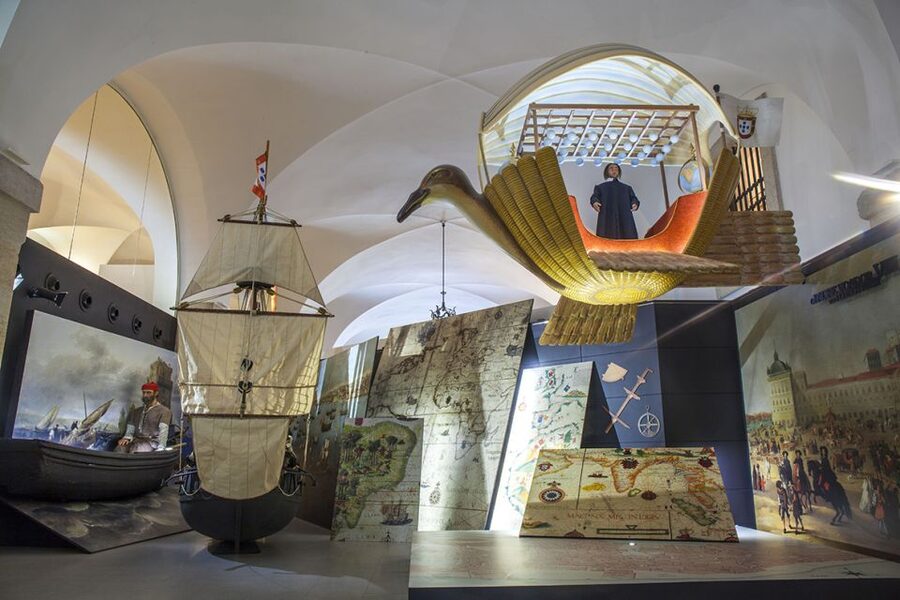
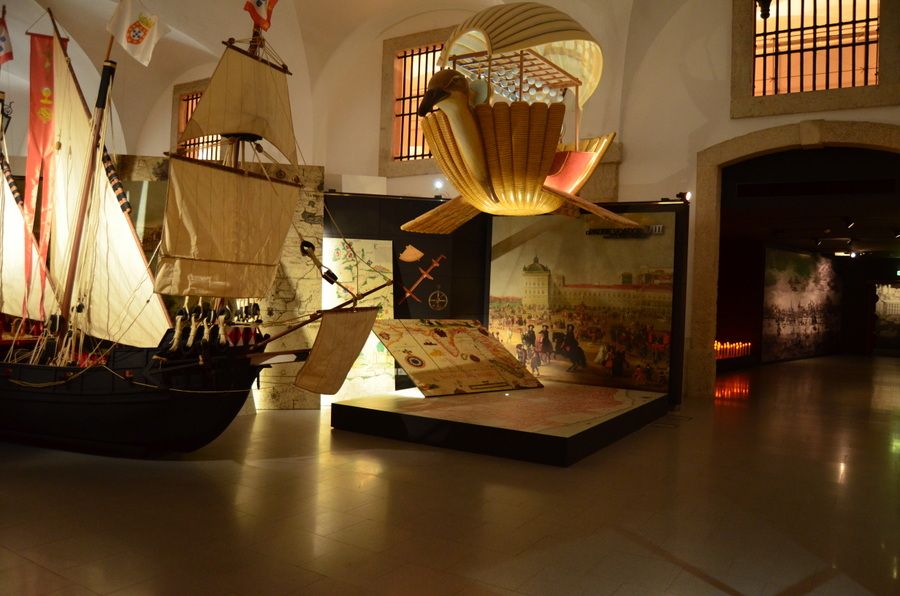
One of the standout scenes is set in a 16th-century warehouse atmosphere. Here, you’ll see products from the New World and learn about how those goods were transported by caravela ships displayed as part of the exhibit.
This part is valuable because it explains Lisbon’s role in wider trade routes. It’s not just “ships existed.” You get a sense of goods, movement, and the kind of global connection that shaped the city’s fortunes.
Tip: when you reach the trading area, take your time looking at the displayed objects and the ship-related elements. The route moves on, so this is one place to slow down so the story sticks.
3) All Saints’ Day, 1755, and the Great Earthquake Aftermath
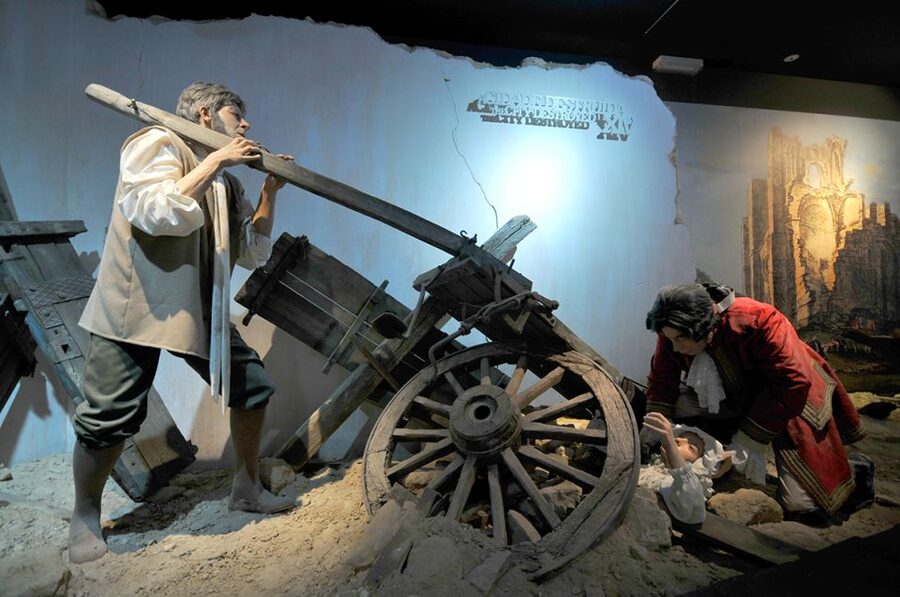
Another major highlight is the tragic event of All Saints’ Day in 1755. This section uses a multi-sensory reenactment style to show the Great Earthquake and its consequences.
Even if you’ve read about 1755 before, you’ll likely appreciate how the exhibit turns catastrophe into a narrative you can follow. The key benefit is clarity. You’re guided through what happened and why it mattered, rather than seeing it as a distant historical fact.
Consideration: this is the emotional centerpiece of the route. If you’re visiting with young kids or anyone who prefers lighter topics, you might want to be ready for that tone shift.
4) The Marquis of Pombal and Reconstruction Thinking
After the earthquake story, you accompany the Marquis of Pombal as the city moves into reconstruction. This section centers on his far-reaching vision and how rebuilding was planned and carried forward.
What makes this part useful is that it doesn’t stop at tragedy. It helps you understand how Lisbon responded and how new planning ideas influenced the city afterward. For many visitors, this is where the “so what” of 1755 becomes clearer.
5) The In-Between Chapters That Bridge to Modern Lisbon
Between the big set pieces, the route includes other story episodes that cover Lisbon’s historical arc. The exhibits are designed to move through the city’s eras in order, so you get continuity from early life, to maritime connections, to disaster, to reconstruction, and beyond.
If you prefer museum visits where you’re never unsure what you’re looking at, this chronological sequencing is a strong feature. It keeps you from feeling lost in a crowd of displays.
The First-Floor Virtual Scale Model: Map Skills for Modern Lisbon
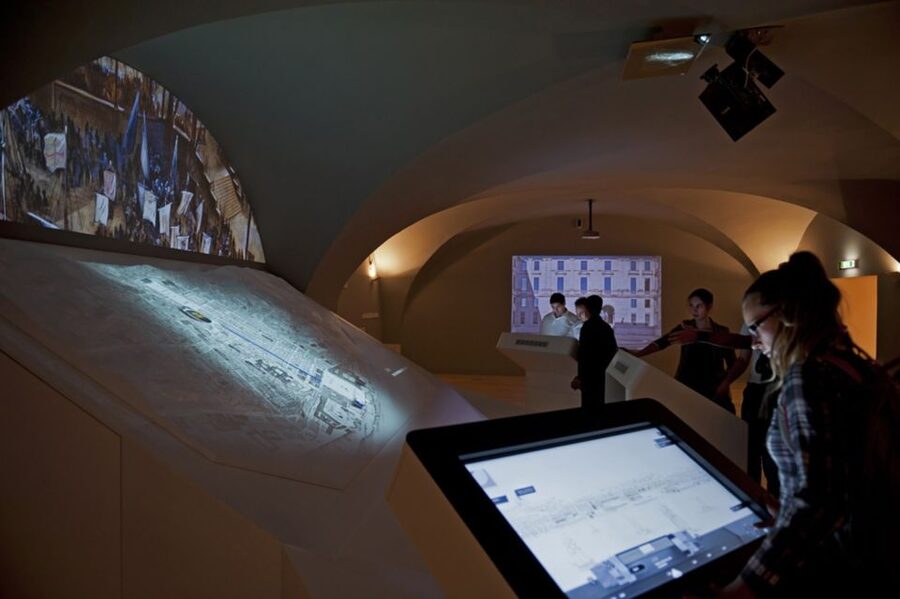
The sixth exhibition area is located on the first floor and features a virtual scale model of the capital. This is where you get to zoom out and see Lisbon’s structure in a way most people never do.
The model provides a more detailed account of Lisbon’s history and, importantly, encourages you to discover modern Lisbon. I like this because it gives you a bridge from the historical scenes below to real places you can walk around after your visit.
Practical approach: after you finish the ground-floor route, use the scale model to spot patterns. Think about architecture types, the city’s layout, and how different eras might influence what you see today. Then when you’re outside, you’ll have a better sense of what you’re looking at.
Temporary Exhibition Area, Without Turning Your Day Into a Marathon
There’s also a temporary exhibition area connected to the centre’s main themes. Even though it’s temporary, the value is consistent: it adds variety to the day without changing the fact that your total time is still centered around that 60-minute core visit.
I recommend treating the temporary space as a quick add-on rather than something you rush. If you’re visiting on a day with good light and you want photo-friendly moments nearby, having this flexible extra stop helps you shape your pacing.
Audio Guide Languages and How to Use Them
Your ticket includes an audio guide. Languages available include Portuguese (adult and child versions), English, Spanish, French, Italian, German, Russian, Mandarin, and Japanese.
That language coverage matters more than you might think. A recorded storyteller in your language keeps the timeline understandable, especially in a multi-scene environment. If you’ve ever wandered through a museum and still felt confused, this is exactly the type of design that reduces that problem.
Tip: If you’re traveling with kids, switching to the Portuguese child version can help match the pace. The attraction is designed to be playful and interactive while still following a historical storyline, so your audio language can make the difference between “scanning” and actually understanding.
Comfort Tips for Hot Days and Long Walks Between Scenes
This is the part you can plan for. Lisbon can be warm, and the exhibition includes multiple areas inside a large footprint. One thing to know is that some installations may not have air conditioning, which can make the visit less comfortable in the heat.
My best advice is simple:
- Go earlier in the day if you can, when it’s cooler.
- Bring water, especially if you plan to keep walking afterward in Terreiro do Paço and nearby streets.
- Wear breathable layers, because you’ll be moving through different set environments.
You’re not stuck for hours. The main journey is about an hour, so you can manage comfort fairly well if you plan your arrival time.
Value for Your Money: Admission + Audio Guide, Not Just Screens
I can’t quote a specific price here because none is provided, but I can still help you judge value based on what’s included. Your ticket gives you admission to Lisboa Story Centre and an audio guide. You also get skip the ticket line, which is a real time saver when you’re trying to pack a day in Lisbon.
The value proposition is this: you’re paying for a guided, show-like experience that covers major episodes with sets, multimedia, and a storyteller timeline. In other words, you’re not just buying access to rooms. You’re buying an organized narrative route.
If you like history but don’t want to read wall after wall, this format is efficient. If you prefer quiet museums with lots of independent exploration, you might still enjoy it, but you’ll likely want to watch the pacing and take breaks in the less intense areas.
Who Lisboa Story Centre Works Best For
Lisboa Story Centre tends to work especially well for people who want a structured way to understand the city quickly. It’s a strong match if you have limited time and you want the big events covered in one visit.
It also fits families. The playful, interactive presentation makes it easier for kids to stay engaged than in many traditional museums. If your goal is a rainy-day plan or a “get perspective on Lisbon fast” stop, this is a smart choice.
On the other hand, if your main interest is the most recent decades of Lisbon’s political, social, or cultural story, you might find the focus is more weighted toward earlier eras and major historical events. The route is designed around those chapters, and the modern angle shows up most clearly through the virtual model and the later timeline sections.
Should You Book Lisboa Story Centre?
Book Lisboa Story Centre if you want an hour-plus of Lisbon history told through clear sequencing, major set pieces, and an audio guide that keeps everything understandable. It’s also a great option if you’re visiting with kids or you’d rather learn through scenes than a stack of facts.
Skip it or think twice if you need a lot of contemporary, up-to-the-minute content, or if you’re sensitive to warmer indoor conditions on hot days. Otherwise, it’s an efficient, value-focused way to get history context before you explore Lisbon on your own.
FAQ
How long does Lisboa Story Centre take?
The day ticket is built around a journey of about 60 minutes through time and space.
Where is Lisboa Story Centre located?
It’s located in the East Wing of Terreiro do Paço at Terreiro do Paço, 78-81, 1100-148 Lisboa.
What are the opening hours?
Lisboa Story Centre is open every day from 10:00 to 19:00, with last entrance at 18:00.
Is the audio guide included, and what languages are available?
Yes, the ticket includes an audio guide. Audio guides are available in Portuguese (adult and child versions), English, Spanish, French, Italian, German, Russian, Mandarin, and Japanese.
How many exhibition areas are there?
The centre has 6 public areas. There are 5 main exhibition areas on the ground floor and a 6th area on the first floor with a virtual scale model.
Is Lisboa Story Centre wheelchair accessible?
Yes, it is wheelchair accessible.
Can I cancel and pay later?
You can cancel up to 24 hours in advance for a full refund. There is also an option to reserve now and pay later to keep your plans flexible.
Fresh across the seven hills
- Full-day Private Tour: Fátima Sanctuary, Batalha, Nazaré, Óbidos
★ 5.0 · 6 reviews - Porto Private Tour from Lisbon
★ 4.5 · 6 reviews - VIP transfer from the airport to Lisbon hotels
★ 5.0 · 6 reviews - Lisbon Photoshoot: Capture Your Adventure
★ 5.0 · 6 reviews - Lisbon: Romantic Sunset Cruise With Wine & Portuguese Tapas
★ 5.0 · 6 reviews - Arrábida Wine Tour – 3 Wineries, Traditions & Views from Lisbon
★ 4.5 · 6 reviews - Lisbon: Sintra, Pena Palace, Belém Tour + sunset Boat Cruise
★ 5.0 · 6 reviews
1-Day Tours, compared.

Sintra and Cascais Small-Group Day Trip from Lisbon
Read our review →
Three Cities in One Day: Porto, Nazare and Obidos from Lisbon
Read our review →
Fátima, Nazaré and Óbidos Small-Group Day Trip from Lisbon
Read our review →

4 Cities in One Day Óbidos, Nazaré, Batalha & Fátima
Read our review →
Fatima Batalha Nazare & Obidos Small Group Day Trip
Read our review →
Arrabida and Sesimbra Small-Group Day Trip from Lisbon with Wine Tasting
Read our review →
Best Sintra Day Trip From Lisbon – Pena, Cabo Da Roca & Cascais
Read our review →Browse the lists this tour appears in