
Reviewed · WALKING TOURS
Lisbon: Jewish Quarter Guided Walking Tour
Lisbon has a hidden Jewish story. This 2-hour guided walk traces how Jewish life shaped the city, then follows the shocks that followed, from medieval segregation to 20th-century refugee routes. You start in the grand open space of Praça do Comércio, but the story soon climbs into the tight lanes and steep viewpoints of Alfama.
I especially like the way the tour connects Jewish history to Portuguese history, not as separate chapters but as one long cause-and-effect chain. You also get a clear tour through key places, including the Judiaria Street area, the view from Portas do Sol, and the Rossio area tied to the 1506 Pessah massacre.
One big consideration: this is a mostly uphill walk with stairs in Alfama, and it is not a gentle stroll. If you have back issues, limited mobility, or low fitness, or if you are very young or older than the recommended range, you should think twice.
In This Review
- Key things to know before you go
- Entering Lisbon’s Jewish story at Praça do Comércio
- Following Judiaria Street into Alfama’s steep, lived-in streets
- Portas do Sol viewpoint and S. Jorge Castle, seeing the city’s layers
- Baixa District forced conversions, and what that pressure did
- Rossio and the 1506 Pessah massacre: learning the shock points
- WWII refugees in the 1940s, and Lisbon as a diaspora crossroads
- Pace, route, and what to pack for the stairs in Alfama
- Who gets the most from this walking tour of the Judiaria
- Price and value: $58 for a 2-hour guided route with real focus
- The decision: should you book this Lisbon Jewish Quarter tour?
- FAQ
- How long is the Lisbon Jewish Quarter Guided Walking Tour?
- What is included in the price?
- Where do I meet my guide?
- What language is the tour in?
- Is the walk mostly uphill?
- Is it suitable for people with mobility issues or back problems?
Key things to know before you go
- Praça do Comércio sets the tone, with the tour framing the community’s roots back to the Exodus
- You walk through Alfama and the medieval segregation layout, where the physical city helps explain the social reality
- The tour covers Baixa forced conversions, linking laws and pressures to everyday life
- You reach the Rossio area, tied to the 1506 Pessah massacre
- WWII-era themes show up too, including refugee passage in the 1940s, and how Lisbon connects to wider diaspora routes
- The group stays small, capped at 10, so you can ask questions and take breaks
More Lisbon miradouros linked on foot:
- Lisbon: History, Stories and Lifestyle Walking Tour★ 4.8 · 10,902 reviews
- Best of Lisbon Small-Group Guided Walking Tour★ 5.0 · 4,869 reviews
- Lisbon: Food and Wine Small Group Walking Tour★ 4.9 · 4,082 reviews
- Best of Lisbon Walking Tour: Rossio, Chiado & Alfama★ 4.9 · 2,700 reviews
Entering Lisbon’s Jewish story at Praça do Comércio
The tour begins at Praça do Comércio, one of Lisbon’s most dramatic squares, open and bright compared with what comes later. Starting here is smart because it gives you a big-picture frame fast: the guide uses this space to talk about origins and movement, including the idea that the story’s roots trace back to the Exodus.
From this starting point, the walk quickly becomes more than sightseeing. You are learning how power and displacement can reshape a city. Even if you have seen Lisbon’s big landmarks already, this is where the tour turns the volume up on meaning, so later stops feel like they belong to the same thread.
Following Judiaria Street into Alfama’s steep, lived-in streets
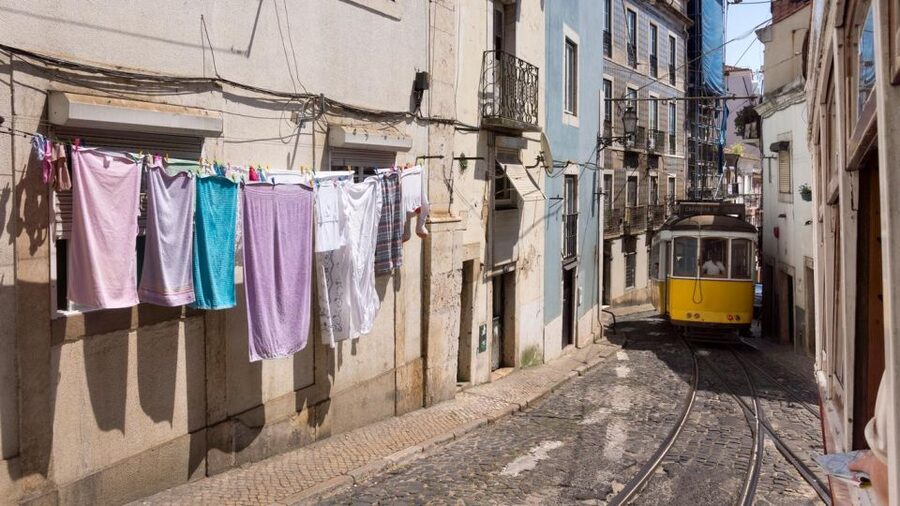
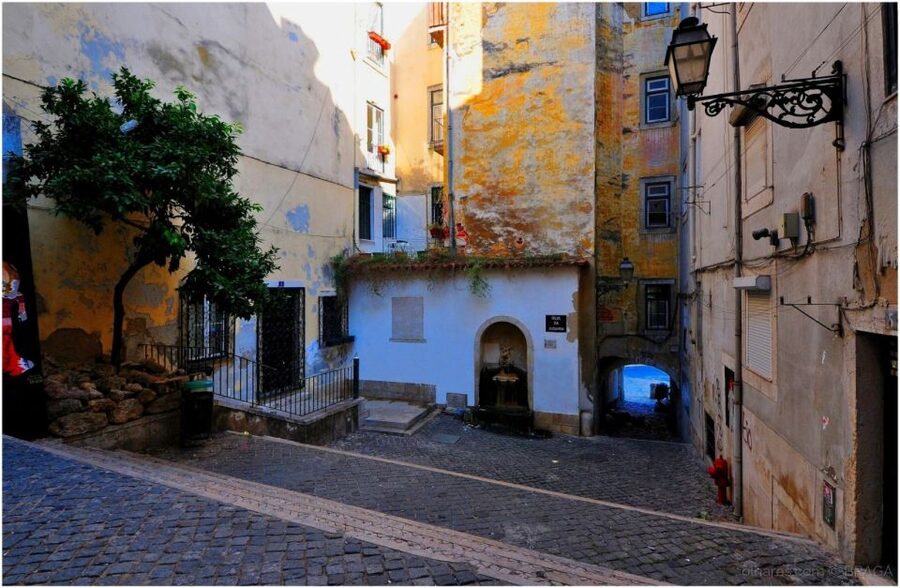
As you head toward the Alfama side of Lisbon, the pace shifts from grand squares to the reality of medieval urban life. The highlight here is the sense of medieval segregation. Even if physical evidence from centuries ago is limited, the guide helps you read the streets you’re walking, so the social boundaries are not just abstract.
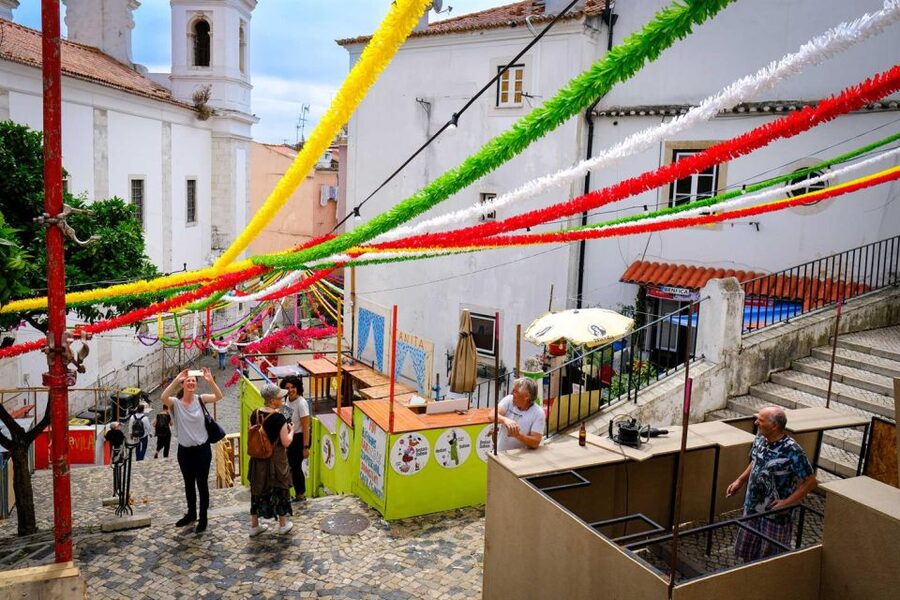
You will also pass through the general Judiaria Street area, and the tour uses it to explain how Jewish presence fit into Portuguese urban life, then how that fit was challenged. This part matters because Lisbon’s hills make history feel physical. You do not just hear about separation and control, you experience how the terrain channels movement and creates natural pressure.
One practical note: you will do stairs, and it is uphill. If you go in expecting a flat walk, you will feel it in your legs. But if you plan for it, it becomes a tour that makes the city’s old geography feel real.
Portas do Sol viewpoint and S. Jorge Castle, seeing the city’s layers
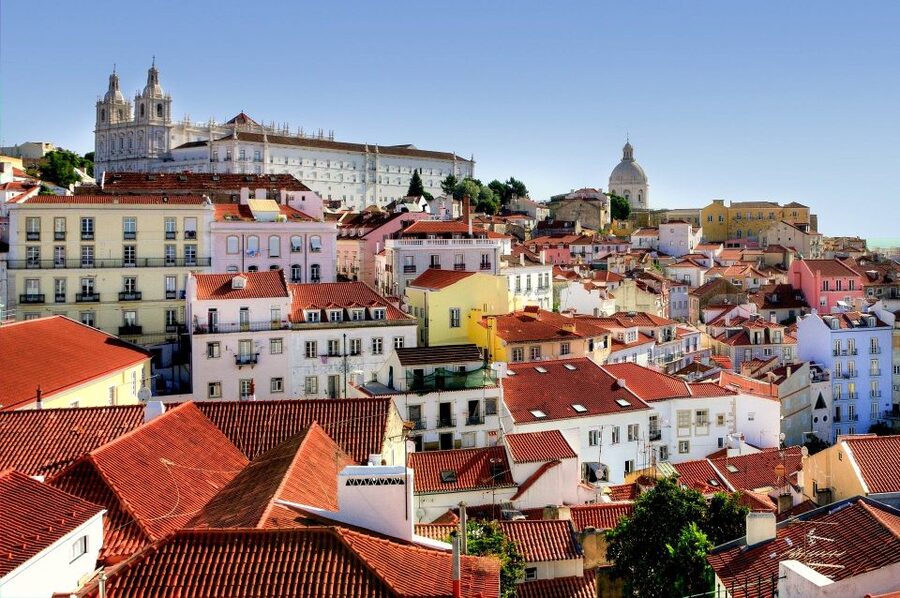
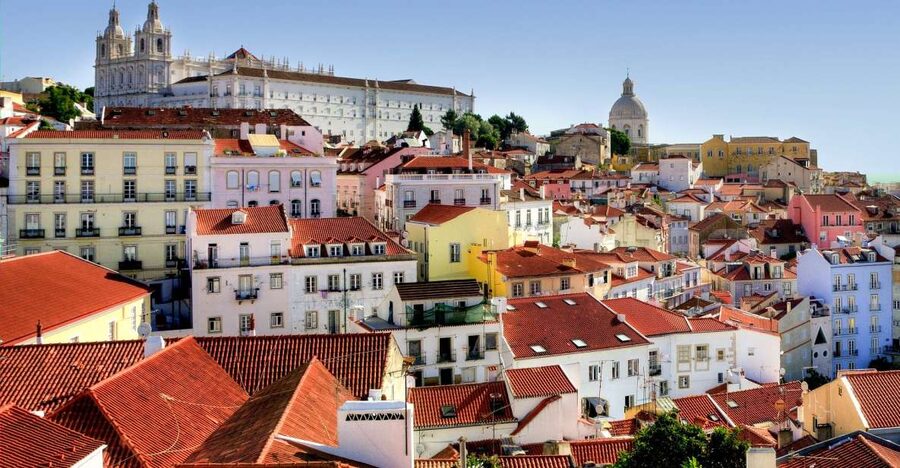
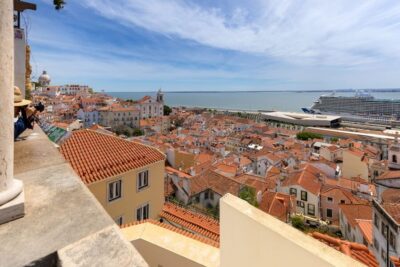
At Portas do Sol, you get one of those classic Lisbon viewpoints that feels like a reward for climbing. Here the guide typically shifts from streets to skyline, helping you understand how Lisbon’s layout could shape communities, movement, and escape routes.
Then you move toward S. Jorge Castle. Even if you are not spending time inside the fortress, the castle zone works as a historical anchor. It helps explain why Alfama looks the way it does and why certain neighborhoods were built in stubborn, defensive patterns. You also get a sense of how Lisbon’s power centers loomed over daily life.
This is one of the best parts if you like history that is tied to geography. It is also one of the moments where the tour’s storytelling style matters: you will get figures and context meant to connect your view back to people who lived through the changes.
Baixa District forced conversions, and what that pressure did
After the castle hill area, the tour continues through the Baixa District, where the themes shift again. The highlight here is forced conversions. This is not a vague topic on this tour. You’ll be guided through how policy, religion, and fear affected families, identity, and public life.
The reason this stop is valuable is that it closes the loop. Early in the walk you learn about medieval presence and segregation. In Baixa, you see the next stage: what happened when survival required religious compliance, when communities were reshaped from the outside.
Also, the guide tends to connect these moments to broader Portuguese history, including the way later reforms tried to revise the long-running divide. You may come away seeing Iberian history as a chain of pressure points, not isolated events.
Some other seven-hills days worth pricing up

Rossio and the 1506 Pessah massacre: learning the shock points
The tour reaches Rossio and highlights the 1506 Pessah massacre. This is the kind of event that can sound like a footnote if you only read dates. Here it is placed into the route, so it lands where Lisbon itself holds the memory.
When a guide connects a massacre to surrounding districts, squares, and routes, it changes how you process it. You can picture what happened to ordinary people, then imagine what it would mean for neighbors trying to carry on. You do not need to be a history buff to follow this part, but you do need to be ready for a heavier tone.
One more thing that helps: the tour includes historical figures to guide you through moments like this. If you like learning names and motivations, you will likely enjoy how the story is guided by people, not only by institutions.
WWII refugees in the 1940s, and Lisbon as a diaspora crossroads
The tour does not stop at medieval centuries. It moves into modern themes, including WWII refugees and their passage routes in the 1940s. This section is especially meaningful if you want to understand Jewish history as a living thread rather than a closed book.
Lisbon, in this framing, becomes a crossroads where the story of Jewish movement links to wider Atlantic connections. The tour points to how diaspora spread from Lisbon across the ocean, helping you see how a city can be both a local stage and part of a bigger migration story.
This is a good moment to pay attention to how the guide ties the past to the present. You are not just learning events. You are learning why Lisbon kept mattering, even when the circumstances changed.
Pace, route, and what to pack for the stairs in Alfama
This is a 2-hour walking tour with a small group capped at 10. That small size matters because the route is not uniform. Some streets require more effort, and the guide can help manage the flow better than on big bus-style tours.
The route is described as mainly uphill, with stairs in Alfama. So I would pack for comfort, not for fashion photos:
- Comfortable shoes with grip
- Water, since you will climb
- Comfortable clothes for uneven sidewalks
Also, no baby strollers or baby carriages are allowed. And the tour is listed as not suitable for children under 10, people with back problems, people with mobility impairments, people over 80, people with recent surgeries, people with low fitness, and people over 70. If any of those apply, you might still enjoy Lisbon, but this specific route likely won’t feel good on your body.
Who gets the most from this walking tour of the Judiaria
This tour is best for people who want Jewish history tied to walking, not history tied to a museum room. If you enjoy learning by moving through real neighborhoods, you’ll like the way the story unfolds stop by stop: Praça do Comércio, Judiaria Street area, Portas do Sol, S. Jorge Castle zone, Praça da Figueira, Rossio, and the wider Alfama and Baixa context.
It also fits well if you like questions and conversation. With a small group, you have more chances to ask what you’re wondering, especially when the guide connects Portuguese culture and daily life to Jewish community history, including science and gastronomy themes mentioned as part of the broader narrative.
On the other hand, this may not be the right fit if you:
- Can’t manage stairs or steep sections
- Want a mostly flat walk
- Prefer food stops to history talk (food and drinks are not included)
Price and value: $58 for a 2-hour guided route with real focus
At $58 per person for a 2-hour guided walk, the value depends on your goal. If your goal is to see Lisbon highlights in any quick way, this price might feel steep for a walking tour. If your goal is context, then it makes more sense.
What you’re paying for here is a guide who can connect multiple centuries and multiple districts into one story, while steering you through the neighborhoods where that story made sense. You also get a small group, which helps you feel less rushed and more able to ask questions.
There is no food or drinks included, so budget time and snacks separately if you plan to keep exploring afterward. Still, I like that this tour focuses on the route itself. You’re not paying for a meal stop, you’re paying for interpretation, pacing, and the ability to make the city’s layers click.
If you are someone who finds written descriptions dry, this is the type of tour where the guide’s storytelling style matters a lot. In the past, Amber has been singled out for clear English and for mixing Jewish and Portuguese history in an engaging way. If you end up with a guide like that, the tour tends to feel less like a lecture and more like a walk with an informed storyteller.
The decision: should you book this Lisbon Jewish Quarter tour?
Book it if you want Jewish history that you can walk through, with stops that link medieval segregation, forced conversions, and the Rossio 1506 Pessah massacre to the wider Portuguese story. I especially recommend it if you like history that stays tied to the city’s geography, with viewpoints like Portas do Sol and a castle perspective that helps explain why neighborhoods developed the way they did.
Skip it if climbing stairs and steep streets is a problem for you, or if you need a low-effort outing. This tour is labeled as not suitable for several mobility and fitness situations for a reason.
If you are in the sweet spot, you’ll get something Lisbon does well: history you can feel in the streets, not just read on a sign.
FAQ
How long is the Lisbon Jewish Quarter Guided Walking Tour?
The tour lasts 2 hours.
What is included in the price?
The tour includes a live guide. Food and drinks are not included.
Where do I meet my guide?
Meet your guide at the start of the walk where your guide will be with a dark red umbrella and/or a sign. You should confirm using the contact number linked to your voucher via WhatsApp or iMessages.
What language is the tour in?
The tour is in English.
Is the walk mostly uphill?
Yes. The route is mainly uphill, and there are stairs in the Alfama quarter.
Is it suitable for people with mobility issues or back problems?
No. The tour is listed as not suitable for people with back problems, mobility impairments, recent surgeries, or low fitness, and it also excludes people over certain age ranges. If any of those apply, you should avoid this tour.
Fresh across the seven hills
- Porto Private Tour from Lisbon
★ 4.5 · 6 reviews - VIP transfer from the airport to Lisbon hotels
★ 5.0 · 6 reviews - Full-day Private Tour: Fátima Sanctuary, Batalha, Nazaré, Óbidos
★ 5.0 · 6 reviews - Lisbon Photoshoot: Capture Your Adventure
★ 5.0 · 6 reviews - Lisbon: Romantic Sunset Cruise With Wine & Portuguese Tapas
★ 5.0 · 6 reviews - Arrábida Wine Tour – 3 Wineries, Traditions & Views from Lisbon
★ 4.5 · 6 reviews - Lisbon: Sintra, Pena Palace, Belém Tour + sunset Boat Cruise
★ 5.0 · 6 reviews
Walking Tours, compared.
Best of Lisbon Small-Group Guided Walking Tour
Read our review →
Best of Lisbon Walking Tour: Rossio, Chiado & Alfama
Read our review →
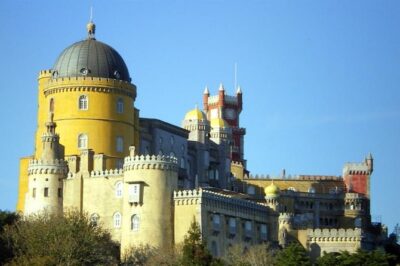
Sintra & Cascais Day Tour with Pena Palace Entry and Gardens Walk
Read our review →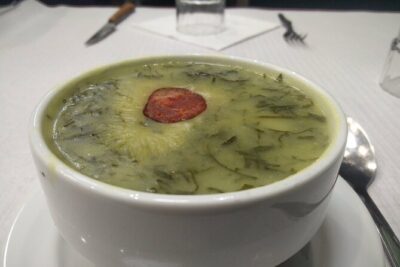
Lisbon Roots – Small group Food & Culture Walking Tour w/tastings
Read our review →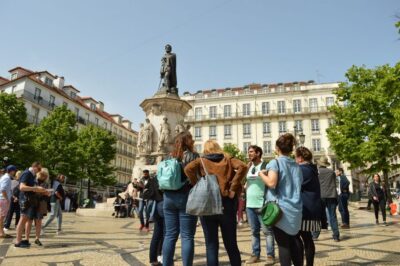
Starter Walking Tour to the highlights in German
Read our review →Browse the lists this tour appears in