
Reviewed · PASTéIS DE NATA TOURS
Lisbon: Pastel de Nata Masterclass at a Real Bakery
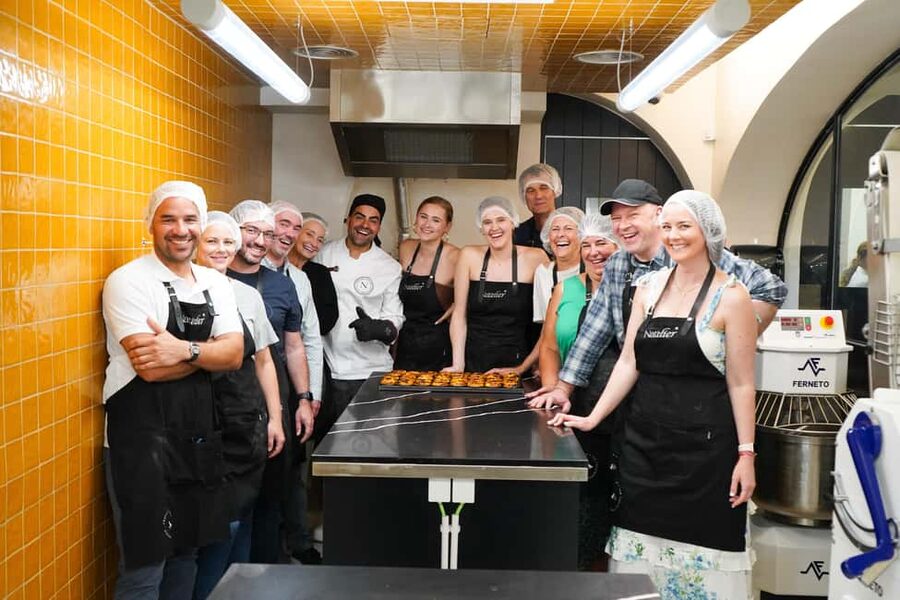
Pastel de nata, made like a pro. At Nat’elier in central Lisbon, this hands-on masterclass happens in a real bakery kitchen, where you learn the puff pastry method from scratch and bake Portuguese custard tarts you can actually be proud of.
I also love the small-group feel, max 12 people, so you get real time at the workbench instead of watching from the sidelines. One consideration: the workshop is not suitable for people with mobility impairments, so check that before you book.
In This Review
- Nat’elier Pastel de Nata Masterclass at a Real Bakery: Key Highlights
- What Makes Nat’elier’s Pastel de Nata Masterclass Feel Authentic
- Finding Nat’elier by Baixa-Chiado Metro, Blue Line
- The Warm-Up: Pastel de Nata History, Tools, and Getting Organized
- Puff Pastry From Scratch, Step by Step in a Pro Kitchen
- The Pastel de Nata Technique: Spreading, Filling, and Getting the Layers Right
- Baking in a Professional Oven, Then Waiting for the Magic
- Tasting the Warm Tarts With Your Choice of Drink
- Price and Value: Is $82 a Good Deal in Lisbon?
- Who This Class Suits Best (And Who Might Want a Different Activity)
- Should You Book This Masterclass in Lisbon?
- FAQ
- How long is the Pastel de Nata masterclass?
- What is included in the price?
- Will I make my own pastries, or just watch?
- Where is the meeting point in Lisbon?
- Is the class suitable for people with mobility impairments?
- What languages are offered during the workshop?
Nat’elier Pastel de Nata Masterclass at a Real Bakery: Key Highlights
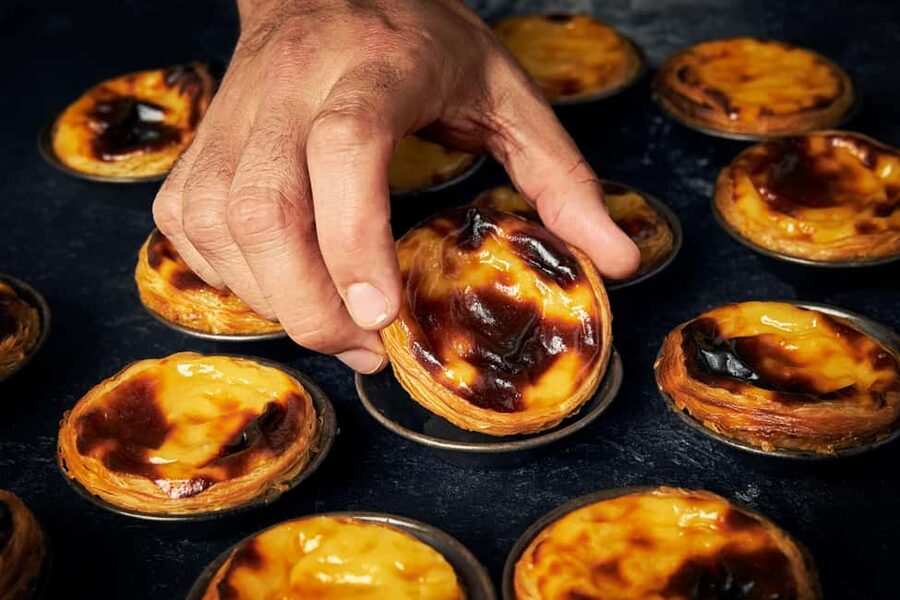
- Hands-on baking: you make at least 3 Pastéis de Nata by hand
- Pro kitchen access: aprons, hair nets, tools, and a working bakery setup
- Puff pastry from zero: learn the lamination process, not shortcuts
- Chef-led technique: sessions may be hosted by João Batalha, Adriano Cardoso, or Sergio Garcia
- Warm tasting with a drink: enjoy what you baked with your choice of hot or cold beverage (no alcohol)
- Small group size: max 12 participants, teamwork and plenty of guidance
More custard tarts, warm from the oven:
- Lisbon: Pastel de Nata Baking Class★ 4.9 · 2,106 reviews
- Pastel de Nata Masterclass at a Real Bakery in Downtown Lisbon★ 5.0 · 491 reviews
- Pastel de Nata Pastry Class: Bake and Enjoy Your Own Treats★ 5.0 · 485 reviews
- Lisbon: 2-Hour Pastel de Nata Cooking Class★ 4.8 · 461 reviews
What Makes Nat’elier’s Pastel de Nata Masterclass Feel Authentic
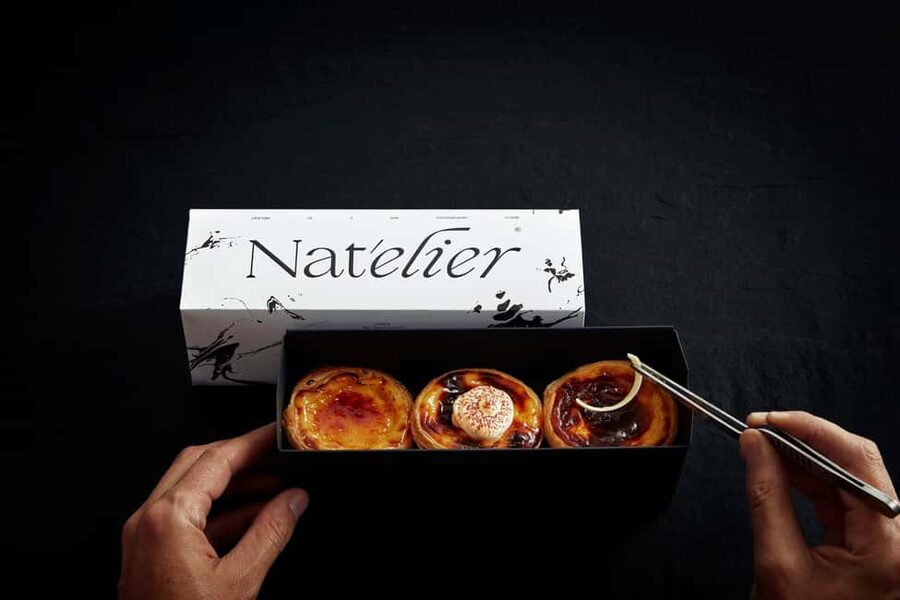
If you love Portuguese food, this class hits a sweet spot. You are not just learning a recipe. You are learning the technique behind Lisbon’s most famous snack, the one that turns flaky layers and custard into something dangerously easy to keep eating.
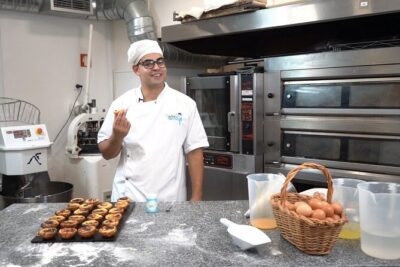
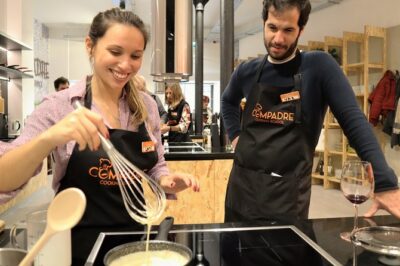
The big reason I like this experience is that it runs inside a working pastry setting. You gear up, step into the bakery space, and follow a professional pastry chef’s pacing. That matters because pastel de nata is all about timing, temperature, and handling the dough without crushing the layers.
Second, you get enough hands-on work that the results feel earned. Everybody makes their own tarts, and you practice key steps like laminating the dough, using the proper spreading technique, and filling with custard before baking.
The session is only about 2 hours, so it moves briskly. That is good for most people, but if you want super slow instruction, you might wish for a longer class.
Finding Nat’elier by Baixa-Chiado Metro, Blue Line
Meeting point is straightforward once you know the landmark: Nat’elier, outside the Baixa-Chiado metro station on the blue line. I recommend you arrive a few minutes early, especially if you are walking through the older center streets and want time to find the door calmly.
The location is central, so it plays nicely with a Lisbon day that already includes downtown wandering. After the class, you are positioned to head out for espresso, a second round of pastries, or an easy stroll toward nearby sights.
You can use the provided Google Maps link to get the exact pin. Just make sure you look for the Nat’elier storefront, then tell the staff you are attending the Pastel de Nata Masterclass.
The Warm-Up: Pastel de Nata History, Tools, and Getting Organized
The workshop starts with a short introduction, including the history of Pastel de Nata. This is not a long lecture, but it gives you context for why the method matters, not just the final shape.
Next, you gear up. You get the practical safety and cleanliness items like an apron and hair net, plus access to the baking equipment you need. You will also have water available during the session, which is a small detail that helps you stay focused while your dough is doing its thing.
This warm-up phase also sets you up for how the rest of the class will run. You learn how the work is organized for a group of up to 12, so you are not standing around waiting for your turn. That structure is a big part of why people leave feeling confident.
And yes, the language split is real: instruction is available in English and Portuguese. If your Portuguese is basic, you will still have support, but your comfort will depend on which instructor is teaching that day.
Puff Pastry From Scratch, Step by Step in a Pro Kitchen
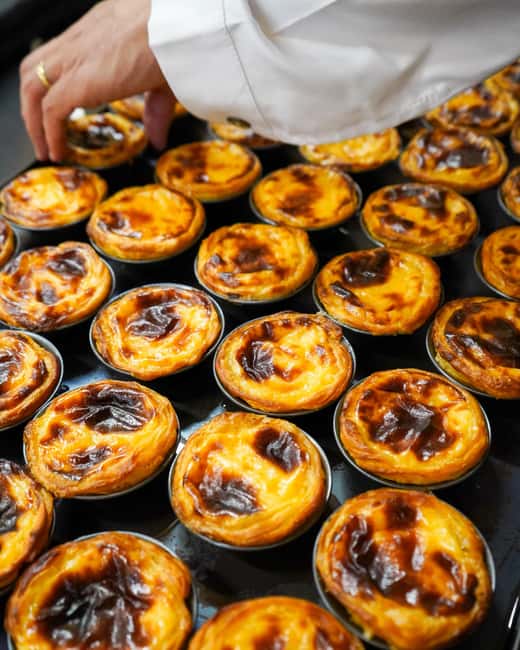
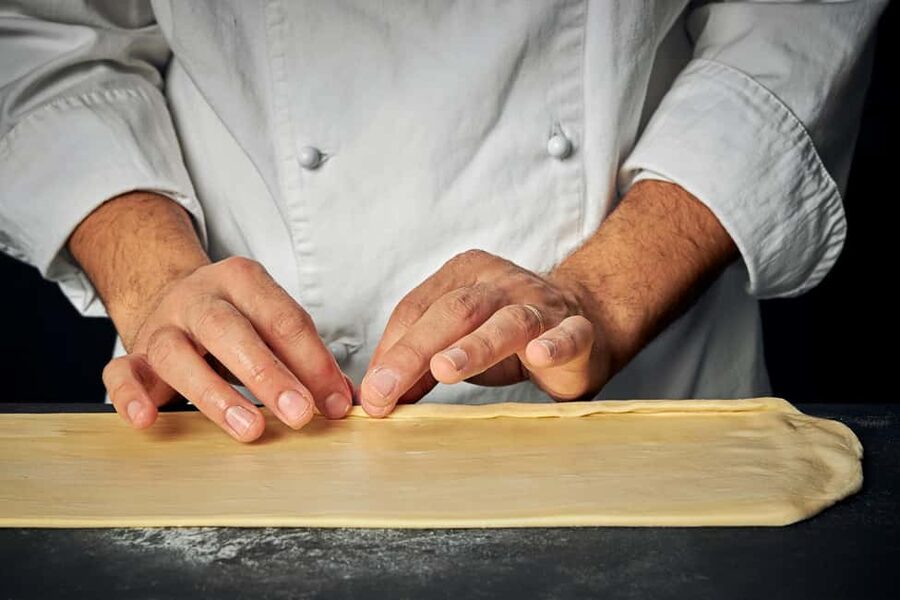
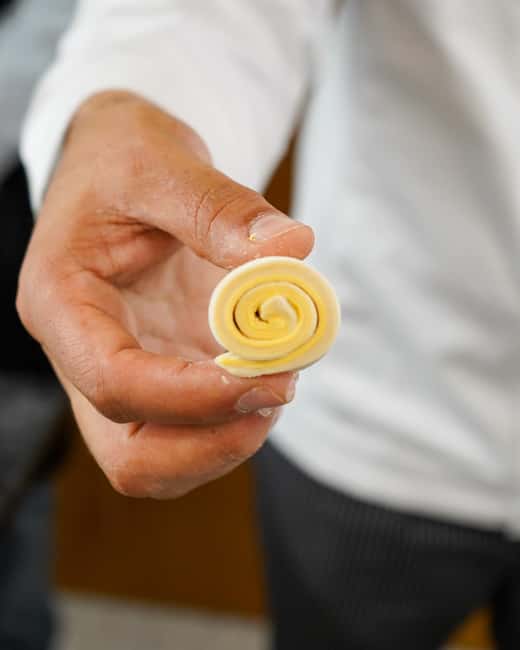
Here is the part that separates this masterclass from the quick “assemble and bake” classes. You learn puff pastry from zero, including the lamination process.
In plain terms, you are learning how to handle dough so it creates those signature flaky layers. That means you practice the steps while the chef or instructor explains what each action is meant to accomplish. People who are new to baking often say the pacing makes it feel doable, even if you have never used a rolling pin for anything serious.
You are also working in a professional kitchen environment, which helps because the space is built for the job. You get guidance on form, handling, and timing so your dough does not turn into something flat and sad.
One practical note: lamination can feel fiddly at first. Expect that. The payoff is that you leave knowing the method well enough to try again at home, not just copy a finished tart you cannot recreate.
Other trips that start in Lisbon and end well:




The Pastel de Nata Technique: Spreading, Filling, and Getting the Layers Right
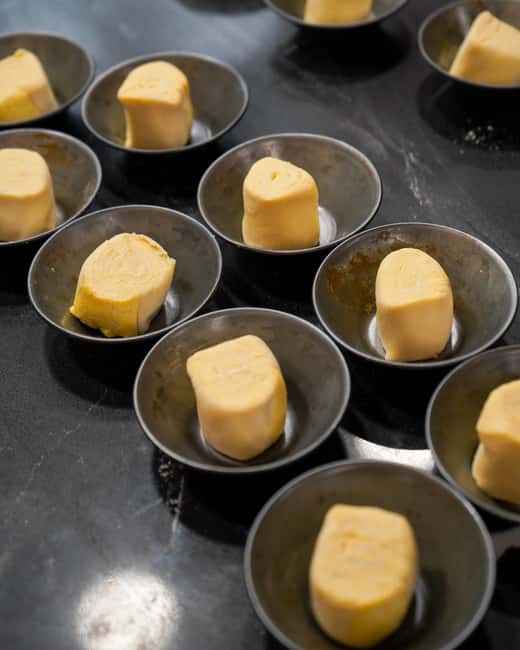
Once your pastry is ready, you move into the classic pastel de nata steps that make or break the tart.
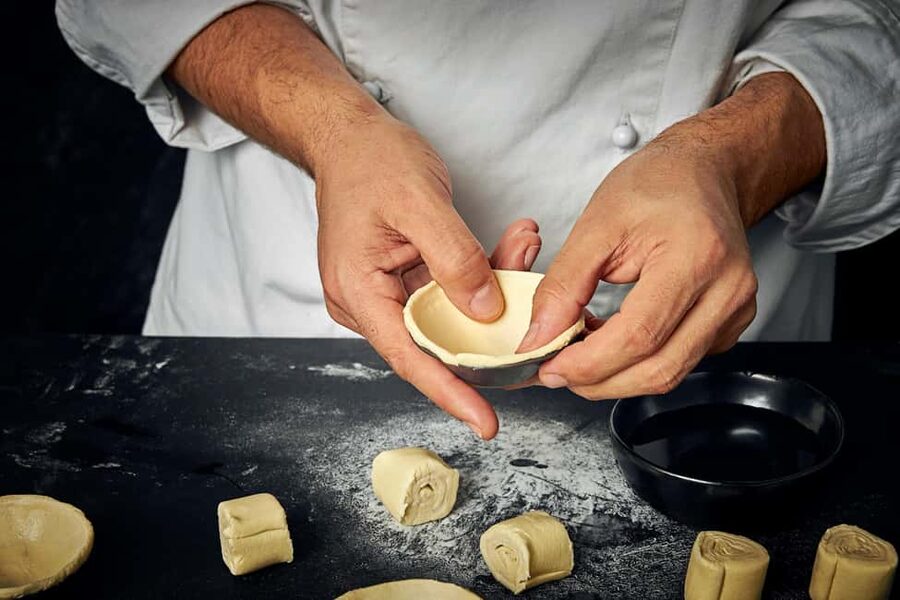
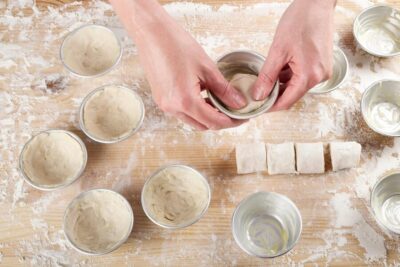
You learn the specific way to spread the dough in the tin, the technique that helps it form the right shape and creates a crisp edge. Then you fill it with custard, using the right approach so the tart bakes with that signature creamy center and properly set texture.
The class is built so everyone makes at least 3 tarts by hand. That hands-on portion is a major win for value. It also means you can compare your results to what you learn from the instructor, then correct in real time for your next tart.
In terms of instruction style, different chefs bring different energy. Some sessions are led by chefs such as Sergio Garcia, known for being engaging and playful while still teaching technique. Others may be hosted by Adriano Cardoso or Silvia Sousa, with a focus on clear step-by-step guidance. The common thread is that you are not left guessing.
If you are a perfectionist, you may notice small differences between your first tart and your later ones. That is normal, and it is actually useful. It gives you feedback you can act on right away.
Baking in a Professional Oven, Then Waiting for the Magic
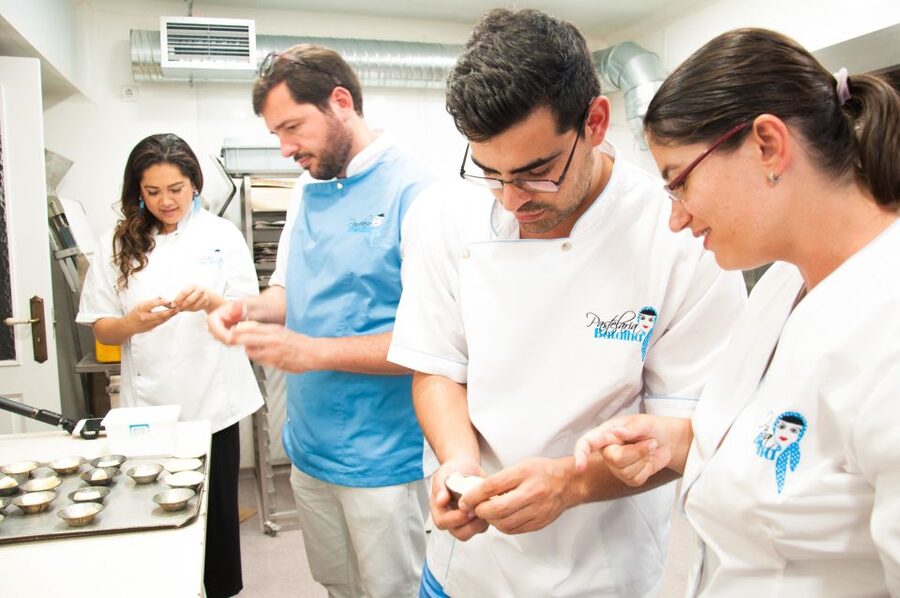
After the pastry and custard work is done, you bake the tarts in a professional oven. This is one of those steps where the setting really matters. A bakery oven is built to pull consistent heat, and pastel de nata needs that reliable bake to develop the right texture.
While the tarts bake and cool slightly, you are not just sitting there. In some sessions, there is a moment to head upstairs for a drink while the pastries finish. People also mention photo opportunities during this stretch, plus visuals and instructions that help you remember what you did.
Waiting can be the hardest part when you want to eat immediately. But warm tarts are best, and you are going to get them at the end.
If you are cooking-curious, this portion is also where you learn why timing matters. Custard setting, crust crispness, and overall texture all depend on a good bake, not just the ingredients.
Tasting the Warm Tarts With Your Choice of Drink
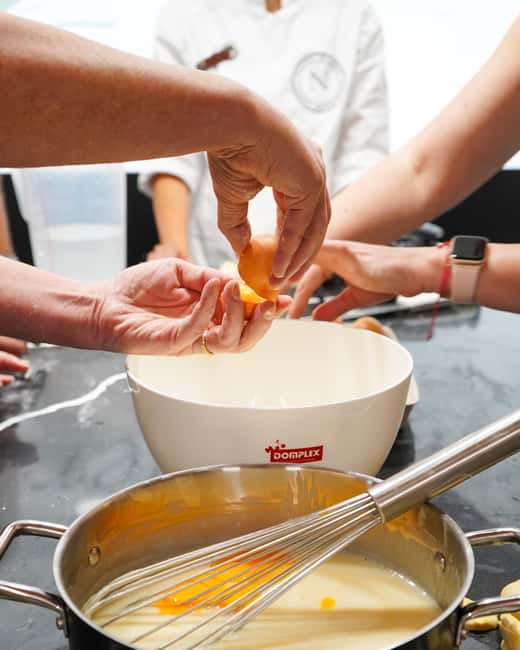
The finish is simple and satisfying. You taste your freshly baked Pastéis de Nata warm, paired with a beverage of your choice.
You can pick either a hot or cold drink, and the class includes the beverage you choose. Alcohol is excluded, so think espresso, tea, or another non-alcohol option you enjoy with dessert.
This tasting moment is more than a reward. It is your quality check. You can compare what you baked with what you know pastel de nata should taste like, then connect that back to the technique you practiced earlier.
People also mention you may receive a certificate of participation and, in some cases, additional written guidance after the class. Even if you forget details, having a takeaway helps you recreate the method later.
Price and Value: Is $82 a Good Deal in Lisbon?
At $82 per person for a 2-hour masterclass, this is not a budget activity. But it can be strong value if you care about real technique, not just eating a pastry.
Here is what you get for the price:
- You bake at least 3 Pastéis de Nata by hand
- You learn puff pastry from scratch, including lamination
- You use professional baking equipment in a real bakery setup
- You get a barista-crafted beverage with your tasting (alcohol excluded)
- You receive a certificate of participation
- You are provided with ingredients, plus aprons and hair nets
- Water is included
When you compare that to cheaper cooking experiences that mostly involve assembly, the “from scratch” pastry training and hands-on output are the main reasons this feels worth it. You leave with a skill, not only a snack.
The other value factor is the group size. Max 12 people means more time to work and ask questions, which you can feel in how quickly you get to practice the steps.
Who This Class Suits Best (And Who Might Want a Different Activity)
This masterclass is ideal if you:
- Want an authentic Lisbon food experience beyond tasting
- Like practical cooking where you take home a method, not a gimmick
- Are comfortable trying something new, even if you have never baked before
- Like small-group activities, especially as a solo traveler
It is especially good for families too, based on past feedback that includes returning participants with kids. The class structure is hands-on and team-based, so kids can often participate without feeling like they are just watching.
The one clear mismatch is accessibility. The workshop is not suitable for people with mobility impairments, likely because of the kitchen setup and how the group moves through the space.
A second consideration is language. Instruction is available in English and Portuguese, but if you are sensitive to missing parts of conversation, pick the language that matches your comfort level. Some people have noted moments where understanding was tricky, even though the teaching was friendly.
Should You Book This Masterclass in Lisbon?
If you want one Lisbon activity that mixes culture, skill, and a delicious result, I think this is a smart pick. The reason is simple: you are learning how Pastel de Nata is made in a way you can repeat later, and you are doing it in a real bakery environment with an instructor leading the steps.
Book it if you want hands-on learning, you like pastry technique, and you do not mind paying extra for that access and group size. Skip it only if accessibility is an issue for you, or if you know you do not enjoy baking with your hands and prefer purely observational food tours.
If you do book, arrive on time and lean into the process. Ask why the chef has you do each step, because that is what turns a tasty tart into a skill you can recreate.
FAQ
How long is the Pastel de Nata masterclass?
The masterclass lasts 2 hours.
What is included in the price?
Included are 3 Pastéis de Nata, a hot or cold barista-crafted beverage of your choice (alcohol excluded), a certificate of participation, ingredients for the class, all baking equipment, aprons and hair nets, and water.
Will I make my own pastries, or just watch?
You will work in the class as a team with a maximum of 12 participants, and everyone makes at least 3 Pastéis de Nata by hand.
Where is the meeting point in Lisbon?
Meet at the pastry store Nat’elier, located outside the Baixa-Chiado metro station on the blue line.
Is the class suitable for people with mobility impairments?
No, it is not suitable for people with mobility impairments.
What languages are offered during the workshop?
The instructor provides the class in English and Portuguese.
Fresh across the seven hills
- Full-day Private Tour: Fátima Sanctuary, Batalha, Nazaré, Óbidos
★ 5.0 · 6 reviews - Porto Private Tour from Lisbon
★ 4.5 · 6 reviews - VIP transfer from the airport to Lisbon hotels
★ 5.0 · 6 reviews - Lisbon Photoshoot: Capture Your Adventure
★ 5.0 · 6 reviews - Lisbon: Romantic Sunset Cruise With Wine & Portuguese Tapas
★ 5.0 · 6 reviews - Arrábida Wine Tour – 3 Wineries, Traditions & Views from Lisbon
★ 4.5 · 6 reviews - Lisbon: Sintra, Pena Palace, Belém Tour + sunset Boat Cruise
★ 5.0 · 6 reviews
Pastéis de Nata Tours, compared.
Pastel de Nata Masterclass at a Real Bakery in Downtown Lisbon
Read our review →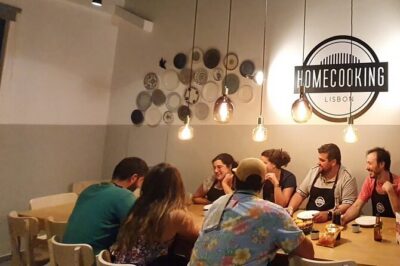
Pastel de Nata Pastry Class: Bake and Enjoy Your Own Treats
Read our review →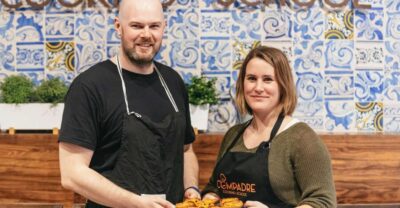


Browse the lists this tour appears in