
Reviewed · PASTéIS DE NATA TOURS
Lisbon: 2-Hour Pastel de Nata Cooking Class
Egg tarts, made in a real Lisbon kitchen, quickly turns into a skill you can use at home. I especially loved the step-by-step coaching from Anna and Marta and the two take-home recipes. The main catch is you stand for about 1h20, so if you have back problems, this one is not for you.
You’ll learn why Pastel de Nata is such a big deal, including its 19th-century monastery origins, then you get to bake the iconic egg tarts yourself. One more thing worth knowing: the second recipe is traditional too, but it can vary by session.
- Hands-on Pastel de Nata baking, not just watching
- Anna and Marta run the class with high energy and clear instructions
- Two recipes, plus take-home instructions for both
- A light shared meal at the end, with tea included
- English instruction in a modern, clean kitchen (some classes have AC)
In This Review
- Why This Pastel de Nata Class Feels Like Lisbon, Not Just Cooking
- What You Actually Make in 2 Hours (Pastel de Nata Plus One More)
- Your Hosts Matter: Anna and Marta’s Teaching Style
- Inside the Baking: Turning Steps Into a Tart You’d Actually Serve
- The End of Class: Tea, a Light Meal, and Sharing What You Made
- Value for Money: Why $64 Can Make Sense in Lisbon
- Who Should Book This Class (And Who Should Skip)
- Practical Tips for Your Lisbon Day
- Should You Book This Lisbon Pastel de Nata Class?
- FAQ
- How long is the Lisbon Pastel de Nata cooking class?
- What does the class cost?
- Where do I meet the group?
- What is included in the price?
- What recipes will I make?
- Is the class vegan-friendly?
- Is this class suitable if I have back problems?
Why This Pastel de Nata Class Feels Like Lisbon, Not Just Cooking
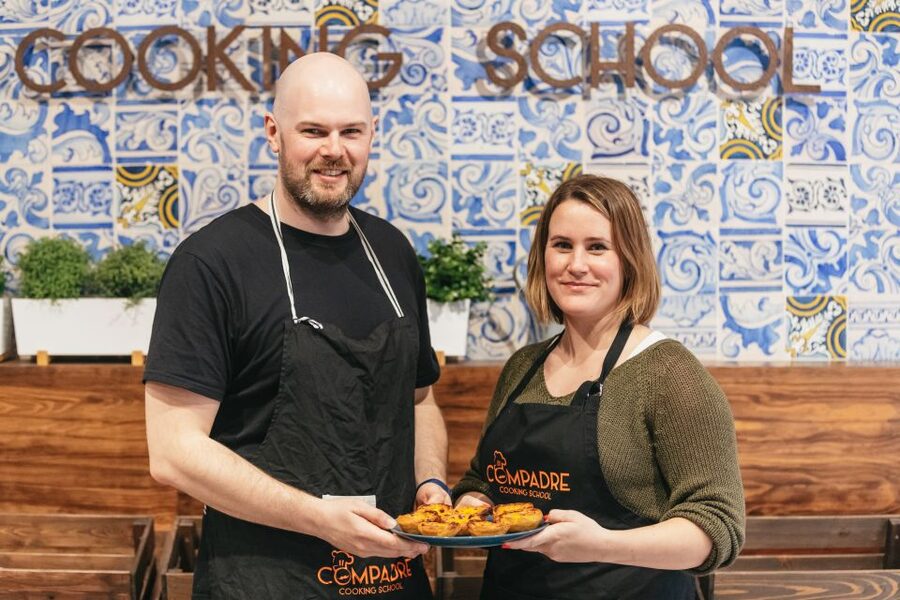
The best part of this class is how quickly it connects food to place. Pastel de Nata is a Portugal icon, tied to older monastery baking and later to the pastry culture you still see everywhere in Lisbon. In two hours, you go from wondering why the top goes bronzed and blistered to making tarts that look right and taste right.
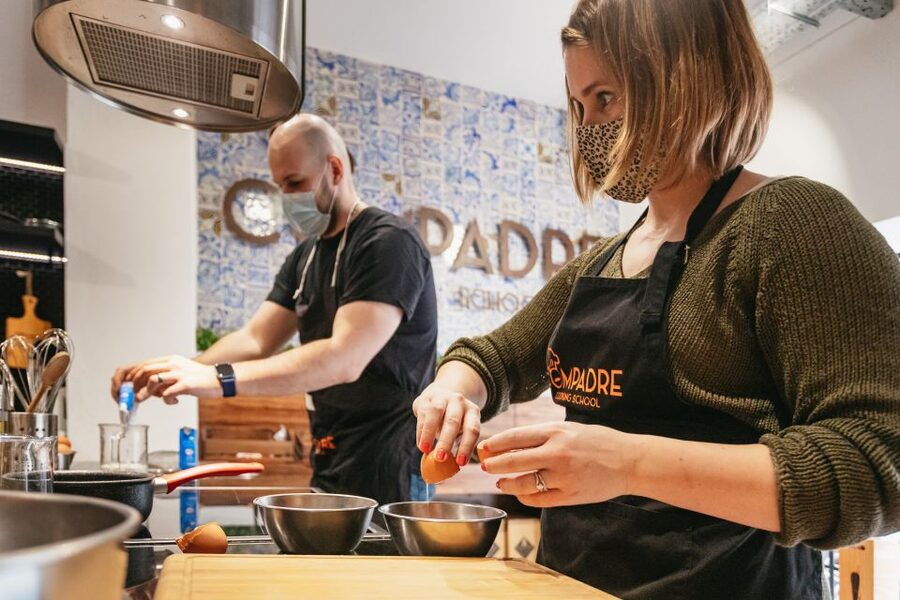
I like that the teaching is direct. You do the work, and the chefs guide you through each move, from rolling and filling to baking timing. You are not stuck in the back of a room, watching someone else handle the heat.
If you come to Lisbon for food, this is a smart add-on. It is also great if you just want a fun, social afternoon with people who enjoy learning. You’ll be standing most of the time, though, so plan accordingly.
More custard tarts, warm from the oven:
- Lisbon: Pastel de Nata Baking Class★ 4.9 · 2,106 reviews
- Pastel de Nata Masterclass at a Real Bakery in Downtown Lisbon★ 5.0 · 491 reviews
- Pastel de Nata Pastry Class: Bake and Enjoy Your Own Treats★ 5.0 · 485 reviews
- Pasteis de Nata Baking Class from Lisbon★ 5.0 · 248 reviews
What You Actually Make in 2 Hours (Pastel de Nata Plus One More)
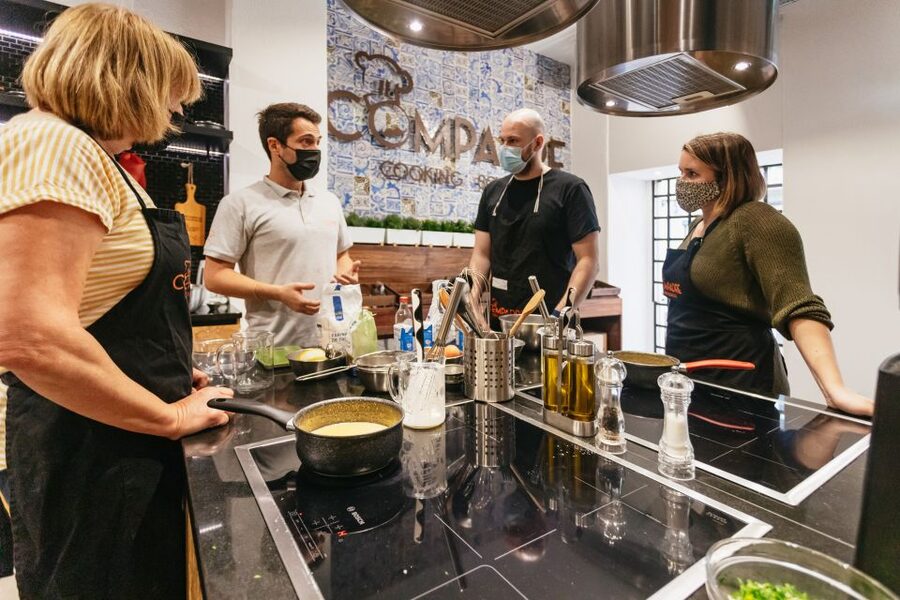
You focus on Pastel de Nata, Portugal’s famous egg tart. You’ll make your own version in the kitchen, then you get to taste what you produced at the end. The class also includes another traditional Portuguese recipe, and this part is where variety shows up.
From the experiences I have read, the second recipe has included:
- a meringue or custard-style dessert such as farófios
- cod fritters, often described as bacalhau cakes
So if you are picking this class because you want a specific second dish, you might want to ask what the day’s recipe is when you book. That said, both cod-based snacks and meringue-custard desserts are very Portuguese food cultures in two different directions, so you still end up with a solid variety for your home baking attempts.
Also, one honest detail to know: at least some sessions use pre-made dough and keep parts of the filling simple. That does not reduce the value. It just means the learning is about technique and assembly, not about spending hours making pastry from scratch.
Your Hosts Matter: Anna and Marta’s Teaching Style
The instructors are a big reason the class earns such strong marks. Names that pop up again and again are Anna and Marta, and the pattern is the same: clear steps, quick problem solving, and a warm, not-too-formal vibe.
I like classes where you feel safe messing up. This one keeps the pace moving while still walking you through what you need to do next. If you mess up a pour or overfill a cup, someone is there to help you correct it before you waste your batch.
There is also storytelling built into the flow. You learn background on why Pastel de Nata became the pastry everyone talks about, including its older roots in monastery baking and how it grew into a national symbol. That context gives you a reason to care about details like thickness, filling consistency, and bake time.
Inside the Baking: Turning Steps Into a Tart You’d Actually Serve
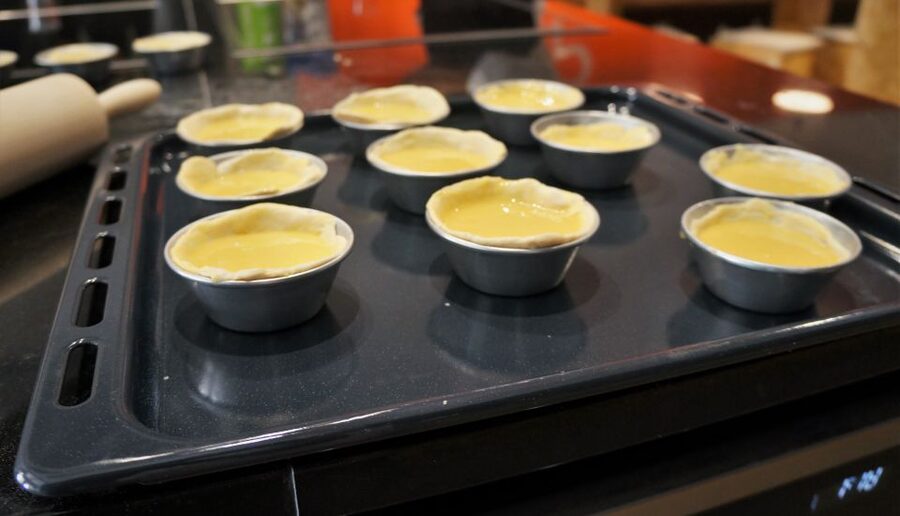
Pastel de Nata is deceptively simple. The ingredients list is not complicated, but the tart is picky. The texture comes from how the dough is handled and how the custard behaves in the oven. This is why I think this class is worth it even if you have baked before.
Here is what the hands-on structure likely looks like, and why it matters:
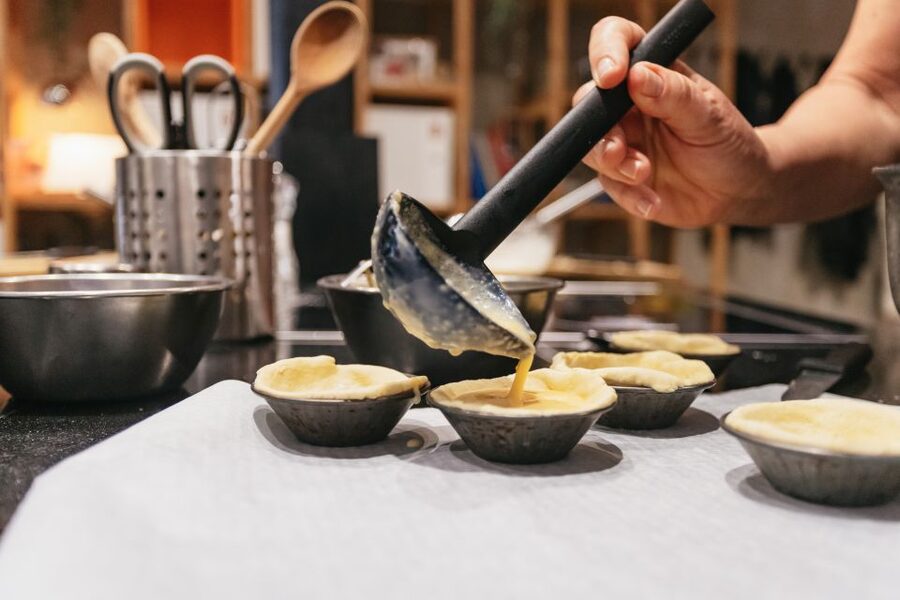
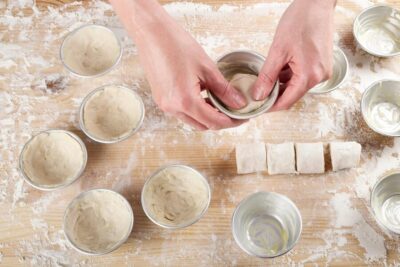
- You start with the pastry dough and learn how to shape it into the tart tin so the edges set correctly.
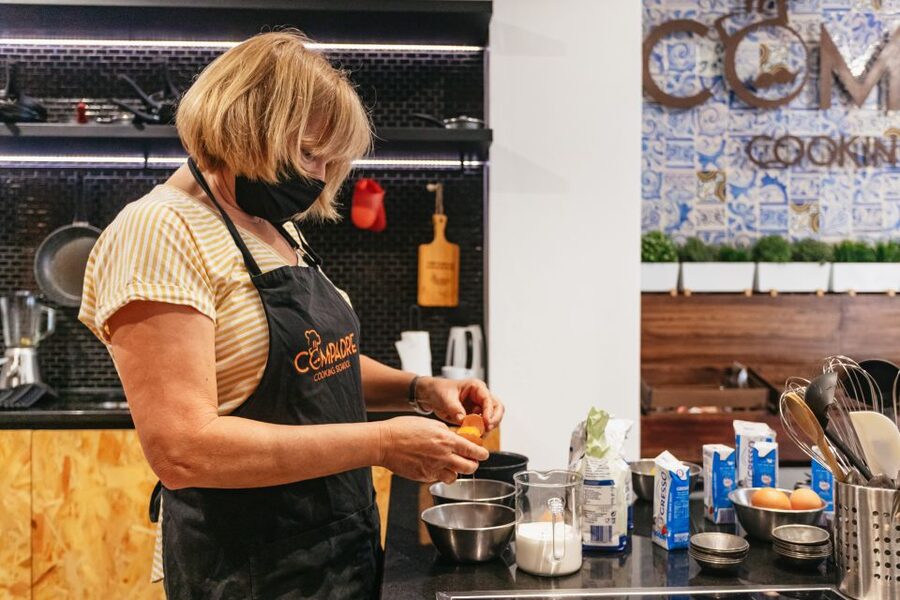
- You then work on filling. The custard is guided, and you get coaching so it bakes with the right set.
- You finish with baking, where timing and oven behavior make the difference between pale and properly blistered.
The chefs focus on repeatable technique. That is how you take the skill home. One of the strongest features here is that you do not just learn a recipe, you learn the little moves that stop the common problems, like watery custard or uneven tart edges.
And yes, you also learn that the tart you eat in shops is not magical. With the right method, you can get very close.
The End of Class: Tea, a Light Meal, and Sharing What You Made
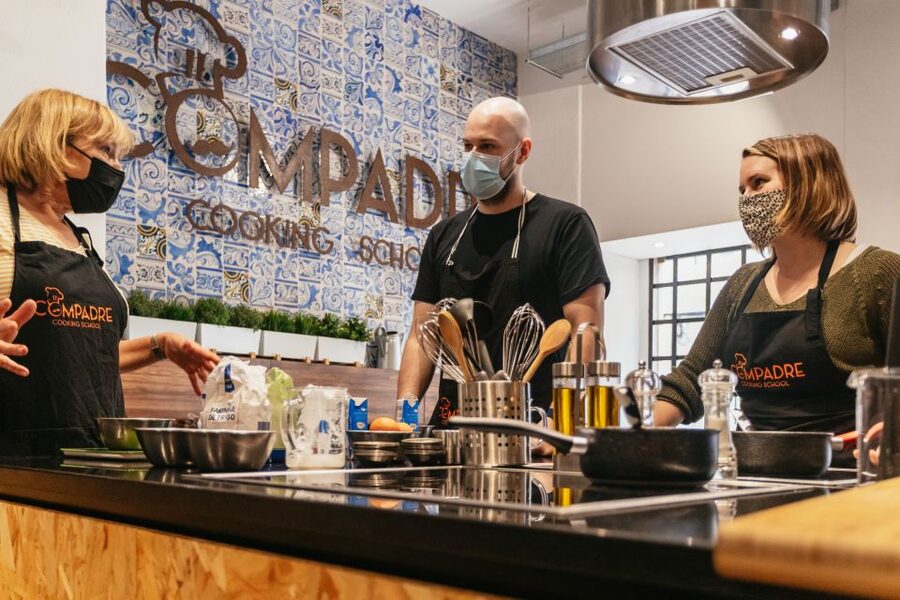
After baking, you sit together and enjoy what you cooked. Tea is listed as included, and you’ll have a light meal to share after your time in the kitchen.
One practical note: the class includes tea, and coffee is mentioned in the activity description. But a small number of people have said the tea and coffee details did not match expectations on arrival. If coffee is part of your routine, it is smart to ask what is actually being served that day.
Still, the shared tasting part is genuinely part of the value. It turns the experience from a solo workshop into a small social ritual. You get to compare results, laugh at the inevitable tiny imperfect tarts, and swap quick tips on what worked best.
Some other seven-hills days worth pricing up



Value for Money: Why $64 Can Make Sense in Lisbon
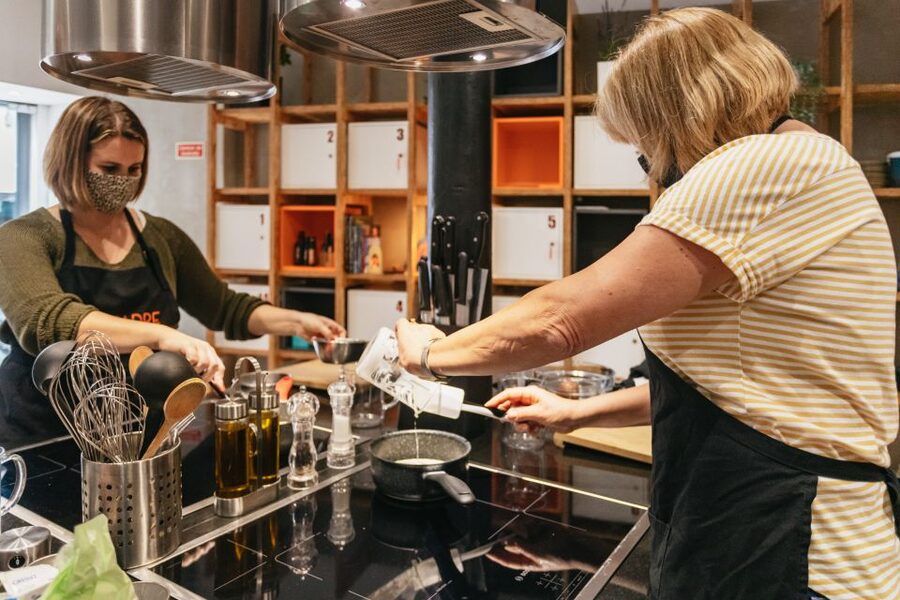
At $64 per person for a 2-hour, hands-on class with ingredients, equipment, and instructor time, you are paying for more than dessert. You are paying for:
- a trained person guiding your hands
- a full kitchen setup and all ingredients
- two different Portuguese recipes
- take-home instructions
- insurance coverage (listed as included)
- tea and a light meal after cooking
If you only buy Pastel de Nata in a shop, you get taste, not technique. Here you get the ability to reproduce a Lisbon classic later, plus a second Portuguese recipe that expands your dessert toolkit.
Another reason I think the price works is that the class keeps you busy. You do not spend most of the two hours waiting for something to cool or watching someone else prep. You are actively building your tarts and working through steps with help close by.
Who Should Book This Class (And Who Should Skip)
This is best for you if:
- you want a hands-on food experience rather than a tasting-only activity
- you like learning baking technique in a short time
- you enjoy being in a kitchen with a group and chatting while you work
- you want recipes to take home, not just a one-time snack
It may be less ideal if:
- you have back problems, since you stand for about 1h20 and that is not recommended
- you need a vegan-friendly option, because Portuguese cuisine is not very vegan friendly and you are asked to contact the supplier beforehand if you are vegan
- you prefer fully customizable dietary substitutions, since the class is structured around the recipes provided
Also bring comfortable shoes. You’ll be on your feet for a while, and kitchen floors and movements are not designed for stiff shoes.
Practical Tips for Your Lisbon Day
A few small things make the class smoother:
- Wear comfortable shoes with good grip. You will stand for most of the session.
- Arrive at the meeting point with time to settle in. The meeting place is in the kitchen of the local partner’s address in Lisbon, so double-check you are using Lisbon as the city in the address details.
- Plan to stay flexible on the second recipe. It is traditional, but the exact dessert can differ by class.
- If you care about tea and coffee, ask what is served at your session, since listed items and actual service have not always matched perfectly for everyone.
- When you get the chance, introduce yourself early. Friendly group interaction is part of what makes the afternoon fun, especially if you are traveling solo.
If you want to pair this with the rest of Lisbon, it helps to think of it like this: the city is about neighborhoods, viewpoints, and food. This class is the food anchor. It gives you something to do that also makes your future pastry visits make more sense.
Should You Book This Lisbon Pastel de Nata Class?
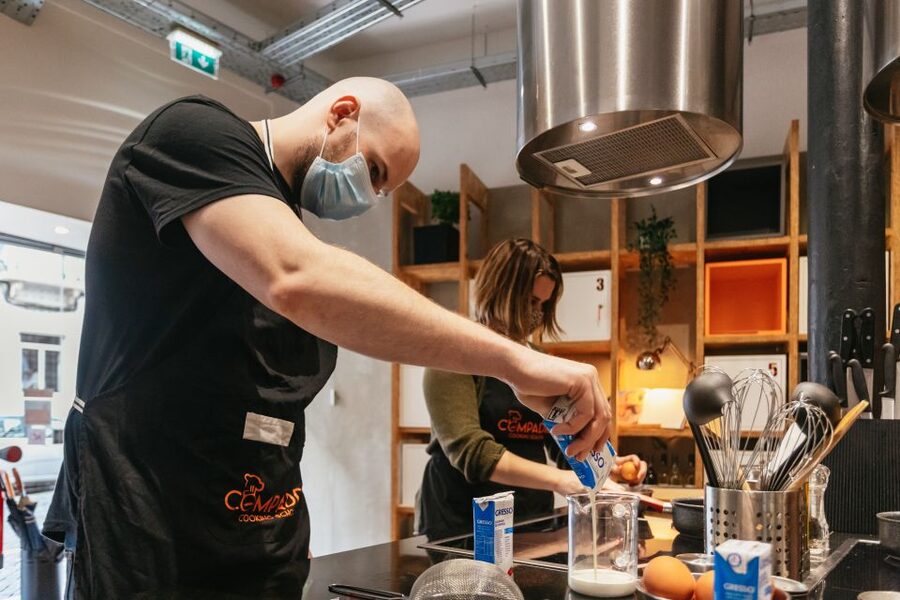
If your goal is a fun, skill-building afternoon with Pastel de Nata plus another Portuguese treat, I think this class is a strong yes. The coaching from Anna and Marta, the hands-on approach, and the fact that you take home recipes for two Portuguese treats makes the price feel justified.
I would skip it if standing is a problem for you, or if you are vegan and need a fully aligned plant-based menu. For everyone else, it is a practical way to learn Lisbon pastry culture, not just eat it.
If you want, tell me your travel dates and whether you want the second recipe to be dessert-only or you are okay with fish elements. I can help you decide if this class fits your priorities.
FAQ
How long is the Lisbon Pastel de Nata cooking class?
It lasts 2 hours.
What does the class cost?
The price is $64 per person.
Where do I meet the group?
You meet in the kitchen of the local partner’s meeting location in Lisbon.
What is included in the price?
Included are cooking equipment, utensils, and ingredients, an instructor (English), insurance, two different recipes, and tea.
What recipes will I make?
You’ll make Pastel de Nata and another traditional Portuguese recipe. The second recipe can include options like farófios (meringue and custard) or cod fritters such as bacalhau cakes.
Is the class vegan-friendly?
Portuguese cuisine is not very vegan friendly. If you are vegan, you should contact the local supplier beforehand.
Is this class suitable if I have back problems?
No. The class involves standing for about 1h20, and it is not recommended for people with back problems.
Portuguese Kitchens to Cook In
- Portuguese Cooking Class in Lisbon
★ 5.0 · 141 reviews - Portuguese Cooking Experience in Lisbon
★ 4.5 · 140 reviews - Hands on Portuguese Cooking Class in Lisbon
★ 5.0 · 136 reviews - Lisbon: Pasteis de Nata Baking Class
★ 5.0 · 134 reviews
Fresh across the seven hills
- Private Tour from Porto to Lisbon with Stops
★ 5.0 · 6 reviews - Lisbon: Private Highlights Tuk-Tuk Tour with Tapas and Wine
★ 5.0 · 6 reviews - Lisbon: The Ultimate Food Tour with a Local
★ 3.7 · 6 reviews - Treasures of Lisboa : Alfama Food Tour with 18 Tastings
★ 5.0 · 6 reviews - Lisbon: Portuguese Petiscos Cooking Class
★ 4.7 · 6 reviews - Seixal Sailing Cruise – Lunch in a typical restaurant
★ 5.0 · 6 reviews - Nature, Wines and Ceramic Tiles: Private Tour
★ 4.0 · 6 reviews
Pastéis de Nata Tours, compared.
Pastel de Nata Masterclass at a Real Bakery in Downtown Lisbon
Read our review →
Pastel de Nata Pastry Class: Bake and Enjoy Your Own Treats
Read our review →

Browse the lists this tour appears in