
Reviewed · COOKING CLASSES
Lisbon: Traditional Portuguese Cooking Class
Cooking Portugal starts with your own hands. In this 3-hour small-group class in Lisbon District, you make a full traditional 4-course meal while sipping Portuguese wines and beer, and I really like the step-by-step pace plus the chefs who stay close to help. One consideration: it is not suitable for people with mobility impairments, and the exact meat cuts (like pork ribs) can be hit or miss for texture.
You meet at Homecooking Lisbon HUB, and it is easy to reach by bus, with at least one common route dropping right by the front door. Come hungry, because the food portion is generous. And yes, it is English-led, so you can focus on learning techniques without translating.
In This Review
- Key things I’d watch for
- A home kitchen in Lisbon, not a tourist factory
- What you cook, and why the menu choice matters
- The first hour vibe, snacks, and drinks before you start
- Step-by-step cooking, with chefs like Pedro and Miguel in the room
- From spices to plating, what you actually learn
- Food, drinks, and the feel of a shared feast
- Getting there without stress, and how logistics affect your mood
- Value for $100, where the money actually goes
- Who this suits best, and who should reconsider
- The vibe: small group, inclusive teaching, and a reason it scores 4.9+
- Should you book this Lisbon Traditional Portuguese Cooking Class?
Key things I’d watch for
- Small group, limited to 10 means you get hands-on support instead of standing on the sidelines.
- A true 4-course build so you cook, plate, and then eat what you made.
- Drinks included from the start with wine, beer, homemade juice, coffee, and water, plus plenty of snack time.
- Seasonal Portuguese dishes taught with cultural context, including traditional techniques and spices.
- Chefs who explain like teachers, with guides such as Pedro, Miguel, Theresa, Tereza, Beatrice, Beatriz, and Miyuki showing up in recent sessions.
- Family-friendly in practice for older kids since the experience is not suitable under age 6, but has worked well for kids around 8 and up in some groups.
Some other seven-hills days worth pricing up
- Lisbon: Pastel de Nata Baking Class★ 4.9 · 2,106 reviews
- Pastel de Nata Pastry Class: Bake and Enjoy Your Own Treats★ 5.0 · 485 reviews
- Lisbon: 2-Hour Pastel de Nata Cooking Class★ 4.8 · 461 reviews
- Lisbon Portuguese Cooking Class with 3-Course Dinner★ 5.0 · 445 reviews
A home kitchen in Lisbon, not a tourist factory
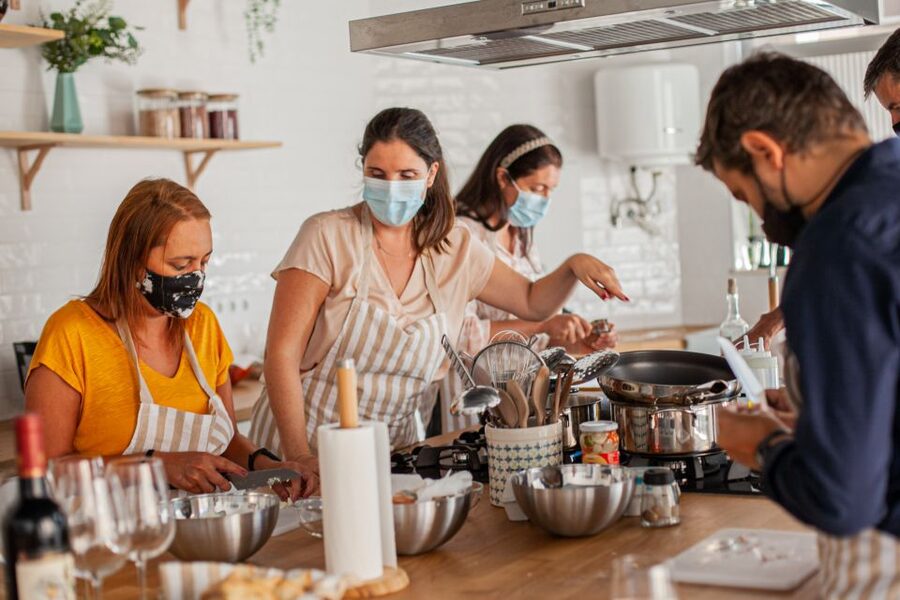
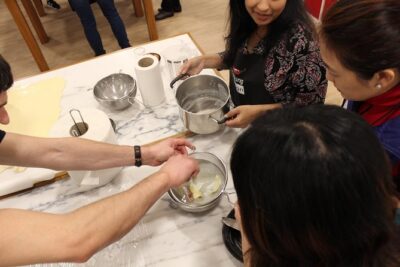
This class is built around a cozy kitchen setting. That matters more than you might think. When the space is small, you can actually see what is happening at the counter, and you are not just sampling a bite here and there.
The format also feels social in a good way. It is not a huge group event. It is a limited group, capped at 10, so you get time with the chef and time to talk with your cooking partner. Several sessions have been described as clean, well-run, and friendly, which lines up with the idea of a true workshop, not chaos with aprons.
The meeting point is Homecooking Lisbon HUB. One helpful detail from recent experiences: if you come from central Lisbon, a bus can drop you right at the front door. That is the kind of convenience that saves you stress before you even start cooking.
What you cook, and why the menu choice matters
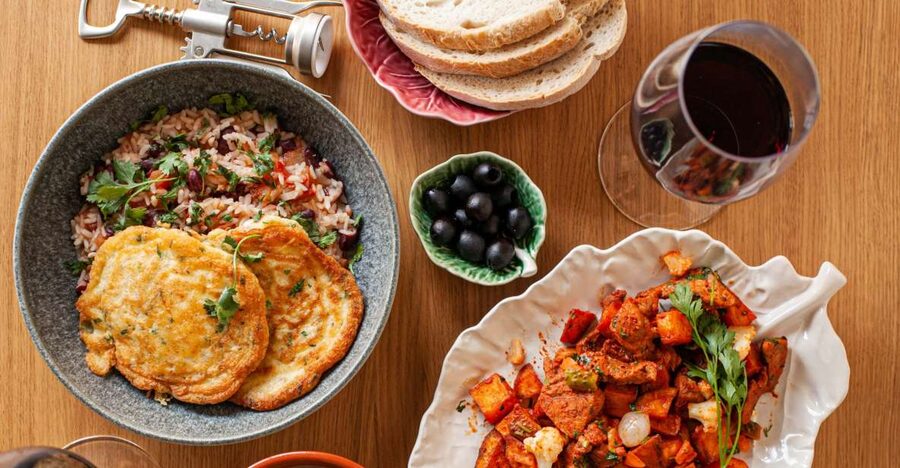
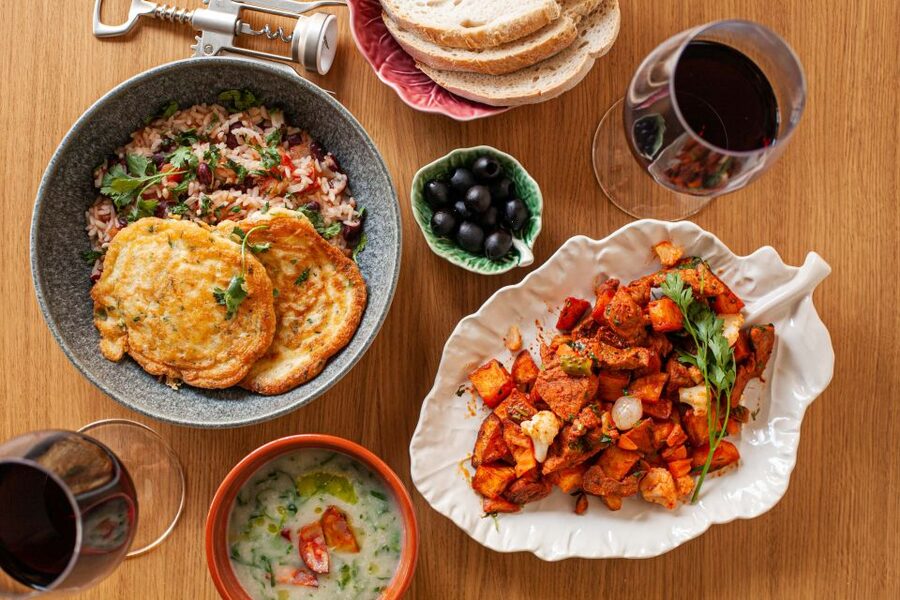
The class centers on a traditional Portuguese 4-course meal. The theme is seasonal dishes, so the exact menu can change, but the goal stays the same: learn the approach behind Portuguese home cooking, not just follow a recipe for one night.
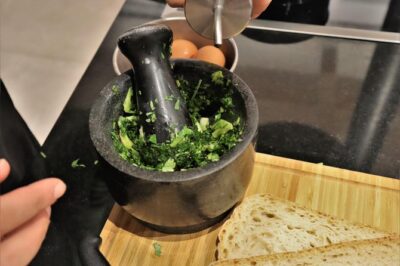
In real terms, that means you are getting multiple types of cooking in one session. You are not stuck doing only chopping, and you are not only watching from a distance. You likely touch different steps like seasoning with Portuguese spices, working with meat or sausage preparations, and creating a dessert finish.
If you are a fan of Lisbon baking, you may recognize classic dessert ideas from Portuguese cuisine. Some sessions have included pastry-style items like pastel de nata, and other sweet finishes like tarts. On the savory side, pork ribs show up in at least one menu experience, and chorizo-based preparations also appear in the mix. The practical takeaway: you will eat a variety, and you should expect the chef to explain how and why each dish is built that way.
The first hour vibe, snacks, and drinks before you start
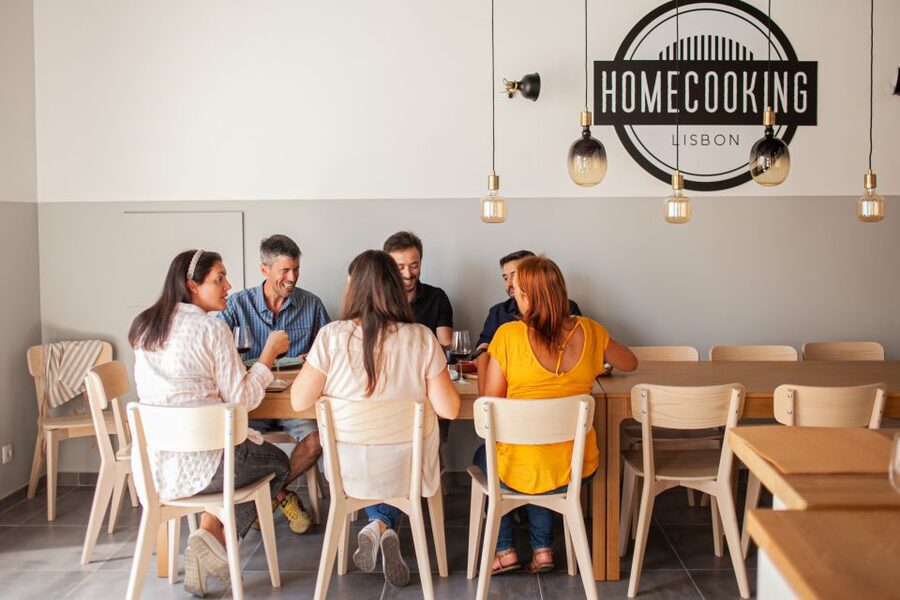
You start in the kitchen, and the tone is relaxed. Before the main cooking begins, you get appetizers and finger food while Portuguese wines and beer are served. Drinks also include homemade juice, coffee, and water.
This is not just a party perk. It changes how you learn. When you are fueled early, it is easier to stay focused through the prep and cooking steps. And since the chef is teaching throughout, it helps to have energy, not just curiosity.
A practical note: plan your timing. Multiple experiences emphasize that you should come hungry, because the class builds up to a lot of food. If you arrive after a heavy lunch, you may feel stuffed before the last course.
Step-by-step cooking, with chefs like Pedro and Miguel in the room

This is the heart of the value. You cook your way through the meal with an instructor giving clear directions. The hands-on nature is why so many people rate it extremely highly, because you are not just tasting. You are learning technique.
What I like most about the teaching style is the combination of guidance and attention. In past sessions, chefs like Pedro and Miguel have been described as attentive and helpful, and instructors like Theresa and Tereza have been praised for explaining each step carefully. The consistent thread is patience. Even if you do not cook much at home, the class is set up to keep you moving forward.
You also get cultural context while you cook. The chef talks about cultural cooking and traditional techniques, plus how seasonal ingredients affect what is on the table. That background matters because it turns recipes into understanding. Instead of a list of steps, you learn the logic behind flavor choices and cooking decisions.
Other Portuguese kitchens to cook in:



From spices to plating, what you actually learn
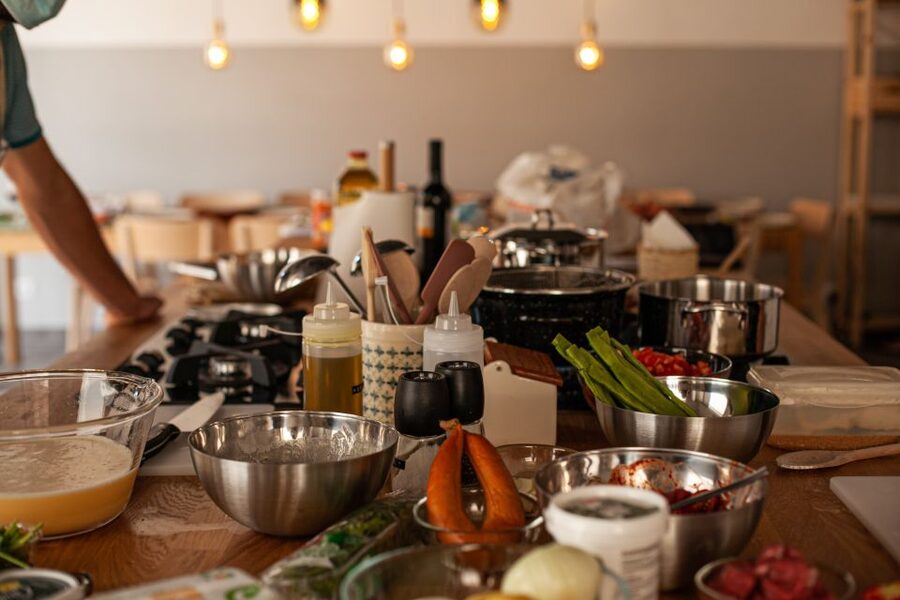
Even without a written curriculum provided here, the structure makes the learning practical. You start with early courses, then progress into the main dishes, and end with dessert. Between those moments, the chef typically covers the key points you can repeat later.
Here are examples of the kinds of learning moments that show up in Portuguese-focused cooking sessions like this:
- Spice and seasoning approach, with explanations of how Portuguese flavors are built.
- Technique coaching, like how to handle meat preparations and how to season before cooking rather than after.
- Pairing and menu flow, so your tasting experience makes sense course by course.
- Finishing choices, especially for desserts and pastry-like items, so you get the right texture and balance.
Some chefs also share recipes or at least detailed take-home suggestions. That is a big deal if you want to cook later and not just remember the taste. One experience noted recipe sharing and helpful ideas for using ingredients in other ways, which is exactly how cooking classes should translate into home results.
Food, drinks, and the feel of a shared feast
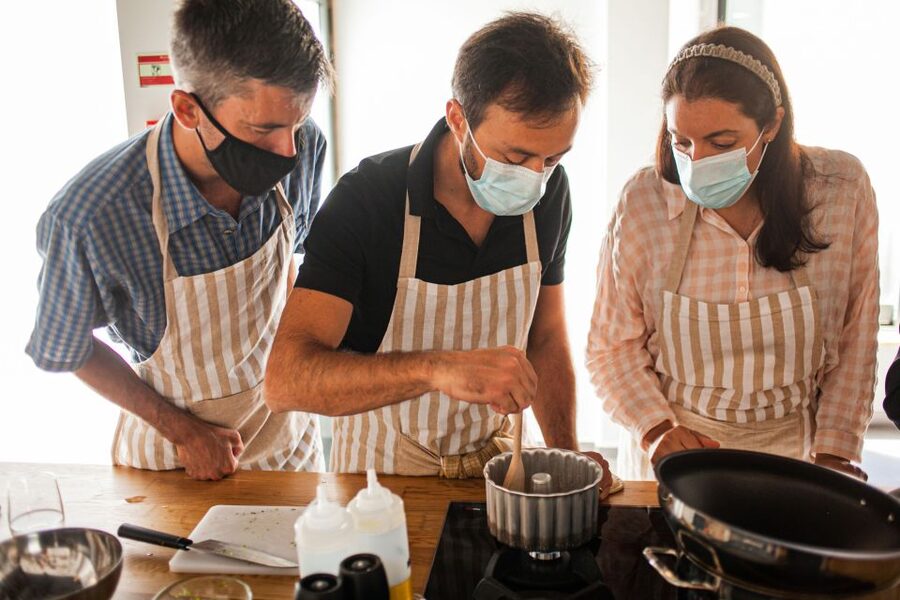
A good cooking class ends with eating. This one does that well. After cooking, you share the meal you prepared. And with drinks included from the start, the table conversation tends to stay upbeat.
A detail worth calling out: the drinks are not an afterthought. In one described session, wine glasses were kept topped up throughout, which makes the whole event feel like you are invited to a real Portuguese meal, not paying for a brief snack.
You also get finger food and snacks during the process. That helps if a course runs longer for your station partner or if you are waiting for something to finish. It keeps the experience comfortable, even if you are new to cooking.
One practical drawback to consider: some menu components may not be everyone’s favorite cut. For example, pork ribs have been mentioned by at least one guest as tougher than expected. If you are picky about texture, ask ahead or be prepared to adjust what you focus on during tasting.
Getting there without stress, and how logistics affect your mood
Logistics are not glamorous, but they affect whether the evening feels smooth. Here are the practical points that make a difference:
- You do not need hotel pickup or drop-off. That can be freeing if you prefer to start and finish on your own timing.
- You do need to show up at Homecooking Lisbon HUB.
- From central Lisbon, a bus can drop you right by the front door.
For many visitors, that last detail is the difference between a pleasant evening and an anxious hunt for the right building. Plan to arrive a little early, because once you are in the kitchen, you want your energy and focus.
Value for $100, where the money actually goes
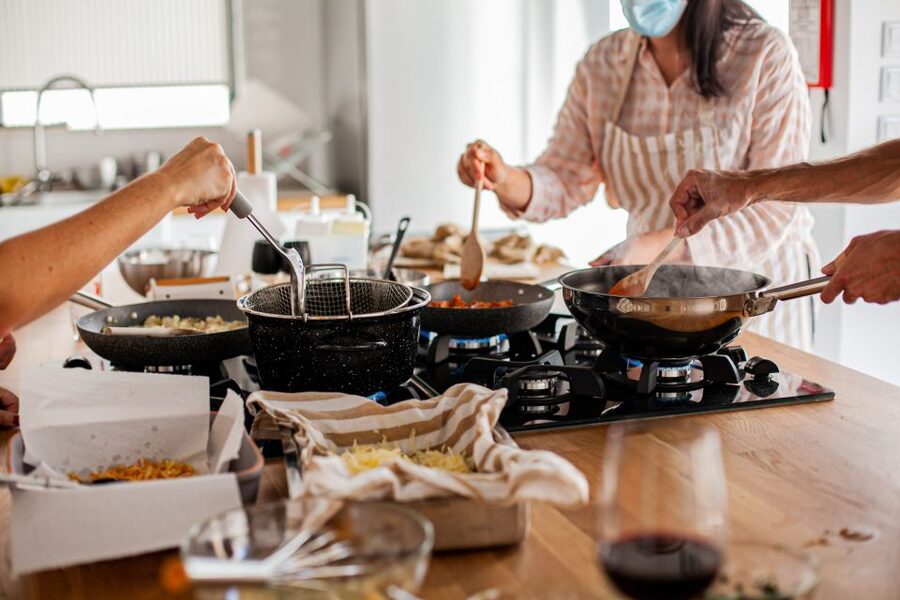
At $100 per person for a 3-hour experience, the question is not just whether it is expensive. It is whether you get enough real food, real instruction, and real included extras to justify it.
From the info here, you are getting:
- Ingredients and gear for a full 4-course meal
- Chef guidance throughout
- Finger food, snacks, and multiple drinks
- Insurance included
When cooking classes are good value, it is because the cost replaces what you would otherwise pay for ingredients, time, and expert coaching. You are also getting a meal you do not have to plan or shop for, plus a social, guided evening that feels like a hosted dinner.
If you care about food and want something more memorable than another tasting bar visit, this is one of the more efficient ways to do it. You are not only eating Portuguese cuisine, you are learning how to reproduce part of it later.
Who this suits best, and who should reconsider
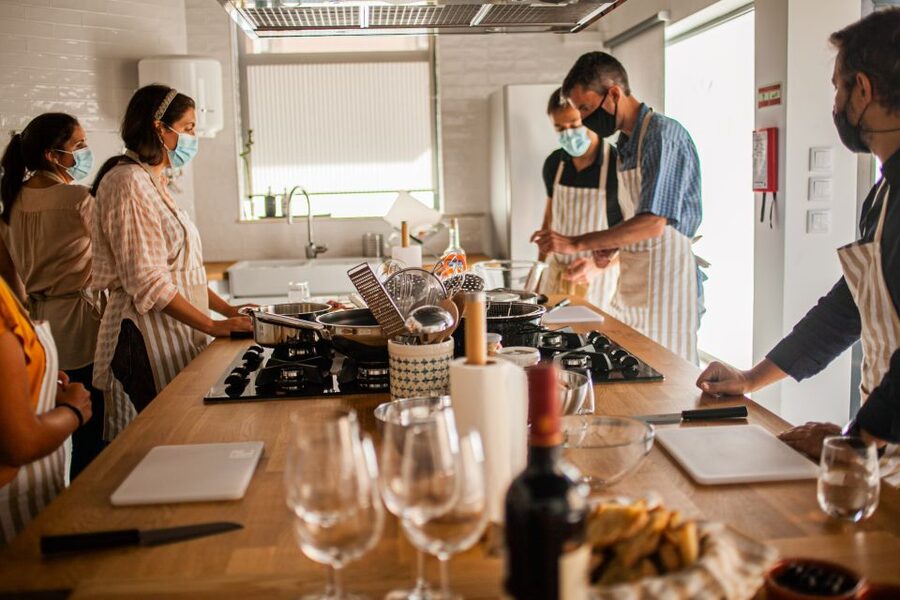
This class is a solid fit if you want hands-on learning, good conversation, and a full meal. It works especially well for:
- Food lovers who want a structured introduction to Portuguese home cooking
- Couples and small groups who like shared experiences
- People who enjoy wine and beer with dinner, because drinks are part of the flow
- Visitors who want practical techniques, not just facts about cuisine
It is not suitable for children under 6 and it is not suitable for people with mobility impairments. If accessibility is a concern for you, you should plan alternatives that match your needs.
For families, the class has been described as working well with kids like an 8-year-old and 10-year-old in one group, and another session included an 11-year-old. Just remember that the official age rule still applies, and the kitchen setting may not match every child’s pace.
The vibe: small group, inclusive teaching, and a reason it scores 4.9+
One of the strongest signals here is how consistent the praise is around the human side. People describe instructors as friendly, patient, and attentive, and they highlight that everyone feels included in the kitchen.
That inclusion piece matters. A cooking class can be either empowering or frustrating depending on how teaching is handled. When the chef keeps checking in and helps you correct technique early, you end up with a better meal and a better experience.
Several instructor names come up repeatedly in recent sessions, including:
- Pedro
- Miguel
- Theresa
- Tereza
- Beatrice
- Beatriz
- Miyuki
Different people, same pattern. You get clear directions, step-by-step support, and a kitchen environment that feels welcoming, even if you cook rarely.
Should you book this Lisbon Traditional Portuguese Cooking Class?
I think it is an easy yes if you want a hands-on Portuguese dinner with drinks included, clear instruction, and a small-group feel. If you are the type who learns best by doing, this format is exactly what you want. You will leave with fuller stomachs and more confidence in how Portuguese flavors come together.
I would also book it if you are short on time and want maximum value in one evening. Three hours sounds tight, but it is long enough to cook a multi-course meal, eat what you made, and still enjoy conversation.
One last booking tip: keep flexibility in mind since free cancellation up to 24 hours in advance and reserve now, pay later options are offered. If your schedule changes, you can adjust without panic.
If you want, tell me when you are going to Lisbon and whether you are a beginner or confident cook. I can help you pick a good time of day and plan what to eat beforehand so you enjoy every course.
Fresh across the seven hills
- Private Tour from Porto to Lisbon with Stops
★ 5.0 · 6 reviews - Lisbon: Private Highlights Tuk-Tuk Tour with Tapas and Wine
★ 5.0 · 6 reviews - Lisbon: The Ultimate Food Tour with a Local
★ 3.7 · 6 reviews - Treasures of Lisboa : Alfama Food Tour with 18 Tastings
★ 5.0 · 6 reviews - Lisbon: Portuguese Petiscos Cooking Class
★ 4.7 · 6 reviews - Seixal Sailing Cruise – Lunch in a typical restaurant
★ 5.0 · 6 reviews - Nature, Wines and Ceramic Tiles: Private Tour
★ 4.0 · 6 reviews
Cooking Classes, compared.
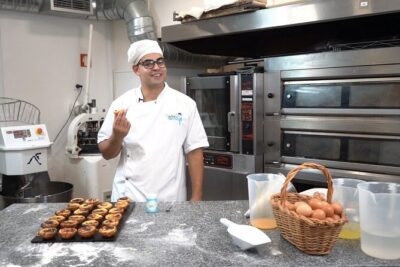
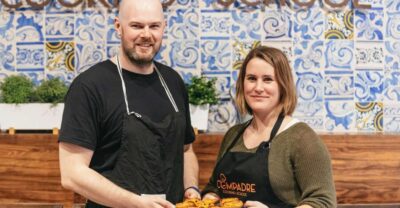
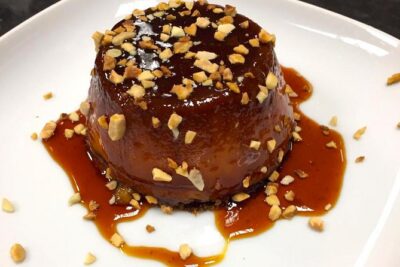
Lisbon Portuguese Cooking Class with 3-Course Dinner
Read our review →
Traditional Portuguese Cooking Class in Lisbon
Read our review →

Browse the lists this tour appears in