

Reviewed · COOKING CLASSES
Traditional Portuguese Cooking Class in Lisbon
Codfish, clams, and custard in one class. This hands-on Lisbon cooking experience pairs a small group with an instructor-led 4-course meal, plus Portuguese wine and beer as you cook and eat.
I especially like the step-by-step setup. You are not stuck watching, you are cutting, mixing, and assembling while finger foods and drinks keep the energy up. I also love that Pastel de Nata is baked in class using puff pastry that is pre-prepared, so you can focus on the custard and technique.
One thing to keep in mind: the meal is cooked family style, so you get specific tasks across the courses. You might not personally cook every dish start to finish.
In This Review
- Key things that make this class worth your time
- A 3-hour class that turns Lisbon food into hands-on learning
- Price and value: where your $102.84 goes
- How timing and meeting details affect your day
- Inside the kitchen: what the small-group setup feels like
- Course by course: the Portuguese menu you’ll help create
- Starter energy: getting Portuguese comfort on the table
- Main course workload: cod, pork, and bold Lisbon flavor
- Dessert payoff: Pastel de Nata plus two more sweet options
- Drinks, snacks, and the family-style dinner moment
- Seasonal menus: how the class keeps Portugal fresh
- What to look for in the instruction style
- Is this cooking class for you?
- Should you book Traditional Portuguese Cooking in Lisbon?
- FAQ
- What is the duration of the cooking class?
- How many people are in the group?
- Is the class offered in English?
- What dishes are included?
- Are drinks included, and is alcohol served to everyone?
- Where do I meet for the class?
- Can I get a refund if my plans change?
Key things that make this class worth your time
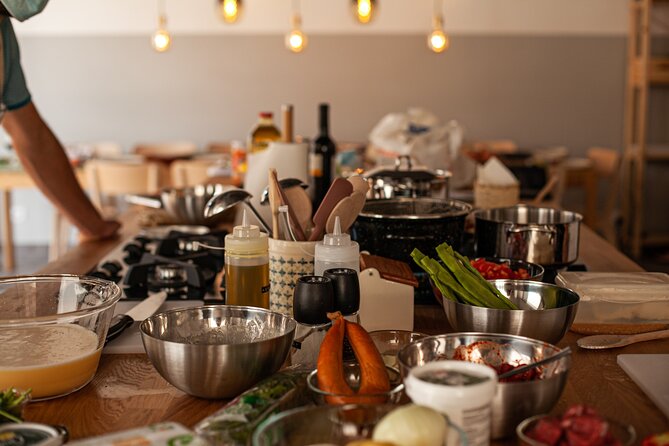
- Up to 10 people means more time for questions and corrections
- Portuguese wines and beers included during the experience, with water and juices
- Seasonal menu changes keep the ingredients fresh throughout the year
- Pastel de Nata baking uses pre-prepared puff pastry to make it realistic
- Family-style shared meal helps solo travelers and groups mix without awkwardness
- English offered and geared for beginners, not just expert cooks
Some other seven-hills days worth pricing up
- Lisbon: Pastel de Nata Baking Class★ 4.9 · 2,106 reviews
- Lisbon: Traditional Portuguese Cooking Class★ 4.9 · 592 reviews
- Pastel de Nata Pastry Class: Bake and Enjoy Your Own Treats★ 5.0 · 485 reviews
- Lisbon: 2-Hour Pastel de Nata Cooking Class★ 4.8 · 461 reviews
A 3-hour class that turns Lisbon food into hands-on learning
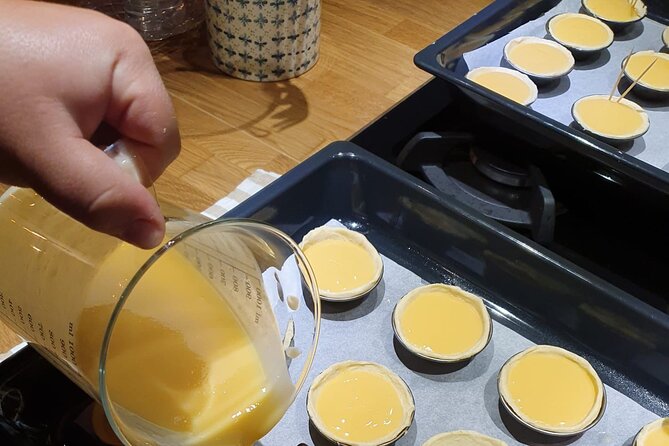
If you want a Lisbon experience that is both social and practical, this one has a good rhythm. You spend about 3 hours in the kitchen, learning how Portuguese classics come together while you eat the results. It is not a lecture. It is cooking with an instructor keeping the pacing friendly and the steps clear.
The overall guest rating is extremely strong, with a 4.9 out of 5 score and 97% of people recommending it. That matters, because a cooking class lives or dies on two things: can you follow what the instructor is doing, and does the meal actually deliver.
The format also feels forgiving. Even reviews that mention kids or first-timers describe the class as comfortable and structured, with instructors like Miguel, Pedro, Beatriz, Teresa, and Rita leading sessions in a way that keeps people participating.
Price and value: where your $102.84 goes
At about $102.84 per person for roughly three hours, you are paying for more than recipes. You are paying for a guided workflow, the ingredients, the kitchen, and a full meal with drinks.
Here is what your ticket effectively includes:
- a 4-course Portuguese meal you help prepare
- finger foods and beverages during the cooking
- Portuguese wine and beer included
- dessert focus with Pastel de Nata plus options like Arroz Doce and Torta de laranja
For comparison, if you try to build this yourself, you would have to buy ingredients, rent kitchen space, and still figure out technique. Here, the instructor handles the logistics of timing so your dinner does not turn into a half-cooked mess. You also get a group setting, which is a big part of why people rate this so highly.
If you are on a tight food budget, you may feel the price. But if you are the type of traveler who wants a memorable food moment beyond restaurant eating, this is the kind of cost that makes sense.
How timing and meeting details affect your day
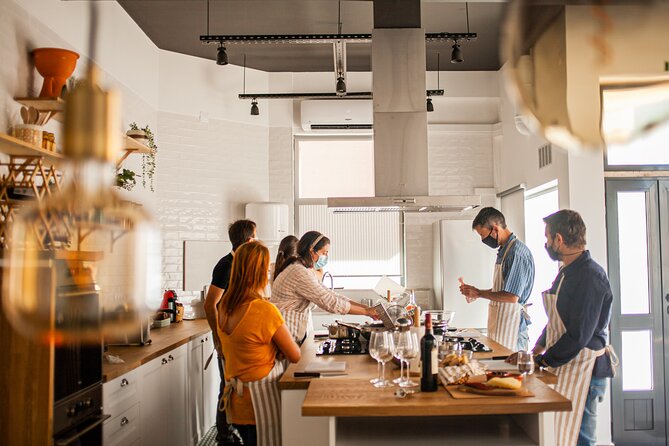
You can pick a morning or evening class time. That flexibility helps because Lisbon is best when you do not cram every hour. You can pair this with a late lunch, or roll into the evening with dinner already planned.
The meeting point is:
R. Aliança Operária 54, 1300-049 Lisboa, Portugal
The activity ends back at the meeting point.
One practical heads-up from real-world experiences: the cooking venue can be outside the densest central area. Plan on a bus or a taxi if you are staying in the historic center, and confirm which exact location your session uses before you go. Some classes are in one place, some in another, and it is worth avoiding a last-minute scramble.
Also, the class is offered in English and uses a mobile ticket, so have your confirmation ready on your phone.
Inside the kitchen: what the small-group setup feels like
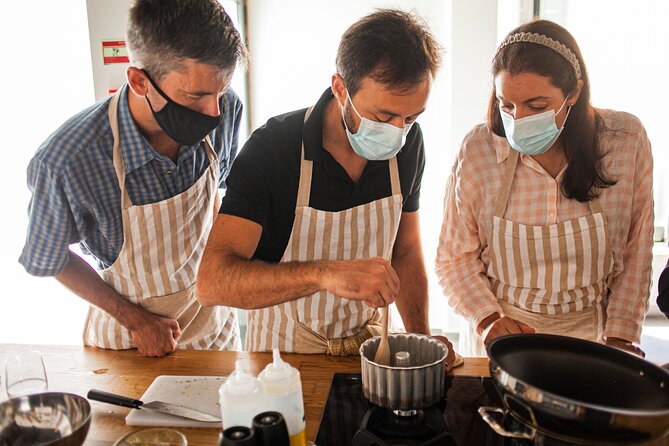
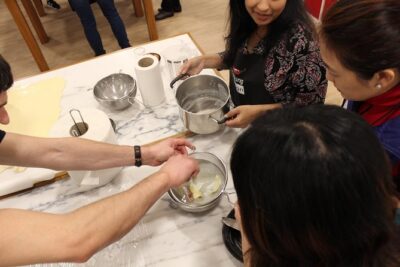
This is capped at 10 travelers, which is the right size for a cooking class. Big groups can turn into watch-and-hope. Here, the instructor can actually check your work and help you correct small mistakes before they get baked into the final dish.
The work style is also “team cooking,” not “chef show.” You get assigned steps, then you share the meal family style at the end. Several people mention that the class strikes a balance between interactive and not overly intense, which is ideal if you are traveling with different skill levels.
You may hear the room get lively. One review points out that when two groups are in the same space, it can feel noisy. That is not a dealbreaker, but if you prefer quiet activities, mentally prepare for a busier kitchen atmosphere.
Other Portuguese kitchens to cook in:




Course by course: the Portuguese menu you’ll help create
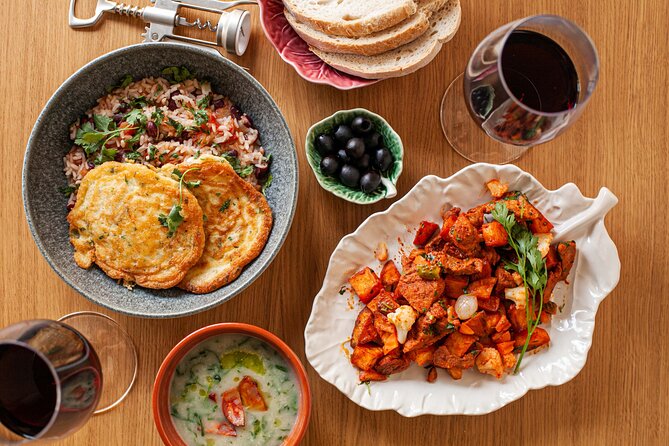
Menus change seasonally, and the kitchen uses premium ingredients. That seasonal approach matters because Portuguese cooking is ingredient-driven. If you visit in a slow season, you will still get dishes that make sense for what is available.
You should expect a 4-course flow that typically includes the dishes below. What you cook can vary by season, but this is the style of menu you are signing up for.
Starter energy: getting Portuguese comfort on the table
Your starter options can include:
- Caldo-verde (Portuguese cabbage soup)
- Pica-pau (pork-based dish)
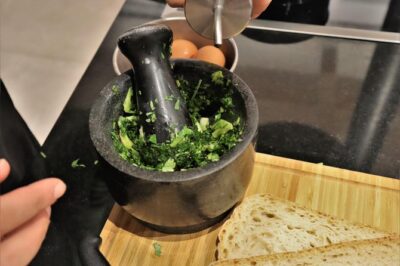
- Amêijoa à Bulhão Pato (clams prepared in a classic style)
This part of the class is great because it sets your palate quickly. You get to taste as you go, then apply steps with the instructor’s guidance. Even when dishes look complex on a menu, the class breaks things down into manageable tasks.
Main course workload: cod, pork, and bold Lisbon flavor
Your main course could include a mix of seafood and meat, such as:
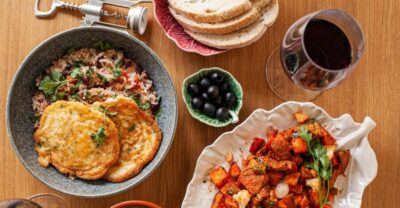
- Bacalhau à Brás (cod prepared in the Lisbon way)
- Pataniscas de Bacalhau (cod fritters)
- Carne de Porco com Amêijoas (pork with clams)
- Migas com Entrecosto (pork ribs with migas)
Portuguese food has a strong identity, and cod is one of the clearest examples. You will likely spend time working with ingredients that are staples here, then watching how the kitchen combines them into a complete dish.
One reviewer’s take was especially useful: you may not cook every single dish start to finish, because the meal is family style. Instead, you work a role within each dish. That is a plus if you like teamwork. If you want to become the sole expert in every course, you might feel slightly less in control.
Dessert payoff: Pastel de Nata plus two more sweet options
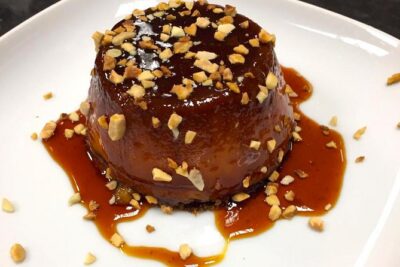
Dessert is where this class often wins people over, especially because Pastel de Nata is included. The pastry is pre-prepared, meaning the heavy prep is already done so you can focus on the key steps and timing.
Along with the natas, desserts may include:
- Arroz Doce (rice pudding)
- Torta de laranja (orange roll)
Dessert in a cooking class is not just about sweetness. It is about building confidence. Baking something like pastel de nata lets you leave with technique you can actually recreate, not just a dish name you forgot five minutes later.
Drinks, snacks, and the family-style dinner moment
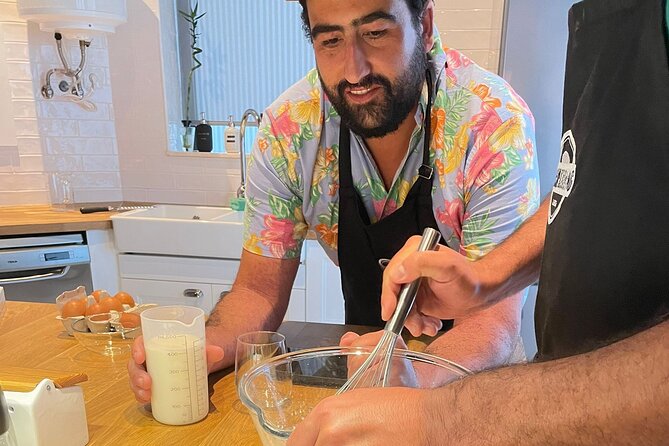
This is one of the biggest practical perks: Portuguese wines and beers are included, plus non-alcoholic beverages like juices and tea, and water is available. Alcohol is not served to participants under 18 years old, so the experience can work for families where kids are old enough to participate comfortably.
Finger foods and drinks happen while you cook. That means you are not waiting until the end to feel rewarded. The kitchen keeps momentum, and that makes a huge difference for beginners who might worry they will fall behind.
When you sit down to eat, it is communal and family style. You share the dishes you helped make, and the conversational vibe tends to grow as the meal progresses. Some solo diners mention that the structure naturally makes it easier to meet other people without forced small talk.
If you are traveling with kids, there are multiple mentions of children being comfortable in the group setting, including ages around 10 to 12. Just remember it is still a real kitchen, with hot tools and active steps, so adult supervision and comfort matter.
Seasonal menus: how the class keeps Portugal fresh
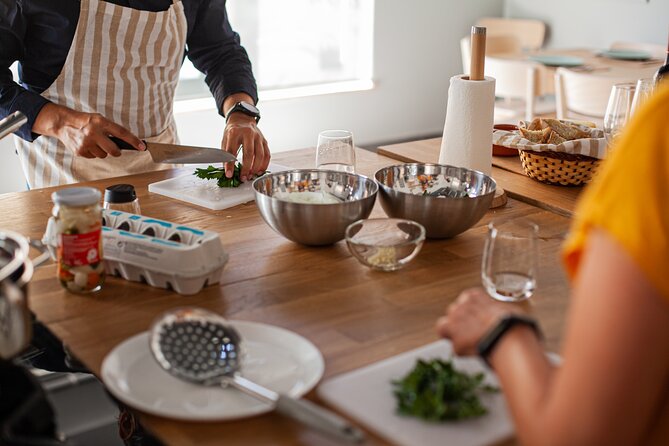
A detail I like: the menus change seasonally. That means the class is not locked to one fixed set of dishes all year long. The kitchen also points out that some dishes are not expected in peak summer, using Feijoada Transmontana as the example.
Why that matters for you:
- You get ingredients that match the season, not just the menu page.
- You experience Portuguese cooking as it is actually practiced, with what is available and what makes sense.
If you are picky about specific foods, check what is scheduled for your date before you commit. If your heart is set on cod-heavy menus or shellfish-focused starters, you will likely find strong options, but seasonal swaps can happen.
What to look for in the instruction style
Even though instructors can differ by date, the teaching pattern seems consistent:
- you are guided step-by-step
- you are given tasks rather than just watching
- you get explanations that help you understand what you are doing, not just repeat it
A few people highlight that the instructor does not do everything. You will participate in the dish building process, then share the results. For me, that is the key to why this style of class feels worth the money.
One more small tip: ask about recipe access. One review notes that you receive a recipe link, so you can recreate dishes later. If you care about that, make sure you have a way to capture the link when it is shared.
Is this cooking class for you?
This class is a strong match if:
- you want a beginner-friendly hands-on way to learn Portuguese dishes
- you like social activities but still want structured instruction
- you want a meal experience that includes more than just dinner eating
- you are the type who enjoys wine or beer with a food activity
It might be a weaker fit if:
- you want a quiet, private class where you never share space with others
- you expect to single-handedly produce every course end to end
- you are very sensitive to noise, since the room can get lively
Should you book Traditional Portuguese Cooking in Lisbon?
I think this is a high-value choice if you want a real taste of Lisbon that goes beyond ordering. The combination of hands-on cooking, a 4-course meal, and included drinks makes it feel like a complete evening, not a rushed workshop.
Book it if you:
- can spare about three hours
- want English instruction and a small-group environment
- are excited to cook and then eat what you made
Skip it only if you prefer very quiet, strictly formal classes, or you want a cooking session focused on technique for advanced chefs. For most visitors, this one lands in the sweet spot.
FAQ
What is the duration of the cooking class?
The class lasts about 3 hours.
How many people are in the group?
The experience has a maximum of 10 travelers.
Is the class offered in English?
Yes, it is offered in English.
What dishes are included?
A typical menu includes a 4-course Portuguese meal. Options can include Caldo-verde, Pica-pau, Amêijoa à Bulhão Pato, Bacalhau à Brás, Pataniscas de Bacalhau, Carne de Porco com Amêijoas, Migas com Entrecosto, plus desserts like Pastel de Nata, Arroz Doce, and Torta de laranja.
Are drinks included, and is alcohol served to everyone?
Portuguese wines and beers are included. Alcoholic beverages are not served to participants under 18 years old, but water, juices, and tea are available.
Where do I meet for the class?
Meet at R. Aliança Operária 54, 1300-049 Lisboa, Portugal. The activity ends back at the meeting point.
Can I get a refund if my plans change?
You can cancel up to 24 hours in advance for a full refund.
Fresh across the seven hills
- Full-day Private Tour: Fátima Sanctuary, Batalha, Nazaré, Óbidos
★ 5.0 · 6 reviews - Porto Private Tour from Lisbon
★ 4.5 · 6 reviews - VIP transfer from the airport to Lisbon hotels
★ 5.0 · 6 reviews - Lisbon Photoshoot: Capture Your Adventure
★ 5.0 · 6 reviews - Lisbon: Romantic Sunset Cruise With Wine & Portuguese Tapas
★ 5.0 · 6 reviews - Arrábida Wine Tour – 3 Wineries, Traditions & Views from Lisbon
★ 4.5 · 6 reviews - Lisbon: Sintra, Pena Palace, Belém Tour + sunset Boat Cruise
★ 5.0 · 6 reviews
Cooking Classes, compared.

Lisbon Portuguese Cooking Class with 3-Course Dinner
Read our review →

Browse the lists this tour appears in