
Reviewed · COOKING CLASSES
Hands on Portuguese Cooking Class in Lisbon
Cook Portuguese comfort food in a real kitchen.
This 3-hour hands-on class at Compadre Cooking School is a practical way to learn Lisbon flavors, not just read about them. You get your own cooking station, a small group setup (max 12), and an instructor who connects technique with Portuguese food culture.
I especially love how the class focuses on making a full course meal from starter to mains, so you learn the flow of a Portuguese dinner instead of one dish. I also love that you leave with take-home recipes, which turns your trip souvenir into a repeatable weeknight plan.
One thing to consider: the meal is mostly savory, and some participants noticed there is no dessert option. Also, alcohol is handled with rules for under-18 participants, and the wine side can vary by group.
In This Review
- Key things that make this class click
- Why cooking a full Portuguese meal beats a quick food stop
- Compadre Cooking School: spacious kitchen, real station time
- Your menu: starter plus cod bacalhau and a traditional meat main
- Cod (bacalhau) is not just a dish, it is a lesson
- The meat course gives you the other side of Portuguese cooking
- Expect hands-on prep, and that can be a plus
- Instructor stories you can use: history, technique, and clear coaching
- You do not need to be a chef
- The shared meal: tasting your work with your classmates
- Wine, water, and the under-18 rule
- Come with realistic expectations about dessert
- Lisbon logistics: timing, where to go, and how to plan your evening
- What I suggest you do before you go
- Who should book this cooking class, and who should skip it
- Is it worth $82.24 in Lisbon? Value check
- Should you book Compadre Cooking School in Lisbon?
- FAQ
- How long is the Hands-on Portuguese Cooking Class in Lisbon?
- Where does the class meet, and where does it end?
- Is the cooking class offered in English?
- What group size should I expect?
- Are children allowed, and what are the rules about alcohol?
- Is there free cancellation?
Key things that make this class click
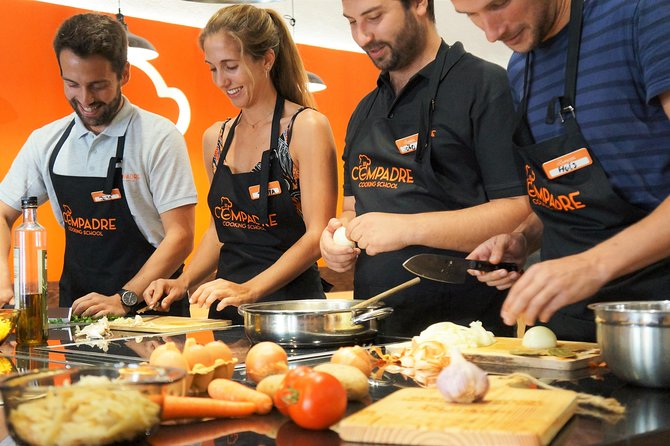
- Small group attention (max 12): you cook at your own station with step-by-step guidance.
- Full-course practice: starter plus multiple mains, so you learn how Portuguese meals come together.
- Cod expertise (bacalhau): expect solid instruction around salted cod, a cornerstone of Portuguese cooking.
- Seasoning and heat lessons: you may learn how Portuguese cooks use peppers and spice in everyday ways.
- Recipes to take home: you get what you need to recreate the dishes later.
Some other seven-hills days worth pricing up
- Lisbon: Pastel de Nata Baking Class★ 4.9 · 2,106 reviews
- Lisbon: Traditional Portuguese Cooking Class★ 4.9 · 592 reviews
- Pastel de Nata Pastry Class: Bake and Enjoy Your Own Treats★ 5.0 · 485 reviews
- Lisbon: 2-Hour Pastel de Nata Cooking Class★ 4.8 · 461 reviews
Why cooking a full Portuguese meal beats a quick food stop
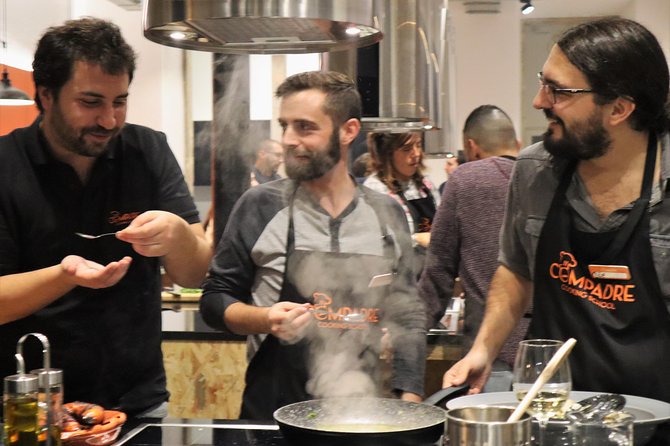
In Lisbon, it is easy to snack your way through town. This class is different. You sit down to learn how a Portuguese meal is built, not just how it tastes. Over about 3 hours, you go from prep to cooking to eating, with an instructor guiding each step.
What makes that valuable is the mental shift. When you cook a dish yourself, you understand why Portuguese flavors work together. You start noticing things like how cod gets treated, how salt shows up in traditional dishes, and how cooks balance richness with acidity and spice. That knowledge helps when you order in restaurants later. You know what to look for, and you can ask better questions.
This is also a good value setup for visitors who want something hands-on without it turning into chaos. For about $82.24 per person, you are paying for instruction, workspace, ingredients and guidance all in one session, plus the meal you make. You are not just paying to watch. You are cooking.
And because the class is small, it tends to feel more like a guided food workshop than a show. You can ask why something is done a certain way, and you are more likely to get an answer that helps you repeat the technique at home.
Compadre Cooking School: spacious kitchen, real station time
Your experience starts at Compadre Cooking School, at R. Heliodoro Salgado nº14, 1170-176 Lisboa. The meeting point is described as central, and it is near public transportation. That matters in Lisbon, where you do not want a dinner plan that turns into a half-day logistics puzzle.
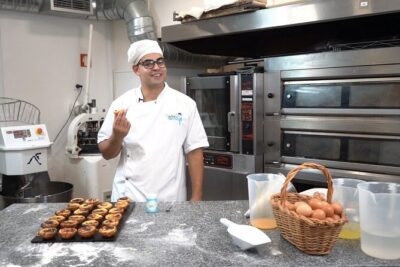
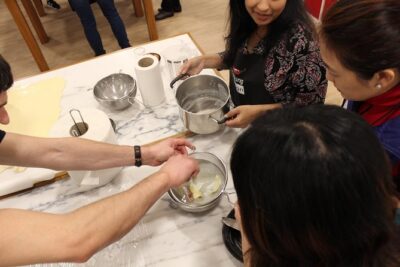
Once you arrive, you do not shuffle around watching other people cook. You get your own station. That is a big deal. Station time is where most cooking classes win or fail. Here, the format is designed for you to do the work: prep, cook, and plate as you go.
The class is offered in English, and it runs with a maximum of 12 travelers. That size tends to support real coaching. In practice, participants mention clear, patient instruction and helpful guidance throughout the process. If you are nervous in the kitchen, that small-group structure is exactly what you want.
Also, you get a mobile ticket, so you are not hunting for printed confirmations. It is a small detail, but it makes a difference on busy days.
Your menu: starter plus cod bacalhau and a traditional meat main
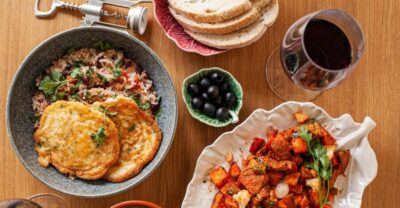
The class is built around a full Portuguese meal. The sample menu includes:
- A traditional Portuguese starter
- A fish main using a classic codfish (bacalhau) recipe
- A traditional meat dish
That sequence is smart. Starters teach you a baseline for Portuguese flavor balance. Then you move into mains that represent two big strands of Portuguese cooking: the sea (cod) and the land (meat).
Cod (bacalhau) is not just a dish, it is a lesson
Cod in Portugal is a big deal, and instructors focus on that. Participants highlight getting background on bacalhau and why salted cod is so important in Portuguese cuisine. When you learn that context while you are actually cooking, it sticks.
You also tend to learn more than timing and heat. You get instruction on how cod should be handled and seasoned so it does not end up flat or overly salty. That is the difference between eating cod and understanding bacalhau.
Other Portuguese kitchens to cook in:




The meat course gives you the other side of Portuguese cooking
The meat main is traditional, and the class structure means you will be cooking it with guidance, not guessing. Some participants noted learning about peppers and spicy flavors in Portugal, and one reported cooking peri peri style chicken in a session they attended. The exact meat dish can vary by class, but the point stays the same: you practice a traditional Portuguese main and learn how Portuguese seasoning shows up.
Expect hands-on prep, and that can be a plus
One participant noted shrimp prep that included removing heads and deveining. If your menu includes seafood that needs extra handling, it can feel a little intense for a first timer, but it also makes the final dish more satisfying because you did the real work.
If you are the kind of traveler who likes practical skills, this is good news. If you hate food prep, this class might feel more work than you expected, even though it stays guided and friendly.
Instructor stories you can use: history, technique, and clear coaching
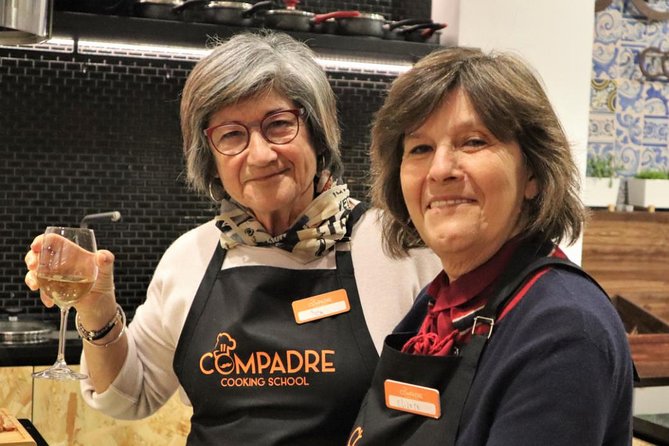
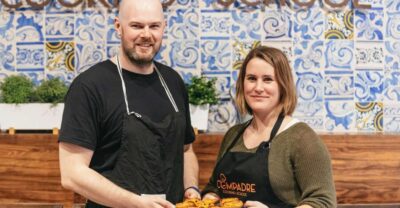
What repeatedly comes up is the teaching style. Instructors are described as knowledgeable, patient, and very clear, with participants naming instructors like Anna, Marta, and Ana. You can feel the difference when an instructor explains a dish in plain language and ties technique to why Portuguese cooks do it that way.
A strong point here is the mix of food history and practical cooking. Participants describe learning the history behind dishes, plus cultural background tied directly to the recipes. That might sound academic, but it is actually useful. When you understand why a dish exists, you cook it more intentionally. You stop treating it like a random recipe and start seeing it as part of a tradition.
You will also likely hear about how Portuguese cooks use peppers and heat. Some participants mention learning about different spicy peppers and how that influences what you order in restaurants. Even if you do not become the household spicy-food expert, you come away with better language and better instincts.
You do not need to be a chef
The class is built for beginners as well as experienced home cooks. People who cook at home still reported learning new foundational skills. That usually means the instructors emphasize technique you can repeat: timing, seasoning balance, and how to know when something is done without panicking.
At the end, your goal is not just a tasty meal. It is taking home a set of recipes you can trust.
The shared meal: tasting your work with your classmates
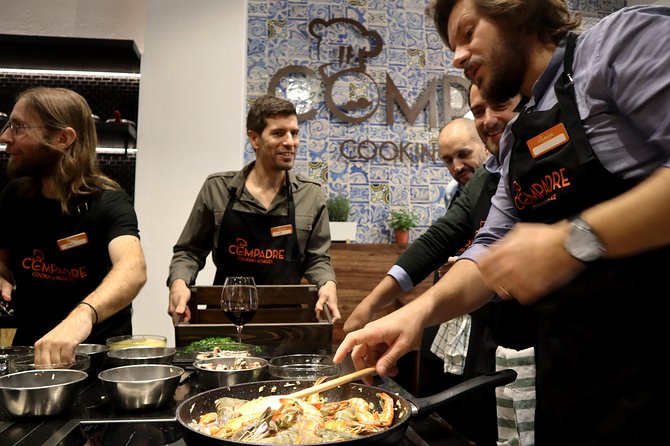
One of the most memorable parts is what happens after you cook. You sit down together and eat what you made. That is part of the format, and it turns the class into a social evening, not an isolated chore.
Participants mention a friendly, welcome atmosphere, and that sharing the meal with other students helps the experience feel warm and connected. If you are traveling solo, or if you want an activity that naturally creates conversation, this is a good fit.
Wine, water, and the under-18 rule
The class does not treat alcohol as a free-for-all. The provided info notes that alcoholic beverages will not be served to participants under 18, with water or tea as substitutes. Participants also mentioned wine with the meal, including comments about how much wine was offered. So, plan for the meal itself first, and treat wine as a possible extra rather than a guarantee.
If you are hoping for a big drinking moment, you might be slightly disappointed. If you just want a nice dining close to a hands-on class, it sounds like the right tone.
Come with realistic expectations about dessert
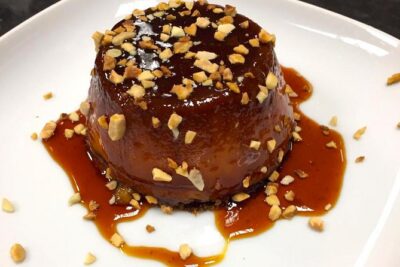
A couple of participants noted there was no dessert option. So if you want a sweet finale, you may need to plan dessert elsewhere in Lisbon. The class focuses on the savory Portuguese meal, and you will likely leave satisfied on that side.
Lisbon logistics: timing, where to go, and how to plan your evening
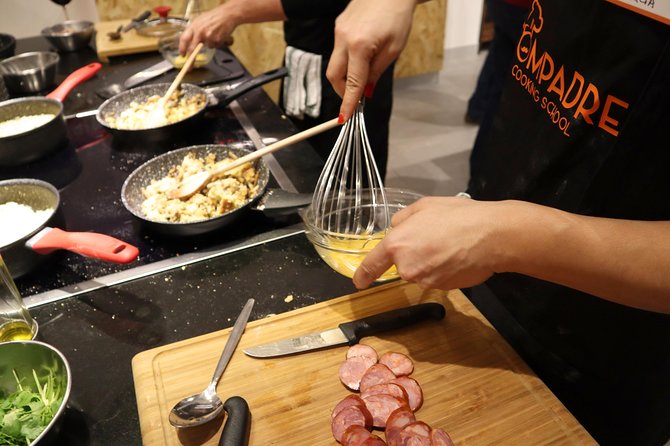
This runs for about 3 hours, and it ends back at the meeting point. That is helpful. You can schedule it as an early evening plan without worrying about crossing town afterward.
Because the school is near public transportation, it is easier to connect from other sights. The exact best route depends on where you are staying, but the practical takeaway is clear: you are not locked into one neighborhood.
Also, the class is described as something people tend to book about 20 days in advance on average. That suggests it can fill, especially in popular seasons and on common visit dates. If you have a tight itinerary, reserve sooner rather than later.
What I suggest you do before you go
- Wear comfortable clothes you can stand in while cooking.
- Bring a quick sense of what you like. If you avoid fish or seafood, you should consider that the cod dish is part of the core menu.
- If you are traveling with kids, check the age rule in the FAQ below so you do not get surprised.
Who should book this cooking class, and who should skip it
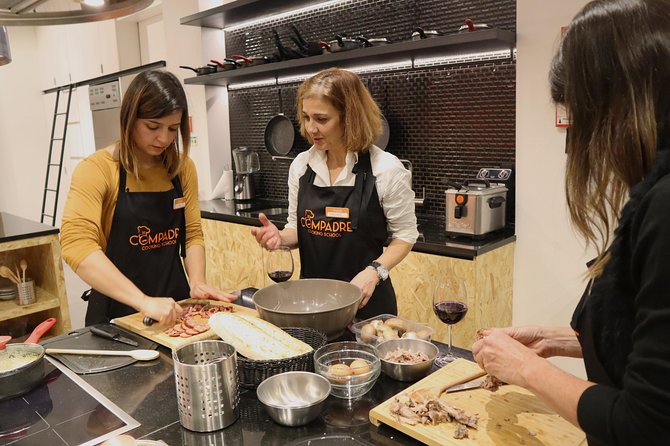
This works best if you want:
- A practical intro to Portuguese cuisine. It is a first-day type of experience.
- A social activity where conversation happens naturally at the end of class.
- A repeatable skill, because you get recipes to take home.
It also suits couples and small groups. Some participants highlighted cooking with others and enjoying the fellowship during the meal.
You might consider a different option if:
- You strongly want dessert included as part of the class. Some participants noticed none was offered.
- You expect a wine-heavy experience as the main event. Wine rules exist, and the amount offered seems to vary by group.
- You hate hands-on food prep. This is cooking, not just sampling, so you should be ready to work a little.
Is it worth $82.24 in Lisbon? Value check
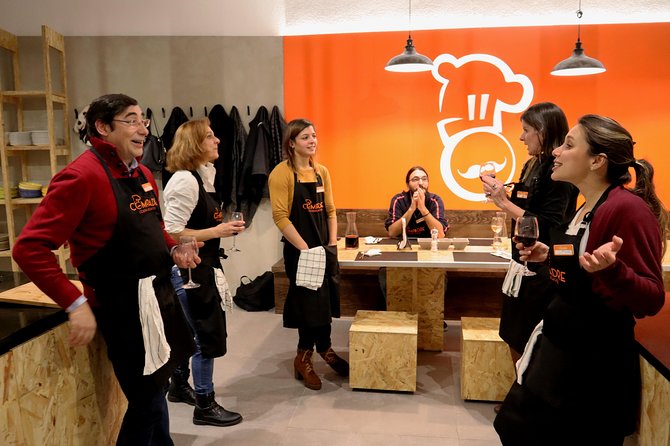
For $82.24 per person, you are paying for three big value components:
- Instruction and station time: a maximum of 12 travelers means you are not squeezed into a big herd.
- A full meal you cook yourself: starter plus cod and a traditional meat main.
- Take-home recipes: you can actually use the learning after the trip.
In other words, the price is not just for ingredients. It is for guided practice plus the meal plus the follow-up tool (the recipes). If you love cooking, that is a strong deal because you take more than one memory home.
And if you are new to Portuguese food, this gives you a fast, structured introduction. You learn what bacalhau really is in practice, how Portuguese seasoning shows up in mains, and how peppers can steer flavor.
Should you book Compadre Cooking School in Lisbon?
Yes, if you want a hands-on meal that teaches more than it entertains. The combination of a small group, your own station, step-by-step cooking, and recipes to recreate at home is exactly what turns a trip into something you keep using.
I would especially book it if you:
- are visiting Lisbon for the first time and want food context fast,
- like learning technique, not just eating,
- want a friendly social dinner plan that is not a maze of restaurant choices.
I would reconsider if you need dessert included or if you are only looking to sample. This class is about cooking a Portuguese dinner, from savory starter to mains, and then sharing the results.
If that sounds like your kind of evening, this is one of the more reliable ways to understand Portuguese cuisine without guessing.
FAQ
How long is the Hands-on Portuguese Cooking Class in Lisbon?
It runs for approximately 3 hours.
Where does the class meet, and where does it end?
The meeting point is Compadre Cooking School, R. Heliodoro Salgado nº14, 1170-176 Lisboa, Portugal. The activity ends back at the meeting point.
Is the cooking class offered in English?
Yes, it is offered in English.
What group size should I expect?
The class has a maximum of 12 travelers, so it stays small and hands-on.
Are children allowed, and what are the rules about alcohol?
Children up to 17 must be accompanied by a participating adult who is plus 18 years old. Alcoholic beverages will not be served to participants under 18, with water or tea provided instead.
Is there free cancellation?
Yes. You can cancel for a full refund if you cancel up to 24 hours in advance of the experience start time.
Fresh across the seven hills
- Full-day Private Tour: Fátima Sanctuary, Batalha, Nazaré, Óbidos
★ 5.0 · 6 reviews - Porto Private Tour from Lisbon
★ 4.5 · 6 reviews - VIP transfer from the airport to Lisbon hotels
★ 5.0 · 6 reviews - Arrábida Wine Tour – 3 Wineries, Traditions & Views from Lisbon
★ 4.5 · 6 reviews - Lisbon Photoshoot: Capture Your Adventure
★ 5.0 · 6 reviews - Lisbon: Romantic Sunset Cruise With Wine & Portuguese Tapas
★ 5.0 · 6 reviews - Lisbon: Sintra, Pena Palace, Belém Tour + sunset Boat Cruise
★ 5.0 · 6 reviews
Cooking Classes, compared.
Lisbon Portuguese Cooking Class with 3-Course Dinner
Read our review →
Traditional Portuguese Cooking Class in Lisbon
Read our review →

Browse the lists this tour appears in