
Reviewed · WALKING TOURS
Lisbon: Jewish Walking Tour
Lisbon’s Jewish story is harder to see, so you need a guide. This 3-hour walk uses archaeological context to turn vanished sites into something you can picture, with Luciano Waldman (Luciano, also known as Zelig) leading in English. I especially like the way the tour starts with the dramatic Tagus and Alfama view from Portas do Sol, then moves through places tied to Lisbon’s former Jewish quarters.
One thing to think about: the walk happens through areas with heavy tourist traffic, and the tour is English only. If you rely heavily on hearing, you may find it tough to follow every detail, especially with a possible English accent from the guide.
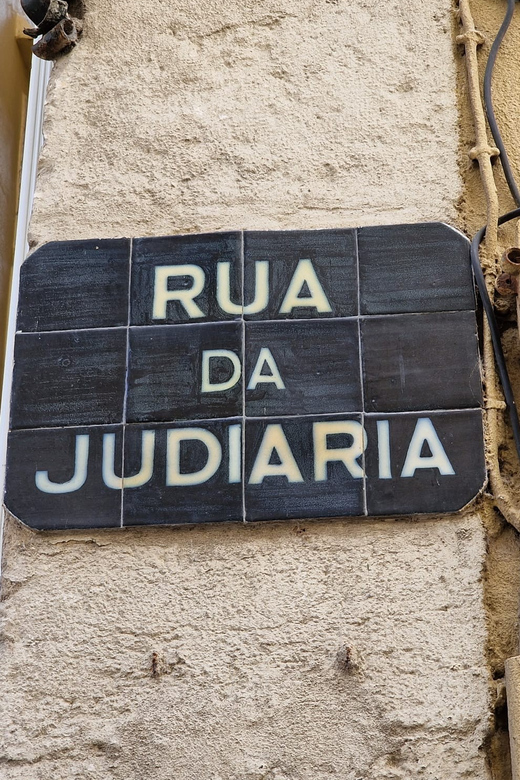
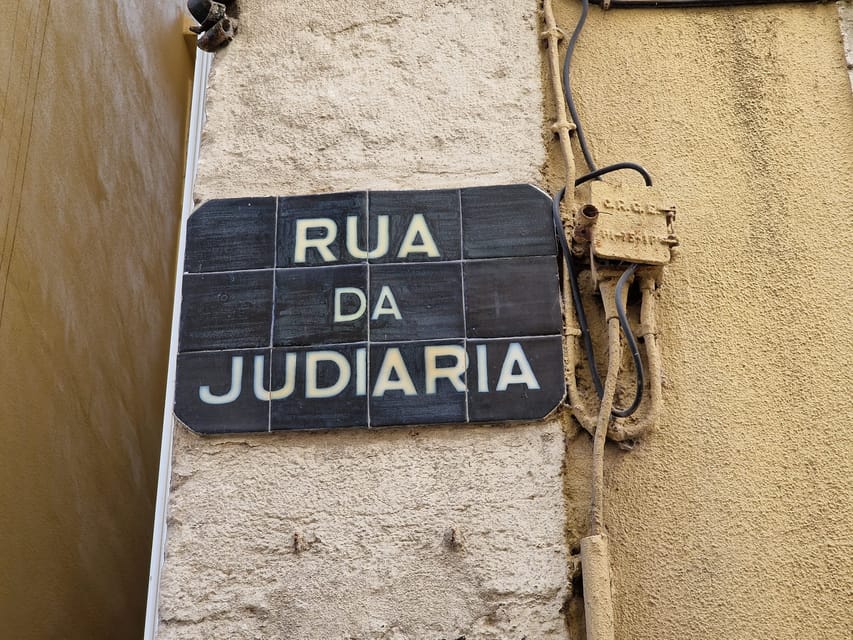
If you want Jewish Lisbon the way locals remember it, this tour is a smart use of time. You’ll also be supporting a local cultural institute through the Jewish Cultural Center in Rua da Judiaria, which gives this experience a practical, real-world impact.
In This Review
- Key Points You Should Know Before You Go
- Three Hours Through Jewish Lisbon, Guided by Archaeologist Luciano
- Start at Portas do Sol and Meet by the Statue of Saint Vicente
- Portas do Sol to the Jewish Quarters: How the Walk Builds a Mental Map
- Archaeological Excavations and Lost Buildings You Can Still Learn From
- Visiting the Jewish Cultural Center and Linking Past to Present
- Ending at Largo de São Domingos, a Key Place for Portuguese Judaism
- What You’ll Learn When So Much Is Gone
- Price and Value: Is $90 Worth It for a 3-Hour Walk?
- Timing, Footwear, and Staying Comfortable on a Sloped Old Town Route
- Language, Accent, and Asking Questions Without Feeling Lost
- Who Should Book This Tour (And Who Might Want a Different Option)
- Should You Book This Jewish Walking Tour of Lisbon?
- FAQ
- How long is the Lisbon Jewish Walking Tour?
- Where is the meeting point?
- Where does the tour end?
- What is included in the price?
- What is not included?
- Is the tour offered in English?
- What should I bring?
- Is the tour suitable for people with mobility impairments?
- Can I cancel and get a full refund?
- Are there any limits on group communication?
Key Points You Should Know Before You Go
- Archaeologist-led: Guided by Luciano Waldman, who brings a scientific lens to centuries of Jewish life and absence.
- Start with a view: You meet at Largo Portas do Sol by the Statue of Saint Vicente, with Tagus and Alfama scenery.
- Excavations and lost neighborhoods: You’ll visit sites where evidence still exists, even when buildings don’t.
- Jewish Cultural Center connection: The route includes the Jewish Cultural Center, tying past to present efforts.
- 3 hours of Old Town walking: Comfortable shoes matter, and the pace suits most walkers but not mobility needs.
- English only: Small details can be easier to miss if you struggle with English in noisy streets.
More Lisbon miradouros linked on foot:
- Lisbon: History, Stories and Lifestyle Walking Tour★ 4.8 · 10,902 reviews
- Best of Lisbon Small-Group Guided Walking Tour★ 5.0 · 4,869 reviews
- Lisbon: Food and Wine Small Group Walking Tour★ 4.9 · 4,082 reviews
- Best of Lisbon Walking Tour: Rossio, Chiado & Alfama★ 4.9 · 2,700 reviews
Three Hours Through Jewish Lisbon, Guided by Archaeologist Luciano
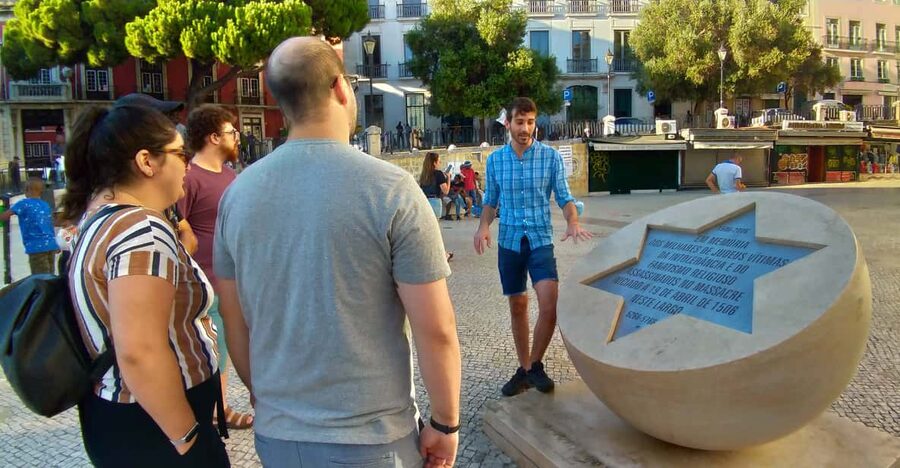
This tour is built for one goal: helping you understand Jewish Lisbon in a city where so much is gone. You’re not just looking at a few surviving monuments. You’re learning how people lived, where communities clustered, and what changed over time, using the physical clues still visible under the city’s surface.
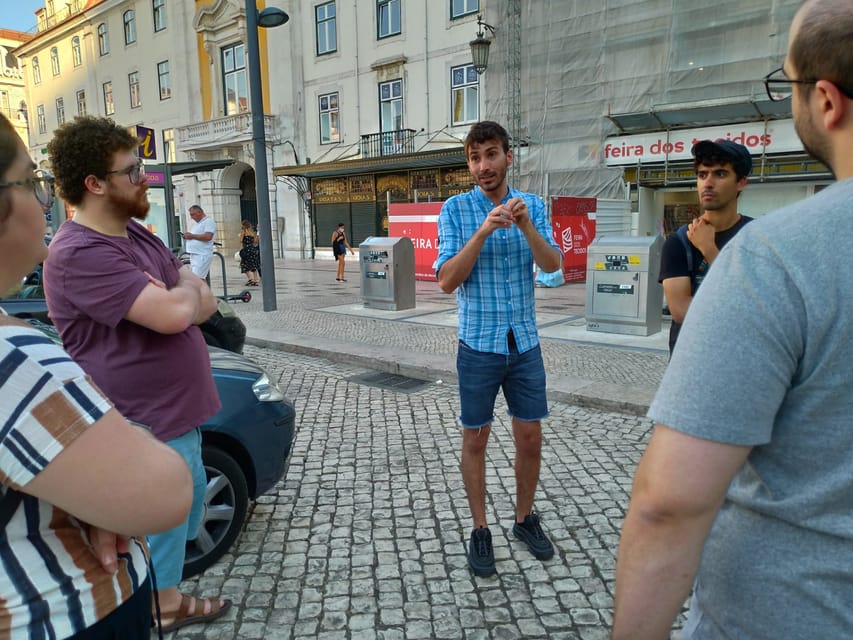
What makes it feel different from a standard “points and photos” walk is the guide’s approach. Luciano Waldman is not only a storyteller, he’s an archaeologist. That matters because Lisbon’s Jewish history includes lots of destruction, repurposing, and erasure. An archaeologist can explain how layers of evidence survive even when the streets look normal today.
A second reason the experience has real value: it’s tied to the Jewish Cultural Center in Rua da Judiaria. The sustainable tourism angle is not abstract. Your ticket supports the local institute doing the work to preserve memory and keep Jewish presence visible in Lisbon now.
Start at Portas do Sol and Meet by the Statue of Saint Vicente
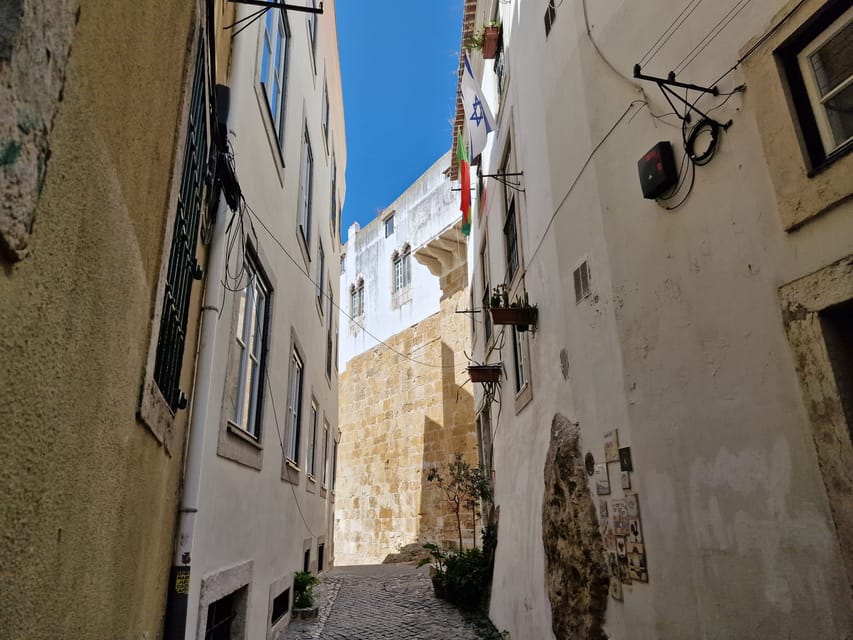
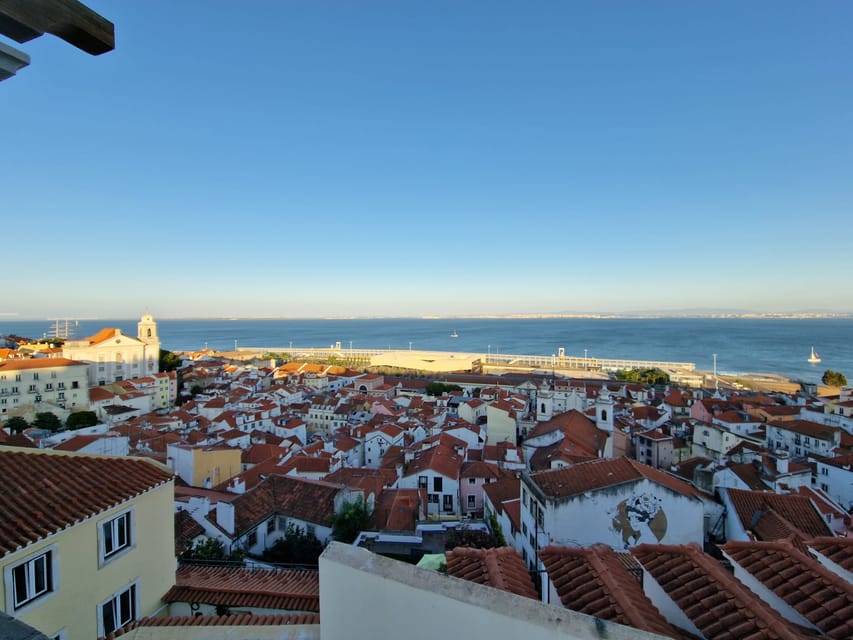
You begin at Largo Portas do Sol, a viewpoint with one of the best “get your bearings fast” setups in Lisbon. On a clear day, you get a strong sense of why this area mattered. You’re staring toward the Tagus and seeing Alfama’s spread below, so the city stops being a map and becomes a place with reasons.
Meeting point detail is simple but important: you meet at the viewpoint Largo Portas do Sol, by the Statue of Saint Vicente. If you arrive early, take a moment to orient yourself. Even a quick glance from above helps you later when the tour descends into the Old Town streets.
This opening sets the tone. Instead of rushing into history, you get atmosphere first: the sense of slopes, sightlines, and neighborhood geometry. That helps you understand why communities formed where they did, and why certain locations became important over generations.
Portas do Sol to the Jewish Quarters: How the Walk Builds a Mental Map
From the viewpoint, the tour moves through Lisbon’s older streets and key historical areas. The focus is on the Jewish geography of Lisbon: the spots that were once Jewish quarters, plus the surrounding sites that shaped daily life.
Here’s the practical benefit for you. Lisbon can feel like it has too many layers, all at once. This route gives you a guided structure, so you’re not left trying to connect dots later with a guidebook and tired feet. The walk also includes stops tied to monuments and historical sites, even when the original Jewish structures are no longer standing.
A repeated theme in the experience is absence. Many Jewish monuments are destroyed, yet the history is still learnable. The guide helps you “see” what’s missing by pointing to archaeological excavations and explaining what the evidence suggests. That’s crucial in Lisbon, where the city keeps changing but the traces of earlier lives remain.
Archaeological Excavations and Lost Buildings You Can Still Learn From
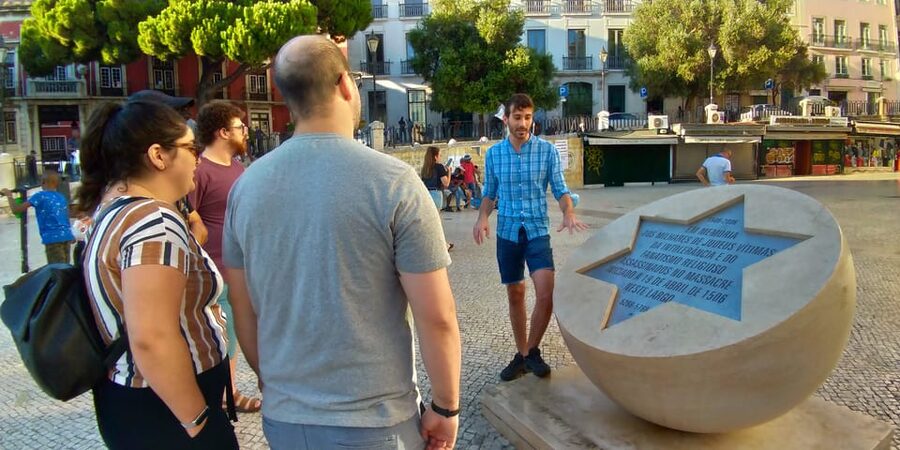
One of the biggest strengths here is the way the guide uses evidence. Lisbon’s Jewish story is not only about religion and community, it’s about time, change, and the physical record of what survived.
When you hear about archaeological excavations during the walk, you get more than facts. You get a method. The guide can connect a street-level moment to a larger story about settlement patterns, destruction, and what researchers can infer from artifacts and layers.
This is also where the archaeologist angle tends to make the tour more memorable. Many walking tours move quickly, and you end up collecting names. This one leans into interpretation. You learn how to imagine older spaces from today’s street layout, which is a skill you’ll use across Lisbon even after the tour ends.
There’s also an emotional layer. Jewish history in Portugal includes periods that were hopeful and periods that were tragic. The guide is reported to explain both, and that balance matters. It keeps the tour from feeling like a dry lecture, while still being respectful about what happened.
Other trips that start in Lisbon and end well:


Visiting the Jewish Cultural Center and Linking Past to Present
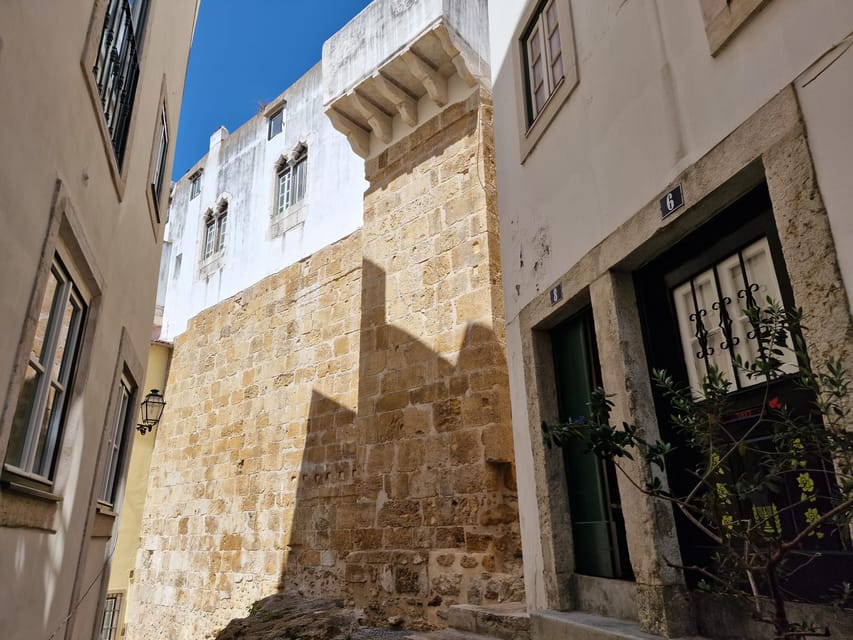
Sometime during the walk, you pass through or reach the Jewish Cultural Center. This stop is more than a location on a route. It’s the reminder that Jewish Lisbon is not only something trapped in the past.
The tour highlights the Jewish Cultural Center as a way to be a sustainable tourist. In other words, your time here supports a local cultural institute working to preserve memory and revive Jewish life. That is the rare kind of “do good while you travel” that actually ties back to real operations on the ground.
You also get context about Jewish quarters and cultural life, including how Jewish presence shaped Portugal and Lisbon beyond the obvious headline sites. Even if the architecture you expect is missing, the center helps you understand what remained culturally, and what the community is working to rebuild today.
One practical note: the guide’s English may include a slight accent, and the group experience is conducted in English only. If you’re the type who wants to ask questions, go for it. The guide is described as personable and willing to connect history to present identity, not just recite facts.
Ending at Largo de São Domingos, a Key Place for Portuguese Judaism
The tour ends at Largo de São Domingos, described as a place of great historical value to Portuguese Judaism. Ending here gives the walk a sense of closure, because you finish with another meaningful node in Lisbon’s Jewish landscape.
Largo de São Domingos is the kind of end point that helps you remember the route as more than a straight line. You started in an open viewpoint, moved downhill through layered neighborhoods, and came out near a square with its own historic identity. It’s an effective structure for a city like Lisbon, where geography and history are tightly linked.
When the tour wraps, you should feel like you now understand how Lisbon’s Jewish story fits into the city as a whole. Not every building survives, but the path makes the relationships clearer.
What You’ll Learn When So Much Is Gone
Let’s be honest: Lisbon is not full of intact medieval Jewish synagogues and signage. That’s part of the challenge of visiting Jewish heritage anywhere in Europe, and Portugal is no exception.
This is exactly why the tour is built the way it is. It doesn’t pretend the streets are unchanged. Instead, it teaches you how to read what you see, and how to accept what you do not see.
A few high-value outcomes you can expect:
- You learn where Jewish quarters were located in Lisbon, and how those areas relate to today’s streets.
- You get an archaeology-informed explanation of how traces can remain even after buildings disappear.
- You connect Portuguese Jewish history to broader patterns, including changes across regions that shaped Lisbon over centuries.
- You end with a clearer sense of why the Jewish Cultural Center matters now, not only as a museum-like stop.
This is also where the guide’s passion shows. In the accounts you can read, Luciano is described as warm, engaging, and willing to bring his personal connection to the topic into the conversation. That personal perspective is not a replacement for scholarship, but it tends to make the history stick.
Price and Value: Is $90 Worth It for a 3-Hour Walk?
At about $90 per person for roughly three hours, this isn’t the cheapest thing on your Lisbon list. But it does line up well with what you’re actually buying.
You’re paying for:
- A live walking tour guided by an archaeologist
- English interpretation
- Inclusion of liability and personal accident insurance
And you’re getting a specialized focus. Many Lisbon walks cover general Old Town highlights. This one narrows sharply to Jewish Lisbon and Portuguese Jewish history, then expands outward when context helps.
For value, also think about your alternative. If you try to piece this together on your own, you’ll likely spend time in the wrong places or miss what’s underneath the streets. With the guide’s expertise and interpretation, your time converts into understanding instead of just photos.
One more value angle: your participation supports the Jewish Cultural Center in Rua da Judiaria. That adds a real-world use to the money you spend, not just a cultural souvenir.
Timing, Footwear, and Staying Comfortable on a Sloped Old Town Route
Plan on real walking in Lisbon’s older neighborhoods. The tour is three hours, so you should assume a steady pace with breaks tied to explanations and stops.
Bring water and wear comfortable shoes. Several parts of the route are described as involving lots of downhill walking, which can be a relief for some people and a strain for others. Either way, comfortable footwear helps you manage steps and slopes without losing your focus.
The tour runs in English only. If English is your second language, it can still work well, but give yourself grace in noisy areas. The route also goes through areas with heavy tourist traffic, which can make it harder for people with hearing impairments to follow the explanation.
If you’re sensitive to that, consider choosing a time of day when streets feel less chaotic, or be ready to ask the guide to repeat key points.
Language, Accent, and Asking Questions Without Feeling Lost
The guide is a native speaker of Portuguese and Hebrew, and may have a slight accent when speaking English. For many visitors, that adds character. For some, it can take a couple of minutes to settle into.
My practical suggestion: go in with the right mindset. If you hear one sentence you miss, don’t panic. The guide is expected to explain clearly enough that the story still lands, especially as the tour progresses and your mental map forms.
If you like interactive tours, this is one to choose. Luciano is described as friendly, personable, and engaged with the group. That matters because Jewish history can feel complex. Being able to ask questions turns information into understanding.
Who Should Book This Tour (And Who Might Want a Different Option)
This experience is a great match if you want:
- A focused Jewish Lisbon orientation
- Archaeology-based interpretation, not just surface sightseeing
- A connection between historical memory and present-day cultural work
- A guide who can explain why certain sites matter, even when monuments no longer exist
It may be less suitable if you:
- Have mobility impairments, since the tour is not suitable for that
- Struggle with following spoken English in noisy, crowded areas
- Prefer quiet, low-stimulation sightseeing over a guided, question-friendly walk
If you’re traveling with a mix of interests, it can still work. Jewish history here is intertwined with Lisbon’s broader evolution, so you end up learning about the city itself along the way.
Should You Book This Jewish Walking Tour of Lisbon?
I’d book it if you want a high-impact use of your time in Lisbon and you care about understanding what happened, not only what remains. The mix of archaeologist-led storytelling, a strong Old Town route starting at Portas do Sol, and the ending at Largo de São Domingos makes it feel coherent.
The value comes from focus. At $90 for about three hours, you’re paying for expertise, interpretation, and a local cultural institute connection through the Jewish Cultural Center in Rua da Judiaria. If that kind of targeted, meaningful sightseeing fits your travel style, this tour is an easy yes.
Just don’t ignore the practical caveat: it’s English only, it moves through busy tourist areas, and it is not designed for mobility impairments. If those points fit your needs, you’ll likely leave with a clearer sense of Jewish Lisbon and why preserving memory still matters.
FAQ
How long is the Lisbon Jewish Walking Tour?
The tour lasts about 3 hours.
Where is the meeting point?
You meet at the viewpoint Largo Portas do Sol, by the Statue of Saint Vicente.
Where does the tour end?
The tour ends at Largo de São Domingos.
What is included in the price?
Included are the walking tour, the tour guide, and liability and personal accident insurance.
What is not included?
Hotel pickup and drop-off and food and drinks are not included.
Is the tour offered in English?
Yes, it is conducted in English only.
What should I bring?
Bring water and wear comfortable shoes.
Is the tour suitable for people with mobility impairments?
No, it is not suitable for people with mobility impairments.
Can I cancel and get a full refund?
Yes, free cancellation is available up to 24 hours in advance for a full refund.
Are there any limits on group communication?
The tour passes through areas with heavy tourist traffic, which may make it difficult for people with hearing impairments to follow the explanations.
Fresh across the seven hills
- Full-day Private Tour: Fátima Sanctuary, Batalha, Nazaré, Óbidos
★ 5.0 · 6 reviews - Porto Private Tour from Lisbon
★ 4.5 · 6 reviews - VIP transfer from the airport to Lisbon hotels
★ 5.0 · 6 reviews - Lisbon Photoshoot: Capture Your Adventure
★ 5.0 · 6 reviews - Lisbon: Romantic Sunset Cruise With Wine & Portuguese Tapas
★ 5.0 · 6 reviews - Arrábida Wine Tour – 3 Wineries, Traditions & Views from Lisbon
★ 4.5 · 6 reviews - Lisbon: Sintra, Pena Palace, Belém Tour + sunset Boat Cruise
★ 5.0 · 6 reviews
Walking Tours, compared.
Best of Lisbon Small-Group Guided Walking Tour
Read our review →
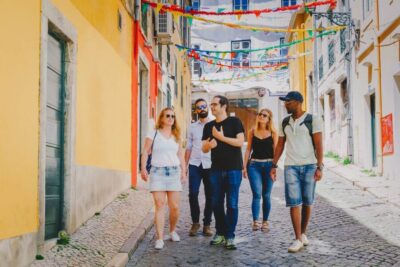
Best of Lisbon Walking Tour: Rossio, Chiado & Alfama
Read our review →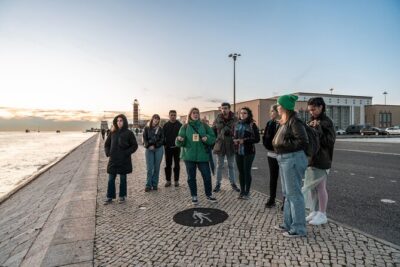

Sintra & Cascais Day Tour with Pena Palace Entry and Gardens Walk
Read our review →
Lisbon Roots – Small group Food & Culture Walking Tour w/tastings
Read our review →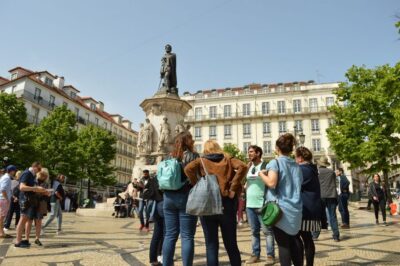
Starter Walking Tour to the highlights in German
Read our review →Browse the lists this tour appears in