
Reviewed · COOKING CLASSES
Lisbon: Traditional Portuguese Cooking Class
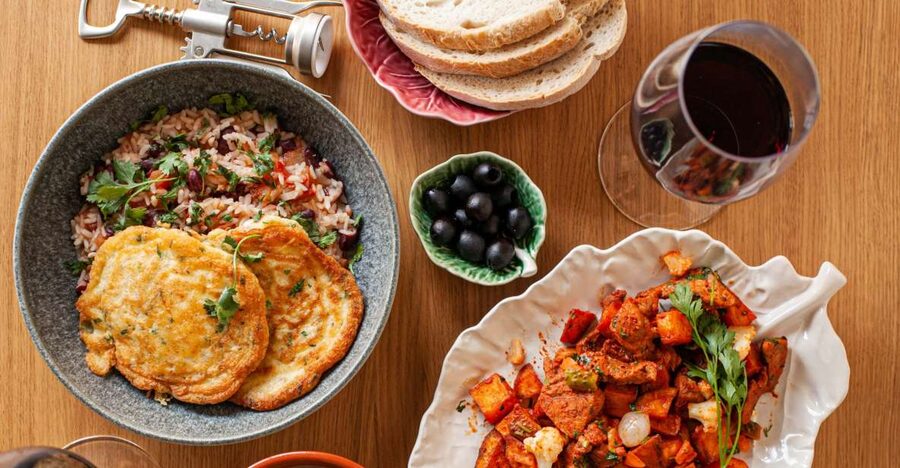
Portuguese cooking gets personal fast. In this Lisbon class, you cook with fresh seasonal ingredients and hear the story behind each dish, not just the steps. I especially like the hands-on kitchen time and the way the chefs explain what makes Portuguese flavor tick, from pantry staples to family habits.
My other favorite part is the relaxed group vibe, capped at 10 people, so you get real help while you’re cooking. The main drawback to consider is that it is not suited for everyone, especially vegans, wheelchair users, children under 8, or anyone with food allergies, and you must share dietary restrictions at least 72 hours ahead.
In This Review
- Quick highlights before you book
- A hands-on 3-hour Portuguese meal in a small group
- Tastings with cheeses, chorizo, and wines, then you start cooking
- Seasonal menus in Lisbon, so you eat what is actually in season
- Starter, main, dessert: where the real technique lessons happen
- The meeting point clue: top-floor kitchen near Continente Bom Dia
- Who teaches, what language to expect, and how the pace feels
- Price and value: what $94 buys you in real terms
- Dietary limits and who this class fits best
- Final call: should you book this Portuguese cooking class?
- FAQ
- What does the class include?
- How long is the Lisbon Portuguese cooking class?
- Is it a small group?
- What languages are used during the cooking class?
- Where is the meeting point?
- Is transportation included?
- Can vegetarians be accommodated?
- What dietary restrictions are allowed?
- Is it suitable for kids or wheelchair users?
Quick highlights before you book
- Small group kitchen time (up to 10), so questions do not get lost
- Full hands-on menu: starter, main course, and dessert
- Included tastings of cheeses, chorizo, and wines
- Seasonal menu changes, so you are eating what is actually available
- Chefs include stories, with names like Ana and Carina showing up in past sessions
Some other seven-hills days worth pricing up
- Lisbon: Pastel de Nata Baking Class★ 4.9 · 2,106 reviews
- Lisbon: Traditional Portuguese Cooking Class★ 4.9 · 592 reviews
- Pastel de Nata Pastry Class: Bake and Enjoy Your Own Treats★ 5.0 · 485 reviews
- Lisbon: 2-Hour Pastel de Nata Cooking Class★ 4.8 · 461 reviews
A hands-on 3-hour Portuguese meal in a small group
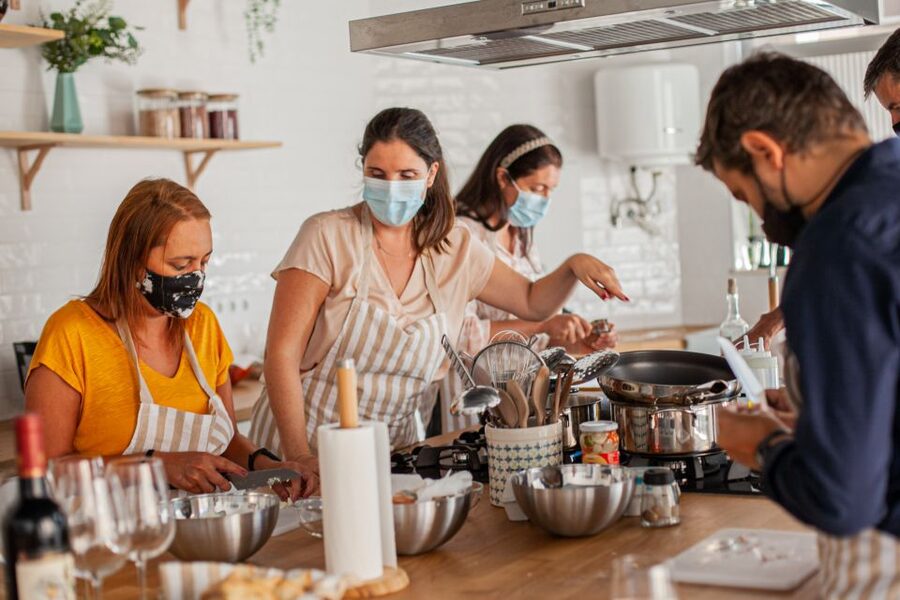
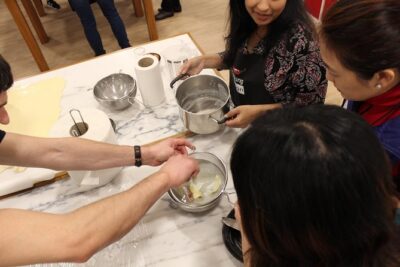
This is a 3-hour cooking class built around one simple idea, you learn by doing. You do not just watch someone else cook while you take notes. You’re actively preparing a starter, main course, and dessert, then eating what you make.
The group size is kept small, limited to 10 participants. That matters more than it sounds. With fewer people, the chefs can correct technique on the spot and keep the pace comfortable, even if you have never cooked Portuguese food before.
You should also know that English and Portuguese are used in instruction. If you speak only English, you can still follow well, and the chefs also use Portuguese when helpful. Based on class descriptions and past participants naming chefs like Ana, Carina, Karina, and Hannah, the teaching style tends to be friendly, practical, and full of kitchen humor.
Tastings with cheeses, chorizo, and wines, then you start cooking
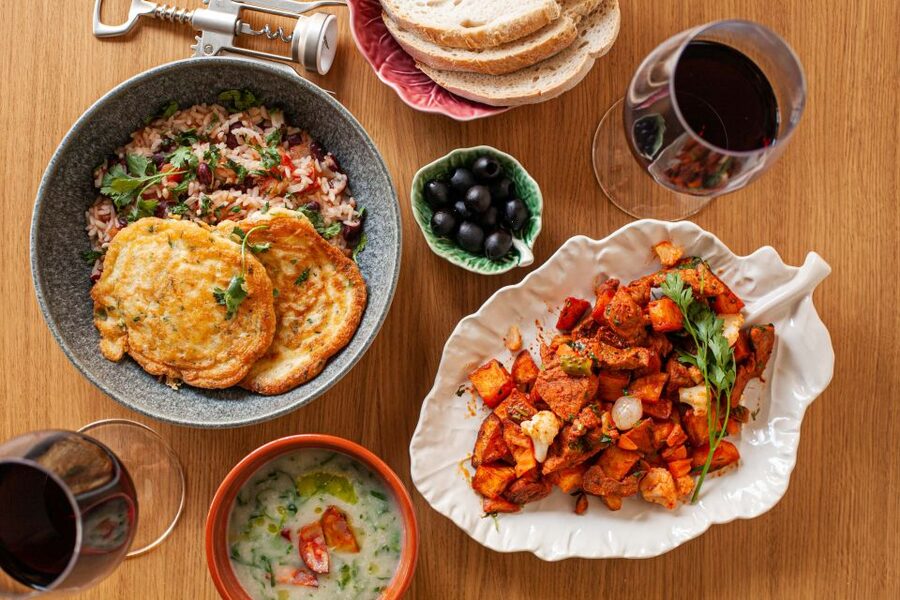
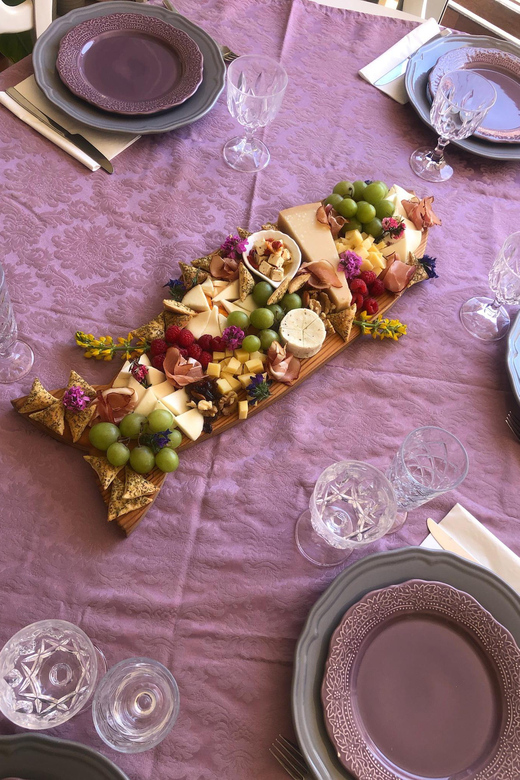
Before the pots and pans really get moving, the class includes a tasting set: cheeses, chorizo, and wines. This is not an afterthought. It is a smart warm-up that helps you understand what Portuguese cured and fermented flavors taste like before you cook.
You also get the social rhythm early. People often arrive hungry, then settle in fast when there is food on the table right away. Expect the chefs to explain what you’re tasting and how it connects to the dishes you’ll cook later, so it feels like a guided meal instead of a random snack lineup.
If you are the type who learns best by tasting first, you’ll probably enjoy this format. It also gives you a sense of how salty, smoky, and tangy Portuguese flavors can be, which helps when you start adjusting seasoning in your own dishes.
Seasonal menus in Lisbon, so you eat what is actually in season
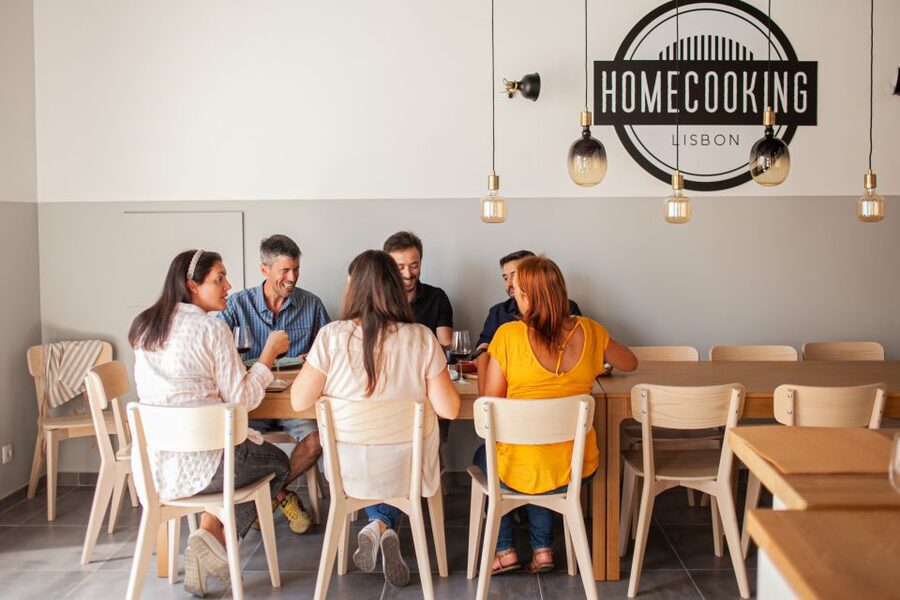
A big selling point here is that the menu is not frozen in time. The chefs focus on fresh, local, seasonal ingredients, and the menu changes depending on what is available. That’s a practical choice, not just marketing.
In real Portuguese cooking, seasonality affects everything from vegetables to herbs and even how hearty a dish feels. When the ingredients reflect the season, the recipes taste more coherent. They also feel more authentic, because you are eating Lisbon-era Portuguese, not a generic version made year-round.
In the class vibe, you often see personal sourcing layered in, too. Past participants mention things like olive oil and figs connected to the chefs’ family farm garden, plus breads from a hometown background. You should not assume the exact items will be identical in every session, but the approach is consistent: ingredients come with a story and a reason.
Starter, main, dessert: where the real technique lessons happen

The cooking work is built around three course moments: starter, main course, and dessert. That structure keeps the class from feeling like a cooking demo where you do one task and leave. You get repeated practice, from prep work to cooking and finishing.
Just as important, the chefs teach more than recipes. They share techniques and the narrative behind each dish. In practice, that means you’re not only learning how something is made, you’re learning how Portuguese families think about food. Why that ingredient matters. Why that method is used. Why a dish shows up at the table at certain times.
If you are a cautious cook, this is a good fit. The group is small, the instructors can guide you, and the recipes are designed around accessible ingredients and clear steps. If you are confident in the kitchen, you still get value because the chefs focus on details like flavor balance, timing, and how to get consistent results even when ingredients are seasonal.
And since you eat what you make, you quickly find out if you nailed it. You also get a grounded sense of what success should taste like.
Other Portuguese kitchens to cook in:




The meeting point clue: top-floor kitchen near Continente Bom Dia
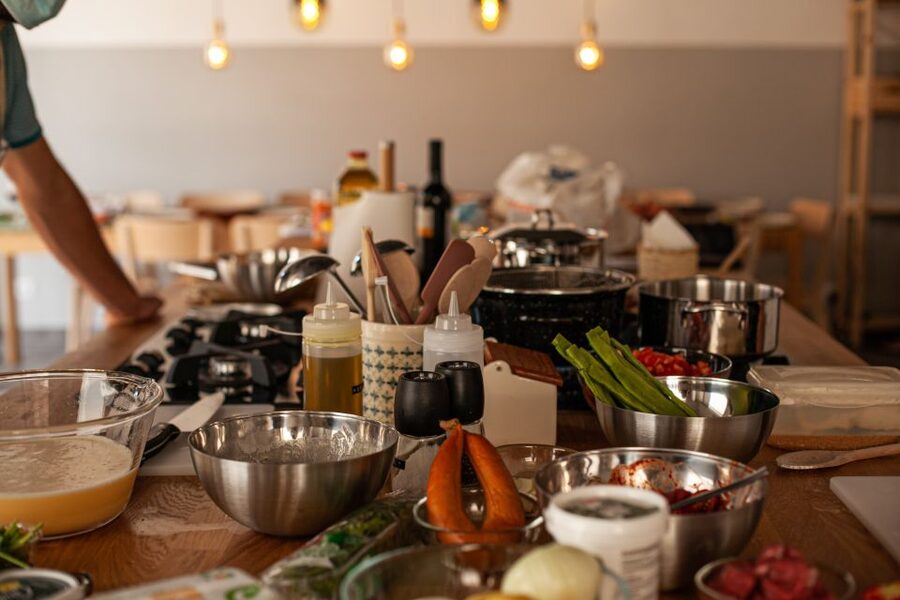
Logistics in Lisbon can be sneaky, so read this part carefully. The kitchen is on the top floor of a shop on a main street.
Your key landmark is the Continente Bom Dia supermarket. When you are near it, facing the main door, look on your left for stairs. Go up those stairs to the end, and the kitchen is in that square.
Why I think this matters: cooking classes are tight on timing. A 10-minute delay can throw off the whole flow, especially when you’re starting a course and tasting in sequence. If you arrive early, you reduce stress and give yourself time to find the stairs and get settled before the first instruction.
Who teaches, what language to expect, and how the pace feels
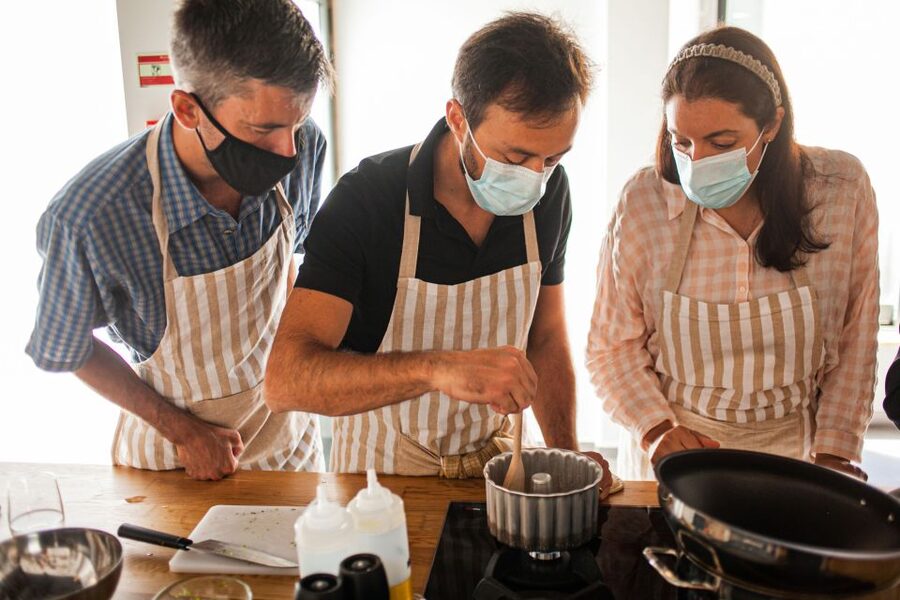
Instruction is provided in English and Portuguese. In a small group setting like this, that bilingual approach usually means the chefs can explain ideas clearly, then switch languages as needed to keep everyone on track.
In past sessions, participants have mentioned chefs including Ana, Carina, Karina, and Hannah. Even if your session has a different pair, you can expect a consistent teaching style: hands-on coaching plus story-driven context. The tone seems relaxed, with humor and frequent conversation while you cook.
Pacing is also worth considering. This class is only 3 hours total, and it covers tastings plus three courses. That means you should show up ready to work and taste. Wear shoes that handle standing, since you will likely be on your feet during prep and cooking.
Price and value: what $94 buys you in real terms
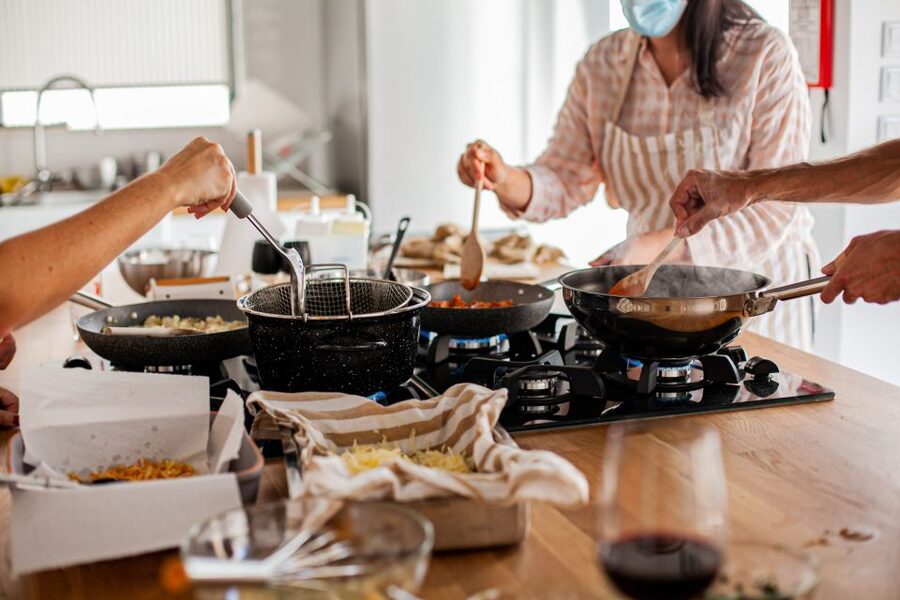
At $94 per person for a 3-hour class, you are paying for much more than an hour-long food tour. You are paying for ingredients, instruction, and the meal itself.
Here is the practical value breakdown:
- You get cheeses, chorizo, and wines tasting as part of the experience.
- You cook a starter, main course, and dessert, then eat your results.
- Instruction is delivered by a chef team, and the group is capped at 10, which usually means more real coaching per person.
Transportation is not included, so you’ll want to factor in how you’ll get there and back from your hotel. If you are staying central, that might be easy. If you are far out, you may spend more on transit than you expect.
Still, the class can be good value if you want an evening with a full meal plus real skills. Instead of paying for a single restaurant dinner, you get the chance to learn how to reproduce parts of the meal at home.
Dietary limits and who this class fits best
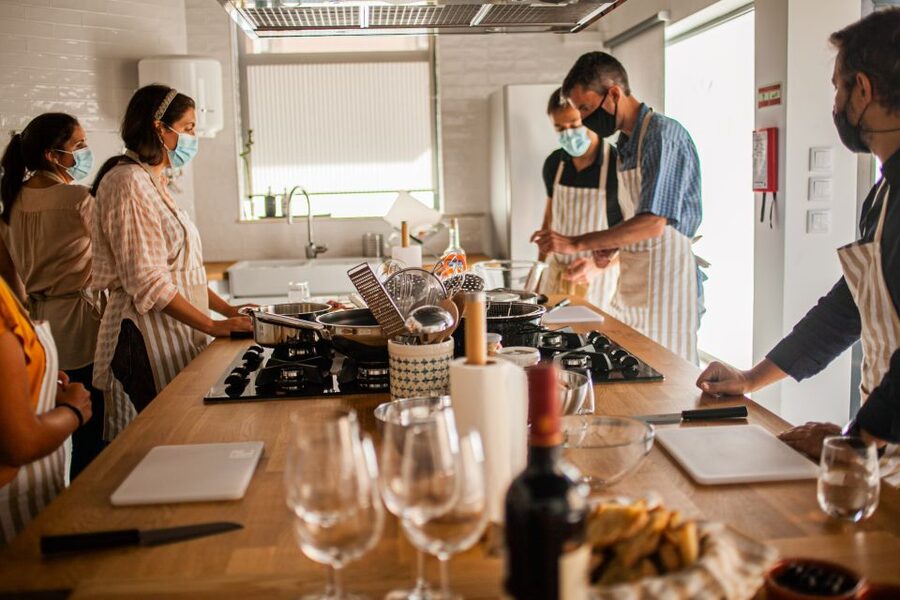
This one is important. The class is not suitable for:
- Vegans
- Wheelchair users
- Children under 8
- People with food allergies
If you are vegetarian, the menu can be adapted, but you need to communicate dietary restrictions at least 72 hours in advance. If you have any kind of food allergy, the safest move is to choose a different activity, since this class is not designed for allergy needs.
Also, pets are not allowed. Alcohol and drugs are not allowed, either, which is standard for food-focused activities.
Who this suits best: couples, solo travelers, and small groups who want an authentic Portuguese cooking night and do not mind hands-on kitchen work. If you want a deeper cultural connection through food stories and practical cooking steps, this is a strong match.
Final call: should you book this Portuguese cooking class?
I’d book it if you want a full Portuguese meal you help create, plus a chef-led explanation of why the dishes taste the way they do. The mix of hands-on cooking, tastings, and a seasonal ingredient approach makes it more than just entertainment.
I would skip it if you fall into the non-suitable categories, especially vegans, wheelchair users, children under 8, or anyone with food allergies. Also, if you dislike kitchens and prefer passive dining experiences, this class will feel like work.
One smart way to decide: if your ideal Lisbon evening includes standing over a cutting board, tasting along the way, and leaving with skills you can repeat, you will likely enjoy it.
FAQ
What does the class include?
The experience includes tastings of cheeses, chorizo, and wines, plus a hands-on cooking class where you prepare a starter, a main course, and a dessert.
How long is the Lisbon Portuguese cooking class?
It lasts 3 hours.
Is it a small group?
Yes. The class is limited to 10 participants.
What languages are used during the cooking class?
The instructors teach in English and Portuguese.
Where is the meeting point?
You’ll meet at a kitchen located on the top floor of a shop on the same main street. Near the Continente Bom Dia supermarket, facing the main door, go left to find stairs and go up until the end.
Is transportation included?
No. Transportation to and from your accommodation is not included.
Can vegetarians be accommodated?
Yes. The menu is adaptable for vegetarians, but you must communicate at least 72 hours in advance.
What dietary restrictions are allowed?
Dietary restrictions must be communicated at least 72 hours before the start of the reserved class. The class is not suitable for people with food allergies.
Is it suitable for kids or wheelchair users?
It is not suitable for children under 8, and it is not suitable for wheelchair users.
Fresh across the seven hills
- Private Tour from Porto to Lisbon with Stops
★ 5.0 · 6 reviews - Lisbon: Private Highlights Tuk-Tuk Tour with Tapas and Wine
★ 5.0 · 6 reviews - Lisbon: The Ultimate Food Tour with a Local
★ 3.7 · 6 reviews - Treasures of Lisboa : Alfama Food Tour with 18 Tastings
★ 5.0 · 6 reviews - Lisbon: Portuguese Petiscos Cooking Class
★ 4.7 · 6 reviews - Seixal Sailing Cruise – Lunch in a typical restaurant
★ 5.0 · 6 reviews - Nature, Wines and Ceramic Tiles: Private Tour
★ 4.0 · 6 reviews
Cooking Classes, compared.
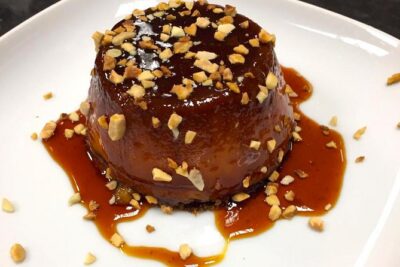
Lisbon Portuguese Cooking Class with 3-Course Dinner
Read our review →
Traditional Portuguese Cooking Class in Lisbon
Read our review →

Browse the lists this tour appears in