
Reviewed · WALKING TOURS
Lisbon: Walking Tour in the Center (Max 12 Participants)
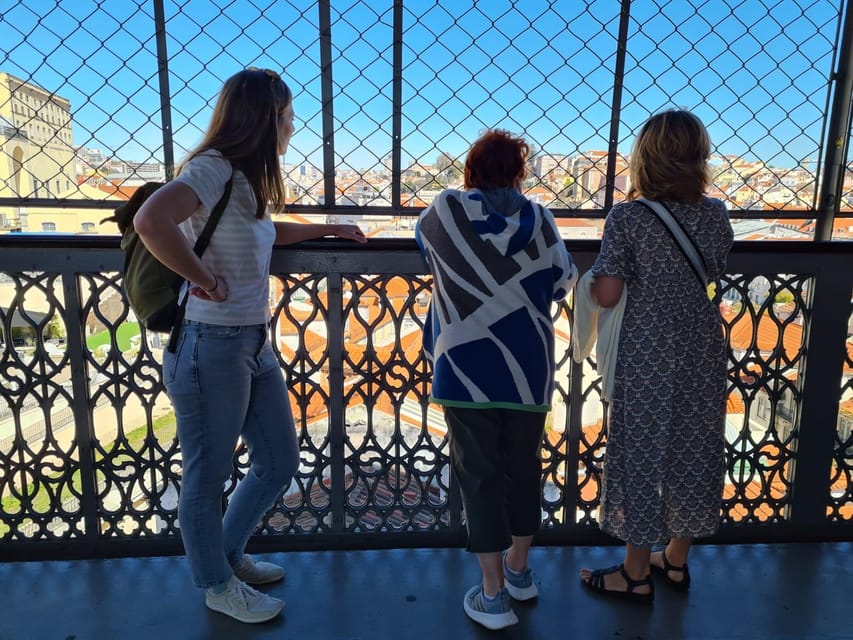
Lisbon in 3.5 hours, on foot. This small-group route threads Baixa, Chiado, Bairro Alto, and Alfama, with Tagus River viewpoints and Santa Justa plus Carmo Monastery ruins explained as you go. I especially love how the guide keeps the sights connected to Portuguese daily life and street culture, and I also like getting up close to the world-famous Lisbon tiles. One thing to consider: you will climb and descend multiple hills, so plan for real walking.
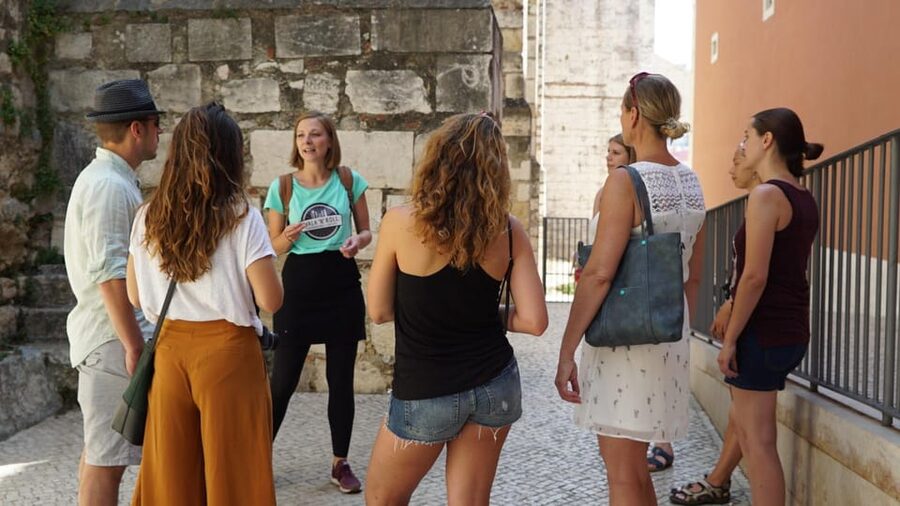
You meet at Rossio Square North Fountain, between the National Theater area and the Royal Statue, then follow a guide in the WALK ‘N’ ROLL mint t-shirt or carrying a mint burlap bag. With a maximum group size of 12, the pace stays friendly, and you may hear from guides such as Pedro, Sara, or Melina, who are known for mixing stories with practical tips.
The tour runs rain or shine for about 3.5 hours, with a short break built in and a included liquor tasting. Bring comfortable shoes, water, and sunscreen, because the street surfaces plus hills add up fast.
In This Review
- Key things I’d circle before you book
- Starting at Rossio Square North Fountain, and why it matters
- Baixa de Lisboa plus Santa Justa, the classic view-and-story combo
- Carmo Monastery ruins: when Lisbon history shows up as stone
- Chiado and Praça Luís de Camões, where Lisbon walks with its poets
- Bairro Alto streets and the built-in breathing break
- Alfama and the Tagus viewpoint, the romantic part that still feels real
- Finishing at Praça do Comércio and Arco de Rua Augusta by the water
- Price and what you really get for about $47
- Pace, hills, and weather: how to prepare so you enjoy it
- Who this walking tour fits best
- Should you book this Lisbon center walking tour?
- FAQ
- How long is the Lisbon walking tour?
- Where do I meet the guide?
- How much does the tour cost?
- What is included in the price?
- Is food included?
- Does the tour run in rain?
- What language are the guides in?
- Is the tour suitable for wheelchair users or mobility impairments?
- Is this a small-group tour?
Key things I’d circle before you book
- Max 12 participants means a calmer walk and easier question-asking
- Three Lisbon hills covered without needing taxis, buses, or a complex plan
- Alfama viewpoints and Tagus river views are a highlight payoff at street level
- Santa Justa and Carmo Monastery ruins give you two major “how Lisbon got here” anchors
- Liquor tasting included, so factor that into your timing
More Lisbon miradouros linked on foot:
- Lisbon: History, Stories and Lifestyle Walking Tour★ 4.8 · 10,902 reviews
- Best of Lisbon Small-Group Guided Walking Tour★ 5.0 · 4,869 reviews
- Lisbon: Food and Wine Small Group Walking Tour★ 4.9 · 4,082 reviews
- Best of Lisbon Walking Tour: Rossio, Chiado & Alfama★ 4.9 · 2,700 reviews
Starting at Rossio Square North Fountain, and why it matters
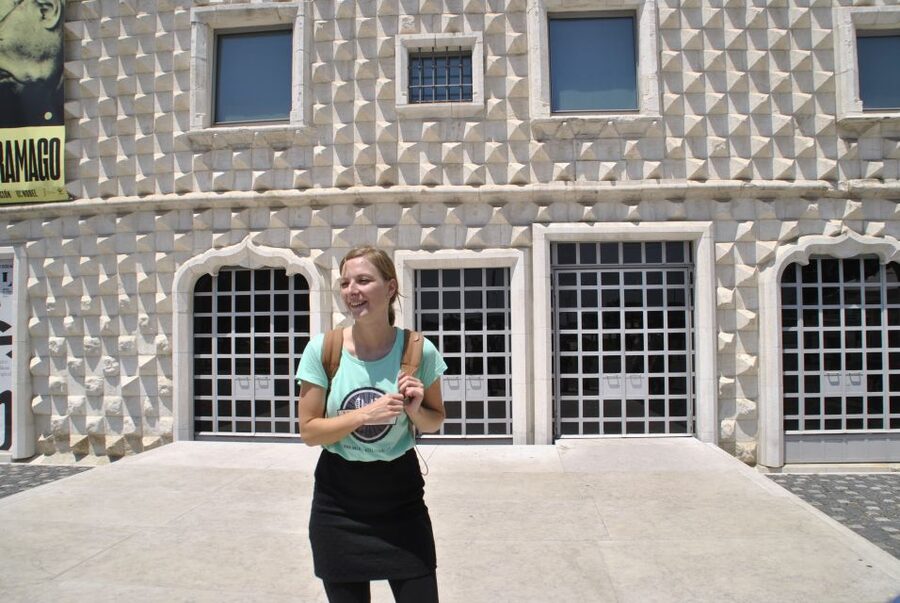
Rossio Square is one of those places where Lisbon instantly “clicks” into focus. It is busy, central, and easy to find, which makes it a smart start point for a walking tour that moves downhill early and uphill later. You’ll meet at the North Fountain, positioned between the National Theater and the Royal Statue area, so look for the guide in the mint WALK ‘N’ ROLL gear.
I like this kind of start because it helps you learn the city’s layout fast. By the time you leave Rossio, you already understand where the lower town sits and how the hills shape the streets above.
Practical tip: if you’re arriving from another part of town, aim to reach Rossio a few minutes early. The tour begins right at the meeting spot, and the streets around Rossio can funnel people in different directions.
Baixa de Lisboa plus Santa Justa, the classic view-and-story combo
Baixa de Lisboa is Lisbon’s lower-town grid, made for strolling and made for orientation. Walking here first is a gift, because it gets your legs warmed up while the guide frames what you’re seeing: how neighborhoods connect, how commerce shaped the streets, and how Lisbon rebuilt itself after major disruptions.
Then comes the Elevador de Santa Justa, one of Lisbon’s most recognizable structures. Even if you have seen photos, it lands differently in person, because you can judge its height, design, and the way it ties different levels of the city together. The tour also uses the lift area as a turning point in the story, and soon after you start moving toward the next hill.
Tile spotting starts early too. Lisbon tiles (azulejos) are everywhere, but on foot you notice the details: the colors, the way designs frame entrances and corners, and the “visual language” of the city. If you like street-level art, Baixa is where you’ll start to see the pattern.
Possible drawback here: the Santa Justa area and surrounding streets can be crowded depending on the time of day, so keep your expectations flexible about photo timing. You’ll still get the big picture.
Carmo Monastery ruins: when Lisbon history shows up as stone
Carmo Convent and the Carmo Monastery ruins are a hard stop to beat for atmosphere. You go from tidy streets and landmark facades into a space where the city’s scars are visible, and the guide explains what that means culturally, not just historically.
This is where the tour starts earning its “three hills” promise. You climb to reach the ruins, and the effort turns the ruins into a real payoff. From street level, ruins can look like a curiosity. From the walk and context you get here, they become a lesson about how Lisbon endured, rebuilt, and carried identity forward.
If you’re the type who likes to understand why buildings matter, this stop is worth the climb. The guide’s job is to connect the stones to Lisbon’s lived experience, and that is exactly what you want from a guided walk.
Practical tip: expect uneven pavement and stairs around older sites. Your shoes matter more than you think, especially if you’re planning to keep walking after the tour ends.
Chiado and Praça Luís de Camões, where Lisbon walks with its poets

Chiado is often described with romance, but on this kind of guided walk it feels practical. The guide frames it as the former poets’ quarter, and you start noticing how the neighborhood supports that reputation through street scale, viewpoints, and the way pedestrians move through the area.
You’ll also pass through Praça Luís de Camões, which gives you a natural pause in the route. Open squares are useful on walking tours because they let you reset your energy before the next climb and neighborhood shift. It is also a good place to look around and see how the neighborhood’s character changes block to block.
What I like about Chiado on foot is that it does not only feel like a postcard. You get the sense of daily Lisbon alongside the cultural nickname, and the guide usually connects those dots without turning it into a lecture.
If your priority is museums, this may not replace them. But if your priority is context and orientation, Chiado delivers.
Other trips that start in Lisbon and end well:




Bairro Alto streets and the built-in breathing break

Bairro Alto is known for nightlife, but during the day it reads more like residential life with a loud undercurrent. Walking through it with a guide helps you understand the neighborhood’s rhythm and why people experience it differently depending on the hour.
This is a good moment in the tour to see how Lisbon’s hills create street moods. Short slopes, tight lanes, and sudden openings change how far you can see and how the city “sounds.” You’ll likely feel the difference between Baixa’s order and Bairro Alto’s character quickly.
Then the route provides a break at Miradouro de São Pedro de Alcântara, with about 30 minutes to regroup. For a walking tour, this is a smart design choice. You do not just stop for photos, you get time to sit, recover, and take in the view without rushing the guide along.
The viewpoint also sets you up emotionally for Alfama. Miradouro stops tell your brain you are about to change neighborhoods again, and the city’s geography becomes part of the story, not just scenery.
Alfama and the Tagus viewpoint, the romantic part that still feels real
Alfama is where Lisbon leans into its older soul. Expect winding alleys, a more maze-like feel, and a street texture that makes the city seem built for wandering. This is also where the tour highlights one of the most beautiful viewpoints overlooking the Tagus River.
You end up with the kind of view that makes sense only after you walk the route. Coming from Baixa and the upper viewpoints, you start understanding how Lisbon stages the river into the city. The guide’s explanations help you see beyond the postcard angle and into the logic of the streets.
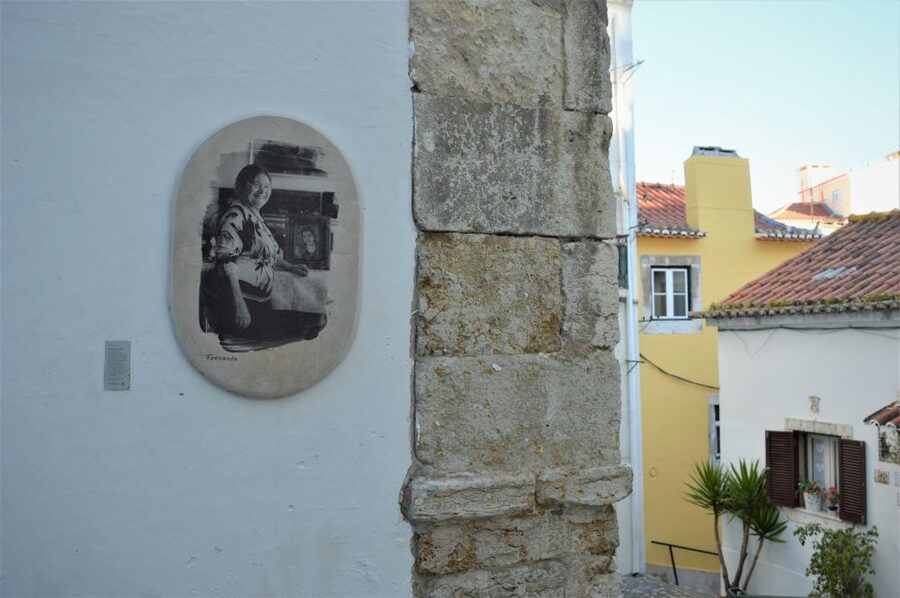
Lisbon tiles still matter here, too. In Alfama and adjacent alleys, tiles often act like wayfinding, decoration, and history all at once. On foot, you notice them as part of the architecture, not as separate museum pieces.
One more practical note: Alfama’s streets can be steep and tight. If you do not like scrambling for balance on uneven pavement, take your time and match your pace to your energy, not to the group.
Finishing at Praça do Comércio and Arco de Rua Augusta by the water

The finish is satisfying because it feels like the route closes a loop. You reach the Arco de Rua Augusta in Praça do Comércio, right on the banks of the Tagus. That riverfront ending matters, because it gives your body a different kind of sensory reset after hours of hills and neighborhoods.
Rua Augusta is also where a brief food tasting time happens. Food is not listed as included, so treat it as a short chance to sample or buy something small rather than a full meal. In practice, this is still useful because it keeps you from ending completely empty-handed or unplanned.
The arch area gives you a big visual “bookmark” for the tour. It is one of those spots where you can point back and say, that climb connected those districts, that river view makes sense now, and Lisbon’s layers are visible when you walk them.
Price and what you really get for about $47

At $47 per person for roughly 3.5 hours, the value comes from three things: a guided route that covers multiple neighborhoods, a small group size, and an included tasting. You are not just buying someone’s time, you are buying structure, context, and a walking plan that would take you longer to build yourself.
Included: you get a tour guide and a liquor tasting. Food is not included, which is normal for a walking tour where the focus is sightseeing and pacing. If you are expecting a full snack schedule, you might feel slightly underfed. If you plan for small purchases and bring water, it feels totally workable.
The max 12 participants detail is not minor. With larger groups, Lisbon walking tours can become a blur. Here, the smaller size helps the guide keep explanations clear and helps you stay oriented.
One more value point: you cover three of Lisbon’s eight hills. That is a lot of vertical effort to pack into half a day, and it is exactly why the walking format beats trying to “hop around” by yourself.
Pace, hills, and weather: how to prepare so you enjoy it
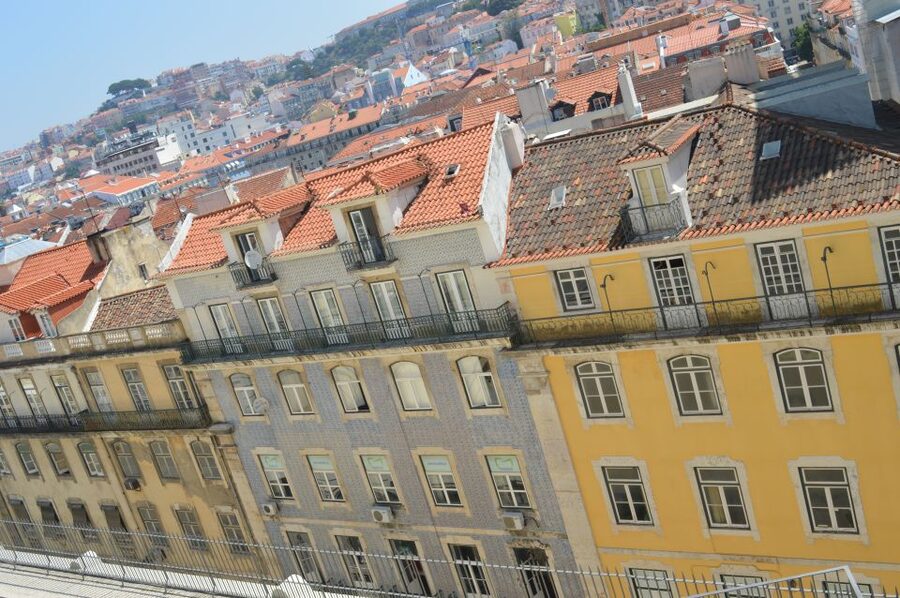
This tour takes place rain or shine, so your clothes and shoe choice are not optional. Even a light drizzle can make older streets slick, and older Lisbon streets rarely have perfectly smooth footing. Comfortable shoes, water, and sunscreen are specifically recommended, and I agree with all three.
You should also mentally prepare for hills. This is not flat-city strolling. You will climb and descend across three hills, and the tour includes at least one significant viewpoint change that tests your legs.
Also note what is not allowed: baby strollers, and luggage or large bags. If you are traveling light, you will have an easier time staying flexible through narrow alleys and crowded corners.
Not suitable for mobility impairments or wheelchair users. If that describes you, you’ll likely find the hills and cobbled terrain too demanding.
Who this walking tour fits best
You’ll probably love this tour if you:
- Want a fast, guided orientation to Baixa, Chiado, Bairro Alto, and Alfama
- Like seeing major landmarks on foot, including Elevador de Santa Justa and Carmo Monastery ruins
- Enjoy viewpoint payoffs, especially Tagus River views
- Appreciate a guide who mixes history with practical tips, which seems to be a repeated strength, including with guides like Pedro, Sara, and Melina
You might hesitate if you:
- Struggle with steep streets or uneven pavement
- Need a mostly flat route
- Expect food to be fully handled for you, since food is not included
Should you book this Lisbon center walking tour?
If you are visiting Lisbon for the first time and you want to understand the city’s neighborhoods in a single half-day, I think this is a strong choice. The small group size and the guide-led storytelling help you connect landmarks like Santa Justa and Carmo ruins to the neighborhoods around them.
Book it if your priority is walking plus context, and if you can handle hills. Skip it if you need step-free, low-effort sightseeing, because this route is very much built around walking three hills in real streets.
If you prefer flexibility, there is also a private group option, which can help you match pace and questions to your group.
FAQ
How long is the Lisbon walking tour?
It lasts about 3.5 hours.
Where do I meet the guide?
Meet at Rossio Square North Fountain, between the National Theater and the Royal Statue. The guide is wearing a mint-colored WALK ‘N’ ROLL t-shirt or carrying a mint-colored burlap bag.
How much does the tour cost?
The price is $47 per person.
What is included in the price?
You get a tour guide and a liquor tasting.
Is food included?
No. Food is listed as not included.
Does the tour run in rain?
Yes, it runs rain or shine.
What language are the guides in?
The live tour guide speaks German.
Is the tour suitable for wheelchair users or mobility impairments?
No. It is not suitable for people with mobility impairments or wheelchair users.
Is this a small-group tour?
Yes. The maximum number of participants is 12, and there is also a private tour option.
Fresh across the seven hills
- Full-day Private Tour: Fátima Sanctuary, Batalha, Nazaré, Óbidos
★ 5.0 · 6 reviews - Porto Private Tour from Lisbon
★ 4.5 · 6 reviews - VIP transfer from the airport to Lisbon hotels
★ 5.0 · 6 reviews - Lisbon Photoshoot: Capture Your Adventure
★ 5.0 · 6 reviews - Lisbon: Romantic Sunset Cruise With Wine & Portuguese Tapas
★ 5.0 · 6 reviews - Arrábida Wine Tour – 3 Wineries, Traditions & Views from Lisbon
★ 4.5 · 6 reviews - Lisbon: Sintra, Pena Palace, Belém Tour + sunset Boat Cruise
★ 5.0 · 6 reviews
Walking Tours, compared.

Best of Lisbon Small-Group Guided Walking Tour
Read our review →

Best of Lisbon Walking Tour: Rossio, Chiado & Alfama
Read our review →

Sintra & Cascais Day Tour with Pena Palace Entry and Gardens Walk
Read our review →
Lisbon Roots – Small group Food & Culture Walking Tour w/tastings
Read our review →
Starter Walking Tour to the highlights in German
Read our review →Browse the lists this tour appears in