
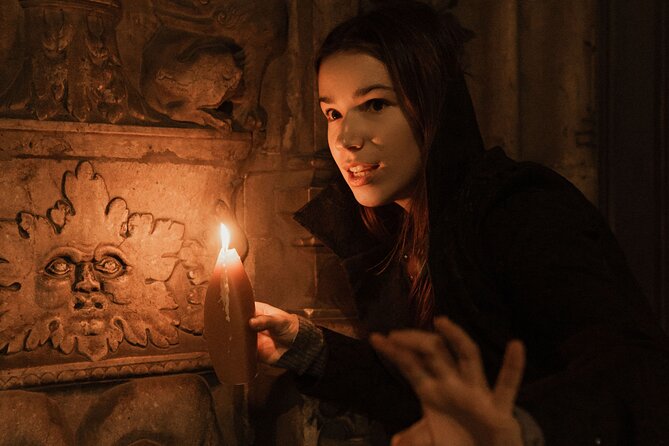
Reviewed · WALKING TOURS
Lisbon Walking Tour The Dark Unholy Secrets
Lisbon turns dark after dusk. This 1 hour 45 minute walk swaps the usual dry facts for Portuguese Inquisition storytelling, using famous stops so the city feels like a living plot. I love that it packs big highlights into one loop, including Lisbon Cathedral, without taking the whole evening.
The best part for me is the pacing and delivery. Guides like Andreia and Amanda bring energy and warmth, so the history lands as a story you can follow while you’re moving.
One catch: the route is fast and hilly, and the tone can feel more morbid than spooky. If you want gentle, slow sightseeing, this may feel intense.
In This Review
- Key highlights worth your attention
- Why a Dark-Themed Walking Tour Works in Lisbon
- The Night Route, Stop by Stop, and What You’ll Notice
- Praça Dom Pedro IV: Your welcome and the tone-setting start
- Teatro Nacional Dona Maria II: The grand facade, the story underneath
- Largo de São Domingos: a memorial mark with a why
- Igreja de São Nicolau: protagonists, roles, and consequences
- Praça do Comércio: the square that holds a darker past
- Lisbon Cathedral: lost souls and the feeling of confinement
- Miradouro de Santa Luzia: fear as a force that shapes the future
- Miradouro das Portas do Sol: a symbol with a legend, plus another wide view
- Rua das Damas: the narrow ending that fits the theme
- Price, pace, and group size: what you’re really paying for
- The dark theme: Portuguese Inquisition without the Halloween gimmicks
- When to book it in your Lisbon trip (and who it suits)
- Practical details that affect your comfort
- Should you book Lisbon The Dark Unholy Secrets?
- FAQ
- How much does the Lisbon Walking Tour The Dark Unholy Secrets cost?
- How long is the tour?
- Where do I meet and where does the tour end?
- What language is the tour offered in?
- How big is the group?
- Is free cancellation available?
Key highlights worth your attention
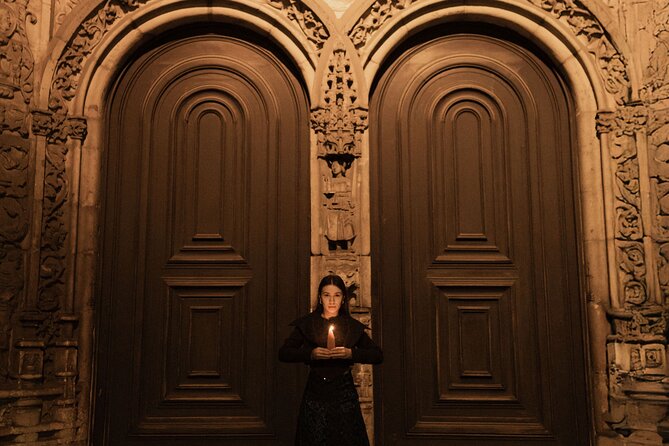
- Night-first format: a solid orientation tour that leaves your daytime open for food and viewpoints
- English group tour, up to 25: a lively size that still feels personal
- Major landmarks in 1 hour 45 minutes: you hit squares, churches, and viewpoints without planning multiple stops
- A dark angle on familiar places: Portuguese Inquisition themes tied directly to the streets you walk
- Frequent photo moments: especially around the miradouros, with quick stops for wide views
- No water bottles listed: bring your own small bottle if you tend to get thirsty on hills
More Lisbon miradouros linked on foot:
- Lisbon: History, Stories and Lifestyle Walking Tour★ 4.8 · 10,902 reviews
- Best of Lisbon Small-Group Guided Walking Tour★ 5.0 · 4,869 reviews
- Lisbon: Food and Wine Small Group Walking Tour★ 4.9 · 4,082 reviews
- Best of Lisbon Walking Tour: Rossio, Chiado & Alfama★ 4.9 · 2,700 reviews
Why a Dark-Themed Walking Tour Works in Lisbon
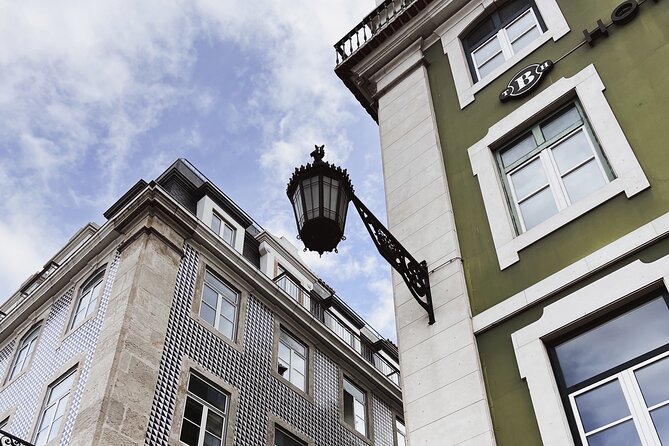
Lisbon has plenty of tours that tell you what happened. This one tells you how it felt, and it uses the city as the stage. Instead of treating Lisbon like a museum with footnotes, it turns everyday corners into clues, so the streets you’d normally pass become part of a darker narrative.
You’ll cover classic sights quickly, but the format is what makes it click. You are walking the whole time, hearing the story as you move from square to church to viewpoint. That matters, because Lisbon is best understood by rhythm, not by reading a plaque. At night the streets feel tighter, the shadows feel longer, and the pace keeps the story from turning into a lecture.
I also like the value angle. At about $34.84 per person for roughly 1 hour 45 minutes, you get a structured route with an actual guide, rather than trying to piece together your own “dark Lisbon” itinerary. Add in that the tour notes free admission at each main stop, and it becomes a lower-friction way to get into the places you might hesitate to visit on your own.
Just keep your expectations realistic. This is more about chilling historical themes than about jump-scare entertainment. If you’re hoping for a fully haunted, ghost-story style tour, you might find it more grounded and historical than theatrical.
The Night Route, Stop by Stop, and What You’ll Notice
The walk starts at Praça Dom Pedro IV (Praça Dom Pedro IV 7) and ends at Rua das Damas. That end point is a clue to the tone: you’re finishing in a narrow, shadowed lane that fits the theme.
Here’s how the story unfolds, and what to pay attention to at each stop.
Praça Dom Pedro IV: Your welcome and the tone-setting start
You begin in the big, open setting of Praça Dom Pedro IV, where the guide gets you oriented and sets the rules of the night. This first stop is short, so think of it as a doorway. You get the framing for what you’re about to hear, and the tour usually quickly turns the discussion toward the darker thread that links the later places.
Practical tip: stand where you can see the guide without turning your back to traffic. This square is central, and you’ll want your footing when the group starts moving.
Teatro Nacional Dona Maria II: The grand facade, the story underneath
Next is Teatro Nacional Dona Maria II. On the surface it’s classic theater architecture and a landmark many people recognize. The tour playfully reframes it, nudging you to look past the polished exterior and toward the power dynamics and reputations that shaped Lisbon.
This stop works because it’s a reminder that institutions are not neutral. During the walk, you’ll keep hearing the theme that authority and fear can travel together, and theater, in a city like Lisbon, isn’t only art. It’s also public image.
A drawback: if you hate standing around, this is one of those stops where you’ll want to stay alert. The group keeps moving, and the stop is brief.
Other trips that start in Lisbon and end well:


Largo de São Domingos: a memorial mark with a why
At Largo de São Domingos, the tour focuses on a memorial marker. The key is not just seeing the plaque, but understanding the chain of events that led there. You’ll get a sense that public memory in Lisbon is selective, and the tour uses that idea to push you into the darker story.
This is also one of the good “listen closely” moments. Because the stop is relatively quick, the details the guide highlights are the difference between a forgettable minute and a moment you’ll remember later when you walk by in daylight.
Igreja de São Nicolau: protagonists, roles, and consequences
Then you reach Igreja de São Nicolau. Here the focus shifts toward the protagonists of the story, meaning the people caught in the machinery of fear. Churches like this are easy to treat as background architecture while you rush to the next landmark. The tour flips that by making the building part of the narrative, not just a setting.
If you enjoy human stories more than dates, this stop tends to land well. You’re not only learning what happened, you’re hearing how people became targets, and how reputations could be manipulated.
Praça do Comércio: the square that holds a darker past
Praça do Comércio is one of Lisbon’s signature squares, wide and bright by day. At night, with the guide’s framing, it becomes something else: a place to connect scale with consequence.
The tour ties the square’s history to fear and political power. That combination is what makes this stop effective. You’re standing in a location that feels open, but the story explains how events tied to control and punishment can happen in spaces that look inviting.
Photo note: this is a great place to snap a wide shot, but don’t let the camera distract you too long. The group keeps a steady rhythm.
Lisbon Cathedral: lost souls and the feeling of confinement
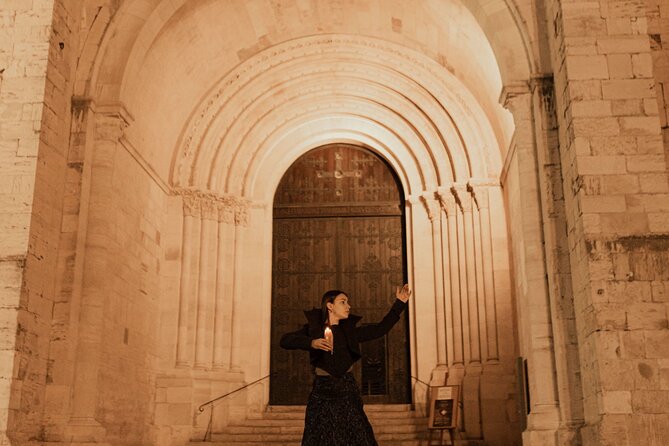
Next comes Lisbon Cathedral. This stop leans into the emotional side of the theme, using the idea of trapped souls and the suffocating darkness of the story. You’re not walking into a horror attraction. You’re hearing how fear and religious authority were experienced and remembered.
The value here is perspective. After the talk at the cathedral, the rest of Lisbon starts to feel like it has an underlayer, even in places you think of as purely scenic. That’s why this stop works as a turning point.
If you are sensitive to grim themes, you’ll want to pace yourself here. The tour’s tone is consistent, but the cathedral stop is where the atmosphere tends to feel most intense.
Miradouro de Santa Luzia: fear as a force that shapes the future
At Miradouro de Santa Luzia, you get a break from the dense streets and the tight narrative. This is a viewpoint stop, but the guide keeps the connection to the “fire of fear” theme, explaining how fear and punishment can alter a city’s future.
This stop is a good match for Lisbon. The city’s layered views make the story feel larger than one building. Even if you’re not a history buff, you can sense how power left physical marks on urban life, not only written records.
Practical tip: viewpoints can be crowded at night. If the group presses forward, keep your space on the edges so you can still listen and take photos.
Miradouro das Portas do Sol: a symbol with a legend, plus another wide view
Then it’s Miradouro das Portas do Sol, with another panoramic view. The tour adds a legend tied to the symbol of Lisbon. This is where you get something lighter, not because it’s happy, but because it returns the story to identity and symbolism.
You’ll likely get a moment to breathe, look over the city, and let the dark narrative settle into your imagination rather than your ears.
If you’re short on stamina, this stop is one you can treat as your “reset.” Keep listening, but you can also just take in the scene for a minute.
Rua das Damas: the narrow ending that fits the theme
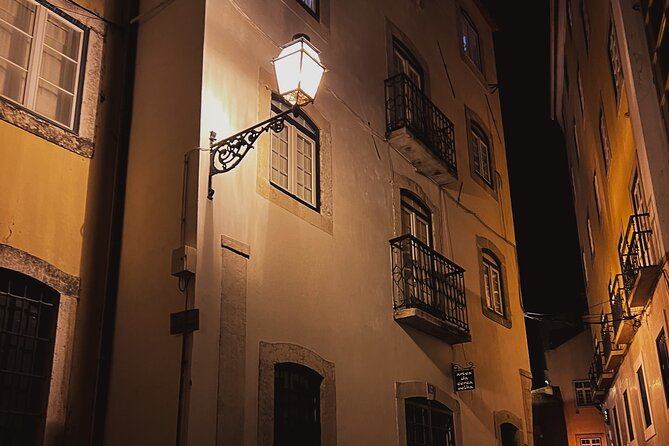
The final stop is Rua das Damas, a narrow street that matches the tour’s mood. This is where the story points toward the chilling end of the Portuguese Inquisition narrative thread.
Ending here makes sense. You go from open squares and big viewpoints into a tight lane, and the theme of confinement becomes physical. By the time you reach the end, you’re not only remembering the facts, you’re feeling the city’s texture.
For photos, try to position yourself so you’re not blocking the path for others. The lane can feel packed, even with a small group.
Price, pace, and group size: what you’re really paying for
At $34.84 per person, you’re paying for a guided story route, not for museum tickets. The tour notes free admission at each of the main stops, so you’re not juggling extra entry costs while you’re on your feet.
You’re also buying time. A 1 hour 45 minutes walking tour is long enough to connect locations, but short enough that you won’t blow up the rest of your evening plans. That’s a real advantage in Lisbon, where you can easily waste time moving between neighborhoods without a plan.
Group size is capped at 25 people, which is big enough to feel social, but small enough that the guide can keep the flow. You should still expect a group dynamic. The tour keeps moving, and you’ll be on uneven sidewalks and hills at a fairly quick tempo.
Comfort matters here. One review detail that comes up clearly is that it’s a lot of walking at a fast pace with hills. So wear shoes with grip, and don’t plan to wear uncomfortable soles just because you want your night outfit to look sharp.
Also, water bottles are not included. If you’re the kind of traveler who needs frequent sips, bring a small bottle. And if you think you’ll need a quick bathroom break, plan it before the tour starts, because this is a continuous walk.
The dark theme: Portuguese Inquisition without the Halloween gimmicks
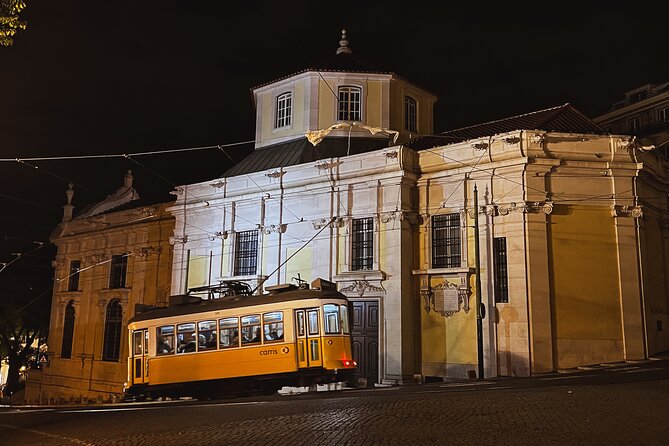
This tour’s specialty is the Portuguese Inquisition angle. You’ll learn how it operated, and you’ll also hear how people were affected, which is where the story can turn grisly, shocking, sad, and surprising depending on the moment.
The upside is that the subject is woven directly into real neighborhoods. You’re not just hearing about institutions in the abstract. You’re hearing it in the same spaces where those themes linger in memory and architecture.
The other upside is the storytelling style. Guides such as Andreia and Amanda are described as animated and friendly, and that matters when the material is heavy. You want an approach that keeps the group engaged and doesn’t make you feel like you’re trapped in a classroom after dark.
One honest consideration: this is morbid history more than a ghost-story performance. If you’re hoping for spooky folklore or dramatic paranormal moments, you might feel the tour leans more toward real events and political context than pure fright.
A smart approach is to treat it like emotional history. Bring curiosity and a calm mind, and you’ll likely come away feeling like you understand why Lisbon looks the way it does, not just what it’s called.
When to book it in your Lisbon trip (and who it suits)
I love doing this kind of night orientation tour early in a trip. It’s not just about being entertained. It’s about learning your bearings quickly. After a tour like this, your first self-guided walk through central Lisbon feels easier, because you’ve already walked the connective tissue between landmarks.
Night tours also help you avoid splitting your schedule. In Lisbon, you can spend daylight hours on viewpoints and food. Then, at night, you get the story component that makes the whole place feel deeper.
Who it suits best:
- You want a structured route without planning
- You like your history tied to places, not just facts
- You’re comfortable with intense themes and dark subject matter
Who should think twice:
- You prefer slow, scenic strolling with minimal intensity
- You want something clearly spooky or supernatural rather than historical
- You have limited mobility or struggle with steep hills and stairs, since the pace is described as fast
If you come for the views at Santa Luzia and Portas do Sol, you’ll get them. If you come for the story, you’ll get that too. The tour works because it doesn’t treat scenery as decoration. It treats scenery as evidence.
Practical details that affect your comfort
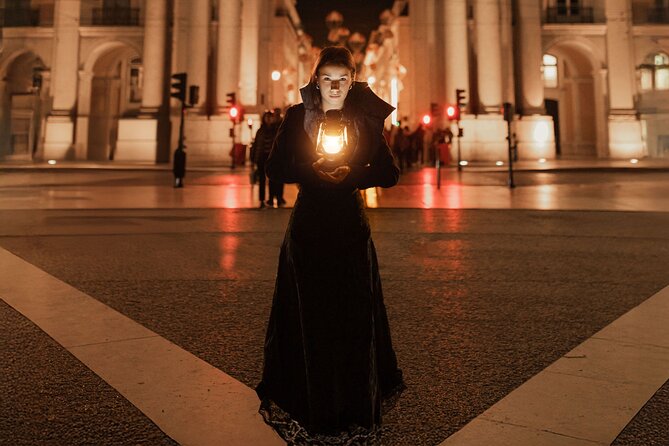
You meet at Praça Dom Pedro IV 7 and finish at Rua das Damas. The end location is walkable for more wandering, but plan your next stop with your energy in mind.
The tour is offered in English, and you get a mobile ticket. Confirmation is received at booking, and service animals are allowed. It’s also near public transportation, which can help if you need to adjust your plan.
One last practical note: because the pace is brisk, keep your phone for photos and route checks, not for reading long explanations. Let the guide do the heavy lifting. You’ll get more out of it, and you’ll keep the group flow smoother.
Should you book Lisbon The Dark Unholy Secrets?
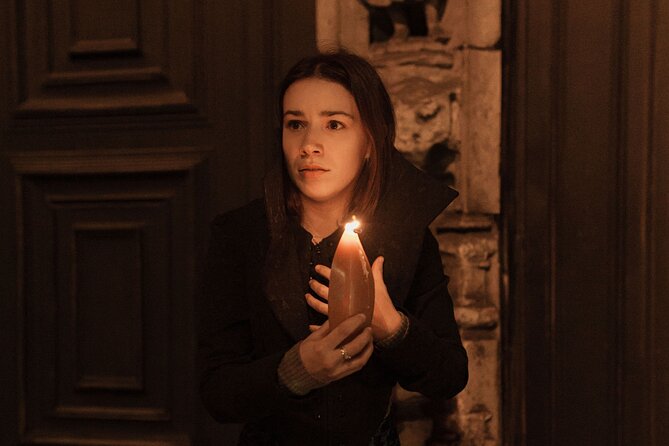
Book it if you want a fast, guided, night walk that ties famous Lisbon landmarks to the Portuguese Inquisition story. It’s strong value for the time, and the storytelling angle makes the city feel different in a way a standard walking tour often doesn’t.
Skip it if you want a gentle, relaxing stroll or a truly spooky, ghost-centric experience. This tour stays grounded in dark history, and it moves with purpose.
My rule of thumb: if you’re curious and you can handle hills, it’s a smart first-night activity. You’ll leave with a sense of Lisbon that goes beyond pretty streets, and you’ll understand why certain places feel charged even when they look calm.
FAQ
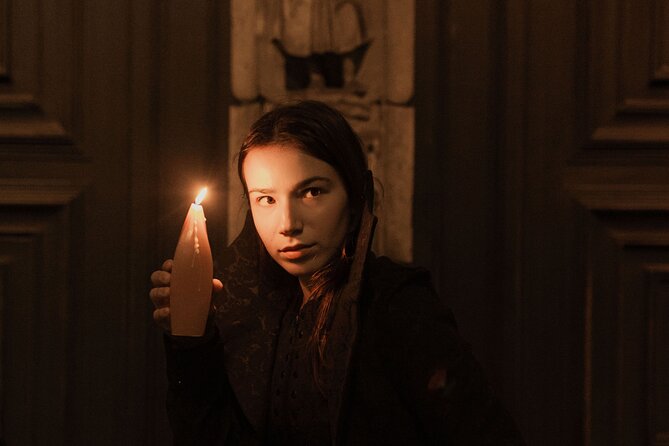
How much does the Lisbon Walking Tour The Dark Unholy Secrets cost?
The tour price is listed as $34.84 per person.
How long is the tour?
It lasts about 1 hour 45 minutes.
Where do I meet and where does the tour end?
You start at Praça Dom Pedro IV 7, 1100-581 Lisboa, Portugal. The tour ends at Rua das Damas (R. das Damas, 1100 Lisboa).
What language is the tour offered in?
The tour is offered in English.
How big is the group?
The tour has a maximum of 25 travelers.
Is free cancellation available?
Yes. You can cancel for a full refund up to 24 hours in advance of the experience start time.
Fresh across the seven hills
- Private Tour from Porto to Lisbon with Stops
★ 5.0 · 6 reviews - Lisbon: Private Highlights Tuk-Tuk Tour with Tapas and Wine
★ 5.0 · 6 reviews - Lisbon: The Ultimate Food Tour with a Local
★ 3.7 · 6 reviews - Treasures of Lisboa : Alfama Food Tour with 18 Tastings
★ 5.0 · 6 reviews - Lisbon: Portuguese Petiscos Cooking Class
★ 4.7 · 6 reviews - Seixal Sailing Cruise – Lunch in a typical restaurant
★ 5.0 · 6 reviews - Nature, Wines and Ceramic Tiles: Private Tour
★ 4.0 · 6 reviews
Walking Tours, compared.
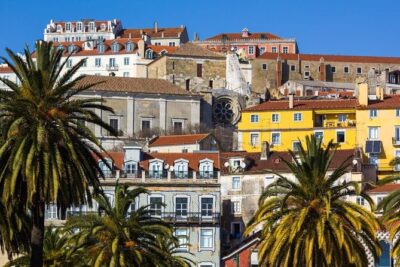
Best of Lisbon Small-Group Guided Walking Tour
Read our review →
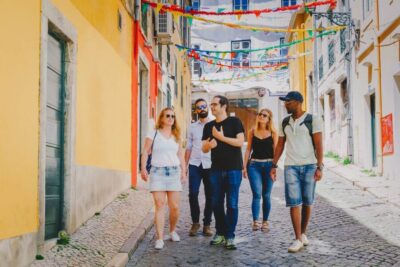
Best of Lisbon Walking Tour: Rossio, Chiado & Alfama
Read our review →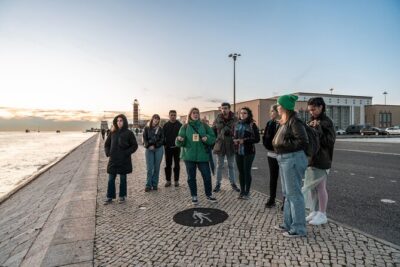

Sintra & Cascais Day Tour with Pena Palace Entry and Gardens Walk
Read our review →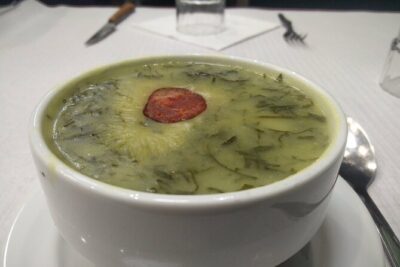
Lisbon Roots – Small group Food & Culture Walking Tour w/tastings
Read our review →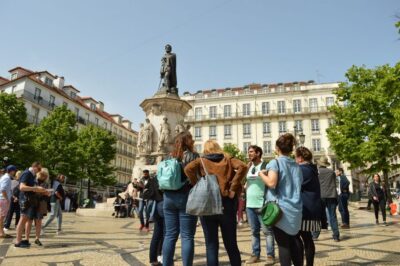
Starter Walking Tour to the highlights in German
Read our review →Browse the lists this tour appears in