
Reviewed · WORKSHOPS
Portuguese Pastry Workshop in Lisbon
Pastel de Nata tastes better when you make it. In Lisbon, this hands-on pastry workshop has you cook two classic region favorites, Pastel de Nata and Travesseiro de Sintra, then eat your work with drinks and stories. You also learn why these sweets mattered to Portuguese culture.
I love that the lesson is truly from scratch, including the puff-style pastry work done by hand, not just assembly. I also like that the group stays small, capped at 6 people, so your teacher can correct your technique while you work. In past sessions, instructors have included Filipa and Maria, which adds to that friendly, patient feel.
One consideration: the tasting includes alcoholic drinks like Porto wine or Ginja liquor. If you are traveling with kids or you avoid alcohol, plan your expectations around that part of the experience.
In This Review
- Key things I think are worth your attention
- Why a Lisbon pastry workshop beats another food stop
- Casa dos Ovos Moles em Lisboa, the shop where tradition matters
- Pastel de Nata, learning the pastry and not just the filling
- Travesseiro de Sintra, a second specialty with real hands-on time
- The tasting setup, Porto or Ginja with coffee and tea
- Class length, meeting point, and the real meaning of a 3 pm start
- Small group lessons, why max 6 actually changes the experience
- Price and value in Lisbon: what $96.55 really covers
- Weather and expectations, the practical stuff
- Should you book this Portuguese pastry workshop?
- FAQ
- How long is the Portuguese pastry workshop in Lisbon?
- What is the price per person?
- What pastries will I learn to cook?
- What does the class include?
- Does it include transportation?
- Where do I meet for the workshop?
- What time does the workshop start?
- How big is the group?
- Is the workshop offered in English?
- What if the weather is bad?
- Is there free cancellation?
Key things I think are worth your attention
- Two famous pastries in one 2-hour session, Pastel de Nata plus Travesseiro de Sintra
- Hands-on dough work from scratch, including the pastry layers you make by hand
- A tiny group (max 6), which makes it easier to ask questions and get feedback
- Wine, liqueur, coffee, and tea served with your tasting
- Monastery-style origin stories, with context for how Portuguese pastries developed
- Central Lisbon meeting point near public transit, at Calçada do Sacramento 25
Some other seven-hills days worth pricing up
- Lisbon: Pastel de Nata Baking Class★ 4.9 · 2,106 reviews
- Lisbon: Traditional Portuguese Cooking Class★ 4.9 · 592 reviews
- Pastel de Nata Pastry Class: Bake and Enjoy Your Own Treats★ 5.0 · 485 reviews
- Lisbon: 2-Hour Pastel de Nata Cooking Class★ 4.8 · 461 reviews
Why a Lisbon pastry workshop beats another food stop
Lisbon has plenty of places to buy custard tarts and flaky pastries. This class is different because you are not just eating, you are building the pastry with your own hands, step by step. That matters because many people think pastel de nata is easy, then reality hits when the pastry and filling need to be right.
The best part is how quickly the learning turns into something you can taste. You cook first, then sit down with drinks and enjoy what you made. It is a satisfying mix of craft time and payoff time, and it works well for first-timers.
Also, the size is small. When a workshop is crowded, you spend most of your time waiting. Here, the class limit keeps the energy calm and practical, the way a good kitchen lesson should feel.
Casa dos Ovos Moles em Lisboa, the shop where tradition matters
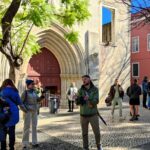
You meet at Casa dos Ovos Moles em Lisboa, located at Calçada do Sacramento 25. The shop is a specialized place, focused on the Portuguese tradition of Ovos Moles, described as having around 500 years behind it. Even though the class focuses on two other desserts, this context gives you a sense of where the passion comes from.
Several participants highlight how the setting feels charming and personal rather than industrial. And because it is a real pastry shop, you learn in an environment that is already built for food prep, tools, and workflow. That reduces the usual workshop friction where you wonder if the instructor is juggling too much.
The other thing I like here is that you do not just get a recipe. You get the story, including the idea that these Portuguese pastries have roots in monastery life. That kind of context can turn a snack into something you remember, because you understand the why behind the technique.
Pastel de Nata, learning the pastry and not just the filling
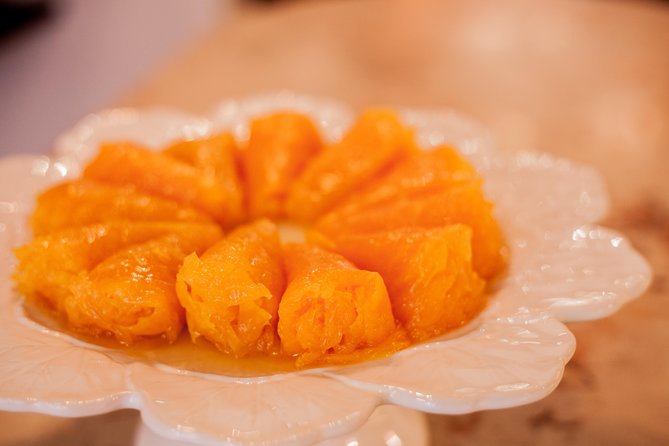
Pastel de Nata is the star attraction for many people in Lisbon. In this workshop, you do more than form a tart shell and hope for the best. You learn the whole process from scratch, including the puff work done by hand.
That detail is important. Puff pastry and flaky dough work is where a lot of home attempts go wrong. The class format is built so you can watch technique, try it yourself, and correct it while you are still in the learning phase. If you like baking as a hobby, you will probably come away with a new respect for why authentic pasteis de nata takes practice.
You also get to see what the finished texture is supposed to be. When you can compare your result to the intended outcome, your brain connects the steps to the final payoff. That is one reason the class ends with tasting what you produced, not a separate cookie-cutter moment.
Travesseiro de Sintra, a second specialty with real hands-on time
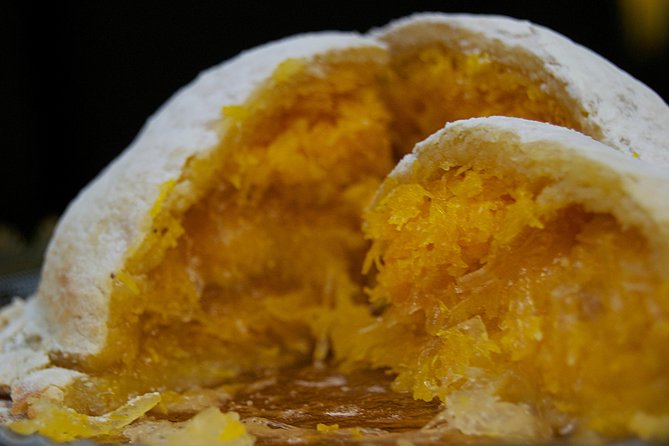
Alongside Pastel de Nata, you make Travesseiro de Sintra. The lesson keeps it structured so you are working on two desserts during the same session, rather than sitting through a long stretch for one dish only.
This second pastry is a great counterbalance. It helps you practice a different shape and a different pastry approach while still staying within the same overall theme of Portuguese sweets. Reviews also mention that the instruction covers both dough and fillings, so you are not stuck only on the outer crust.
You will likely notice how much time you spend actively working. That is a big reason people report the class as fun for both adults and teenagers. If you enjoy cooking, you get engagement, not just observation.
Other trips that start in Lisbon and end well:



The tasting setup, Porto or Ginja with coffee and tea
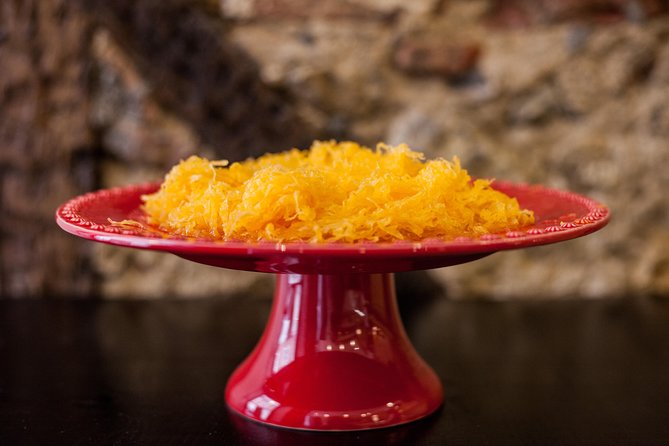
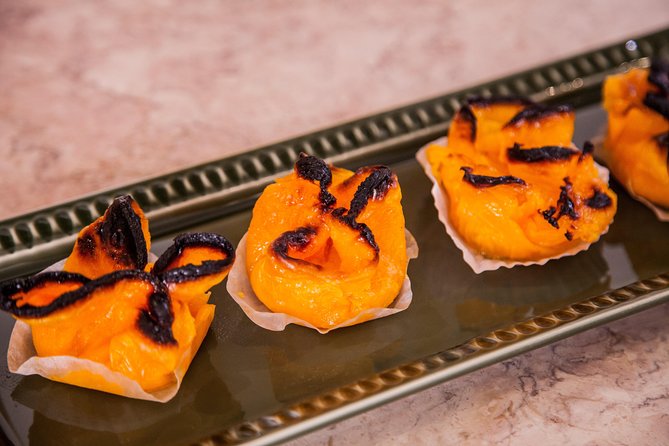
The workshop ends with a tasting plate featuring the two pastries you make. Your dessert course includes Porto wine or Ginja liquor, plus coffee and or tea. Snacks and non-alcoholic drinks are also part of the session, so the pace is not just sugar and nothing else.
What I find practical about this setup is that it gives you a quick calibration. You can taste the finished pastries while the process is still fresh in your mind. If you want to recreate it later, that matters. You remember how it should taste, not only how it looked.
One small heads-up: the alcoholic drink is part of the tasting. If you are traveling with kids, teens, or anyone avoiding alcohol, I suggest you plan to treat the tasting as a shared moment with non-alcoholic coffee and tea doing the heavy lifting.
Class length, meeting point, and the real meaning of a 3 pm start
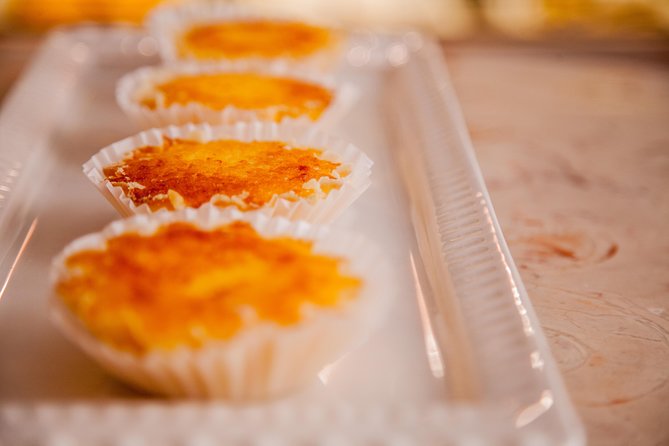
The session runs about 2 hours. The listed start time is 3:00 pm, and class times differ depending on the day of the week. That means it is easier to fit into an afternoon than a tight morning schedule, especially if you want something different from sightseeing.
You meet at Calçada do Sacramento 25, and the activity ends back at the meeting point. That is a simple setup, but it also matters because you do not lose time with long commutes. It keeps the workshop feeling like a compact plan inside your Lisbon day.
You are also in a central spot with access to public transportation. If you are already on foot exploring the Alfama and nearby areas, it is the kind of stop that fits naturally between viewpoints and dinner.
The workshop is offered in English, so you can follow the steps without needing Portuguese baking vocabulary. And since the group is capped at 6, the instructor can keep directions clear without rushing everyone.
Small group lessons, why max 6 actually changes the experience
A max group size of 6 is not just a nice marketing line. In a hands-on class, it changes how much personal attention you get. With fewer people, the teacher can watch your hands, notice small issues early, and help you fix them before the pastry has gone too far.
That is one reason many people call out the instruction style as patient. Several names show up in the notes from past sessions, including Filipa and Maria, along with Filipe. While the exact instructor can vary, the common theme is supportive teaching with lots of time for questions.
Also, small groups make it easier to connect with other people in the room. You will not feel like you are stuck talking to strangers while waiting your turn. Instead, you get that cozy kitchen-group feeling where everyone is working and sharing the same moment.
Price and value in Lisbon: what $96.55 really covers
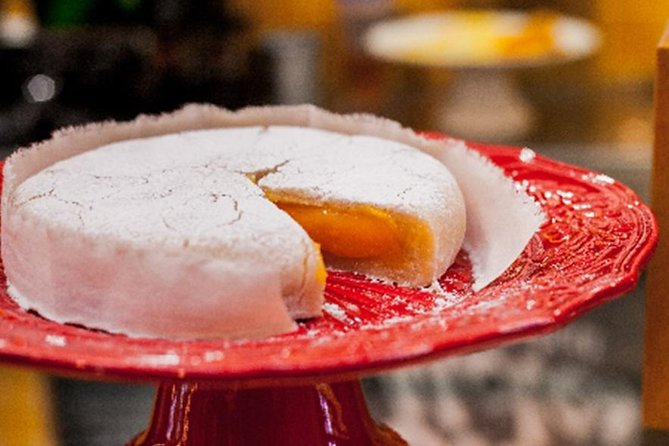
At $96.55 per person for around 2 hours, this is not a budget activity. But it is also not priced like a private cooking experience. So the key question is what you get for the money, and here the value is in the full package.
You get:
- Two pastries made from scratch with guidance
- Drinks with the tasting, including Porto wine or Ginja liquor
- Snacks plus coffee and or tea
- A small-group format capped at 6
- A mobile ticket, so check-in is straightforward
That is a lot more than a tasting class where you mostly watch. You are paying for technique time, ingredients, and the finished product you take pride in. And since you end by eating what you made, you are not paying just for education, you are also paying for a real food experience.
If you are deciding between this and another “just eat” stop, I would lean toward this workshop if you want a Lisbon memory you can recreate at home. If you simply want quick dessert sampling with no cooking, you might find other options easier and cheaper.
Weather and expectations, the practical stuff
The workshop requires good weather. If it is canceled due to poor weather, you are offered another date or a full refund. It is worth checking before you leave for the day, especially if your afternoon plans are tightly built around one start time.
Also keep in mind that the class is set to a single meeting point and returns you there. That is great for planning, but it means you should not schedule a museum you care about immediately after. Give yourself a little buffer for getting back out and into dinner mode.
Finally, because there is alcohol in the tasting, think about who in your group is comfortable with that. The class is described as fun even for young teens in at least some families, but the drink element is still part of the experience.
Should you book this Portuguese pastry workshop?
If you are a food lover who likes learning by doing, I think you should book. You get two of Lisbon’s most recognizable pastries in one focused session, and you do real work, not just watching. The small group size also makes it feel personal, which is often the difference between a fun class and a frustrating one.
You might skip it if you only want to taste without cooking, or if you do not want alcohol involved in the main tasting. In that case, you could still enjoy Lisbon desserts on your own at a lower cost.
But if you want a practical, hands-on way to experience Portuguese pastry culture, this is a strong choice. You leave with the satisfaction of making something flaky and real, plus drinks and stories that help you understand why these sweets became part of Lisbon identity.
FAQ
How long is the Portuguese pastry workshop in Lisbon?
It runs for about 2 hours.
What is the price per person?
The price is $96.55 per person.
What pastries will I learn to cook?
You will learn to cook two Portuguese pastries: Pastel de Nata and Travesseiro de Sintra.
What does the class include?
It includes beverages, food tasting, snacks, coffee and or tea, and alcoholic beverages.
Does it include transportation?
No. Transportation to and from attractions is not included.
Where do I meet for the workshop?
The meeting point is Calçada do Sacramento 25, 1200-393 Lisboa, Portugal.
What time does the workshop start?
The start time is listed as 3:00 pm, and class times can differ depending on the day of the week.
How big is the group?
The maximum is 6 people per booking.
Is the workshop offered in English?
Yes, it is offered in English.
What if the weather is bad?
The workshop requires good weather. If it is canceled due to poor weather, you will be offered a different date or a full refund.
Is there free cancellation?
Yes. You can cancel up to 24 hours in advance for a full refund.
Fresh across the seven hills
- Full-day Private Tour: Fátima Sanctuary, Batalha, Nazaré, Óbidos
★ 5.0 · 6 reviews - Porto Private Tour from Lisbon
★ 4.5 · 6 reviews - VIP transfer from the airport to Lisbon hotels
★ 5.0 · 6 reviews - Lisbon Photoshoot: Capture Your Adventure
★ 5.0 · 6 reviews - Lisbon: Romantic Sunset Cruise With Wine & Portuguese Tapas
★ 5.0 · 6 reviews - Arrábida Wine Tour – 3 Wineries, Traditions & Views from Lisbon
★ 4.5 · 6 reviews - Lisbon: Sintra, Pena Palace, Belém Tour + sunset Boat Cruise
★ 5.0 · 6 reviews
Workshops, compared.
Pastel de Nata Pastry Class: Bake and Enjoy Your Own Treats
Read our review →
Lisbon Portuguese Cooking Class with 3-Course Dinner
Read our review →

Traditional Portuguese Cooking Class in Lisbon
Read our review →
Browse the lists this tour appears in