
Reviewed · PASTéIS DE NATA TOURS
Pastel de Nata Cooking Class in a Lisbon Pastry Shop
Custard tarts get technical fast. In Lisbon, this Pastel de Nata cooking class at Casa dos Ovos Moles turns a famous snack into a hands-on lesson, with wine and local liqueur included.
Two things I really like: you work in a tiny group with Filipa providing detailed, patient coaching, and you make the tarts from scratch, not just assemble something pre-made. There is also a built-in history moment so the pastry feels more like Portuguese culture than just a dessert.
One drawback to consider is the price. At $99.72 per person for about 1 hour 30 minutes, it is best if you genuinely want to cook, not just snack and watch.
In This Review
- Key highlights worth choosing this class for
- Casa dos Ovos Moles, right where you can pair baking with Lisbon wandering
- Who is in charge: meeting Filipa and getting the Pastel de Nata story
- From dough to pastry: the technique lesson you will actually remember
- Filling and shaping: building tarts that bake up right
- The tasting portion: port, ginja, wine, and what it adds to the class
- How long it takes and how to plan your afternoon
- The price question: $99.72 for a Lisbon pastry class, does it make sense?
- Who this Pastel de Nata workshop is best for
- Should you book this Pastel de Nata class in Lisbon?
- FAQ
- How long is the Pastel de Nata cooking class in Lisbon?
- What language is the class taught in?
- Is this class for kids?
- What drinks are included with the Pastel de Nata?
- What is the maximum group size?
- Is there free cancellation?
Key highlights worth choosing this class for
- Small group setting (max 6): more hands-on time and quicker help when your dough or filling goes sideways
- Filipa’s step-by-step approach: clear instructions and corrections without the vibe turning stressful
- From-scratch Pastel de Nata: puff pastry and custard work with real technique, not shortcuts
- Included tasting drinks: port wine and a shot of ginja, plus wine and other beverages with the meal
- History built into the session: you learn why this tart matters in Portugal while you cook
- Family-friendly for ages 12+: a real cooking activity, not a kids-only performance
More custard tarts, warm from the oven:
- Lisbon: Pastel de Nata Baking Class★ 4.9 · 2,106 reviews
- Pastel de Nata Masterclass at a Real Bakery in Downtown Lisbon★ 5.0 · 491 reviews
- Pastel de Nata Pastry Class: Bake and Enjoy Your Own Treats★ 5.0 · 485 reviews
- Lisbon: 2-Hour Pastel de Nata Cooking Class★ 4.8 · 461 reviews
Casa dos Ovos Moles, right where you can pair baking with Lisbon wandering
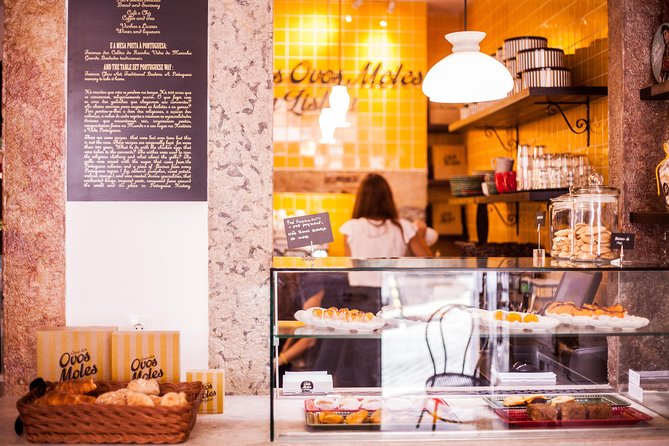
This class takes place in a working pastry shop, Casa dos Ovos Moles, with the action centered around one meeting point: Calçada do Sacramento 25, 1200-393 Lisboa. The start time is 3:00 pm, and the experience ends back at the same spot, which makes it easy to plan the rest of your evening.
The area is walkable and close enough to major sights that you can often fit in extra sightseeing before or right after your class. One person even mentioned being able to pop in for more castle-area views immediately afterward, which tells you the location is good for combining food time with real Lisbon time.
Because it is near public transportation, you do not have to plan your day around a long taxi ride or tricky logistics. A mobile ticket is provided, and confirmation comes at booking, so you can keep things simple when you arrive.
One more practical note: since this is cooking, plan your day so you are not rushing. The best experience happens when you can focus for the full session and actually get your hands into the process.
Who is in charge: meeting Filipa and getting the Pastel de Nata story
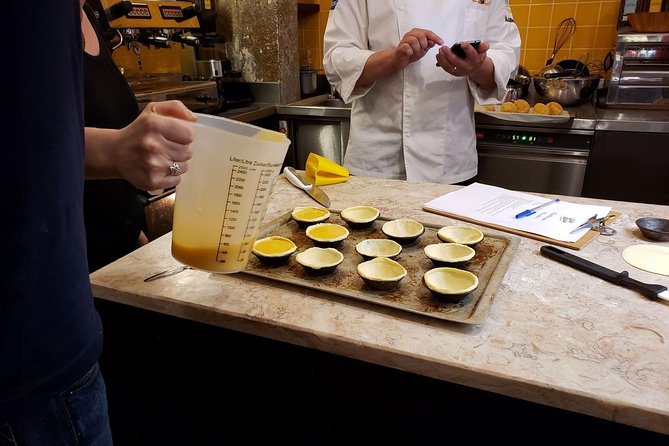
You come in to learn Pastel de Nata in English, and the session is led by Filipa, who also serves as the heart of the shop’s teaching style. In a class this short, that kind of leadership matters because you need clear, fast instruction, and you want corrections when you handle dough.
The format is hands-on and interactive, but it is still a shop setting. That means you are not stuck in a lecture room, and you are not just watching someone else work. You also get the cultural backstory of the tarts while cooking, which is one of those details that turns dessert into something you can talk about at dinner later.
Small group size is a big part of why this works. With a maximum of 6 travelers, you are more likely to get attention when you need it, instead of waiting your turn for a teacher to look at your tart. Reviews consistently highlight how welcomed people feel, and how Filipa corrects technique in a friendly way.
A nice touch for families: the class is suitable for kids 12 years and older, and the instruction is described as adaptable. If you are cooking with a teen who is food-curious but not super patient, this matters.
From dough to pastry: the technique lesson you will actually remember
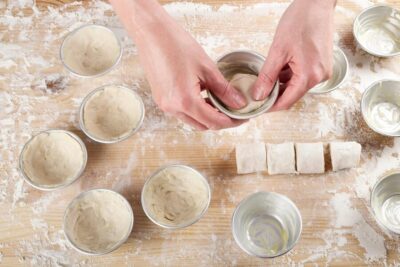
The headline promise is making the famous Portuguese custard tarts from scratch, and that is exactly what you should expect. You learn the techniques for the pastry and the filling, and the class is described as hands-on all the way through. One review even pointed out that many big shops are machine-driven, while this is fully by hand.
Here is what to understand before you go: Pastel de Nata is not quick comfort food. Even when it looks simple, it is a pastry that depends on careful handling. One person noted how moving the dough without breaking it looked effortless, but required practice, and you will feel that too once you start rolling and shaping.
Also, do not assume you personally make every single component end-to-end like a solo project. One review clearly described it as a team exercise where everyone gets a turn on parts of the process. That is good news because it keeps the group moving and ensures each person has something meaningful to do.
When the teacher is walking you through dough work, watch for these practical cues:
- Pace yourself with sticky steps, so you do not get flustered later
- Listen for how the dough should look, not just how it should feel
- Ask questions when your dough seems to be fighting you, because quick corrections matter
If you have never handled puff pastry style dough before, you are in the right place. The whole point of a class like this is learning technique with someone there to help you adjust.
Filling and shaping: building tarts that bake up right
Once the pastry work is underway, the focus shifts to the custard side of the tart. Reviews describe the class as teaching how to make both the puff pastry and the filling from scratch, and that matters because the custard is where a lot can go wrong if your process is rushed.
This is the part of Pastel de Nata that makes the tart so iconic. The custard needs the right texture so it sets properly in the oven and stays creamy instead of turning grainy or watery. Even without you knowing the technical terms, you will learn how to handle the filling step and how to prepare your tart shells correctly.
Because the group is small, you are more likely to get immediate feedback on your shapes and portioning. That can be the difference between learning and frustration. Multiple reviews praised how Filipa corrects mistakes without making people feel bad, and that tone is important when you are learning something that really does take practice.
One thoughtful detail from the class experience is that it ends with eating what you made while it is fresh. That gives you a direct sense of how the dough and filling choices add up in the final tart, instead of sending you home with disappointment.
Some other seven-hills days worth pricing up

The tasting portion: port, ginja, wine, and what it adds to the class
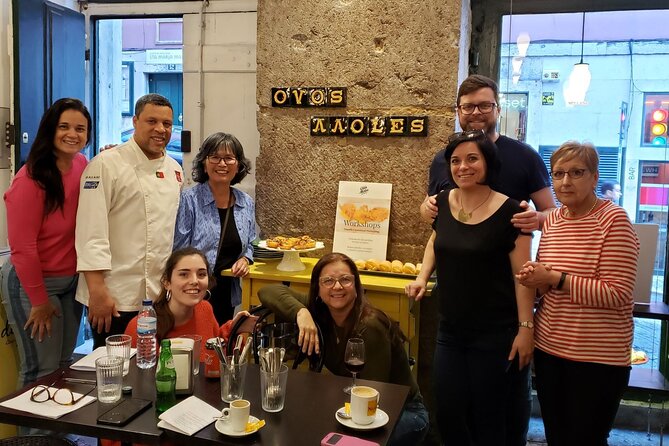
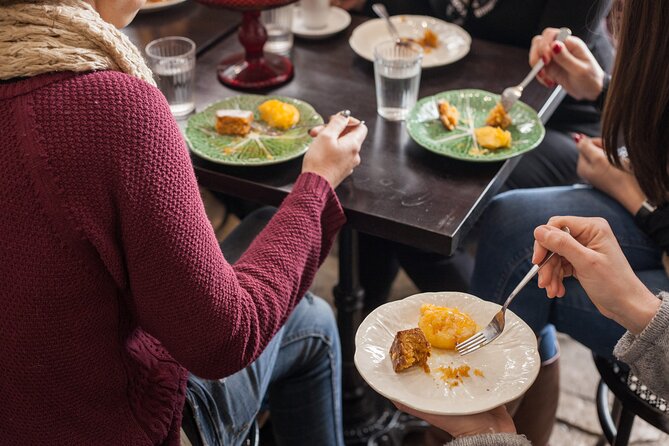
This class is not just cooking, it is also a tasting experience. The sample menu includes a starter of Pastel de Nata served with Porto Wine and ginja liquor. After that, you have a dessert-style pairing with wine, an aperitif, coffee, tea, and water.
Why that matters for your experience: the drinks help you slow down and enjoy the final result, and the port plus ginja pairing also gives you a taste of the Portuguese flavor profile around desserts. If you are someone who thinks cooking classes are only about the hands-on portion, this one balances it with real, included drinks.
One review specifically called out the class as a fun way to gain appreciation for the national snack, and part of that appreciation comes from eating your tart fresh and comparing it with how you expect it to taste. Fresh from the oven is a different world than what you grab wrapped from a shop counter.
Another plus is that the class feels like a conversation as well as a lesson. People noted chatting about daily life in Portugal and getting dinner recommendations. That is not guaranteed, but the overall vibe described is friendly and interactive, and the small group size makes it easier for that to happen.
How long it takes and how to plan your afternoon
Plan for about 1 hour 30 minutes. With a start time of 3:00 pm, it works well if you want a late afternoon activity and an easy transition into dinner. Since it ends back at the meeting point, you do not need a second transport plan or a new pickup location.
Because this is a cooking workshop, you may want to avoid scheduling something stressful right before it. The pastry timing and dough steps do not always match the pace of a rushed itinerary, and you will enjoy it more if you arrive calm and ready.
If you are traveling with kids 12 and older, this length is a manageable commitment. It is not a short demo, but it is also not an all-day baking project. Reviews mentioned kids staying engaged even with the group working in turns, which suggests the pace and structure keep attention on task.
The price question: $99.72 for a Lisbon pastry class, does it make sense?
At $99.72 per person, this is not a budget class. So the value test is simple: you should buy it because you want the skill transfer, the small-group attention, and the included tasting.
Here is what you are paying for, based on what the class experience emphasizes:
- A small group max of 6, so you are not lost in a crowd
- Real instruction from Filipa, including hands-on technique and corrections
- Making the components from scratch, including puff pastry and custard filling
- Included drinks and tastings, including port wine and ginja liquor, plus other beverages
- A final reward: you eat the tarts you made while fresh
One review called it a bit pricey but also said it was detailed enough that it felt worth it. Another described it as worth every cent because of the techniques taught and the confidence gained for baking at home. That matches the logic of the pricing. You are paying for guided practice, not just dessert.
If your goal is only to taste Portuguese custard tarts, you might find cheaper options around Lisbon. But if your goal is to leave with technique, plus a great story for your trip, this class is a strong fit.
Who this Pastel de Nata workshop is best for
I think this class is ideal for:
- Food travelers who want a hands-on Lisbon cooking class, not a sightseeing add-on
- People who are curious about how Portuguese sweets are made, including the pastry technique
- Couples and small groups who like learning together
- Families with kids 12+ who can handle a hands-on activity for about 1.5 hours
It may be less ideal if you:
- Want a mostly passive tasting experience, with minimal cooking
- Are looking for a super cheap option where you only get a bite or two
- Have strict scheduling needs that make arriving calm impossible
Should you book this Pastel de Nata class in Lisbon?
Yes, you should book if you care about technique and want the satisfying payoff of eating something fresh that you made with real guidance. The combination of small-group teaching, step-by-step coaching from Filipa, and included port and ginja tasting is exactly what you want from a premium short class.
If you only want to sample pastries and you do not care about learning, look elsewhere. But if you want to bring home a new skill, plus memories tied to the smell of warm custard and flaky pastry, this is an easy “yes” for your Lisbon trip plan.
FAQ
How long is the Pastel de Nata cooking class in Lisbon?
It lasts about 1 hour 30 minutes.
What language is the class taught in?
The experience is offered in English.
Is this class for kids?
Yes, it is family-friendly, and kids are welcome if they are age 12 or older.
What drinks are included with the Pastel de Nata?
You get a starter with Porto Wine and ginja liquor, and the experience also includes wine, an aperitif, coffee, tea, and water.
What is the maximum group size?
The class has a maximum of 6 travelers.
Is there free cancellation?
Yes. You can cancel for a full refund up to 24 hours in advance of the experience start time.
Portuguese Kitchens to Cook In
- Pasteis de Nata Baking Class from Lisbon
★ 5.0 · 248 reviews - Portuguese Cooking Class in Lisbon
★ 5.0 · 141 reviews - Portuguese Cooking Experience in Lisbon
★ 4.5 · 140 reviews - Hands on Portuguese Cooking Class in Lisbon
★ 5.0 · 136 reviews
Fresh across the seven hills
- Full-day Private Tour: Fátima Sanctuary, Batalha, Nazaré, Óbidos
★ 5.0 · 6 reviews - Porto Private Tour from Lisbon
★ 4.5 · 6 reviews - VIP transfer from the airport to Lisbon hotels
★ 5.0 · 6 reviews - Lisbon Photoshoot: Capture Your Adventure
★ 5.0 · 6 reviews - Lisbon: Romantic Sunset Cruise With Wine & Portuguese Tapas
★ 5.0 · 6 reviews - Arrábida Wine Tour – 3 Wineries, Traditions & Views from Lisbon
★ 4.5 · 6 reviews - Full Day Tour in Évora from Lisbon
★ 5.0 · 6 reviews
Pastéis de Nata Tours, compared.
Pastel de Nata Masterclass at a Real Bakery in Downtown Lisbon
Read our review →
Pastel de Nata Pastry Class: Bake and Enjoy Your Own Treats
Read our review →

Browse the lists this tour appears in